日元

Blog

日本のガソリンスタンドで使える燃料の種類

日本のガソリンスタンドでは、レギュラー(赤いノズル)・ハイオク(黄色いノズル)・軽油(緑のノズル)の3種類の燃料が販売されています。レンタカーのほとんどはレギュラーガソリンを使用します。ガソリン車に誤って軽油を入れると深刻なエンジン損傷を招き、修理費用は借り主の全額負担となります。給油前に必ず給油口付近のラベルで燃料種別を確認してください。

フルサービスとセルフの違い

フルサービスのスタンドではスタッフが給油を代行してくれます。「レギュラー満タンでお願いします」と伝えるだけで対応してもらえます。セルフスタンドは現在より一般的で、価格もやや安め。画面の指示に従えば難しくなく、クレジットカードや交通系ICカードも利用できます。

セルフスタンドでの給油手順

  • 給油口側のポンプに停車し、エンジンを切る
  • 支払い方法を選択(現金またはカード)
  • 「レギュラー」と「満タン」を選択
  • 車内レバーで給油口を開ける
  • 赤いノズルを差し込みレバーを握る(満タンで自動停止)
  • ノズルを戻し、給油口を閉め、レシートを受け取る
  • 現金払いの場合は精算機でおつりを受け取る

地方ドライブ時の注意点

山間部や地方では夜間・休日に閉まるスタンドが多くあります。長距離ドライブの際はガソリンが半分以下になったら早めに給油しましょう。レンタカーは満タン返しが基本です。返却店舗近くの指定スタンドで給油するよう案内される場合もあるため、受け取り時に確認してください。現在のレギュラーガソリン価格は1リットルあたり170〜190円程度が目安です。

誤給油してしまったら

間違った燃料を入れてしまった場合は、絶対にエンジンをかけないでください。すぐにレンタカー会社のロードサービスへ連絡し、状況を説明しましょう。エンジンをかける前に対処することで、修理費用を最小限に抑えることができます。

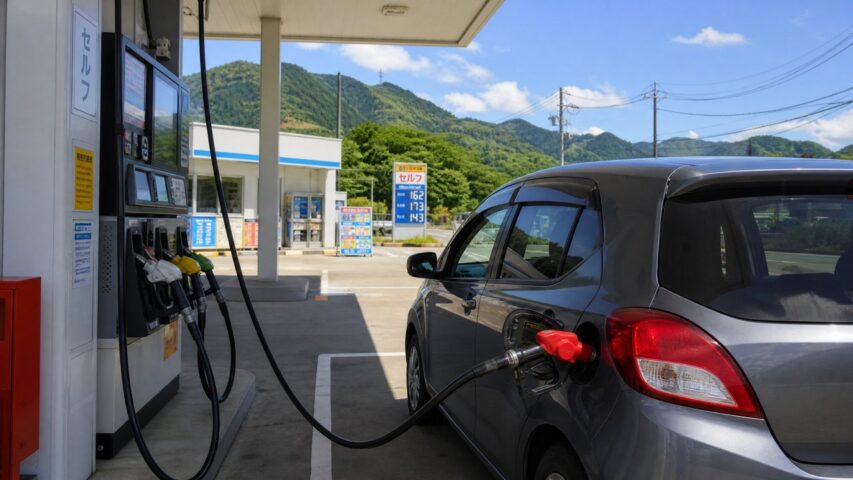
Grey car refueling at a gas station with multiple hoses plugged into the rear-right side, mountains in the background, blue sky.

Understanding Fuel Types at Japanese Gas Stations

One of the most practical concerns for visitors renting a car in Japan is how to handle refueling. Japanese gas stations use a color-coded nozzle system to prevent misfueling, and knowing the basics before you drive will save you time and potential repair costs. There are three fuel types available: Regular unleaded gasoline (レギュラー) with a red nozzle, which is correct for the vast majority of standard rental cars; High-octane premium gasoline (ハイオク) with a yellow nozzle, intended for high-performance vehicles; and Diesel (軽油, Keiyu) with a green nozzle, only for diesel-engine vehicles.

The most important rule is to always use the red nozzle unless your rental company explicitly instructs otherwise. Accidentally filling a gasoline-engine car with diesel will cause serious engine damage, and the rental company will charge you for all repair costs. The required fuel type is usually labeled on the fuel door or the instrument panel of your rental car, so check before you pump.

Full-Service vs. Self-Service Stations

Japan has two types of gas stations. Full-service stations (フルサービス) have attendants who refuel your car for you. Pull up to the pump, roll down your window, and say "Regyuraa, man-tan de onegaishimasu" (Regular, full tank please). Attendants often provide extra courtesies such as wiping your windshield and collecting trash.

Self-service stations (セルフ) are now more common throughout Japan and typically offer slightly lower prices. You operate the pump yourself by following the on-screen instructions. Most modern pumps accept both cash and credit cards, and many offer an English-language option on the touchscreen.

Step-by-Step Guide to Self-Service Refueling

Using a self-service pump in Japan is straightforward once you know the steps:

  • Pull up correctly: Position your car so the fuel filler cap is on the same side as the pump. Turn off the engine before doing anything else.
  • Select payment method: Choose cash or credit card on the touchscreen and insert as prompted.
  • Select fuel type and amount: Choose "Regular" (レギュラー) and then select "Full tank" (満タン) or enter a specific yen amount.
  • Open the fuel cap: Use the release lever inside the car, usually near the driver's seat, or push the cap directly if it is a push-type.
  • Insert the nozzle and refuel: Take the red nozzle, insert it fully into the fuel port, and squeeze the trigger. The pump stops automatically when the tank is full or the preset amount is reached.
  • Replace the cap and collect your receipt: Close the fuel cap securely, return the nozzle to its holder, and keep the receipt. Some rental companies ask to see it upon return.
  • Collect change if needed: If you paid in cash, collect change from the automatic change machine near the pump by scanning the barcode on your receipt.

Practical Tips for Driving in Japan

Gas stations in rural areas of Japan may close early in the evening or remain closed on weekends and public holidays. If you are planning a long drive through the countryside, fill up whenever you see an open station rather than waiting until your tank is nearly empty. In urban areas, gas stations are generally open around the clock.

Most rental companies in Japan require you to return the car with a full tank. Some companies designate specific nearby gas stations for the final fill-up before return, so ask when you pick up the car. Current fuel prices in Japan typically range from approximately ¥170 to ¥190 per liter for regular gasoline. A compact rental car with a 40-liter tank will cost roughly ¥7,000 to ¥8,000 for a full tank.

What to Do If You Misfuel

If you accidentally put the wrong fuel in your rental car, do not start the engine. Contact your rental company's roadside assistance immediately and explain the situation. Starting the engine after misfueling can cause severe and costly damage. Acting quickly and keeping the engine off will minimize the damage and associated costs.

Refueling a rental car in Japan is a simple process once you understand the system. By remembering the color-coded nozzles, following the on-screen instructions, and keeping your receipts, you can focus on enjoying Japan's remarkable scenery and open roads.

Grey car refueling at a gas station with multiple hoses plugged into the rear-right side, mountains in the background, blue sky.

日本高速公路自駕的獨特魅力

在日本租車自駕,能讓您輕鬆探索大眾運輸難以抵達的絕美風景。日本擁有超過一萬公里、維護良好的高速公路路網。只要了解 ETC(電子收費系統)的運作方式,您的高速公路之旅將會非常順暢且充滿樂趣。

認識 ETC 系統與使用方法

ETC 系統能讓車輛快速通過收費站。將 ETC 卡插入車內的專用讀卡機,駕駛即可直接通過收費閘門,無需停車繳費,大幅節省旅行時間。

大多數租車公司在您預約車輛時,都會提供 ETC 卡租借服務。當您接近收費站時,請尋找上方標示為紫色的「ETC 專用」車道。請務必在接近閘門時將車速降至約時速 20 公里,確保感應器能正確讀取卡片。

高速公路過路費與超值通行證

高速公路過路費會根據行駛距離來計算。使用 ETC 系統會自動套用多種折扣,例如深夜折扣與假日折扣,能為您省下交通開銷。

此外,日本推出了多種「高速公路通行證(Expressway Pass)」,允許您在指定天數內於特定區域內無限次數行駛。熱門選擇包括北海道(HEP)、東北(TEP)以及九州(KEP)通行證。這些通行證僅限持外國護照的旅客購買。

服務區導航與安全守則

體驗高品質的公路休息站是自駕遊的一大亮點。停車區(PA)配備洗手間與自動販賣機,適合短暫休息。服務區(SA)則是複合式設施,提供美食街、當地特色餐廳與伴手禮商店。

行車時請與前車保持安全距離,並嚴格遵守速限。萬一遇到 ETC 車道封閉,請保持冷靜,切換到開放的「一般」車道並抽取通行券。駛離高速公路時,將通行券與 ETC 卡交給工作人員即可。熟悉這些規則,您的公路之旅絕對會是一段安全的冒險。

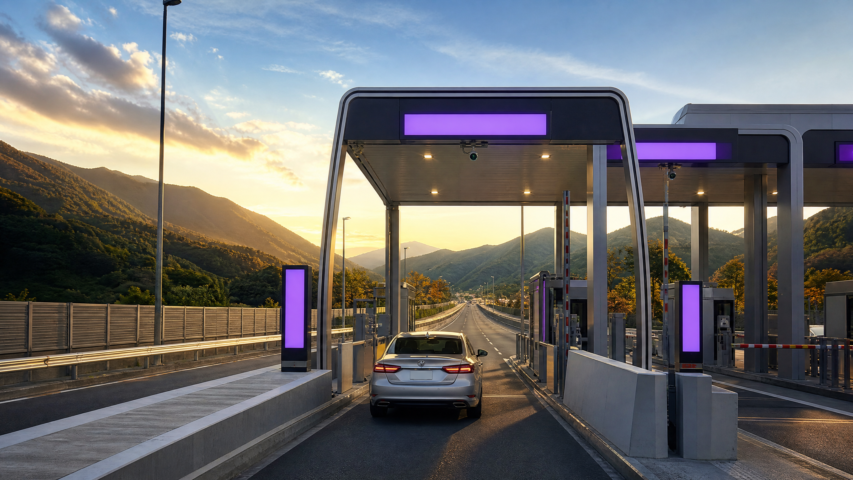
Toll plaza at sunset with a silver car approaching, purple-lit panels and mountains in the background on a clear sky.

日本の高速道路でのドライブの魅力

日本でのレンタカードライブは、美しい風景や静かな町を自由に巡る最高の手段です。日本には全長1万キロメートルを超える高速道路網が広がっています。ETC(自動料金収受システム)の仕組みを理解しておけば、非常にスムーズで快適なドライブ旅行を楽しむことができます。

ETCシステムの基本的な使い方

ETCシステムは、高速道路の料金所をキャッシュレスで通過するためのシステムです。専用のETCカードを挿入しておくことで、料金所で一時停止して支払う手間が省けます。

多くのレンタカー会社では、車両予約時にオプションとしてETCカードのレンタルを提供しています。料金所を通過する際は、紫色の看板で示された「ETC専用」レーンに進みます。ゲートに近づく際は、時速20km程度まで減速してください。

高速道路の通行料金とお得なパス

高速道路の通行料金は走行距離に基づいて計算されます。ETCを利用することで、深夜割引や休日割引などが自動的に適用され、交通費を抑えることが可能です。

さらに、外国人観光客向けに、特定の地域内の高速道路が定額で乗り放題になる「Expressway Pass」が提供されています。北海道(HEP)、東北(TEP)、九州(KEP)などがあり、長距離移動の節約につながります。

サービスエリアの活用と安全運転

日本でのドライブの楽しみの一つは、質の高い休憩施設です。パーキングエリア(PA)は小規模な施設で、サービスエリア(SA)はより大規模な複合施設です。SAにはご当地グルメを楽しめるレストランがあります。

安全な運転のため、前方の車両とは十分な車間距離を保ち、制限速度を厳守してください。ETCレーンが閉鎖されている場合は、安全に「一般」レーンに移動し通行券を受け取ってください。

Toll plaza at sunset with a silver car approaching, purple-lit panels and mountains in the background on a clear sky.

Introduction to Driving on Japan's Highways

Driving in Japan offers an unparalleled sense of freedom, allowing you to explore scenic countryside routes, hidden hot springs, and remote coastal towns that are difficult to reach by public transportation. The country boasts a well-maintained and extensive expressway network of over 10,000 kilometers, connecting all four major islands and Okinawa. For international visitors renting a car, navigating these toll roads might seem daunting at first. However, with the right preparation and an understanding of the Electronic Toll Collection (ETC) system, driving on Japanese highways is a smooth, efficient, and highly enjoyable experience.

Understanding the ETC (Electronic Toll Collection) System

The ETC system is a smart, wireless payment method designed to streamline toll collection on Japanese expressways. By using an ETC card inserted into a dedicated in-car reader, drivers can pass through toll gates without the need to stop and pay with cash or a credit card. This system not only saves valuable travel time but also eliminates the hassle of preparing exact change while driving.

For tourists, acquiring an ETC card is straightforward. Most major car rental companies offer ETC cards as an optional add-on when you book your vehicle. You typically pay a small daily rental fee for the card itself, and the accumulated toll charges are settled when you return the car at the end of your trip. When passing through a toll plaza, simply look for the purple signs indicating the dedicated "ETC 専用" (ETC Only) lanes or the "ETC/一般" (ETC/General) hybrid lanes. It is crucial to slow down to approximately 20 km/h as you approach the gate to allow the sensor to read your card and raise the barrier.

Expressway Tolls and Regional Passes

Using expressways in Japan involves paying toll fees, which are calculated based on the distance traveled and the type of vehicle. On average, passenger cars are charged a base fee plus a per-kilometer rate, making long-distance travel relatively expensive compared to some other countries. However, the ETC system automatically applies various discounts, such as late-night discounts (typically between midnight and 4:00 AM) and holiday discounts, which can significantly reduce your travel costs.

To provide better value for international tourists, several regional Expressway Passes are available. These passes offer unlimited use of designated expressways within a specific region for a flat rate over a set number of days. Popular options include the Hokkaido Expressway Pass (HEP), the Tohoku Expressway Pass (TEP), and the Kyushu Expressway Pass (KEP). These passes are exclusively available to foreign visitors and must be requested along with your rental car and ETC card. If you plan to cover long distances within a specific area, purchasing a regional pass can lead to substantial savings.

Navigating Interchanges and Service Areas

When driving on Japanese highways, you will frequently encounter Interchanges (IC), Junctions (JCT), Parking Areas (PA), and Service Areas (SA). All essential highway signs are clearly written in both Japanese and English, making navigation straightforward for international drivers. The standard speed limit for passenger cars on most expressways is 80 to 100 km/h, though it may be reduced to 70 km/h on single-lane sections or during adverse weather conditions.

One of the highlights of driving in Japan is experiencing the exceptional quality of its highway rest stops. Parking Areas (PA) are smaller facilities typically equipped with clean restrooms and vending machines, providing a quick break for weary drivers. In contrast, Service Areas (SA) are larger complexes that offer a wide array of amenities. At a typical SA, you will find expansive food courts, restaurants serving local regional specialties, souvenir shops, and gasoline stations. Taking a break at a Service Area is not just about resting; it is an opportunity to sample delicious local cuisine and purchase unique gifts before continuing your journey.

Essential Safety Tips for Highway Driving

Safety is paramount when driving on Japan's expressways. Always ensure that your ETC card is securely inserted into the reader before you start the engine; the device will usually emit an audible chime to confirm that the card is recognized. Maintain a safe following distance from the vehicle ahead, and strictly adhere to the posted speed limits. Be aware that weather conditions, particularly heavy rain or snow in mountainous regions, can affect road safety, so adjust your driving accordingly.

In the event that an ETC lane is closed—indicated by a red "X" sign above the lane—do not panic. Simply merge safely into an open general lane and take a paper ticket from the machine. When you exit the highway, hand the ticket and your ETC card to the toll booth attendant to process the payment. By familiarizing yourself with these basic rules and utilizing the convenience of the ETC system, your road trip across Japan will be a memorable and stress-free adventure.

Toll plaza at sunset with a silver car approaching, purple-lit panels and mountains in the background on a clear sky.

日本夏季租車自駕指南:防暑與路線攻略

日本夏季從六月下旬延續至九月初,氣溫高、濕度大。根據日本汽車聯盟(JAF)的實測,在烈日下停放的車輛熄火後約30分鐘,車內溫度可攀升至攝氏45度。請勿將兒童、老年人或寵物單獨留在停著的車內,返回車輛時先開門通風30至60秒再上車。前擋風玻璃遮陽板可在便利商店購得,能有效抑制車內升溫。

冷氣使用與補水

進入高溫車內後,先開窗並將冷氣設定為「外氣導入」模式行駛數分鐘,待熱氣排出後再切換為「內循環」模式。整段駕駛過程建議全程開啟冷氣,有助維持專注力並預防中暑。出發前請準備足夠的水和運動飲料,建議在氣溫最高的上午十點至下午三點之間,每隔60至90分鐘在道之驛停車休息。若感到頭暈或異常疲倦,請立即靠邊停車休息。

夏季推薦自駕路線

做好防暑準備後,夏季正是體驗日本海岸線自駕的絕佳時機。神奈川縣的湘南海岸(鎌倉至江之島)擁有面向太平洋的開闊視野,週末車流較多,建議平日清晨出發。從東京開車約90分鐘可抵達的伊豆半島,沿途有修善寺、下田等溫泉勝地。

  • 湘南海岸(神奈川縣):建議平日清晨出發,可避開週末壅塞車流
  • 伊豆半島(靜岡縣):海景絕佳,沿途有溫泉與新鮮海產,適合一日遊
  • 能登半島(石川縣):車流較少,斷崖海景與傳統漁村風情兼具

噴霧罐與防曬注意事項

冷卻噴霧等加壓罐裝產品若遺留在高溫車內,可能導致罐體破裂甚至引發火災。請將噴霧罐取出車外或存放於陰涼處,使用後務必開窗通風。車窗玻璃無法完全阻隔紫外線,建議出發前塗抹防曬乳。每天確認天氣預報,颱風季節若接獲警報,請遵從當地政府指示,待天候好轉後再行出發。

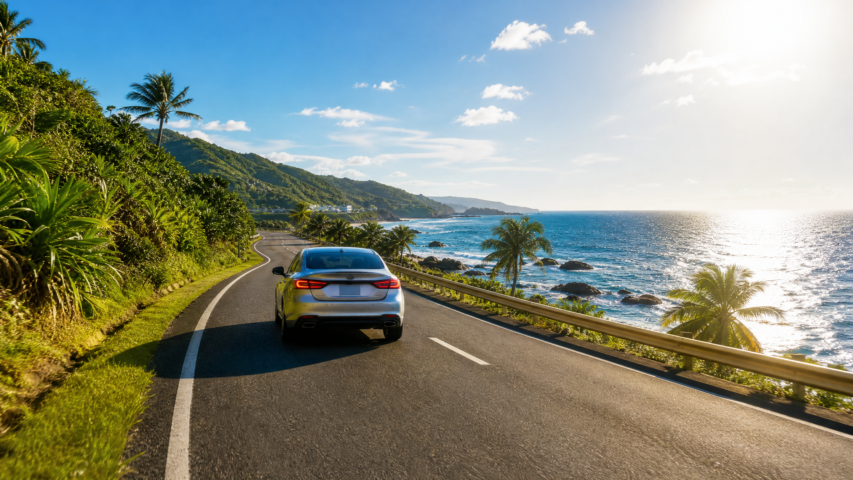
Silver sedan driving along a coastal highway with palm trees, green hills, and the blue sea to the right.

夏のレンタカードライブを安全に楽しむポイント

日本の夏は高温多湿で、レンタカードライブには特別な準備が必要です。炎天下に駐車した車内は、エンジンを切ってから30分で約45℃に達することがあります。子ども・高齢者・ペットを車内に残すことは絶対に避け、乗車前はドアを全開にして30〜60秒換気しましょう。フロントガラス用サンシェードは100円ショップで購入でき、車内温度の上昇を抑えられます。

エアコンの正しい使い方と水分補給

熱くなった車内を冷やすには、まず窓を開けてエアコンを「外気導入」モードにして数分走行し、熱気を排出してから「内気循環」に切り替えます。夏のドライブ中はエアコンを常時使用することで、集中力の維持と熱中症予防につながります。水やスポーツドリンクを車内に常備し、気温が高い午前10時〜午後3時は60〜90分ごとに道の駅で休憩を取りましょう。めまいや頭痛を感じたら、すぐに安全な場所に停車してください。

夏のおすすめドライブルート

対策をしっかり行えば、夏は海岸線ドライブの絶好のシーズンです。湘南海岸(鎌倉〜江ノ島)は太平洋を望む爽快なルートですが、週末は渋滞するため早朝出発がおすすめです。伊豆半島は東京から車で約90分で、温泉地や海の幸を楽しめます。

  • 湘南海岸(神奈川県):平日早朝が快適。渋滞を避けて走れる
  • 伊豆半島(静岡県):海沿いの絶景と温泉。1日ドライブに最適
  • 能登半島(石川県):比較的空いており、断崖の絶景が魅力

スプレー缶と紫外線対策

冷却スプレーなどの缶製品は、高温の車内に放置すると破裂の危険があります。使用後は必ず車外に出すか涼しい場所に保管し、使用後は換気を行いましょう。車のガラスは紫外線を完全に遮断しないため、日焼け止めの使用もおすすめです。毎朝天気予報を確認し、台風接近時は無理に走行せず安全を最優先にしてください。

Silver sedan driving along a coastal highway with palm trees, green hills, and the blue sea to the right.

Summer Driving in Japan: Essential Tips for Renting a Car in the Heat

Summer in Japan runs from late June through early September, bringing intense heat, high humidity, and brilliant sunshine. For travelers who choose to explore the country by rental car, the season offers unforgettable coastal drives and scenic mountain roads — but it also demands careful preparation. Understanding how to manage the heat, protect yourself and your passengers, and navigate Japan's summer roads safely will make the difference between a memorable trip and a stressful one.

Understanding the Heat Inside a Parked Car

One of the most serious risks during Japanese summers is the rapid rise in temperature inside a parked vehicle. According to the Japan Automobile Federation (JAF), the interior of a car parked in direct sunlight on a hot day can reach approximately 45°C (113°F) within just 30 minutes of the engine being switched off. This creates an immediate danger of heatstroke for anyone left inside, particularly children, elderly passengers, and pets. Never leave anyone in a parked car during summer, even for a short errand. When returning to your rental car after sightseeing, open all doors and windows for at least 30 to 60 seconds before getting in to release trapped hot air.

Cooling Down Your Rental Car Effectively

Before driving, use a reflective sunshade on the windshield whenever the car is parked. These are widely available at 100-yen stores and convenience stores across Japan. When you return to a hot car, open the windows first, then set the air conditioning to external air intake mode for a few minutes to flush out the hot interior air before switching to recirculation mode. Running the air conditioning throughout your drive is strongly recommended — not just for comfort, but because high humidity combined with heat significantly increases the risk of fatigue and heatstroke while driving.

Staying Hydrated and Preventing Heatstroke

Dehydration can impair concentration and reaction time, making it a genuine road safety issue. Always keep a sufficient supply of water and sports drinks in the car. Japan's convenience stores — found at regular intervals along most major routes — are ideal for restocking beverages and picking up cooling items such as ice packs. Plan rest stops every 60 to 90 minutes, especially during the hottest part of the day between 10:00 and 15:00. If you feel dizzy, unusually tired, or develop a headache while driving, pull over safely at the nearest roadside rest area (道の駅, Michi-no-Eki) or convenience store immediately.

Recommended Summer Driving Routes

Despite the heat, summer is one of the best seasons to drive along Japan's coastlines. The Shonan Coast (湘南海岸) stretching from Kamakura to Enoshima in Kanagawa Prefecture offers a scenic Pacific Ocean backdrop, though weekend traffic can be heavy — an early morning departure is advisable. The Izu Peninsula, located about 90 minutes southwest of Tokyo by car, provides winding coastal roads with ocean views, fresh seafood stops, and natural hot spring towns such as Shuzenji and Shimoda. For those in western Japan, the Noto Peninsula in Ishikawa Prefecture and the Tottori Sand Dunes coastal road offer quieter alternatives with dramatic scenery.

  • Shonan Coast (Kanagawa): Best driven early morning on weekdays to avoid congestion
  • Izu Peninsula (Shizuoka): Scenic coastal loop approximately 200 km; allow a full day
  • Noto Peninsula (Ishikawa): Less crowded, dramatic sea cliffs and traditional fishing villages

Caution with Aerosol Products and Flammable Items

A lesser-known summer driving hazard in Japan involves aerosol cans and flammable products left inside a hot car. Cooling sprays, deodorant cans, and similar pressurized containers can rupture or ignite when exposed to extreme interior temperatures. JAF advises drivers never to leave such items in a parked car during summer and to ventilate the vehicle thoroughly if any aerosol has been used inside. Check the warning labels on all aerosol products before storing them in your rental car.

Practical Tips for Summer Rental Car Drivers

Familiarize yourself with the rental car's air conditioning controls before leaving the rental lot — unfamiliar controls can be distracting in traffic. Wear light, breathable clothing and keep a small towel handy to wipe perspiration. Apply sunscreen before driving, as UV rays penetrate car windows. Check the weather forecast each morning, as summer in Japan also brings sudden afternoon thunderstorms and, in some years, typhoons. If a typhoon warning is issued for your area, follow local authority guidance and avoid driving until conditions improve.

With the right preparation, a summer road trip in Japan can be an extraordinary experience. The combination of coastal scenery, fresh local food, and the freedom of self-driving makes it well worth the extra care required during the hot season.

Silver sedan driving along a coastal highway with palm trees, green hills, and the blue sea to the right.

在日本租車發生事故怎麼辦?完整應對流程與保險須知

在日本租車自駕,能讓您自由探索各地風景。然而,出發前了解萬一發生事故時的正確處理方式,與熟悉道路規則同樣重要。若未按照規定流程處理,不僅影響保險理賠,甚至可能面臨法律責任。

事故發生後的基本步驟

事故發生後,請立即將車輛移至安全位置並開啟危險警示燈。若有人員受傷,請撥打119請求救護車。之後,務必撥打110向警方報案。

根據日本《道路交通法》,所有交通事故均須向警察報告,無論損害大小皆不例外。若未報警,日本安全駕駛中心將無法核發交通事故證明書,大多數保險理賠申請也將因此被拒。離開現場前,務必取得警方的受理編號。

聯絡租車公司與交換資料

報警後,請盡快撥打合約或車內貼紙上的緊急聯絡電話通知租車公司。若涉及其他車輛,請記錄對方的姓名、電話、車牌號碼及保險公司名稱,並用手機拍攝現場照片留存。請勿在現場承認過失或簽署任何文件,責任認定由警察及保險公司負責。

NOC費用與保險說明

多數日本租車合約包含NOC(停業損失費用),這是車輛受損維修期間的營業損失補償,與維修費分開計算。車輛仍可行駛時約為2萬日圓,需拖車時約為5萬日圓。部分附加保險或信用卡旅遊保障可涵蓋此費用,建議取車前確認。

車輛故障時的道路救援

若遇爆胎或電池沒電等機械故障,請聯絡租車公司的道路救援,而非撥打110。JAF(日本汽車聯盟)提供全年24小時服務,電話為0570-00-8139或短碼#8139。出發前請確認緊急聯絡電話,有備無患。

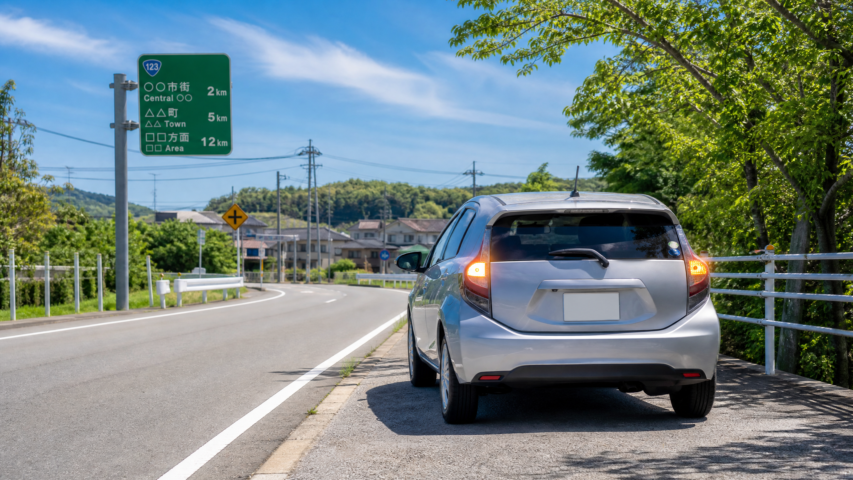
SUV parked on the roadside with brake lights on, green highway sign in the distance under a blue sky with trees nearby

レンタカーで事故が起きたら?正しい対処手順と保険の基礎知識

レンタカーを利用した旅行は自由度が高く、日本各地を自分のペースで楽しめます。しかし、万が一の事故に備えて正しい対処手順を知っておくことが大切です。適切な対応を取らないと、保険や補償が受けられなくなる場合があります。

事故発生時の基本手順

事故が起きたら、まず車を安全な場所に停車させ、ハザードランプを点灯させましょう。高速道路ではガードレールの外側に避難してください。けが人がいる場合は119番に電話して救急車を要請します。その後、必ず110番で警察に通報してください。

日本の道路交通法では、物損・人身を問わず全ての交通事故を警察に報告する義務があります。通報しないと交通事故証明書が発行されず、保険が適用されません。警察の受理番号を必ず確認してから現場を離れましょう。

レンタカー会社への連絡と情報交換

警察への通報後、契約書または車内ステッカーに記載された緊急連絡先に電話してください。レンタカー会社への連絡が遅れると補償が受けられなくなる場合があります。相手方がいる場合は、氏名・連絡先・ナンバープレート・保険会社名を記録し、スマートフォンで現場を撮影しておきましょう。

NOCと保険について

多くの契約にはNOC(ノン・オペレーション・チャージ)が含まれます。これは修理期間中の営業損失補填費用で、走行可能な場合は約2万円、レッカー搬送が必要な場合は約5万円が目安です。オプションの免責補償で免除できる場合があるため、出発前に確認しておきましょう。

故障時はロードサービスへ

パンクやバッテリー上がりなどの車両トラブルは警察ではなく、レンタカー会社のロードサービスに連絡します。JAF(日本自動車連盟)は0570-00-8139または短縮番号#8139で24時間対応しています。出発前に緊急連絡先を確認し、メモしておくことをおすすめします。

SUV parked on the roadside with brake lights on, green highway sign in the distance under a blue sky with trees nearby