Plan for a calmer Furano driving day
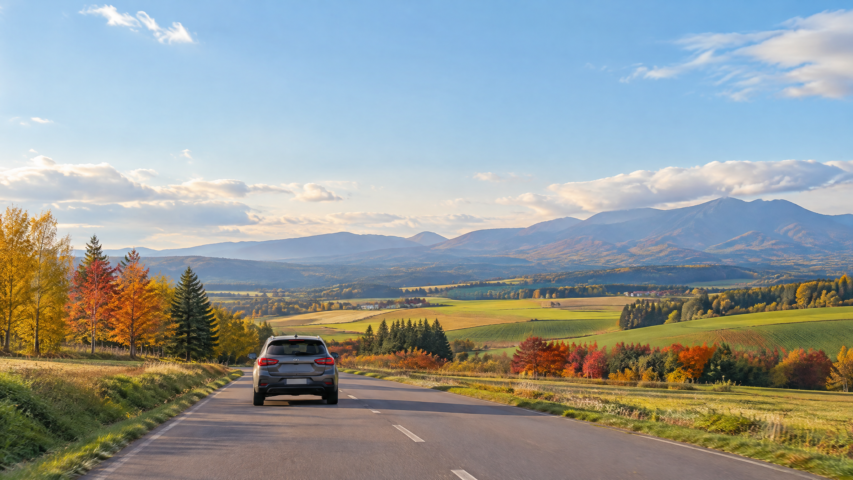
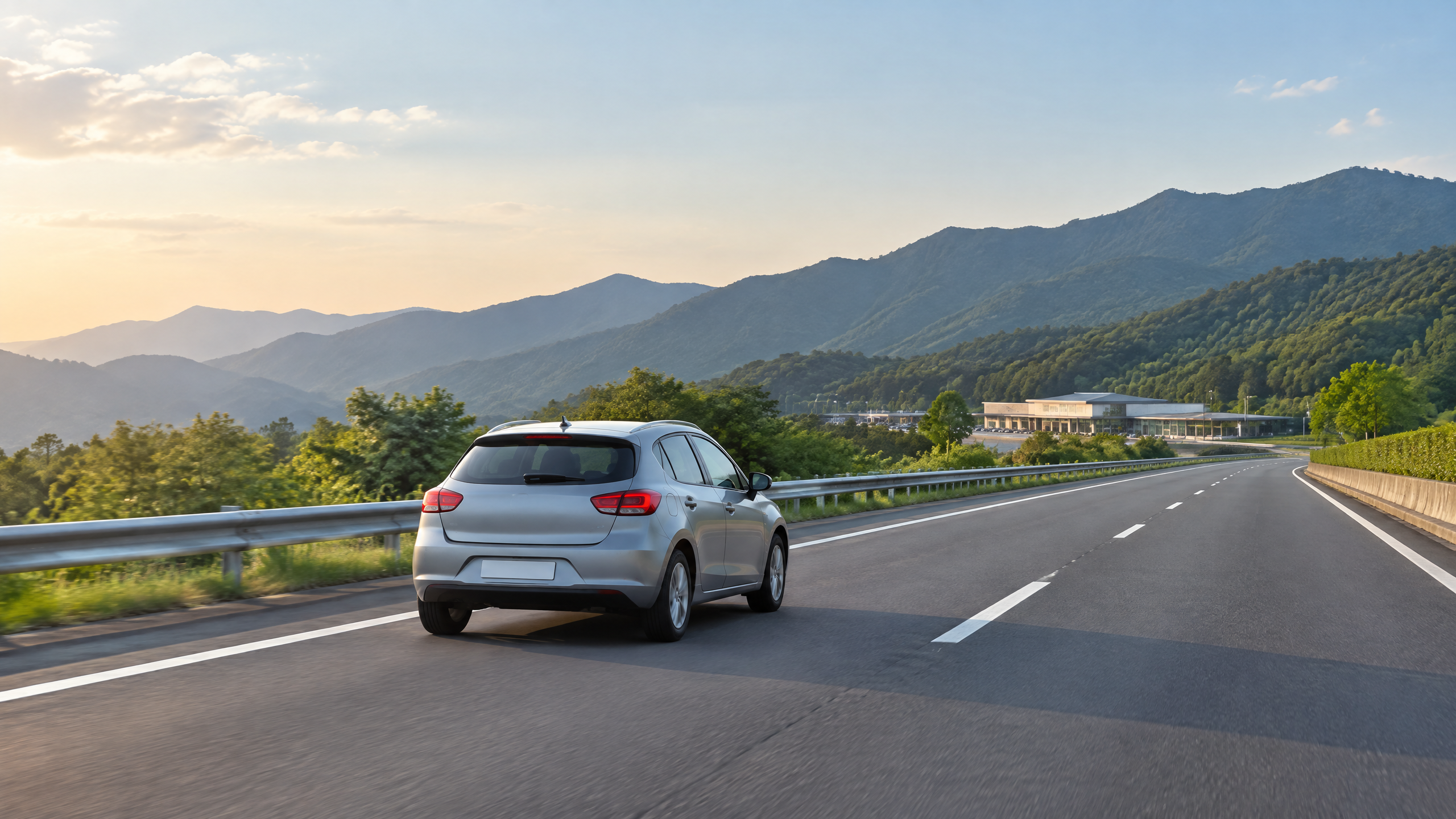
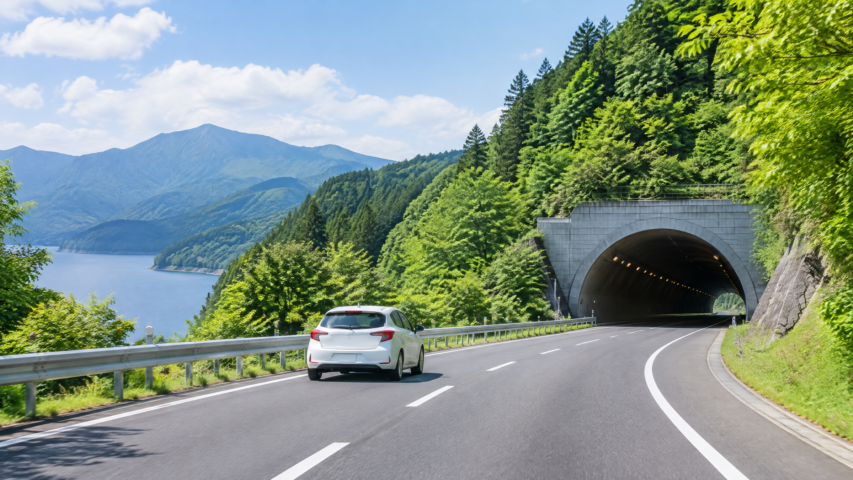
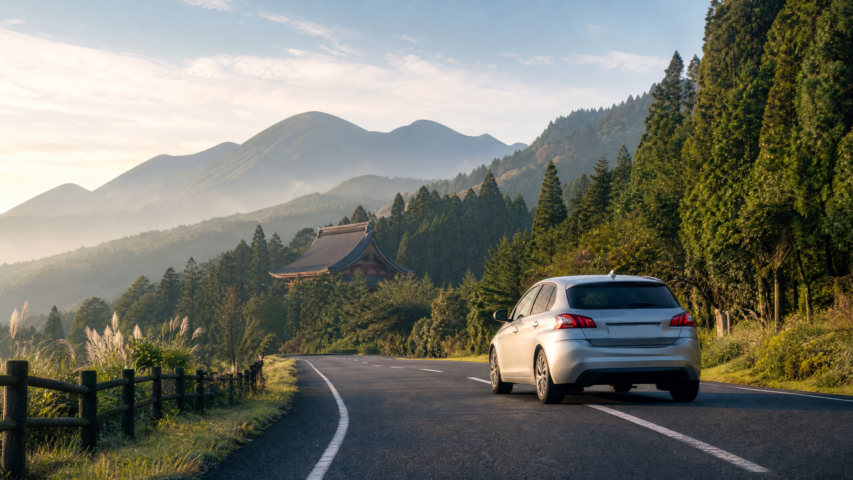
Furano is a rewarding place to explore by rental car in autumn. The area spreads across open countryside and its attractions are easier to connect by car than by trying to match every stop to a bus timetable. Japan National Tourism Organization also notes that getting around Furano’s varied attractions is easiest by rental car. That convenience is most useful when the day has room to breathe: short photo stops, an unhurried meal, and a change of plan if rain or traffic makes a road feel less comfortable.
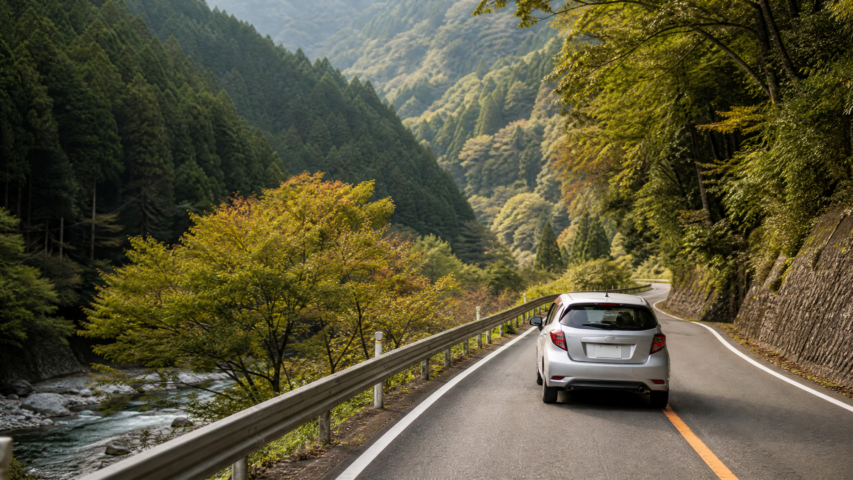
Autumn colour arrives as the days become cooler, but a beautiful view is not a reason to compress your schedule. Pick only a few stops, keep your accommodation or return location in mind, and leave a buffer before evening. This article is not a fixed route or a promise about opening hours. Instead, it is a practical way to set up a safe, flexible self-drive day in Furano.
Set the car up before leaving town
At collection, take a quiet moment to understand the car before you join traffic. Adjust the seat and mirrors, find the lights and windscreen controls, confirm how to refuel, and save the rental office contact details. Enter the first destination while parked. Navigation is helpful, but JAF says drivers must not use a phone or be distracted by a car-navigation system while driving. If a passenger is available, let that person handle map changes and searches.
- Download or save the day’s key locations before setting off, then review the next stop only when parked.
- Keep a charged phone, drinking water and a small layer for changeable autumn weather within easy reach.
- Check the fuel level before a rural detour rather than assuming a station will be close to the next viewpoint.
- Choose one sensible turnaround time, especially if you are unfamiliar with local roads after dark.
This preparation is deliberately simple. It reduces the temptation to make last-minute turns, rush a parking decision, or troubleshoot an unfamiliar control while moving.
Use Japanese road rules as your safety baseline
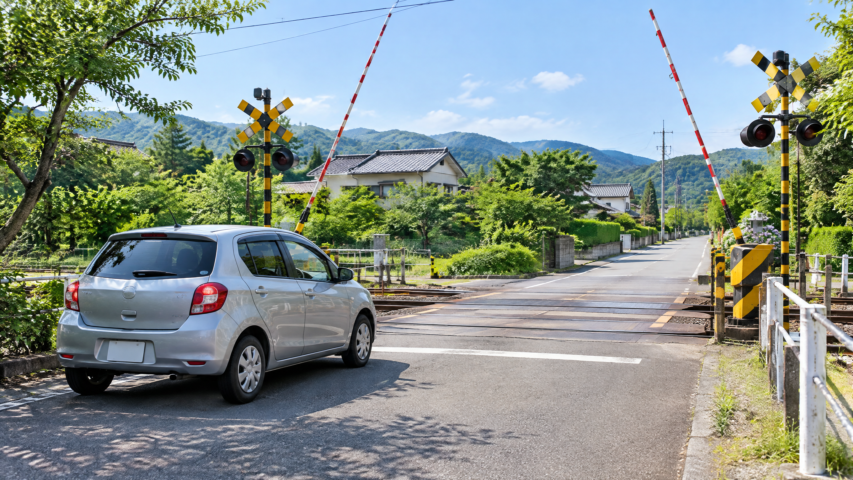
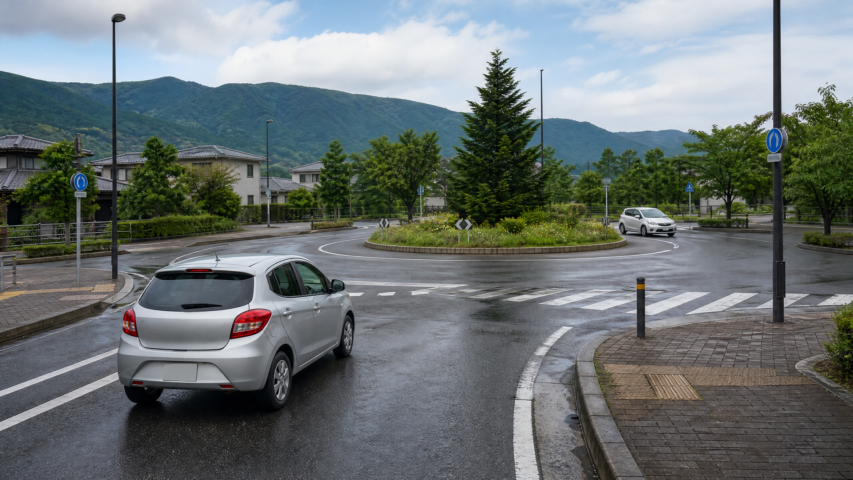
In Japan, drivers keep to the left and must yield to pedestrians. Every occupant must wear a seat belt, and alcohol-impaired driving is prohibited. These rules matter on a quiet holiday drive as much as in a city. Treat crossings, narrow streets, driveways and car parks as places where a person may appear unexpectedly; reduce speed early and give people space.
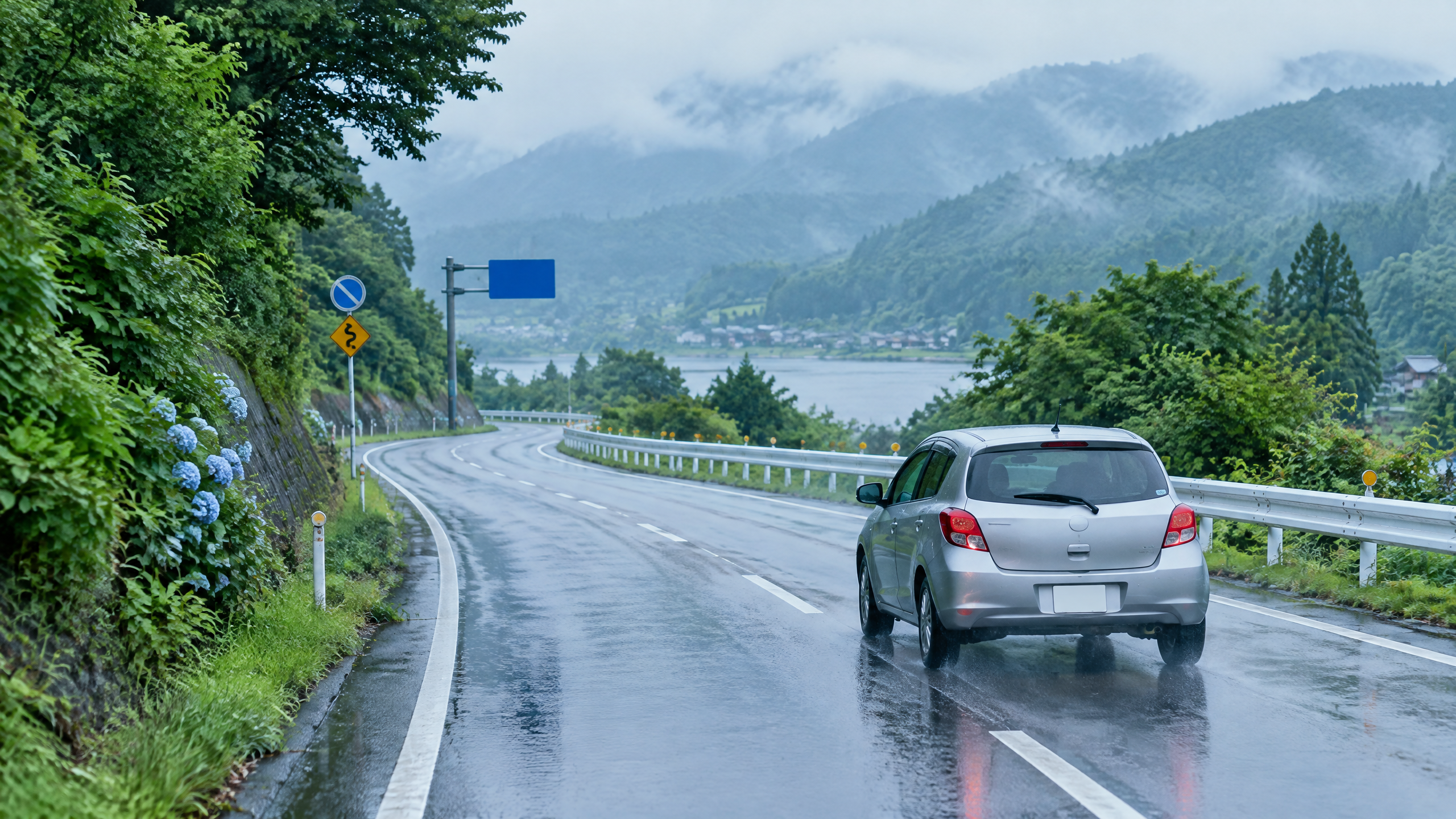
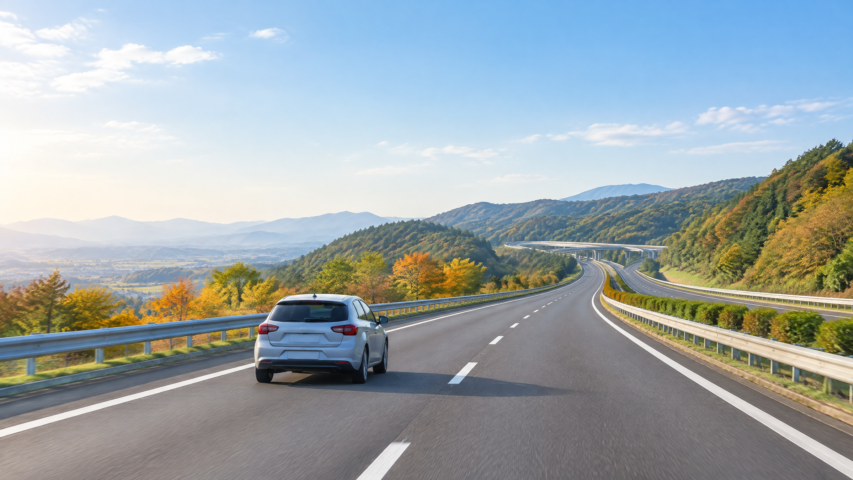
Follow the signed limit rather than treating a scenic road as a target speed. JAF explains that, where no sign or road marking sets a limit, regular automobiles are limited to 60 km/h on ordinary roads and 100 km/h on expressways. Those figures do not replace observation: rain, fallen leaves, glare, road works, cyclists or an unfamiliar bend can call for a slower pace. Keep both hands ready, look well ahead, and leave a comfortable gap instead of relying on sudden braking.
Make stops without creating a problem
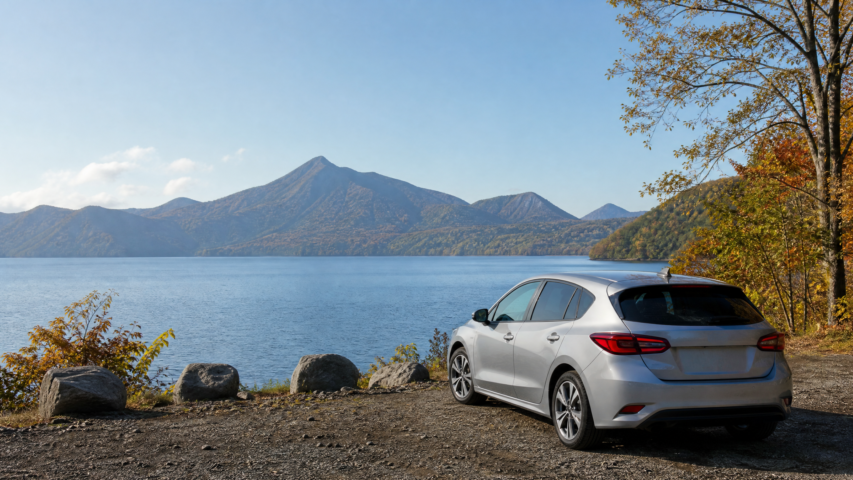
Furano’s scenery makes spontaneous stops tempting. The safer choice is to use an official or clearly designated parking area, position the car fully within the space, and check before opening doors. Do not stop in a live lane, block a narrow access road, or treat a farm entrance as a photo lay-by. A missed view is preferable to a manoeuvre that surprises traffic or prevents another vehicle from passing.
When several people want photographs, agree on the stop before you arrive. The driver can then focus on signs, pedestrians and the parking approach. Build time for walking from the car instead of hunting for the closest possible space. A short walk is often part of the experience, while a rushed roadside stop is not.
Enjoy September responsibly
JNTO notes that Furano has a wine festival in September. If tasting is part of the day, separate it completely from driving. Arrange a non-drinking driver for the whole vehicle or use another transport plan after consuming alcohol; do not rely on feeling fine, coffee or a meal. Make that decision before collecting the keys, not after arriving at a tasting.
A successful Furano autumn drive is measured by ease, not distance. Leave with a settled car, obey the signed road environment, park only where it is appropriate, and protect time for a safe return. That approach lets the landscape set the pace without asking the driver to take shortcuts.
Useful references: Japan National Tourism Organization—Furano; Japan Automobile Federation—Traffic Rules in Japan.