

Summer Driving in Japan: Essential Tips for Renting a Car in the Heat
Summer Driving in Japan: Essential Tips for Renting a Car in the Heat
Summer in Japan runs from late June through early September, bringing intense heat, high humidity, and brilliant sunshine. For travelers who choose to explore the country by rental car, the season offers unforgettable coastal drives and scenic mountain roads — but it also demands careful preparation. Understanding how to manage the heat, protect yourself and your passengers, and navigate Japan's summer roads safely will make the difference between a memorable trip and a stressful one.
Understanding the Heat Inside a Parked Car
One of the most serious risks during Japanese summers is the rapid rise in temperature inside a parked vehicle. According to the Japan Automobile Federation (JAF), the interior of a car parked in direct sunlight on a hot day can reach approximately 45°C (113°F) within just 30 minutes of the engine being switched off. This creates an immediate danger of heatstroke for anyone left inside, particularly children, elderly passengers, and pets. Never leave anyone in a parked car during summer, even for a short errand. When returning to your rental car after sightseeing, open all doors and windows for at least 30 to 60 seconds before getting in to release trapped hot air.
Cooling Down Your Rental Car Effectively
Before driving, use a reflective sunshade on the windshield whenever the car is parked. These are widely available at 100-yen stores and convenience stores across Japan. When you return to a hot car, open the windows first, then set the air conditioning to external air intake mode for a few minutes to flush out the hot interior air before switching to recirculation mode. Running the air conditioning throughout your drive is strongly recommended — not just for comfort, but because high humidity combined with heat significantly increases the risk of fatigue and heatstroke while driving.
Staying Hydrated and Preventing Heatstroke
Dehydration can impair concentration and reaction time, making it a genuine road safety issue. Always keep a sufficient supply of water and sports drinks in the car. Japan's convenience stores — found at regular intervals along most major routes — are ideal for restocking beverages and picking up cooling items such as ice packs. Plan rest stops every 60 to 90 minutes, especially during the hottest part of the day between 10:00 and 15:00. If you feel dizzy, unusually tired, or develop a headache while driving, pull over safely at the nearest roadside rest area (道の駅, Michi-no-Eki) or convenience store immediately.
Recommended Summer Driving Routes
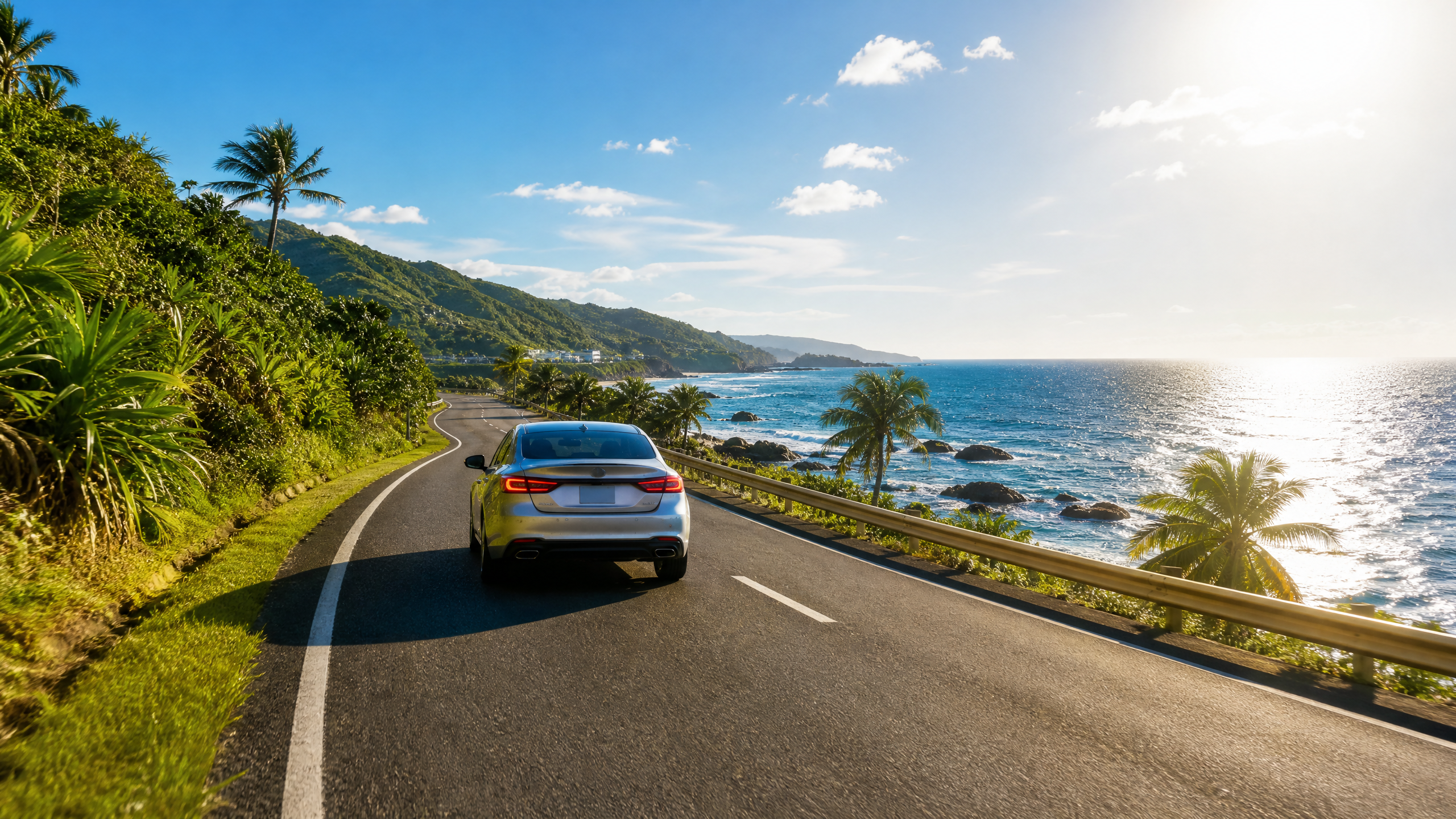
Despite the heat, summer is one of the best seasons to drive along Japan's coastlines. The Shonan Coast (湘南海岸) stretching from Kamakura to Enoshima in Kanagawa Prefecture offers a scenic Pacific Ocean backdrop, though weekend traffic can be heavy — an early morning departure is advisable. The Izu Peninsula, located about 90 minutes southwest of Tokyo by car, provides winding coastal roads with ocean views, fresh seafood stops, and natural hot spring towns such as Shuzenji and Shimoda. For those in western Japan, the Noto Peninsula in Ishikawa Prefecture and the Tottori Sand Dunes coastal road offer quieter alternatives with dramatic scenery.
- Shonan Coast (Kanagawa): Best driven early morning on weekdays to avoid congestion
- Izu Peninsula (Shizuoka): Scenic coastal loop approximately 200 km; allow a full day
- Noto Peninsula (Ishikawa): Less crowded, dramatic sea cliffs and traditional fishing villages
Caution with Aerosol Products and Flammable Items
A lesser-known summer driving hazard in Japan involves aerosol cans and flammable products left inside a hot car. Cooling sprays, deodorant cans, and similar pressurized containers can rupture or ignite when exposed to extreme interior temperatures. JAF advises drivers never to leave such items in a parked car during summer and to ventilate the vehicle thoroughly if any aerosol has been used inside. Check the warning labels on all aerosol products before storing them in your rental car.
Practical Tips for Summer Rental Car Drivers
Familiarize yourself with the rental car's air conditioning controls before leaving the rental lot — unfamiliar controls can be distracting in traffic. Wear light, breathable clothing and keep a small towel handy to wipe perspiration. Apply sunscreen before driving, as UV rays penetrate car windows. Check the weather forecast each morning, as summer in Japan also brings sudden afternoon thunderstorms and, in some years, typhoons. If a typhoon warning is issued for your area, follow local authority guidance and avoid driving until conditions improve.
With the right preparation, a summer road trip in Japan can be an extraordinary experience. The combination of coastal scenery, fresh local food, and the freedom of self-driving makes it well worth the extra care required during the hot season.