

Japan Highway Driving Guide: ETC Cards, Tolls, and Service Areas
Introduction to Driving on Japan's Highways
Driving in Japan offers an unparalleled sense of freedom, allowing you to explore scenic countryside routes, hidden hot springs, and remote coastal towns that are difficult to reach by public transportation. The country boasts a well-maintained and extensive expressway network of over 10,000 kilometers, connecting all four major islands and Okinawa. For international visitors renting a car, navigating these toll roads might seem daunting at first. However, with the right preparation and an understanding of the Electronic Toll Collection (ETC) system, driving on Japanese highways is a smooth, efficient, and highly enjoyable experience.
Understanding the ETC (Electronic Toll Collection) System
The ETC system is a smart, wireless payment method designed to streamline toll collection on Japanese expressways. By using an ETC card inserted into a dedicated in-car reader, drivers can pass through toll gates without the need to stop and pay with cash or a credit card. This system not only saves valuable travel time but also eliminates the hassle of preparing exact change while driving.
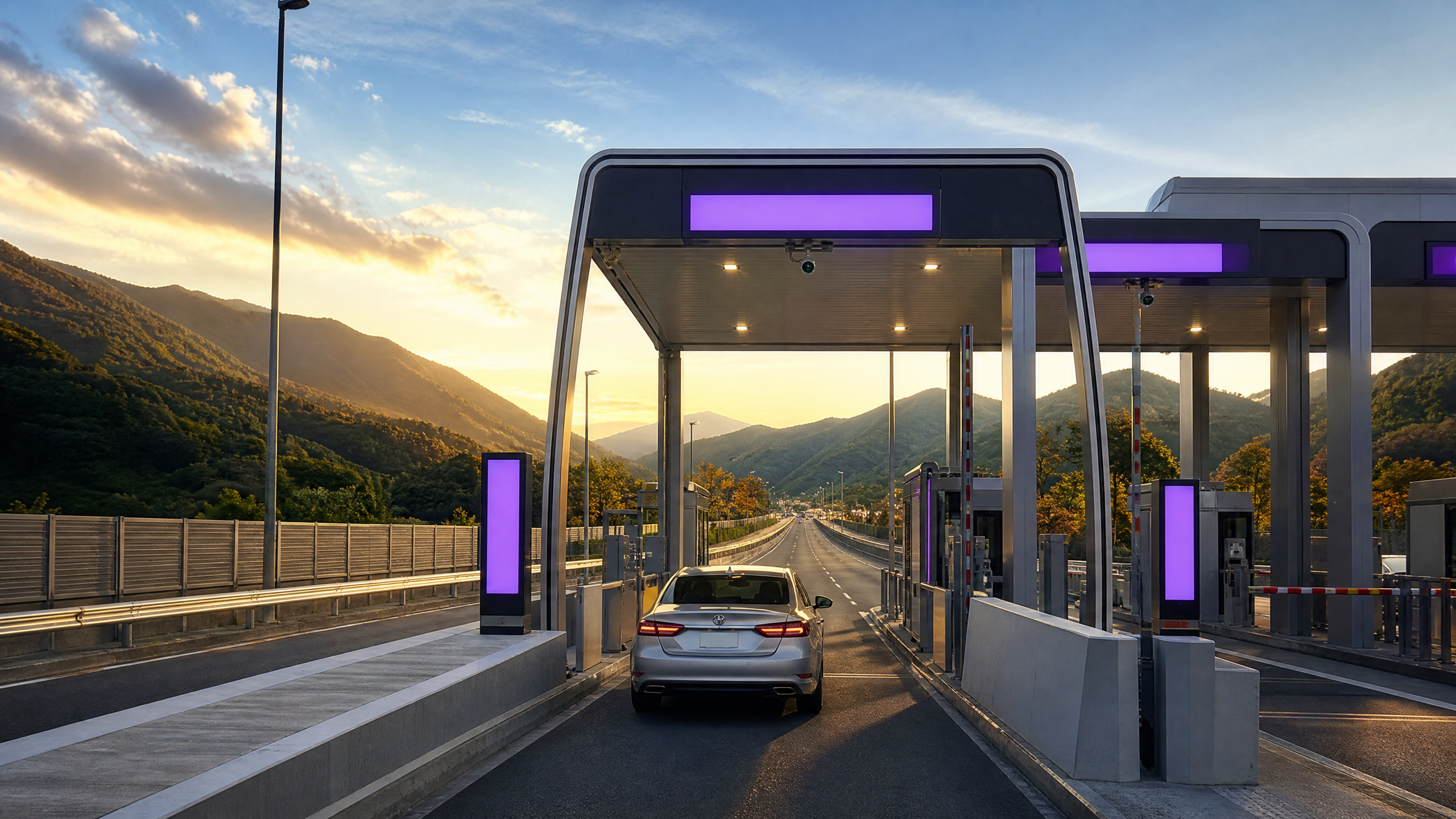
For tourists, acquiring an ETC card is straightforward. Most major car rental companies offer ETC cards as an optional add-on when you book your vehicle. You typically pay a small daily rental fee for the card itself, and the accumulated toll charges are settled when you return the car at the end of your trip. When passing through a toll plaza, simply look for the purple signs indicating the dedicated "ETC 専用" (ETC Only) lanes or the "ETC/一般" (ETC/General) hybrid lanes. It is crucial to slow down to approximately 20 km/h as you approach the gate to allow the sensor to read your card and raise the barrier.
Expressway Tolls and Regional Passes
Using expressways in Japan involves paying toll fees, which are calculated based on the distance traveled and the type of vehicle. On average, passenger cars are charged a base fee plus a per-kilometer rate, making long-distance travel relatively expensive compared to some other countries. However, the ETC system automatically applies various discounts, such as late-night discounts (typically between midnight and 4:00 AM) and holiday discounts, which can significantly reduce your travel costs.
To provide better value for international tourists, several regional Expressway Passes are available. These passes offer unlimited use of designated expressways within a specific region for a flat rate over a set number of days. Popular options include the Hokkaido Expressway Pass (HEP), the Tohoku Expressway Pass (TEP), and the Kyushu Expressway Pass (KEP). These passes are exclusively available to foreign visitors and must be requested along with your rental car and ETC card. If you plan to cover long distances within a specific area, purchasing a regional pass can lead to substantial savings.
Navigating Interchanges and Service Areas
When driving on Japanese highways, you will frequently encounter Interchanges (IC), Junctions (JCT), Parking Areas (PA), and Service Areas (SA). All essential highway signs are clearly written in both Japanese and English, making navigation straightforward for international drivers. The standard speed limit for passenger cars on most expressways is 80 to 100 km/h, though it may be reduced to 70 km/h on single-lane sections or during adverse weather conditions.
One of the highlights of driving in Japan is experiencing the exceptional quality of its highway rest stops. Parking Areas (PA) are smaller facilities typically equipped with clean restrooms and vending machines, providing a quick break for weary drivers. In contrast, Service Areas (SA) are larger complexes that offer a wide array of amenities. At a typical SA, you will find expansive food courts, restaurants serving local regional specialties, souvenir shops, and gasoline stations. Taking a break at a Service Area is not just about resting; it is an opportunity to sample delicious local cuisine and purchase unique gifts before continuing your journey.
Essential Safety Tips for Highway Driving
Safety is paramount when driving on Japan's expressways. Always ensure that your ETC card is securely inserted into the reader before you start the engine; the device will usually emit an audible chime to confirm that the card is recognized. Maintain a safe following distance from the vehicle ahead, and strictly adhere to the posted speed limits. Be aware that weather conditions, particularly heavy rain or snow in mountainous regions, can affect road safety, so adjust your driving accordingly.
In the event that an ETC lane is closed—indicated by a red "X" sign above the lane—do not panic. Simply merge safely into an open general lane and take a paper ticket from the machine. When you exit the highway, hand the ticket and your ETC card to the toll booth attendant to process the payment. By familiarizing yourself with these basic rules and utilizing the convenience of the ETC system, your road trip across Japan will be a memorable and stress-free adventure.