日本雪地駕駛:旅客安全指南
出發前
行車要點
遇險處理
小提醒:熟悉租車保險與服務支援,預留更多時間與耐心,安全優先,祝旅途平安。
出發前
行車要點
遇險處理
小提醒:熟悉租車保險與服務支援,預留更多時間與耐心,安全優先,祝旅途平安。
日本の冬は美しいですが、雪道運転は初心者にとって危険が伴います。レンタカーで観光する際は、事前準備と安全意識が重要です。以下のポイントを守って安全な旅を楽しみましょう。
旅行前に現地の天気予報と道路情報をチェックし、無理のない日程で計画しましょう。Relax-RentACarでは冬季装備の相談も受け付けています。安全第一で素敵な冬の日本を満喫してください。
Driving in snowy regions of Japan is a rewarding way to see winter landscapes, but it requires preparation and respect for winter conditions. Whether you plan to explore Hokkaido, Tohoku, Nagano, or the Japan Alps, follow these practical tips to stay safe and enjoy the journey.
Bring an emergency kit with:
Leave a note or itinerary with your accommodation so someone knows your plans.
If you get stuck, stay with the vehicle if safe. Call for help (110 for police, 119 for fire/ambulance) and contact your rental company. Use hazard lights and reflectors to increase visibility.
Renting from a company that understands winter driving makes a big difference. Relax-RentACar provides winter-ready vehicles and advice so you can explore Japan’s winter wonderlands with confidence. Drive carefully and enjoy the snowy scenery!
# 東京交通攻略:觀光客駕車實用攻略
東京熱鬧又方便,開車可以去到電車不易抵達的景點,但路況、收費與停車規則可能讓外國遊客感到陌生。Relax-RentACar 為你整理在東京開車時最實用的建議,讓旅程更順利。
- 國際駕照(IDP):多數外國旅客需持1949年日內瓦條約格式的國際駕照、原始駕照與護照。請出發前確認最新規定。
- 租車選項:預約英文導航、ETC 卡支援、自排車與全天客服支援。Relax-RentACar 提供多種選配與英文協助。
- 熟悉靠左行駛、常見交通標誌、速限與安全帶規定。日本對酒駕處罰非常嚴格。
- 首都高速:內環(C1)、中央環狀(C2)與灣岸線等幹道連接主要地區。雖然便利,但常有收費與車流高峰。
- 避開尖峰時段:平日早上7:00–9:30與傍晚17:00–20:00最容易塞車;熱門景點週末也常擁擠。
- 利用外環與繞路:跨城移動時以外環或外圍高速避開市中心通常更省時。
- 都市高速與高速公路採收費制,使用ETC可自動繳費並快速通過收費站。出發前向租車公司確認是否提供ETC設備或租借ETC卡。
- 收費依路段與距離而異,請用導航或網站預估路費。
- 掌握臨停與計時停車:短停可使用Times、Park24等臨停車場;長時間停車建議找立體停車場或可預約的停車位。
- 提前預約:akippa、Times 與 NAVITIME 等應用可查詢並預約停車位,節假日或熱門景點尤其有用。
- 遵守停車規則:違規停車會被罰款或拖吊,注意高度限制與營業時間。
- 使用最新導航:Google Maps 與 NAVITIME 在東京非常可靠。根據需求設定避開收費或選擇最快路線。
- 開啟英文語音與車道引導,面對複雜交流道時更省心。
- 遵守速限:市區通常為40–60 km/h,快速道路多為80–100 km/h,以路標為準。
- 注意行人與自行車:車站周邊與狹窄巷弄尤其要慢行並禮讓行人。
- 保持冷靜:避免急躁變換車道或長時間鳴笛,東京駕駛文化偏向禮讓與守規矩。
- 市中心觀光:新宿、澀谷、銀座等地停車費高且找位難,搭電車通常更快速與方便。
- 節慶或賞櫻期間:道路封閉與交通量激增時,建議改以大眾運輸或安排彈性行程。
- 緊急電話:110 報警,119 救護/消防。
- 如需路邊救援、導航協助或其他租車服務,請聯絡 Relax-RentACar 的客服。
- 身上攜帶:國際駕照、護照與原駕照
- 車輛配備:英文導航、ETC 支援
- 下載 App:Google Maps、NAVITIME、Times/akippa
- 付款方式:信用卡與少量現金
- 確認還車地點與營業時間
有了充分準備與當地常識,東京自駕可以是一次非常棒的經驗。Relax-RentACar 提供多語支援與配備完善的車輛,協助你享受安全而順暢的東京之旅。祝旅途愉快。
# 東京の交通を乗りこなす:観光客向けの実用アドバイス
東京は魅力的で広く、交通量が多い都市です。レンタカーで移動すれば電車では行きにくい場所にも足を伸ばせますが、首都高速や駐車ルールなど慣れない点もあります。Relax-RentACarが観光客のための重要ポイントをまとめました。
- 国際運転免許証(IDP):多くの訪日観光客は1949年ジュネーブ条約に基づく国際運転免許証、母国の運転免許証、およびパスポートが必要です。最新の要件は渡航前に確認してください。
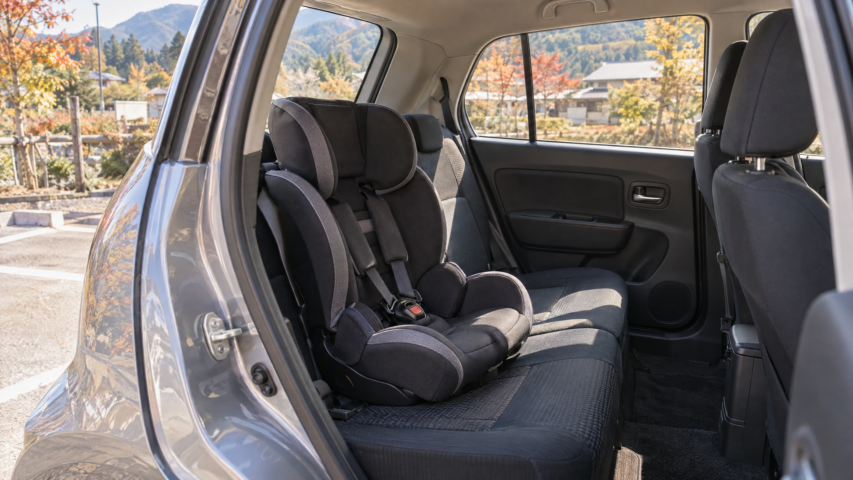
- レンタカーの選択:英語ナビ、ETCカード対応、オートマ車、必要であればチャイルドシートをリクエストしましょう。Relax-RentACarは英語サポートとETC付車両を提供しています。
- 左側通行、標識、速度制限、シートベルトと飲酒運転の規制を事前に確認してください。
- 首都高速:都心環状線(C1)、中央環状線(C2)、湾岸線などが主要区間です。速い反面、通行料と渋滞が発生しやすい点に注意。
- ラッシュアワーを避ける:平日朝7:00–9:30、夕方17:00–20:00は特に混雑します。週末も人気スポット周辺は混雑しやすいです。
- 外環やバイパスを活用:都心を通らずに移動できるルートを使うと時間短縮になることがあります。
- 都市高速や高速道路は料金制。ETCを使うと料金所通過がスムーズです。ETCカードの貸出や搭載車の有無はレンタル時に確認しましょう。
- 料金は路線や距離で変わります。ナビで概算料金を把握しておくと安心です。
- コインパーキングと駐車場:短時間はタイムズやPark24のコインパーキングが便利。観光で長時間停めるなら立体駐車場や予約可能な駐車場を利用しましょう。
- 予約サービスの活用:akippaやTimesの予約機能、NAVITIMEの駐車場検索が便利です。
- 駐車ルールを守る:違法駐車は罰金やレッカーの対象になります。高さ制限や営業時間も必ず確認。
- ナビは最新版を:Google マップやNAVITIMEが東京では使いやすいです。料金回避設定や最短ルートの切替を活用してください。
- 英語音声と車線案内を有効にしておくと、複雑なジャンクションで安心です。
- 速度遵守:市街地は多くが40~60km/h、一般高速は80~100km/h。標識に従ってください。
- 歩行者・自転車に注意:駅周辺や狭い路地では特に優先を守りましょう。
- 落ち着いた運転を:無理な割り込みやクラクションは控え、周囲に配慮する運転を心がけてください。
- 都心の観光:新宿、渋谷、銀座などは公共交通機関の方が便利な場合が多いです。
- 祭事や桜シーズン:道路閉鎖や大混雑が予想されます。
- 緊急:110(警察)、119(救急・消防)。
- Relax-RentACarのロードサービスやナビサポート、運転に関する相談を活用してください。
- 国際運転免許証、パスポート、母国免許の携帯
- 英語ナビとETC対応のレンタル車両
- アプリ:Google マップ、NAVITIME、タイムズ/akippa
- 支払い手段:クレジットカードと小額現金
- 返却場所と営業時間の確認
準備と地元ルールの理解があれば、東京のドライブはとても快適です。Relax-RentACarは英語対応とETC搭載車などであなたの東京ドライブをサポートします。安全運転で楽しい旅を!
# Navigating Tokyo Traffic: Practical Tips for Tourists
Tokyo is exciting, huge, and busy. Driving here gives you freedom to explore beyond train lines, but the city's traffic patterns, expressways, and parking rules can be unfamiliar to visitors. This guide from Relax-RentACar covers essential tips to help tourists drive confidently and safely in Tokyo.
- International driving permit (IDP): Most foreign visitors need an IDP based on the 1949 Geneva Convention plus your home country license and passport. Check current entry rules before traveling.
- Choose the right rental: Request an English GPS, ETC card support for tolls, and options like automatic transmission and daytime/nighttime navigation assistance from Relax-RentACar.
- Familiarize with left-hand driving, basic traffic signs, speed limits, and seat belt laws. Japan enforces strict drink-driving rules and heavy penalties.
- Shuto Expressway (首都高速): The inner loop (C1), Central Circular Route (C2), and Bayshore Route (Wangan) connect major districts. They are convenient but often have tolls and heavy peak congestion.
- Avoid central Tokyo during peak hours: Morning rush 7:00–9:30 and evening 17:00–20:00. Weekends around popular attractions can also be busy.
- Use ring roads and bypasses: For cross-city travel, ring routes and outer expressways reduce time compared with driving through the center.
- Most urban expressways and highways charge tolls. Using an ETC card makes payment automatic and faster; ask Relax-RentACar about ETC-equipped vehicles or renting an ETC card.
- Toll rates vary by distance and road. Plan routes with estimated tolls using navigation apps.
- Look for coin parking and hourly garages: Short-stay coin parking lots (Times, Park24) are common. For longer stays or sightseeing, use hourly parking garages near stations.
- Reserve ahead when possible: Apps like Times, akippa, and NAVITIME let you find and reserve parking spots, especially useful near major attractions.
- Watch parking rules: Illegal parking leads to fines and towing. Always check opening hours and maximum height limits for parking garages.
- Use up-to-date navigation: Google Maps and NAVITIME are reliable in Tokyo. Set preferences for toll avoidance or fastest route depending on your plan.
- Enable English voice guidance and lane guidance to help navigate complex junctions on the Shuto Expressway.
- Observe speed limits: Typical urban limits are 40–60 km/h, expressways 80–100 km/h; signs indicate exact limits.
- Yield to pedestrians and cyclists, especially in narrow streets and near train stations. Watch for one-way streets and small alleys.
- Stay calm in congestion: Tokyo drivers are generally polite; avoid aggressive lane changes or honking.
- Central sightseeing: In areas like Shinjuku, Shibuya, and Ginza, public transport is often faster and cheaper than finding parking.
- Festivals and major events: Road closures and spikes in traffic are common during holidays, cherry blossom season, and major festivals.
- Emergency: 110 for police, 119 for ambulance/fire.
- Contact Relax-RentACar for roadside assistance, GPS troubleshooting, or local driving advice.
- Valid IDP, passport, and home license
- Rental with English GPS and ETC support
- App downloads: Google Maps, NAVITIME, Times/akippa
- Payment methods: credit card and enough cash for small parking or tolls
- Confirm drop-off locations and operating hours
Driving in Tokyo can be a rewarding way to see the region beyond the train lines. With preparation, the right equipment, and local driving awareness, you can enjoy a smooth and memorable trip. Relax-RentACar is here to help with English support, ETC-equipped cars, and flexible rental options. Safe travels!
Nulla placerat feugiat aliquam. Quisque sapien mauris, malesuada eu vulputate ac, venenatis ut ligula. Sed quis faucibus urna. Nulla in lorem quis nunc ultricies elementum. Donec ultrices velit at arcu ultricies efficitur consequat non nulla. Donec mollis dapibus mauris sit amet blandit.
Lorem ipsum dolor sit amet, consectetur adipiscing elit. Vivamus quis efficitur dolor. Vivamus varius interdum tortor vel egestas. Ut elementum neque nec massa tincidunt, eu imperdiet lacus ultrices. Suspendisse quis vestibulum leo, eget hendrerit felis. Nunc pellentesque volutpat elementum.
Nulla placerat feugiat aliquam. Quisque sapien mauris, malesuada eu vulputate ac, venenatis ut ligula. Sed quis faucibus urna. Quisque hendrerit sapien ac lacinia faucibus. Nunc iaculis, lacus quis tempus pharetra, eros ligula suscipit odio, at mattis eros risus. Suspendisse urna sem, lacinia in auctor vitae, tincidunt sit amet nisl. Pellentesque nec felis diam. Nullam euismod nulla ut mi efficitur, eget efficitur velit semper.