日元

Blog

Driving through Hokkaido is one of Japan’s most rewarding travel experiences: long, open roads, dramatic coastlines, rolling flower fields and remote mountains that feel miles away from the crowds. If you're planning a Hokkaido self-drive rental car trip, this guide will point you to the most scenic routes, practical driving tips, and smart planning advice so you can focus on the views — not the logistics.

Why choose a Hokkaido self-drive rental car?

Hokkaido’s landscape is best explored with a car. Public transport is excellent between major cities, but many of the island’s most memorable sights — hidden waterfalls, panoramic roadside viewpoints and tiny coastal villages — are reached far more easily by car. A self-drive trip gives you:

  • Flexibility to stop wherever the view or a local seafood shop tempts you.
  • Access to remote nature spots off the train map.
  • Comfort for carrying gear (ski equipment in winter, picnic items in summer).
  • Better timing for sunrise/sunset photography.

Top scenic routes to consider

Biei & Furano Panorama Loop

Distance: 100–150 km loop (day trip). Best season: late spring to summer.

Known for rolling hills, patchwork flower fields and the iconic Tree Road of Biei, this route is ideal for leisurely driving and frequent photo stops. Highlights: Shikisai no Oka, Patchwork Road, and Lavendar fields in Furano (mid-July).

Shiretoko Peninsula (R5 & 334)

Distance: add 200–300 km depending on route. Best season: June–October (accessible by car year-round but winter roads can be tricky).

World Heritage-listed and wildly beautiful, Shiretoko rewards patient drivers with brown bear and birdlife sightings, dramatic coastal cliffs and the Sea of Okhotsk. Expect narrow sections and occasional ferry crossings — allow extra time.

Coastal drives: Otaru–Yoichi–Niseko and Cape Kamui

Distance: 50–200 km segments. Best season: spring to autumn; stunning in winter for snowy coastal panoramas.

Historic Otaru canal, seafood stalls in Yoichi, and the dramatic headlands at Cape Kamui near Shakotan make this a delicious and photogenic stretch. Combine with a dip in an onsen after a day of driving.

Practical tips for a safe and smooth trip

  • Book the right car: Choose compact cars for narrow town streets and economical drives, or a 4WD if you plan on winter travel or mountain passes. Make sure there’s enough trunk space for luggage and equipment.
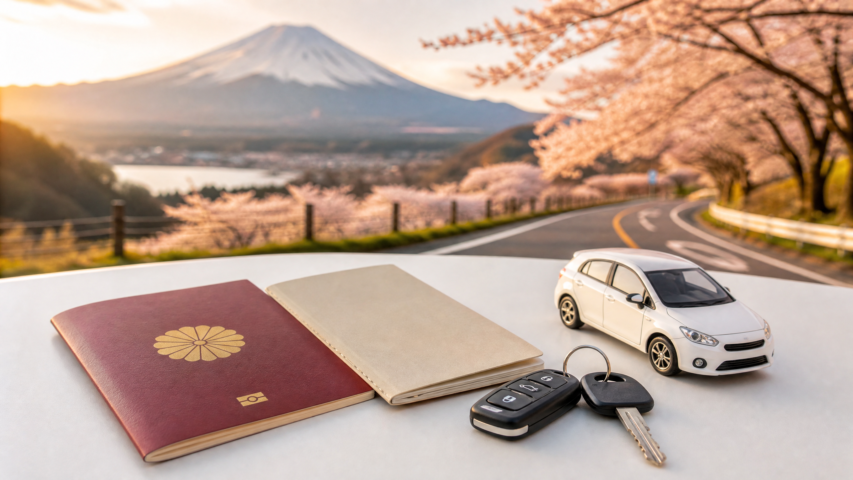
  • Insurance & documents: Carry your passport, Japanese International Driving Permit (IDP) or valid Japanese license, and the rental agreement. Consider comprehensive insurance (collision damage waiver) for peace of mind.
  • ETC card & tolls: Highways use ETC lanes. Ask your rental company for an ETC unit or card — it saves time and sometimes cost.
  • Winter driving: From November through March expect snow and ice. Use studless winter tires (required at some times of year), carry traction aids, and reduce speed on icy roads. Plan extra travel time and avoid isolated gravel roads.
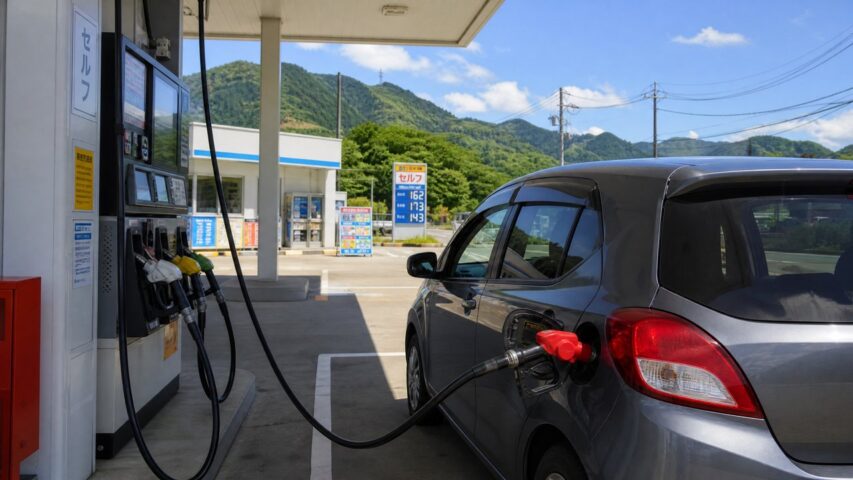
  • Fuel & services: Distances between petrol stations can be long in rural Hokkaido. Refill when you hit half tank. Many stations close early in smaller towns — plan fuel stops.
  • Navigation & connectivity: Rent a car with an English GPS or use an offline map app. Consider a pocket Wi-Fi or local SIM for live navigation and translation.
  • Wildlife & safety: Watch for deer and foxes especially at dawn/dusk on rural roads. Keep headlights on and drive with extra caution.

Relax Car Rental provides helpful English service, GPS-equipped vehicles and optional ETC cards — a good local option if you want support setting up your Hokkaido self-drive rental car quickly and confidently.

Sample 3–5 day itinerary ideas

  • 3-day Biei & Furano loop: Base in Furano, explore flower fields and Biei’s hills, return via local wineries and cheese farms. Daily drives are short (1–2 hours) allowing relaxed stops.
  • 4-day Eastern Nature Loop: Sapporo → Kushiro Marsh → Lake Akan → Shiretoko. This covers big distances — plan longer drives and overnight stays en route.
  • 5-day Coastal & Mountain: Sapporo → Otaru → Niseko → Cape Kamui → Sounkyo Gorge. Mixes coast, mountains and hot springs for variety.

Hokkaido rewards slow travel and an adventurous spirit. If you’re ready to explore with the convenience of your own wheels, consider booking early (peak seasons fill up fast) and compare options with trusted providers like Relax Car Rental to get the vehicle and extras you need. Happy driving — and don’t forget to pull over for the view!

Ready to plan your Hokkaido self-drive rental car adventure? Contact Relax Car Rental or your preferred agency today and start mapping your scenic journey.

Silver car driving down a straight country road between purple lavender fields with green hills and mountains in the distance under a blue sky.

What is ETC and Why It Matters

The ETC system in Japan stands for Electronic Toll Collection. It allows vehicles to pass through toll gates without stopping, using an onboard unit and an ETC card. For visitors and residents alike, using ETC can save time, reduce congestion, and in many cases qualify drivers for expressway discounts.

How ETC Works

  • Onboard Unit (OBU): A device installed in the car that communicates with toll gates.
  • ETC Card: A card issued by credit card companies or rental providers that stores payment information.
  • Automatic Billing: Tolls are charged automatically to the card when passing ETC lanes.

Options for Tourists and Rental Cars

If you're renting a car in Japan, you have easy options to use ETC even without a Japanese credit card.

  • Rent ETC with the Car: Many rental companies offer an ETC card and OBU pre-installed for a small daily fee. This is the simplest option for short stays.
  • Bring a Compatible Card: Residents with a Japanese-issued ETC card can use it across rental cars that have OBUs.
  • Pay at Gate: If you don’t use ETC, you can still pay by cash or card at toll booths, but you lose potential discounts and time savings.

How to Save on Toll Fees Using ETC

ETC unlocks several discount programs and smart practices. Here are practical ways to lower your expressway costs.

1. Use Time and Day Discounts

Many expressways offer discounts depending on time of day or day of week. Examples include late night or early morning discounts and weekend or holiday discounts. Plan your travel times to catch these reduced rates.

2. Choose ETC Lanes for Faster Passage

ETC lanes let you maintain speed through toll gates which saves time and avoids idling. Faster trips can indirectly reduce costs like fuel consumption in heavy traffic.

3. Consider ETC2.0 Benefits

ETC2.0 provides additional traffic and route information that can help you avoid detours and congestion. In some regions, ETC2.0 users may receive extra discounts or special offers.

4. Plan Routes and Use Discounted Expressway Sections

Some highway sections or regional passes have lower fares when using ETC. Use route planners and official expressway websites to check discounted sections and compare tolls versus alternate routes.

5. Watch Rental Fees and Card Charges

When renting an ETC device and card, check the daily rental fee and any maximum charges. Sometimes paying a small rental fee will still be cheaper than expensive local roads or congested city driving.

Step by Step: Using ETC with Relax Car Rental

  • Reserve a car and select ETC equipment at booking time.
  • Receive the car with the OBU installed and an ETC card prepared for use.
  • Drive through ETC lanes at toll gates and let the system process payment automatically.
  • Confirm toll charges on your rental invoice and review any discounts applied.

Tips and Common Questions

  • What if the ETC lane malfunctions? Use the intercom at the toll gate or the staffed lane for assistance.
  • Can foreign credit cards be used? Usually rental ETC cards are linked to domestic payment arrangements. Check with your rental provider to understand billing.
  • Are discounts nationwide? Discount programs and rates vary by region and operator. Always check local expressway operator sites for details.

Summary

ETC is the most convenient way to use Japan's expressways. By renting ETC equipment with your vehicle, planning travel times, and using ETC2.0 features, you can save both time and money on tolls. For hassle-free travel and reliable airport transfers, choose a rental provider that offers ETC as an option.

Ready to save on tolls and enjoy smoother driving across Japan? Book your car with ETC equipment now at Relax Car Rental: relax-rentacar.com. Enjoy efficient airport transfers and flexible rental options tailored to travelers.

Driver's perspective on a highway at sunset, with Mount Fuji in the distance and a GPS screen on the dashboard visible ahead.

Introduction

Driving Japan’s expressways is one of the most efficient ways to explore the country — from coastal highways to mountain passes. But tolls and unfamiliar systems can be intimidating for first-time visitors. This guide breaks down Japanese toll roads, how ETC works, payment options, route planning, and practical tips for tourists renting a car so you can drive with confidence.

Understanding Japan's Toll System

Japan’s high-quality expressways (often called toll roads) are managed by regional expressway companies such as NEXCO. Most major routes charge tolls based on distance traveled, entry and exit points, and vehicle class. Tolls are collected at dedicated toll plazas or automatically via the Electronic Toll Collection (ETC) system.

ETC Card vs Cash: What Tourists Need to Know

The ETC system lets you pass through toll gates without stopping. A small onboard unit communicates with roadside readers and automatically deducts tolls from a linked card. Benefits include faster travel and access to ETC-only lanes with discounted rates on some routes.

  • ETC Card: Many rental companies rent an ETC card and unit with the car. If you plan to use expressways frequently, renting an ETC card is the easiest option.
  • Cash Payment: If you don’t have ETC, use the general (cash) lanes at toll plazas. Most booths accept Japanese yen cash and will give change, but they might not accept foreign cards.
  • Credit Cards and IC Cards: Some toll booths accept credit cards or regional IC cards, but this varies. Don’t rely on card-only payment on rural routes.

How to Use Toll Gates and ETC Lanes

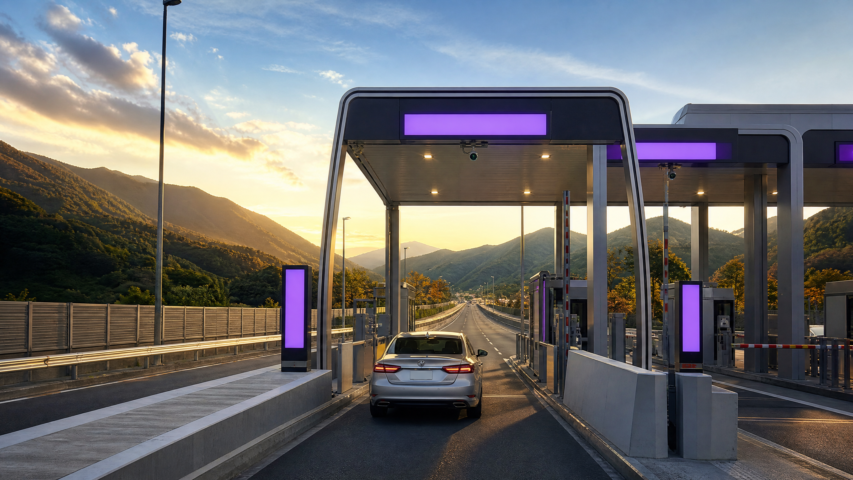
Approaching a toll plaza, look for lane signs in English: "ETC" lanes for electronic users, and "General" or "Manual" lanes for cash. ETC lanes are often marked with purple or green signs and may be labeled "ETC専用" (ETC only) or "ETC/一般" (ETC and general). If using ETC, slow down to the posted lane speed — the gate will register your device and open automatically.

  • If you accidentally enter an ETC-only lane without a card, stop and follow instructions on the intercom — do not try to reverse.
  • Keep receipts if you need to track toll expenses — machines usually print a slip when you pass.

Estimating Costs and Planning Routes

Toll costs can add up, especially for long distances on expressways. Use route planners and toll calculators (many official expressway sites offer English tools) to estimate costs before you drive. Some tips:

  • Combine expressways and local roads: Using local roads for short stretches can save money, but consider time and fatigue.
  • Look for ETC discounts: Night and weekend discounts are sometimes available via ETC.
  • Budget extra for bridges and tunnels: Special crossings often carry additional tolls.

Practical Tips for Tourists Renting Cars in Japan

Renting a car in Japan is straightforward, but a few practical tips make toll-road travel smoother:

  • Request an ETC card when you book. Most agencies, including Relax-RentACar, can provide an ETC unit and card for a small fee — this saves time and often money on tolls.
  • Carry enough Japanese yen in small bills and coins for cash tolls on rural roads.
  • Ensure your GPS supports English and has highway routing. Confirm the rental includes a car navigation system or use an up-to-date offline GPS app.
  • Familiarize yourself with left-side driving, signage, and speed limits before hitting the expressway.
  • Keep rental and insurance documents handy in case you need assistance at a toll plaza or rest stop.

Conclusion

Navigating Japanese toll roads becomes easy with a little preparation: rent an ETC card if you’ll use expressways often, carry some cash for rural tolls, and plan routes with toll estimates. With these tips, you’ll save time and enjoy smoother drives across Japan’s scenic highways. Ready to hit the road? Book your rental, ask about an ETC unit, and start planning your route today with Relax-RentACar for a hassle-free trip.

Rear view of a blue SUV on a multi-lane highway toward a toll gate, with Mount Fuji and green fields in the distance under a clear blue sky.

Snow driving in Japan: Safety tips for tourists

Driving in snowy regions of Japan is a rewarding way to see winter landscapes, but it requires preparation and respect for winter conditions. Whether you plan to explore Hokkaido, Tohoku, Nagano, or the Japan Alps, follow these practical tips to stay safe and enjoy the journey.

Before you go

  • Check your license: tourists must carry a valid International Driving Permit (IDP) or a recognized local license together with their passport.
  • Choose the right vehicle: rent a car equipped with winter tires (studded or high-quality snow tires) and consider all-wheel drive for heavy snow.
  • Add winter gear: request snow chains if you plan to drive mountain passes. Make sure staff show you how to fit them.
  • Plan routes: check road and weather conditions in advance via the Japan Road Traffic Information Center and local prefectural sites.
  • Packing and preparation

    Bring an emergency kit with:

  • Warm clothing, blankets, gloves, and a hat
  • Shovel, ice scraper, and traction mats
  • Fully charged phone and portable charger
  • Flashlight, extra food, and water
  • First aid kit and any medications
  • Leave a note or itinerary with your accommodation so someone knows your plans.

    On the road: safe driving techniques

  • Slow down: reduce speed well below the posted limit when roads are icy or covered in snow.
  • Increase following distance: allow at least double or triple the normal gap to other vehicles.
  • Avoid sudden inputs: brake, accelerate, and steer smoothly to reduce the risk of skidding.
  • Use low gears on descents: engine braking helps maintain control on slippery slopes.
  • Handle skids calmly: if you oversteer, gently steer into the skid and avoid heavy braking.
  • Use headlights: visibility can drop quickly in snow; keep lights on to be seen.
  • Special situations

  • Uphill starts: snow tires and momentum help; avoid spinning wheels.
  • Parking on ice: engage parking brake and use wheel chocks or turn wheels toward the curb.
  • Toll roads and snow restrictions: some routes close or require chains—follow signs and staff instructions.
  • Emergency steps

    If you get stuck, stay with the vehicle if safe. Call for help (110 for police, 119 for fire/ambulance) and contact your rental company. Use hazard lights and reflectors to increase visibility.

    Renting from a company that understands winter driving makes a big difference. Relax-RentACar provides winter-ready vehicles and advice so you can explore Japan’s winter wonderlands with confidence. Drive carefully and enjoy the snowy scenery!

    White car driving toward the camera on a snow-covered mountain road, headlights on, with snow-laden trees and a sign reading 'Sakamoto' in Japanese on the right.

    # Navigating Tokyo Traffic: Practical Tips for Tourists

    Tokyo is exciting, huge, and busy. Driving here gives you freedom to explore beyond train lines, but the city's traffic patterns, expressways, and parking rules can be unfamiliar to visitors. This guide from Relax-RentACar covers essential tips to help tourists drive confidently and safely in Tokyo.

    Before you drive

    - International driving permit (IDP): Most foreign visitors need an IDP based on the 1949 Geneva Convention plus your home country license and passport. Check current entry rules before traveling.
    - Choose the right rental: Request an English GPS, ETC card support for tolls, and options like automatic transmission and daytime/nighttime navigation assistance from Relax-RentACar.
    - Familiarize with left-hand driving, basic traffic signs, speed limits, and seat belt laws. Japan enforces strict drink-driving rules and heavy penalties.

    Key roads and routes

    - Shuto Expressway (首都高速): The inner loop (C1), Central Circular Route (C2), and Bayshore Route (Wangan) connect major districts. They are convenient but often have tolls and heavy peak congestion.
    - Avoid central Tokyo during peak hours: Morning rush 7:00–9:30 and evening 17:00–20:00. Weekends around popular attractions can also be busy.
    - Use ring roads and bypasses: For cross-city travel, ring routes and outer expressways reduce time compared with driving through the center.

    Toll roads and ETC

    - Most urban expressways and highways charge tolls. Using an ETC card makes payment automatic and faster; ask Relax-RentACar about ETC-equipped vehicles or renting an ETC card.
    - Toll rates vary by distance and road. Plan routes with estimated tolls using navigation apps.

    Parking tips

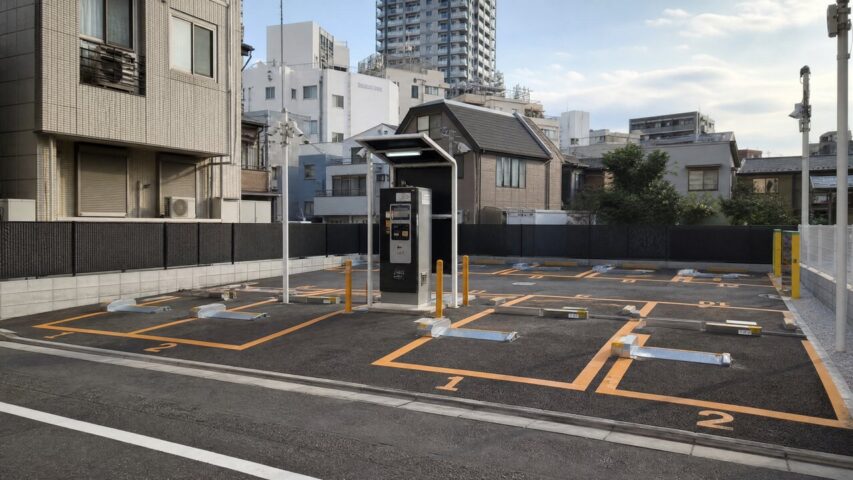
    - Look for coin parking and hourly garages: Short-stay coin parking lots (Times, Park24) are common. For longer stays or sightseeing, use hourly parking garages near stations.
    - Reserve ahead when possible: Apps like Times, akippa, and NAVITIME let you find and reserve parking spots, especially useful near major attractions.
    - Watch parking rules: Illegal parking leads to fines and towing. Always check opening hours and maximum height limits for parking garages.

    Navigation and apps

    - Use up-to-date navigation: Google Maps and NAVITIME are reliable in Tokyo. Set preferences for toll avoidance or fastest route depending on your plan.
    - Enable English voice guidance and lane guidance to help navigate complex junctions on the Shuto Expressway.

    Safety and etiquette

    - Observe speed limits: Typical urban limits are 40–60 km/h, expressways 80–100 km/h; signs indicate exact limits.
    - Yield to pedestrians and cyclists, especially in narrow streets and near train stations. Watch for one-way streets and small alleys.
    - Stay calm in congestion: Tokyo drivers are generally polite; avoid aggressive lane changes or honking.

    When to avoid driving

    - Central sightseeing: In areas like Shinjuku, Shibuya, and Ginza, public transport is often faster and cheaper than finding parking.
    - Festivals and major events: Road closures and spikes in traffic are common during holidays, cherry blossom season, and major festivals.

    Emergency numbers and support

    - Emergency: 110 for police, 119 for ambulance/fire.
    - Contact Relax-RentACar for roadside assistance, GPS troubleshooting, or local driving advice.

    Quick checklist before you go

    - Valid IDP, passport, and home license
    - Rental with English GPS and ETC support
    - App downloads: Google Maps, NAVITIME, Times/akippa
    - Payment methods: credit card and enough cash for small parking or tolls
    - Confirm drop-off locations and operating hours

    Driving in Tokyo can be a rewarding way to see the region beyond the train lines. With preparation, the right equipment, and local driving awareness, you can enjoy a smooth and memorable trip. Relax-RentACar is here to help with English support, ETC-equipped cars, and flexible rental options. Safe travels!

    Aerial night view of Tokyo with the illuminated Skytree and winding freeway ramps glowing red and white across the cityscape at dusk.