

How to Use Parking Lots in Japan: A Complete Guide for Tourists
Understanding Parking in Japan: What Every Driver Should Know
Driving through Japan's scenic countryside or exploring its vibrant cities by rental car is a rewarding experience. However, one aspect that often catches first-time visitors off guard is the parking system. Japan has a well-organized but uniquely structured parking culture, and understanding how it works will save you time, money, and frustration during your trip.
The Three Main Types of Parking Lots in Japan
Japanese parking facilities generally fall into three categories, each with its own payment method and operating procedure.
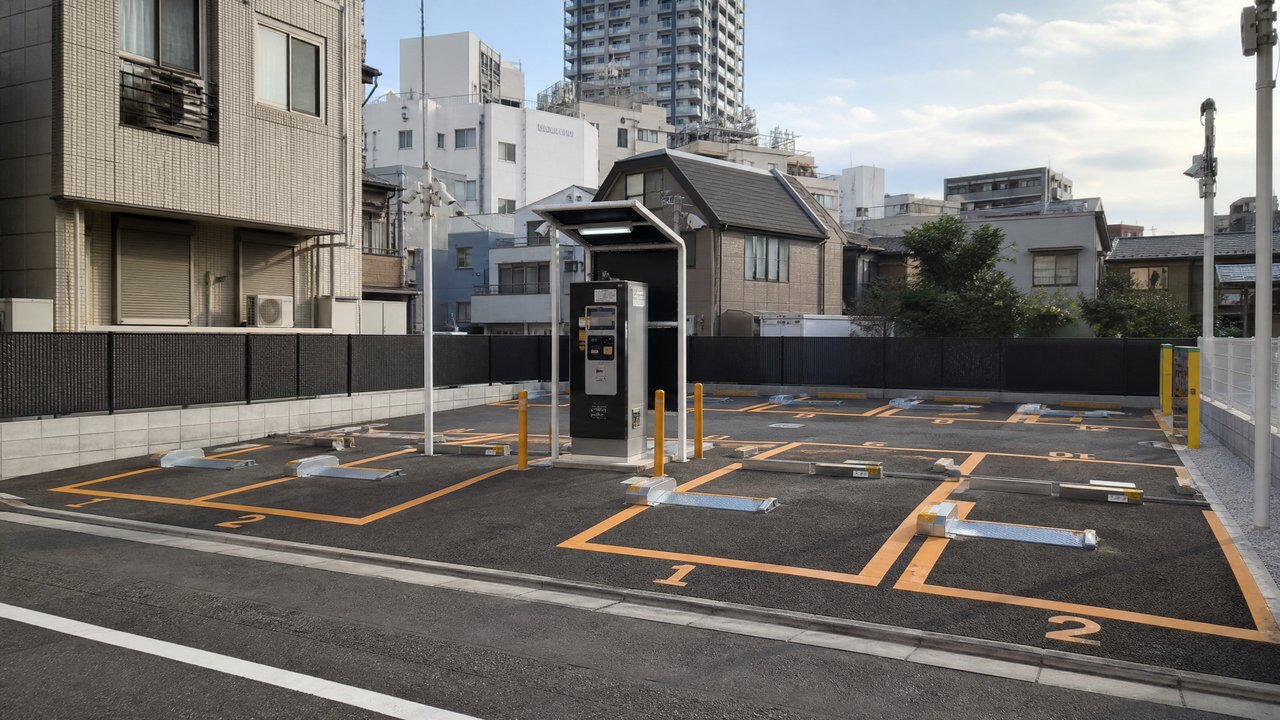
- Lock Plate (Flap-Lock) Coin Parking: This is the most common type found in urban areas. Each space has a metal plate embedded in the ground. After you park, the plate rises automatically within one to two minutes, securing your vehicle. When you are ready to leave, walk to the central payment machine, enter your space number, pay the displayed fee, and the plate will lower. Always confirm the plate is fully down before moving your car.
- Gated Parking Garages: Common at shopping malls, department stores, and large facilities. Take a ticket at the entrance gate, park your car, and pay at a kiosk before returning to your vehicle. Present your paid ticket at the exit gate to leave. Many commercial facilities offer discounted or free parking if you make a purchase — check at the service counter with your receipt.
- Prepaid Coin Parking: Found more often in suburban and tourist areas. Purchase a time-based ticket at the machine upon arrival, place it visibly on your dashboard, and drive out freely when your time is up. Camera-based variants automatically read your license plate; you pay before leaving by entering your plate number at the machine.
How to Read Japanese Parking Signs
Parking signs in Japan are detailed and informative once you know what to look for. The circled "P" symbol indicates a parking facility. Look for 最大料金 (saidai ryōkin), meaning the maximum daily charge — this cap can save you significant money if you plan to park for several hours. Rates often differ between daytime (typically 8:00–20:00) and nighttime hours. The kanji 空 (kū) means "available" and 満 (man) means "full."
Parking Fees: What to Expect
Parking costs vary considerably depending on location. In central Tokyo, Osaka, or Kyoto, expect to pay between ¥200 and ¥500 per 30 minutes during peak hours. Many lots set a daytime maximum of ¥1,500 to ¥2,500 and a cheaper overnight maximum. In suburban areas and smaller towns, rates are far more affordable, often around ¥100 per 30 minutes with a 24-hour cap of ¥1,000 to ¥1,500.
Payment Methods at Parking Machines
Most modern parking machines accept cash (¥100 and ¥500 coins, ¥1,000 notes), major credit cards (Visa and Mastercard are most widely supported), and IC cards such as Suica or Pasmo. Older machines or those in rural areas may only accept cash, so always carry some coins and ¥1,000 notes as a backup. Note that ¥5,000 and ¥10,000 bills are generally not accepted.
Parking Etiquette: Reverse Parking Is the Norm
One of the first things you will notice in Japan is that nearly all drivers reverse into parking spaces rather than pulling in nose-first. While not legally required in most situations, reverse parking is a deeply ingrained social norm. It is considered safer — providing a clearer view when exiting — and more considerate to other drivers in tight spaces. When renting a car in Japan, practicing your reverse parking before heading to busy areas is highly recommended.
Practical Tips for Parking in Japan
- Always photograph your parking space number with your smartphone before walking away.
- Pay the parking fee only when you are ready to leave immediately, as the lock plate may re-engage after a few minutes.
- Use apps such as NAVITIME or Google Maps to locate nearby parking lots and check real-time availability.
- During peak seasons such as Golden Week (late April to early May) and cherry blossom season (late March to early April), popular tourist spots fill up quickly — arrive early or use public transport for the final leg.
- If a machine displays only Japanese, look for an English button (英語) or use your phone's camera translation feature.
Parking Around Major Cities
In Tokyo, Kyoto, and Osaka, street parking is extremely limited and heavily regulated. Parking violations can result in fines and even towing. For city sightseeing, consider parking your rental car at a suburban train station and using the rail network to reach central areas — a strategy known as "Park and Ride." This approach is both economical and stress-free, letting you enjoy the city without worrying about finding a space.
With a clear understanding of Japan's parking systems, you can focus on enjoying the open road and the remarkable destinations that await. Happy driving!