日元

Blog

Why Rent a Car in Japan?

Japan is famous for its efficient public transportation, but renting a car opens up a whole new world of possibilities. From the scenic coastal roads of Hokkaido to the hidden mountain villages of Gifu, driving allows you to explore at your own pace and discover places off the beaten path.

Requirements for Driving in Japan

Before you hit the road, make sure you have the right documents. Tourists need an International Driving Permit (IDP) issued under the 1949 Geneva Convention. If your license is from countries like Switzerland, Germany, France, Taiwan, Belgium, or Monaco, you will need an official Japanese translation instead of an IDP.

Rules of the Road

  • Drive on the Left: Just like in the UK and Australia, traffic in Japan drives on the left side of the road.
  • Speed Limits: Generally, speed limits are 40 km/h in urban areas, 50-60 km/h on open roads, and 80-100 km/h on expressways.
  • No Right Turn on Red: Unlike some countries, you cannot turn on a red light in Japan.
  • Zero Tolerance for Alcohol: The legal blood alcohol limit for driving in Japan is effectively zero. Do not drink and drive.

Using Expressways

Japan's expressways are well-maintained but toll-heavy. Consider getting an ETC (Electronic Toll Collection) card with your rental car. It allows you to pass through toll gates smoothly without stopping to pay cash, and often provides discounted rates on weekends and holidays.

Parking Tips

Finding parking in big cities like Tokyo or Osaka can be challenging and expensive. Look for coin parking lots or pre-book parking if possible. In rural areas, parking is usually abundant and free.

Conclusion

Renting a car in Japan is a fantastic way to enhance your travel experience. With careful preparation and respect for local driving laws, you're set for an unforgettable Japanese road trip!

Mount Fuji rising behind a road lined with pink cherry blossoms at sunset, with a Lake Kawaguchiko sign nearby.

Exploring Japan by Car: The Ultimate Guide to Renting and Driving

Japan is famous for its efficient and extensive public transportation system, especially the Shinkansen (bullet trains). However, if you want to explore the hidden gems, picturesque countryside, and scenic coastal routes at your own pace, renting a car is the perfect choice. In this guide, we will walk you through everything you need to know about renting and driving a car in Japan.

Why Rent a Car in Japan?

While trains are great for traveling between major cities like Tokyo, Kyoto, and Osaka, they often don't reach remote areas. Renting a car gives you the freedom to visit off-the-beaten-path destinations such as the breathtaking landscapes of Hokkaido, the historic villages of Shirakawa-go, or the stunning beaches of Okinawa. You can set your own schedule, make spontaneous stops, and travel comfortably with your family and luggage.

Requirements for Renting a Car

Before you hit the road, ensure you have the necessary documents. Foreign visitors must have a valid International Driving Permit (IDP) issued under the 1949 Geneva Convention, along with their home country's driver's license and passport. Some countries, such as Switzerland, Germany, France, Taiwan, Belgium, and Monaco, require an official Japanese translation of their driver's license instead of an IDP. Always double-check the specific requirements based on your nationality before your trip.

Driving Rules and Etiquette

Driving in Japan is generally safe and organized, but there are some important rules to keep in mind:

  • Drive on the Left: In Japan, vehicles drive on the left side of the road, and the driver's seat is on the right side of the car.
  • Speed Limits: The typical speed limit is 40 km/h in urban areas, 50-60 km/h on open roads, and 80-100 km/h on expressways.
  • Zero Tolerance for Alcohol: Japan has strict laws against drinking and driving. Even a single drop of alcohol can lead to severe penalties.
  • Toll Roads: Many expressways in Japan are toll roads. It is highly recommended to rent an ETC (Electronic Toll Collection) card from your rental agency for seamless and discounted toll payments.

Recommended Road Trip Routes

Japan offers countless beautiful driving routes. Here are a few favorites:

  • Hokkaido: Explore the vast flower fields of Furano, the mystical Blue Pond in Biei, and the stunning national parks. Hokkaido is best explored by car due to its expansive size.
  • Mount Fuji and Five Lakes: Drive around the base of Japan's most iconic mountain, stopping at the picturesque lakes for breathtaking views and relaxing hot springs.
  • Okinawa: Rent a car to discover the beautiful beaches, historical sites, and vibrant culture of this tropical island paradise.

Renting a car in Japan opens up a world of possibilities for your travel adventure. With proper preparation and respect for local driving laws, you can enjoy a safe, memorable, and truly unique road trip experience. Book your rental car today and get ready to discover the beauty of Japan on your own terms!

White SUV on a winding road beside purple lavender fields, with a snow-capped mountain in the distance at sunset.

Why Choose Winter Self-Driving in Japan?

Japan in winter is truly magical, with snow-capped mountains, cozy hot springs, and picturesque towns. Renting a car and driving yourself allows the freedom to explore lesser-known scenic spots, enjoy local cuisine, and travel at your own pace.

Essential Tips for Renting and Driving in Japan During Winter

  • International Driving Permit (IDP): Always bring a valid IDP along with your domestic driver’s license.
  • Book in Advance: Winter is high season in many areas. Secure your rental car early to get the best vehicles and prices.
  • Choose Appropriate Vehicles: Opt for a 4WD or cars equipped with winter tires or snow chains, especially in heavy snowfall regions like Hokkaido or Nagano.
  • Understand Road Conditions: Winter roads can be slippery and challenging. Drive cautiously, reduce speed, and keep an eye on weather forecasts and traffic updates.
  • Navigation Systems: Rent cars with English GPS or use smartphone apps compatible with Japanese roads.
  • Parking and Toll Fees: Be prepared to pay tolls during your trip, and check parking availability in popular spots beforehand.

Recommended Winter Self-Driving Routes in Japan

  • Hokkaido Snow Adventure: Start from Sapporo, visit Otaru Canal, head to Niseko ski resorts and Lake Toya for stunning winter landscapes.
  • Nagano and the Japanese Alps: Explore the beautiful snow villages like Shirakawa-go, visit onsen towns such as Yudanaka and enjoy skiing in Hakuba.
  • Tohoku Winter Scenic Drive: Experience the mystical beauty of Hirosaki Castle’s snow scene, visit Zaō Onsen with its famous "ice monsters" (juhyo), and soak in natural hot springs.

Final Thoughts

Driving yourself through Japan in winter promises unforgettable experiences. With careful planning, a suitable vehicle, and cautious driving, you can safely enjoy Japan’s enchanting winter scenery at your own rhythm. Don’t forget to savor local food and unwind in hot springs along the way!

Essential Traffic Rules and Tips for Renting a Car in Japan

Renting a car in Japan opens great travel flexibility, especially outside major cities. To enjoy a safe and legal trip, know local traffic rules, driving etiquette, and rental requirements before you get behind the wheel.

  • Driver license requirements
    Bring your valid international driving permit (IDP) based on the 1949 Geneva Convention or an official translation if required. Check with your rental company which documents they accept.
  • Drive on the left
    Japan drives on the left. Practice lane keeping and roundabout entry. Pay attention when exiting parking lots and turning at intersections.
  • Speed limits
    Typical limits: 50 km/h in urban areas, 80 km/h on rural roads, 100 km/h on expressways. Observe posted signs and adjust for weather.
  • Seat belts and child seats
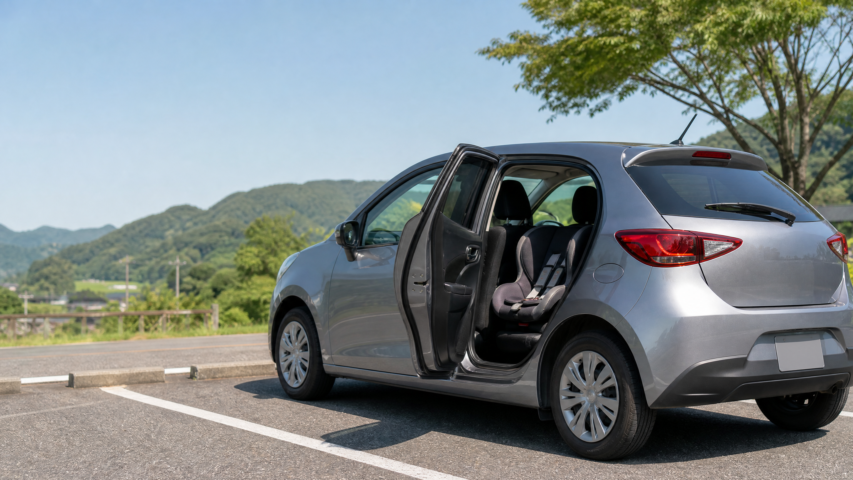
    Seat belts are compulsory for all passengers. Bring or rent approved child seats for young children.
  • No drinking and driving
    Japan has zero tolerance for drinking and driving. Penalties are strict for drivers and sometimes for passengers who encourage risk.
  • Use of mobile phones
    Holding a phone while driving is prohibited. Use hands free if needed and pull over safely to use navigation.
  • Parking rules
    Illegal parking can result in fines and towing. Use designated lots, pay attention to street signs, and note parking payment methods.
  • Toll roads and ETC
    Many expressways are tolled. Consider renting an ETC card from the agency for faster electronic payment.
  • Insurance and excess
    Confirm included insurance, collision damage waiver, and excess amounts. Consider adding supplemental coverage for peace of mind.
  • Road signs and markings
    Basic signs follow international shapes but might use Japanese text. Learn common symbols like stop, yield, and no entry.
  • Emergency procedures
    In case of accident, ensure safety, call 110 for police or 119 for ambulance/fire, and notify the rental company immediately.
  • Practical driving tips
    Plan routes in advance, allow extra time for mountain roads, keep cash or card for services, and respect local etiquette such as polite signaling and careful merging.

With preparation and respect for local laws, driving in Japan can be a rewarding way to discover regional attractions. Confirm rental details before departure and drive responsibly.

White SUV on a waterfront road with Mount Fuji snow peak in the distance and a blue highway sign overhead; cherry blossoms on the right.

Top 5 Scenic Drives in Hokkaido for Your Next Road Trip

Hokkaido, Japan’s northernmost island, is a paradise for road trip enthusiasts. With its vast open roads, breathtaking natural landscapes, and relatively light traffic compared to the rest of Japan, renting a car here offers an unparalleled sense of freedom. Whether you are chasing the vibrant colors of autumn leaves, the pristine white snowscapes of winter, or the blooming flower fields of summer, a road trip in Hokkaido is an unforgettable experience. Here are the top five scenic drives you must explore on your next visit.

1. The Patchwork Road in Biei

Located in the heart of Hokkaido, the town of Biei is famous for its rolling hills and picturesque landscapes. The Patchwork Road is not a single highway but a network of scenic country roads that wind through agricultural fields. During the summer months, these fields bloom with a variety of crops, creating a colorful patchwork quilt effect. Driving along this route, you will encounter famous landmarks such as the Ken and Mary Tree and the Seven Stars Tree. The gentle curves of the road and the expansive skies make this a truly relaxing and visually stunning drive.

2. The Shiretoko Pass

For those seeking a more rugged and wild experience, the Shiretoko Peninsula, a UNESCO World Heritage site, is the perfect destination. The Shiretoko Pass connects the towns of Utoro and Rausu, winding through dense forests and offering spectacular views of Mount Rausu. As you drive, keep an eye out for local wildlife, including Ezo red foxes and deer. At the peak of the pass, you can enjoy panoramic views of the Sea of Okhotsk and, on clear days, even spot the Kunashiri Island. Note that this road is closed during the winter due to heavy snowfall.

3. The Shakotan Peninsula Blue Coast

If coastal drives are more your style, the Shakotan Peninsula offers some of the most dramatic ocean views in Hokkaido. The route takes you along winding coastal roads with steep cliffs dropping into the crystal-clear waters known as "Shakotan Blue." Stop at Cape Kamui, where a short hike from the parking area rewards you with a breathtaking 360-degree view of the ocean. The drive is particularly beautiful in early summer when the sea is calm and the local sea urchin (uni) is in season, making it a perfect culinary road trip as well.

4. The Roller Coaster Road in Furano

Just a short drive from Biei is Furano, another region renowned for its scenic beauty. The Roller Coaster Road is a 2.5-kilometer straight stretch of road characterized by steep inclines and declines, giving drivers the thrilling sensation of being on a roller coaster. Surrounded by vast fields and with the Tokachi Mountain Range in the background, this drive is as scenic as it is fun. It is a fantastic spot for photography, capturing the essence of Hokkaido's vast agricultural landscape.

5. Lake Toya and Mount Yotei Circuit

This route offers a classic Hokkaido experience, combining a serene caldera lake with a majestic volcano. Start your drive around Lake Toya, enjoying the tranquil waters and the central Nakajima Island. From there, head towards Niseko, with the impressive Mount Yotei, often referred to as the "Mt. Fuji of Hokkaido," dominating the skyline. The roads here are wide and well-maintained, passing through charming farming villages and offering numerous spots to pull over and take in the magnificent views.

Tips for Driving in Hokkaido

When planning your road trip, remember that distances in Hokkaido are much larger than in the rest of Japan, so plan your itinerary with plenty of driving time. If you are visiting in winter, ensure your rental car is equipped with snow tires and four-wheel drive, and always check weather conditions before setting out. Renting a car in Hokkaido is straightforward, and most rental agencies offer GPS systems in multiple languages to help you navigate with ease. Enjoy the open road and the incredible beauty of Hokkaido!

Cars drive along a straight rural highway toward a snow‑capped mountain under a blue sky with scattered clouds.

Before You Go: Licenses, Insurance, and Booking

Driving in Japan is one of the best ways to unlock remote temples, coastal roads, and mountain passes that trains can’t reach. First things first: make sure you’re legally allowed to drive. Visitors from countries that are party to the 1949 Geneva Convention need an International Driving Permit (IDP) issued in your home country plus your valid national license. Citizens of a few countries (e.g., Switzerland, Germany, France) need an official Japanese translation of their license instead. Check your country’s rules well in advance.

Book with a reputable rental company—Nippon Rent-A-Car, Toyota Rent a Car, Times Car Rental, or major international brands—and compare coverage. Basic insurance is usually included, but Collision Damage Waiver (CDW) and additional liability coverage reduce your out-of-pocket risk. Consider roadside assistance and full-coverage options for peace of mind.

What to Bring and How to Pick a Car

Bring your passport, national driver’s license, IDP (or translation), and a credit card in the driver’s name. Most rental cars are automatic; manual cars are rare. Choose a compact car for narrow streets and cheaper parking, or an SUV if you plan mountain travel or winter routes. Request ETC (Electronic Toll Collection) card rental if you want a faster, cashless way to pay expressway tolls.

Essential Rules of the Road

  • Drive on the left. The driver sits on the right side.
  • Seat belts are mandatory for all passengers; child seats are required for young children.
  • Alcohol limits are effectively zero—don’t drink before driving.
  • Speed limits: typically 100 km/h on expressways, 50–60 km/h on major roads, and 30 km/h in residential areas unless signed otherwise.
  • Use indicators and follow road signage; many signs have English and pictograms, but expect some only in Japanese in rural areas.
  • Mobile phone use while driving is prohibited unless hands-free.

Tolls, Parking, and Fuel

Japan’s expressways are tolled. Using an ETC card speeds the process and offers the convenience of automatic billing. If you don’t rent an ETC card, collect a ticket at the entry gate and pay in cash or card at the exit. Parking can be paid by coin parking meters, pay booths, or parking apps. Expect higher parking fees in city centers; look for “P” signs and hourly rates.

Fuel stations are common in rural and urban areas, but many close early in smaller towns. Most cars use regular unleaded. Pay attention to diesel vs. gas markings and refill before entering long mountain stretches.

Practical Driving Tips

  • GPS and navigation: Many rentals include GPS with English settings; bring a Japanese SIM or portable Wi-Fi for Google Maps or navigation apps to complement it.
  • Rest stops: Service Areas (SA) and Parking Areas (PA) on expressways are clean, with restaurants, souvenir shops, and restrooms—excellent for long drives.
  • Drive defensively in rural areas where roads are narrow and visibility around curves is limited.
  • In winter, check for snow tires or chains when driving in Hokkaido or the Japanese Alps.
  • Keep a physical map or offline map—cell coverage can be spotty in remote regions.

Top Scenic Routes to Consider

  • Hokkaido: Sapporo to Furano and Biei for rolling hills and flower fields; the eastern Shiretoko Peninsula for wildlife and dramatic coastlines.
  • Tohoku: Oirase Stream and Lake Towada offer spectacular autumn colors; the coastal Sanriku drive has rugged cliffs and seafood towns.
  • Chubu & Hokuriku: Takayama to Shirakawa-go (UNESCO village) and the Tateyama Kurobe Alpine Route for mountain landscapes.
  • Kansai & Kii Peninsula: Osaka to Koyasan and around the Kumano Kodo pilgrimage trails for spiritual sites and coastal scenery.
  • Shimanami Kaido: A scenic island-hopping route across bridges between Honshu and Shikoku—great views and beaches.
  • Kyushu: Drive from Beppu to Mount Aso for geothermal wonders and volcanic landscapes; coastal routes in southern Kyushu are serene and uncrowded.
  • Okinawa: Rent a car for pristine beaches, local culture, and easy island exploration.

Final Checklist

  • Carry IDP or translated license and passport at all times.
  • Confirm insurance coverage and understand excess fees.
  • Rent an ETC card if you’ll use expressways frequently.
  • Plan routes with rest stops and fuel availability in mind.
  • Respect local traffic laws and drive courteously—Japanese roads reward patience.

With modest preparation and a spirit of adventure, renting a car in Japan opens up unforgettable landscapes, hidden onsens, and off-the-beaten-path towns. Enjoy the ride—safely and respectfully.

Snow-capped Mount Fuji rises behind a line of blooming cherry trees along a winding road with a silver car in the foreground at sunset.

Why Rent a Car in Japan?

While Japan boasts one of the most efficient public transportation systems in the world, renting a car offers an unparalleled sense of freedom. It allows you to explore off-the-beaten-path destinations, scenic countryside routes, and hidden gems that trains and buses simply cannot reach. Whether you are planning to cruise through the lavender fields of Hokkaido or navigate the coastal roads of Okinawa, a rental car is your key to a unique Japanese adventure.

Requirements for Renting a Car

Before you hit the road, ensure you have the necessary documentation. You will need a valid driver's license from your home country, a passport, and, crucially, an International Driving Permit (IDP). The IDP must be obtained in your home country before your arrival in Japan. Note that travelers from certain countries (like France, Germany, Switzerland, Italy, Belgium, and Taiwan) need an official Japanese translation of their license instead of an IDP.

Navigating the Roads

Driving in Japan is generally safe and orderly. Remember that traffic drives on the left side of the road, and the steering wheel is on the right side of the car. Speed limits are strictly enforced, typically ranging from 40 km/h in urban areas to 80-100 km/h on expressways. Road signs are usually bilingual (Japanese and English), making navigation easier for international visitors. Most rental cars come equipped with GPS navigation systems that can be set to English; simply input the phone number or map code of your destination.

Expressways and Tolls

Japan's expressways are well-maintained and efficient, but they come with toll fees. When renting a car, it is highly recommended to rent an ETC (Electronic Toll Collection) card. This card allows you to pass through toll gates seamlessly without stopping to pay with cash or credit card. The rental company will tally up your toll fees when you return the vehicle.

Parking in Japan

Finding parking in major cities like Tokyo or Osaka can be challenging and expensive. However, in rural areas, parking is generally abundant and often free. Look for coin parking lots, which are ubiquitous. Make sure you understand the pricing structure, as some lots have a maximum daily rate while others charge strictly by the hour.

Silver sedan driving along a winding coastal road at sunset, with pink cherry blossoms and sea cliffs in the background.

Renting a Car and Driving in Japan: Practical Tips for First-Timers

Driving in Japan can unlock remote temples, coastal roads and mountain villages that trains and buses miss. For travelers who love flexibility, renting a car is one of the best ways to explore beyond the major cities. Below are practical tips and cultural cues to help you rent confidently, drive safely and enjoy the journey.

Before You Go: Licenses, Insurance and Reservations

  • License requirements: Most visitors must carry an International Driving Permit (IDP) issued under the 1949 Geneva Convention, issued before you depart your home country. Some countries also accept a certified Japanese translation of the domestic license—check current rules with your embassy or rental company.
  • Age and documents: Rental companies usually require drivers to be at least 18–21 years old, a valid passport, a credit card for the deposit, and the IDP plus your home license.
  • Insurance and waivers: Basic insurance is included, but consider purchasing a Collision Damage Waiver (CDW) or supplemental coverage to reduce your out-of-pocket liability. Read the policy carefully for excess amounts and exclusions.
  • Reserve in advance: Japan’s peak travel seasons (cherry blossom, Golden Week, Obon, autumn foliage) sell out quickly. Reserve a car and any child seats or ETC toll devices in advance.

Choosing a Car and Add-Ons

  • Size matters: Narrow streets and compact parking in cities favor small cars or kei cars. If you’re traveling on mountainous roads or with a lot of luggage, opt for something a bit larger.
  • Automatic transmissions are standard—manuals are rare in rental fleets.
  • Navigation: Ask for an English-friendly GPS or confirm the in-car nav supports Romanized place names. Many travelers use smartphone apps, but an in-car GPS helps in rural areas with limited signal.
  • ETC card: Electronic Toll Collection (ETC) cards make toll roads faster. Renters can usually add an ETC device for a small fee and pay tolls conveniently.

On the Road: Rules and Driving Culture

  • Drive on the left: Japan drives on the left-hand side. This affects roundabouts, turns and lane positioning—take time to orient yourself before hitting faster roads.
  • Speed limits: Typical limits are 100 km/h on expressways and 40–60 km/h on regular roads, but signs vary—always follow posted limits.
  • Seat belts and children: Seat belts are mandatory for all passengers. Child seats are required for young children—bring or rent one.
  • No drinking and driving: Japan enforces strict DUI laws. Penalties are severe for drivers and even passengers who aided the driver—don’t take the risk.
  • Politeness and flow: Japanese driving emphasizes courtesy. Use your indicators, avoid aggressive maneuvers and don’t honk needlessly. When meeting narrow stretches, use designated passing spots or let the car with more room go first.

Practical Tips: Toll Roads, Parking and Fuel

  • Toll roads: Expressways save time but cost money. ETC is convenient; otherwise, pay cash or card at toll booths.
  • Parking: City parking is expensive. Look for coin-operated lots and don’t park illegally—fines and towing are common. Many tourist spots have paid lots or municipal parking.
  • Rest areas: Service areas (SA) and parking areas (PA) on highways are excellent for snacks, clean restrooms and local specialties—use them to break long drives.
  • Fuel: Most stations accept credit cards; self-service is common. Note fuel types and fill up in rural areas where stations are sparse.

Weather, Roads and Safety

  • Winter conditions: In snowy regions, request winter tires or chains. Mountain roads can be treacherous in winter.
  • Narrow roads and tunnels: In rural areas expect tight two-way roads. Slow down and use pull-outs to let others pass.
  • Emergencies: Keep your rental company’s emergency number handy. Have offline maps and a local SIM or portable Wi-Fi for communication.

Final Notes

Renting a car in Japan opens up hidden corners that public transit can’t reach. With the right preparation—valid documentation, proper insurance, an understanding of local rules and a respectful mindset—you’ll find driving here to be a rewarding and efficient way to explore. Take it slow, enjoy the scenery, and stop at those roadside gems you’d otherwise miss.

Safe travels and happy driving!

Car travels along a curved road bordered by blooming cherry trees with Mount Fuji in the background under a blue sky.

The Ultimate Guide to Renting a Car in Japan

Renting a car in Japan opens up a world beyond trains and buses — remote coastlines, mountain passes, and rural towns that reward slow travel. This guide covers what you need to rent, driving rules, practical tips, and some of the best driving routes so you can plan a safe, smooth road trip.

Before You Rent

  • License requirements: Most visitors need an International Driving Permit (IDP) based on the 1949 Geneva Convention plus your home-country driving license. Regulations vary by country — check with your local motoring authority or the rental company well before departure.
  • Reservations: Reserve early in high season (cherry blossom, Golden Week, autumn). If you need an English GPS or an ETC (electronic toll) card, request it at booking.
  • Insurance: Standard rental insurance usually includes basic liability; consider adding Collision Damage Waiver (CDW) and roadside assistance. Confirm excess amounts and what your credit card covers.
  • Winter driving: If you travel in snow-prone areas (Hokkaido, Tohoku, Japanese Alps), rent winter tires or chains. Some areas require snow tires by law in winters.

Key Driving Rules & Etiquette

  • Drive on the left: Japan drives on the left-hand side. Familiarize yourself with roundabouts, junctions, and lane layout before leaving the lot.
  • Seatbelts & child seats: Seatbelts are mandatory for all passengers. Child seats are required for young children; rental companies can supply them.
  • Speed limits: Typical limits are 40–50 km/h in cities, 50–60 km/h on rural roads, and 80–100 km/h on expressways. Always obey posted signs.
  • Zero tolerance for drink-driving: Japan enforces strict rules — don’t drive after drinking.
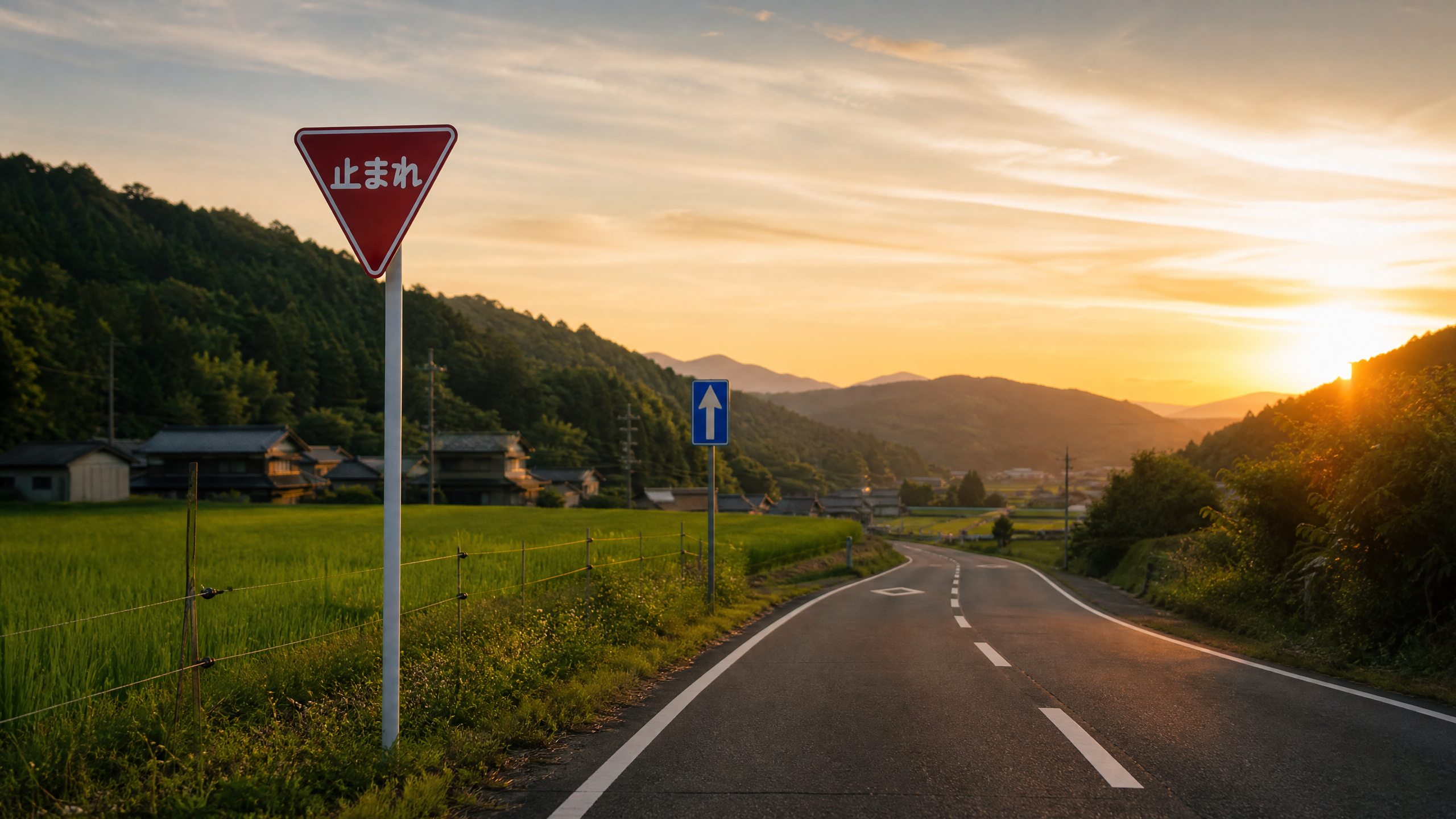
  • Stop signs and signals: The red inverted triangle is a full stop. Respect pedestrians and cyclists; many streets are narrow.

Money, Tolls & Parking

Japan’s expressways use tolls. The ETC card (electronic toll collection) lets you use dedicated lanes and often provides discounts; you can rent an ETC card with the car. Pay close attention to parking — coin lots, hourly parking, and parking garages are common in towns. In rural areas, parking may be free at roadside rest stops (Michi-no-Eki).

Navigation & Communication

English-language GPS is common with rental cars, but Japanese addresses can be tricky. Use Google Maps or a navigation app and input landmark names when possible. Many rental counters offer support in English; also keep the rental company’s emergency number and your insurance documents handy.

Safety & Assistance

  • Emergency numbers: 110 for police, 119 for fire/ambulance. For breakdowns, contact your rental company first; Japan Automobile Federation (JAF) offers roadside assistance nationwide.
  • Fuel: Most stations are full-service; diesel and regular gasoline are available. Fuel is priced per liter — refill before remote stretches.

Best Driving Routes

  • Hokkaido Scenic Loop: Sapporo → Furano/Biei → Daisetsuzan → Shiretoko for vast landscapes and seasonal flowers.
  • Tohoku & Sanriku Coast: Aomori → Hirosaki → Lake Towada → coastal drives with fewer crowds and great seafood.
  • Hokuriku & Noto Peninsula: Kanazawa → Noto’s rugged coastline and rural towns.
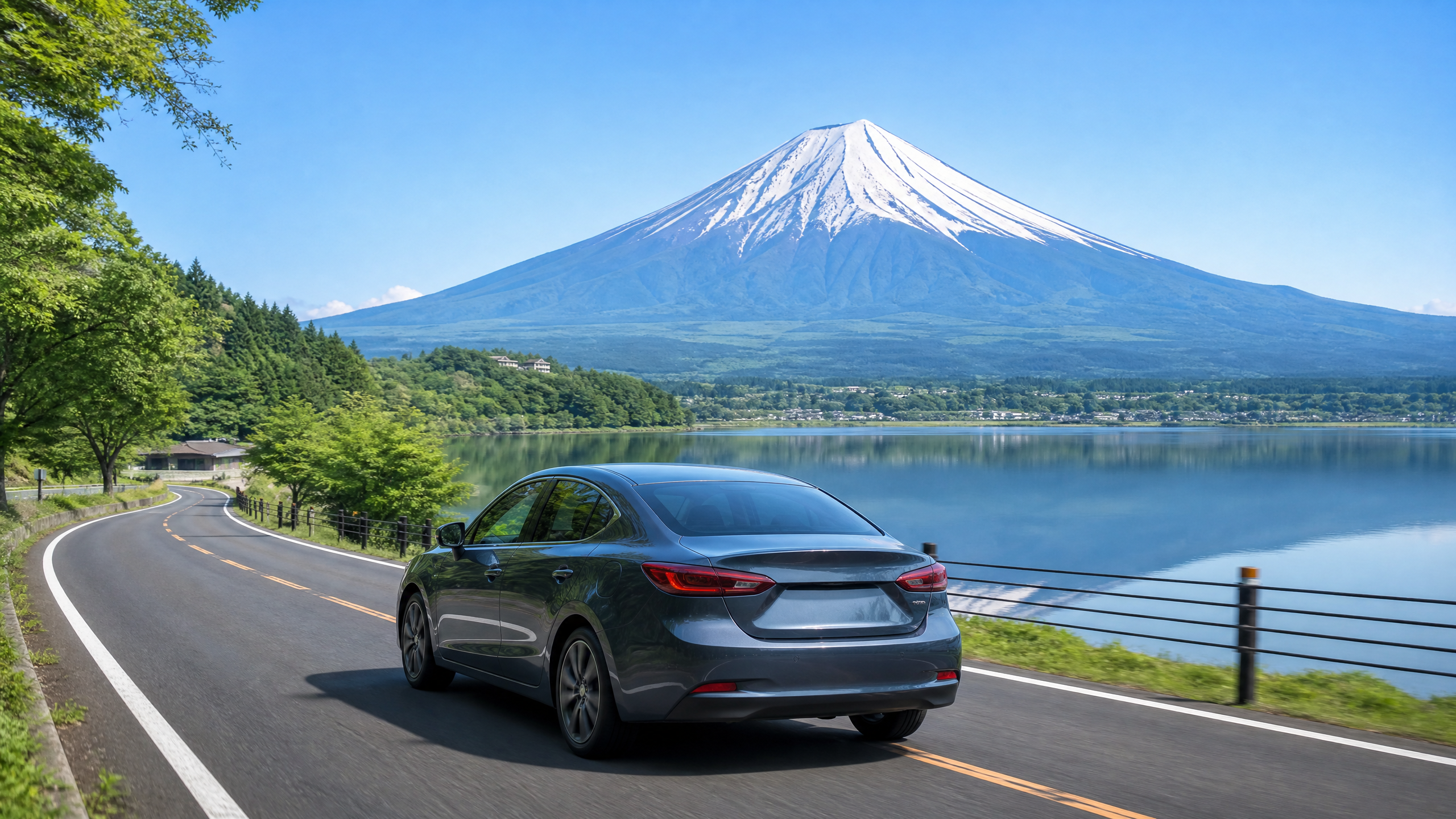
  • Fuji & Five Lakes / Hakone: Easy access from Tokyo for views of Mt. Fuji and hot-spring towns.
  • Shikoku & Kii Peninsula: Temple routes, coastal roads and the Kumano Kodo pilgrimage trails.
  • Okinawa Island: Best explored by car — beaches, caves, and local culture at your own pace.

Final Tips

Plan fuel stops in rural areas, keep documents accessible, and allow extra time for narrow roads and sightseeing. Renting a car in Japan rewards planners with access to hidden gems — take it slow, respect local rules, and enjoy the scenery.

Fall foliage frames a winding road with a snow-capped Mt. Fuji in the distance.