

A Low-Stress Kamakura and Enoshima Drive from Tokyo
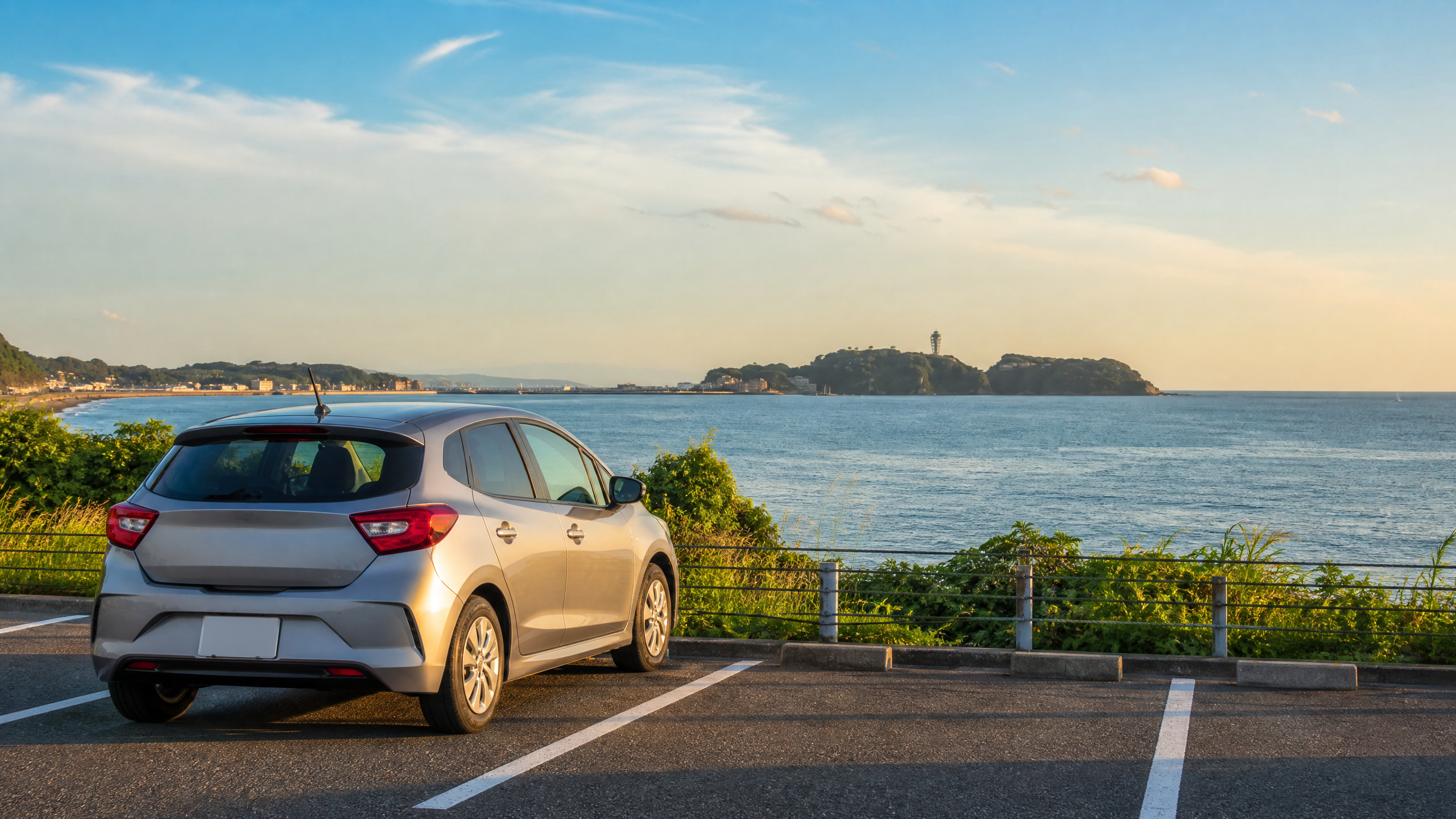
A rental car makes it easy to connect Tokyo, Kamakura and Enoshima in one flexible coastal day. It is not, however, a route to treat as a race. Historic streets, beach traffic and popular parking areas can turn a simple plan into a tiring one when the car becomes the centre of the day. A calmer approach is to use the car for the long approach, choose legal parking before arriving at a busy sight, and enjoy the compact sightseeing areas on foot.
Set a simple order for the day
Start with one main Kamakura stop, then continue along the Shonan coast toward Enoshima. Rather than programming every attraction into the navigation system, set the first parking area as the first destination and keep the rest of the day flexible. This reduces last-minute turns on unfamiliar streets and leaves room for a café break, a beach walk or a longer temple visit.
For a practical flow, use the morning for Kamakura, take the coastal section at an unhurried pace, and make Enoshima the later stop. The key is not the order itself but the decision to stop driving once you have reached a lawful parking place. Kamakura City promotes parking-and-public-transport options to help reduce congestion around concentrated sightseeing areas, so consider walking or using transport that is available on the day after you park.
Make parking your first decision
Do not wait until you are beside a famous gate, beach entrance or island bridge to look for a space. Check official parking information on the morning of travel, save one or two alternatives, and agree with your passengers on what to do if the first option is full. The Fujisawa Tourism Association notes that its Enoshima island car park can become full and asks drivers not to queue while waiting for spaces. That is a useful reminder to keep traffic moving and move calmly to the next legal option.
- Choose a parking area before starting the final approach.
- Keep payment, the vehicle key and your parking location easy to find.
- Read the signs at the entrance instead of relying on an old online price or time limit.
- Once parked, combine nearby sights on foot rather than relocating the car for every stop.
A parking-first plan also makes it easier to respect local streets. Avoid stopping “for just a minute” in a narrow lane or in front of an entrance. If a location has no legal space, continue to the next option; a short extra walk is safer and usually less stressful than circling.
Drive the coastal section with margin
The road between Kamakura and Enoshima is part of the experience, but it demands attention. Keep your navigation audible and glance at it only when stopped safely. Japan’s Automobile Federation explains that drivers keep left, must yield to pedestrians, and must not use a phone or be distracted by car navigation while driving. In coastal visitor areas, people may step into crossings slowly, groups may pause near viewpoints, and cyclists can appear alongside traffic. Leave space, lower your speed when conditions call for it, and follow the posted limits rather than trying to maintain a schedule.
Before departure, make sure every occupant wears a seat belt. This includes rear-seat passengers; the National Police Agency states that seat belts are required in all seats. If children are travelling, confirm the appropriate child-seat arrangement with the rental provider before you leave, rather than improvising during the drive.
Use a late-summer weather check
For an August or early-autumn visit, check the official forecast and warnings again on the morning of travel. Kanagawa’s tourism guidance identifies July through October as typhoon season, with a peak in August and September. This does not mean every coastal day will be disrupted, but rain, strong wind or changing conditions can make a scenic plan unsuitable. If warnings or heavy weather are expected, shorten the route, skip exposed waterfront stops and follow local instructions.
Bring water, charge your phone before driving, and keep the plan light enough to change. The best version of this day is not the one with the most pins on a map. It is the one in which you park legally, walk comfortably, respect pedestrians and return the car without a rushed final hour.
Useful official sources
- Fujisawa Tourism Association: Enoshima parking information
- Kamakura City: Park & Ride
- Japan Automobile Federation: Traffic rules
- National Police Agency: Seat belts in all seats