

Japan Rental Car Pickup Checklist: 10 Minutes Before You Drive
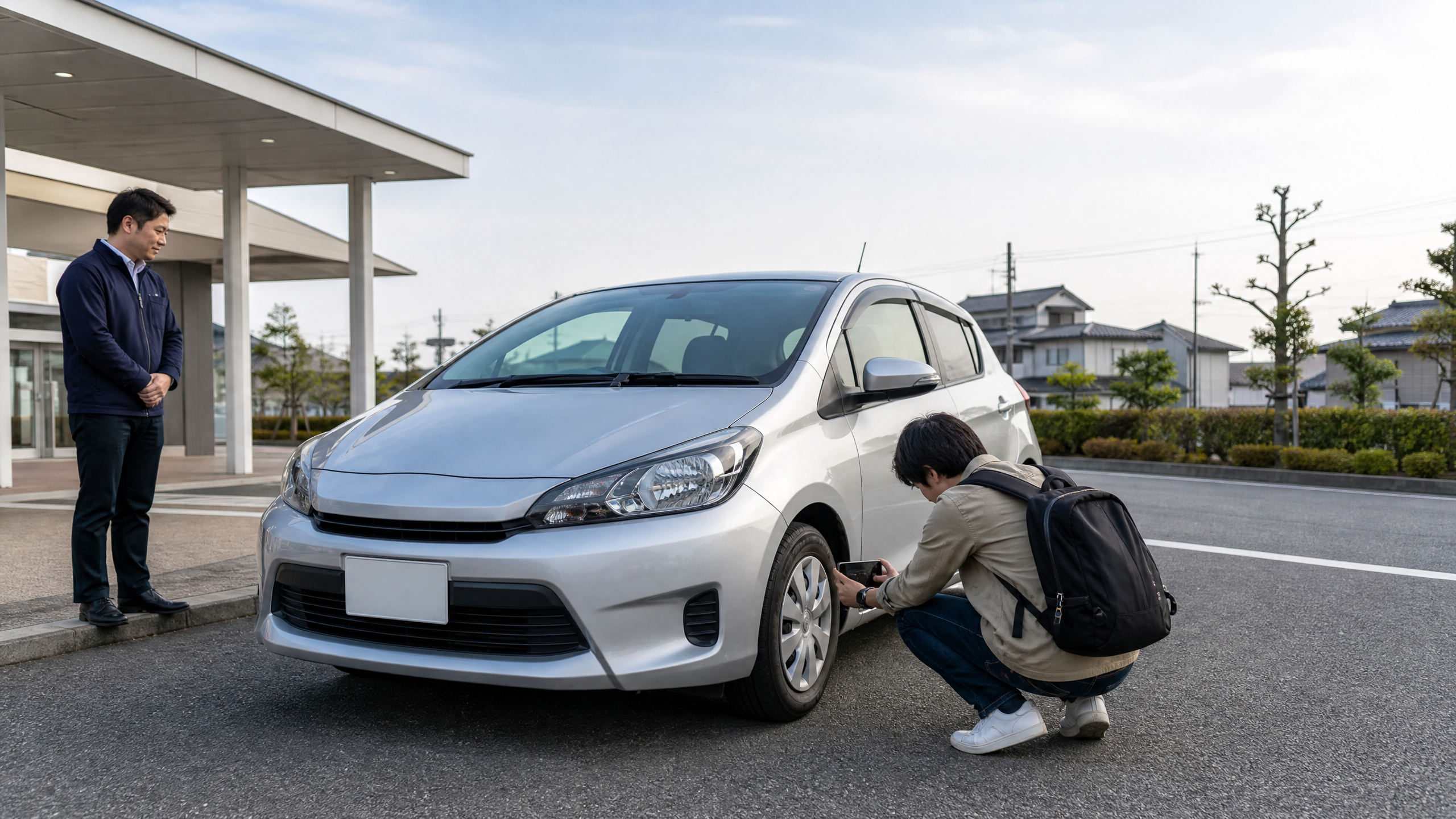
Picking up a rental car is exciting, but the first few minutes can shape the rest of your road trip. Before you leave the rental location, pause for a short, methodical check. It helps you document the car’s condition, understand the controls, and start calmly rather than learning essential functions in traffic. This checklist is designed for visitors driving in Japan for the first time or returning after a long flight.
1. Confirm the agreement before the keys leave the counter
Read the pickup details while staff are available to answer questions. Confirm the named driver, return location and time, fuel-return requirement, included equipment, and the contact method shown in your rental documents. If a term is unclear, ask for an explanation before departing. Keep the agreement and emergency contact details where the driver can reach them without searching through luggage.
2. Walk around the car with a staff member
Japan National Tourism Organization recommends checking scratches and dents with staff before driving away. Walk slowly around the vehicle and look at the bumpers, wheels, mirrors, windscreen, roofline, and door edges. Make sure pre-existing marks are recorded according to the company’s process. If the rental company permits photos, take clear, time-stamped images of any existing damage and the vehicle’s general condition. The goal is not to find fault; it is to ensure that you and the company share the same starting record.
3. Set up your driving position while parked
Adjust the seat, steering wheel if adjustable, and all mirrors before moving. Toyota Rent a Car likewise advises renters to adjust the seat and mirrors before departure. Fasten the driver’s seatbelt and confirm that every passenger is buckled in. In Japan, JAF states that drivers and all passengers must wear seatbelts. A few seconds spent here can reduce distractions at the first junction, where an unfamiliar vehicle and left-side traffic may demand your full attention.
4. Learn the essential controls without moving
Ask the staff to point out the gear selector, parking brake, fuel-door release, hazard lights, headlight switch, windscreen wipers, demister, and navigation controls. Check which fuel type the vehicle requires, but do not guess from vehicle size or appearance. If the navigation system is unfamiliar, enter the first destination while parked and ask how to change language settings if they are available. JAF cautions that drivers must not use a mobile phone or be distracted by car navigation while driving, so finish this setup before you join the road.
5. Prepare the first ten minutes of the route
Choose a simple first destination, such as your accommodation, a nearby service area, or a safe place to stop and review the route. Check the planned exit from the rental location, especially if it joins a busy road. Put the phone away after setting navigation, and let a passenger handle route changes when possible. If you need to adjust anything, stop legally and safely first; do not try to solve a navigation problem while rolling.
6. Make one final outside-and-inside check
- Look around the vehicle for pedestrians, bicycles, bollards, and low obstacles.
- Confirm doors, boot, and fuel flap are closed, and loose luggage is secure.
- Check mirrors again and locate the hazard-light button.
- Keep your rental documents and the company’s contact details accessible.
Then move off slowly and give yourself time to settle into the vehicle. This short routine does not replace the rental agreement or local rules, but it makes the first drive more predictable. For additional official guidance, see JNTO’s rental-car advice, Toyota Rent a Car’s pickup guide, and JAF’s driving rules.