日元

Blog

Top 5 Scenic Drives in Japan for First-Time Renters

Driving in Japan for the first time is an exciting way to see landscapes that trains and buses can’t reach. These five routes combine dramatic views, easy-to-follow roads, and rental-friendly facilities so first-time renters can enjoy the country’s coastal cliffs, mountain passes, island bridges, and flower fields with confidence.

1. Hakone Skyline and Lake Ashi Loop (Kanagawa)

Distance: 40–80 km depending on chosen loop. Time: half-day to full day.

  • Highlights: Panoramic views of Mount Fuji, winding mountain roads, hot spring towns, and the serene Lake Ashi.
  • Why it’s good for first-timers: Short distances, frequent parking, and tourist-friendly signage in English and Japanese.
  • Must-stops: Hakone Open-Air Museum, Owakudani valley, Lake Ashi pirate-ship cruise and Motohakone shrine.

2. Izu Peninsula Coastal Drive (Shizuoka)

Distance: 120–200 km depending on route. Time: full day or two.

  • Highlights: Rugged coastlines, surfing beaches, citrus orchards and scenic seaside cliffs along Routes 135 and 136.
  • Why it’s good for first-timers: Mostly two-lane roads with many rest stops and seaside cafes. Rental shops are available in Atami and Ito.
  • Must-stops: Kawazu Seven Falls, Jogasaki Coast, Shuzenji’s bamboo-lined streets and coastal viewpoints.

3. Shimanami Kaido (Hiroshima to Ehime)

Distance: about 70 km. Time: half-day to full day (longer if bicycling stops are added).

  • Highlights: A series of bridges linking small islands across the Seto Inland Sea, offering blue-water vistas and charming island towns.
  • Why it’s good for first-timers: Well-marked route with dedicated lanes for bikes and cars; lots of parking and viewpoints.
  • Must-stops: Kurushima-Kaikyo Bridge observatory, Oyamazumi Shrine on Omishima, and local seafood kitchens.

4. Noto Peninsula Coastal Route & Chirihama Driveway (Ishikawa)

Distance: 200–300 km for a full loop. Time: full day to two days.

  • Highlights: Wild coastal scenery, rural fishing villages, terraced rice fields and the unique Chirihama Driveway where you can literally drive on compacted sand.
  • Why it’s good for first-timers: Quiet roads with low traffic and authentic local stops. Be mindful of tides and road condition when using the sandy driveway.
  • Must-stops: Wajima Morning Market, Senmaida rice terraces, Chirihama Beach Driveway.

5. Furano–Biei Panorama Road (Hokkaido)

Distance: 60–100 km in the furano-biei area. Time: half-day to full day.

  • Highlights: Rolling fields of lavender (seasonal), patchwork farmlands, soft rolling hills and wide-open skies that make for postcard-perfect panoramas.
  • Why it’s good for first-timers: Wide, relaxed roads and excellent viewpoints with parking. Perfect for leisure driving and photo stops.
  • Must-stops: Shikisai-no-oka, Patchwork Road viewpoints, Farm Tomita for lavender season.

Practical Tips for First-Time Renters

  • Drive on the left: Japan drives on the left; practice in a low-traffic area if you’re unfamiliar.
  • Rent with ETC and GPS: Get an ETC card for tolls and a GPS that supports English to simplify routes and payments.
  • Insurance and documentation: Bring your international driving permit, passport, and confirm insurance coverage with the rental agency.
  • Fuel, tolls, and parking: Fuel stations can be scarce in rural areas; plan refueling. Many scenic spots have paid parking—carry cash or a credit card.
  • Seasonal planning: Winter requires snow tires or chains in Hokkaido and mountainous regions. Summer can be busy—book rentals and accommodations early.
  • Respect local rules: Observe speed limits, don’t use phones while driving, and be courteous in small towns where street parking is limited.

These five drives offer a mix of mountain panoramas, coastal drama, island hopping, and rural tranquility that suit first-time renters. Plan your route, leave room for spontaneous stops, and enjoy one of the best ways to experience Japan at your own pace.

Sunset over Mount Fuji with a snow-capped peak, pink cherry blossoms along a winding road, and a car in the foreground.

Why drive in Japan?

Japan’s trains are legendary, but a rental car unlocks places timetables can’t touch: flower-carpeted hills in Hokkaido, crater rims in Kyushu, and coastal switchbacks that spill into turquoise bays. With modern highways, excellent signage, and ultra-reliable rentals, self-driving is both practical and wildly rewarding—especially for families, photographers, and anyone craving slow-travel freedom.

What you need to rent and drive

  • License and IDP: Most visitors need an International Driving Permit (IDP) under the 1949 Geneva Convention plus your home license. IDPs under the 1968 Vienna Convention are not accepted.
  • Countries using translations: Drivers from Germany, France, Switzerland, Belgium, Monaco, and Taiwan typically use their domestic license with an official Japanese translation (from JAF or their embassy), not an IDP.
  • Validity: You can drive for up to one year from your most recent entry to Japan (while your license/IDP remain valid). Long-term residents must obtain a Japanese license.
  • Age and payment: Legal driving age is 18; many companies rent from 20–21. A credit card and passport are usually required.
  • Child seats: Required for children under 6. Reserve in advance.
  • Winter gear: In snowy regions (Hokkaido, Tohoku, Nagano), reserve studless tires or chains.

Rules and reciprocity can change. Confirm details with your rental company and the Japan Automobile Federation (JAF) before you go.

Booking and pickup tips

  • Choose the right size: Streets and parking spots are narrow. Compact cars are stress-savers in cities; wagons or minivans work best for ski trips or family luggage.
  • Automatic transmission: Almost all rentals are automatic—ideal for left-side driving.
  • Navigation: Request English GPS or use smartphone navigation. Download offline maps for rural zones.
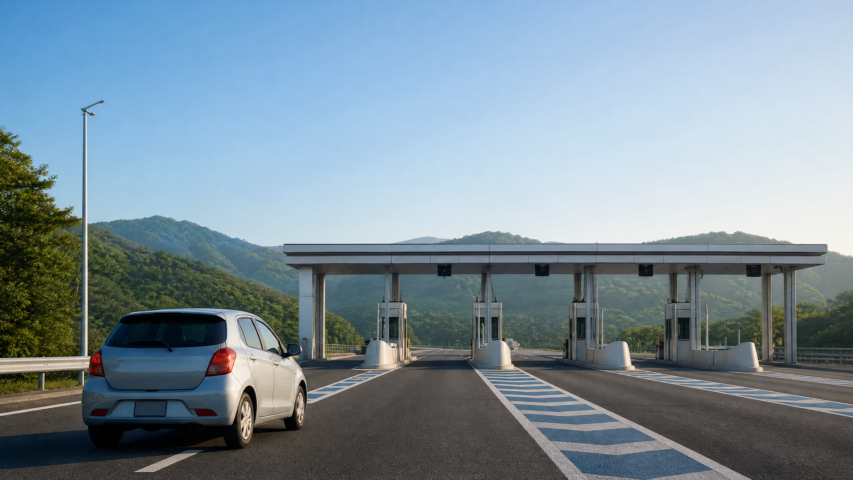
  • ETC tolls: Ask for an ETC-enabled car and a rental ETC card. You’ll breeze through toll booths and pay afterward in one go.
  • Airport pickup, city drop: Open-jaw rentals (e.g., Sapporo to Hakodate) are common; a one-way fee may apply but often saves hours.
  • Fuel policy: Return full. Japan’s common grades are Regular (レギュラー) and High Octane (ハイオク).

On-the-road essentials

  • Left-side driving: Keep left; overtake on the right. No general turn on red unless a green arrow permits.
  • Speed limits: Urban roads 40–60 km/h; expressways 80–100 km/h (some sections up to 120). Cameras are common.
  • Stop signs: The red triangular sign reads “止まれ” (tomare). Fully stop, then go.
  • Parking: Use coin lots or hotel parking. Illegal street parking is strictly enforced.
  • Service areas: Expressway SAs and PAs have spotless bathrooms, food courts, bakeries, and souvenir stalls—perfect for breaks.
  • Etiquette: A quick hazard-flash says “thanks.” Be patient on narrow mountain roads and yield to buses in tourist areas.
  • Wildlife and weather: Watch for deer in Hokkaido and fog on highland routes. In winter, check closures and carry warm layers.

Five unforgettable scenic drives

1) Hokkaido’s Niseko Panorama Line and Shakotan Blue

Curve through birch forests and rolling farms on the Niseko Panorama Line, then follow the Shakotan Peninsula where sea cliffs plunge into electric-blue coves. Summer brings wildflowers; autumn glows with larch. Great seafood stops pepper the coast.

2) Venus Line, Nagano

This highland ribbon skims above 1,500 m across the Yatsugatake foothills. Expect sweeping meadows, grazing dairy cows, and jaw-dropping views of the Japanese Alps. Sunrise and sunset transform the ridgelines into molten gold.

3) Bandai-Azuma Skyline, Fukushima

A volcano-sculpted road crossing surreal terrain: fumaroles, crater lakes, and pumice fields. It’s usually closed in deep winter; in spring, snow corridors loom over your hood, while fall foliage is spectacular.

4) Nikko Irohazaka, Tochigi

Two one-way roads coil up and down the mountains like dragon tails, counting 48 hairpins named for the Japanese syllabary. Pair it with Lake Chuzenji and Kegon Falls for a classic day of shrines and scenery.

5) Yamanami Highway and Aso Milk Road, Kyushu

Roll from steaming onsen towns in Oita into the vast caldera of Aso. Grasslands ripple in the wind; on clear days you’ll trace the rim of ancient volcanoes. Pack a picnic and linger at panoramic lay-bys.

Cost, safety, and smart savings

  • Costs: Compact cars start around ¥6,000–¥9,000/day; add for one-way fees, insurance, ETC tolls, and child seats.
  • Insurance: Choose full coverage to reduce liability. Confirm glass and tire protection if heading onto gravel viewpoints.
  • Timing: Leave earlier than trains and tour buses to enjoy popular roads with lighter traffic.
  • Plan B: Mountain routes may close due to weather. Save an alternate route in your GPS.

Renting a car in Japan is the ultimate freedom pass to onsen villages, sky-high plateaus, and coastlines where the map runs out. Pack curiosity, drive kindly, and take the scenic detour—you’ll talk about these roads for years.

Sunset over Mount Fuji with blooming cherry blossoms along a winding mountain road and a car driving away from the viewer

Why Rent a Car in Japan?

Renting a car in Japan offers travelers the freedom to explore beyond the limits of public transportation. From remote countryside villages to majestic mountain roads, driving allows you to experience Japan at your own pace.

Requirements for Renting a Car

To rent a car in Japan, you'll need:

  • A valid driver's license. International visitors must carry an International Driving Permit (IDP) based on the 1949 Geneva Convention, or a driving license from certain countries with a Japanese translation.
  • A passport for identification.
  • An international credit card for booking and deposits.

Driving Rules and Tips

Driving in Japan comes with unique rules worth knowing:

  • Left-side driving: Japan drives on the left side of the road.
  • Speed limits: Typically 40-60 km/h in cities, 80 km/h on rural roads, and up to 100 km/h on expressways.
  • Seat belts: Mandatory for all passengers.
  • Use of lights: Headlights are generally required during rainy or foggy conditions, and between sunset and sunrise.
  • No mobile phones: Using a phone without hands-free equipment while driving is illegal.

Familiarize Yourself with Road Signs

Road signs in Japan mostly use international symbols, but some include Japanese text. Key signs to remember are stop signs (a red inverted triangle) and yield signs.

Navigation and Parking

GPS rental cars often include English options. Apps like Google Maps and Japan-specific ones such as NaviTime can be invaluable. Parking can be expensive in city centers, so look for designated parking lots and avoid illegal parking to prevent fines.

Fuel and Toll Roads

Gas stations are widely available, with self-service options common. Many highways require toll payments, which can be paid manually or via an ETC (Electronic Toll Collection) card often provided with rental cars.

Benefits of Renting a Car

  • Flexibility in itinerary planning
  • Access to less touristy, scenic spots
  • Comfort traveling with family or groups

Final Tips

Always carry your license and rental agreement while driving. Plan routes ahead, stay alert, and enjoy the breathtaking landscapes and unique experiences that Japan offers through driving.

White car on a winding road flanked by pink cherry blossoms with Mount Fuji and a bright sun in the distance.

Japan is made for scenic drives: alpine passes in Nagano, Hokkaidos flower fields, Kyushus steaming onsen valleys, and tiny seaside towns youd miss by train. Renting a car opens up all of that flexibility, but the rules and road culture are a little different. Here are practical, road-tested tips to help you rent confidently and drive smoothly across Japan.

Licenses and paperwork

  • You must be 18+ to drive. Most agencies require a credit card and at least one year of licensed driving.
  • Bring your passport and your home-country drivers license.
  • Most travelers also need an International Driving Permit under the 1949 Geneva Convention. Do not get the 1968 versionit is not accepted.
  • Drivers from Belgium, France, Germany, Monaco, Switzerland, and Taiwan use their national license with an official Japanese translation (from JAF or their embassy) instead of an IDP.
  • Check the latest rules with JAF or your rental company before you fly; requirements change and are enforced.

Choose and book the right car

  • Size matters on Japans narrow lanes. A compact or small SUV is easier to park and thread through countryside villages.
  • Confirm English navigation or plan to use Apple CarPlay or Android Auto. Mapcode support is handy for pinpointing sights and parking.
  • Reserve an ETC card with your rental. It lets you breeze through toll gates and often qualifies you for expressway pass deals.
  • Consider insurance beyond basic CDW. Ask about NOC (non-operation charge) waivers that reduce penalties if the car needs repair.
  • One-way rentals are common at airports and shinkansen hubs but may carry drop feesfactor that into your route.

Road rules and etiquette

  • Drive on the left; the drivers seat is on the right. Roundabouts are rare; most intersections use signals.
  • Typical speed limits: 3030 km/h in towns, 506 km/h on rural roads, 80100 km/h on expressways. Cameras are common; fines are steep.
  • Seat belts are mandatory for all seats. Children under 6 must use an approved child seat.
  • Alcohol limit is very low (0.03% BAC). Treat it as zeronever drink and drive.
  • Use turn signals early, avoid honking, and expect courteous merges. A quick flash of hazard lights is a common thanks on expressways.
  • Headlights on in tunnels and during heavy rain. Watch for pedestrians and cyclists on narrow shoulders.

Tolls, passes, and navigation

  • Expressways are tolled. With an ETC card in the dash reader, you can use purple ETC lanes without stopping; charges settle to your card later.
  • Tourist expressway passes (nationwide or regional, e.g., Hokkaido, Kyushu) offer unlimited tolls for a fixed daily fee when renting from participating agencies. Do the math: long-haul itineraries usually save.
  • Rest areas are excellent: SAs (service areas) and PAs (parking areas) have clean bathrooms, food courts, fuel, and souvenir shops.
  • Addresses in Japan can be tricky. Enter a phone number or a Mapcode into the cars nav, or pin exact locations in your phone maps.

Parking and fueling

  • Street parking is rare and risky. Use coin-operated lots or multi-story garages; expect locking plates under the wheels in coin parks.
  • Hotel parking isnt guaranteed in big cities. Reserve in advance and check height limits for mechanical elevator garages.
  • Keep coins or a transit IC card for small parking fees. In some rural spots, youll pay with cash at an unmanned box.
  • Fuel types: Regular, High Octane, and Diesel. Many stations are self-serve; full-serve attendants will guide you precisely into position.
  • Rural stations may close early. Top up before remote drives or after 8 p.m. outside cities.

Seasonal and safety tips

  • Winter (Hokkaido, Tohoku, Nagano): Request studless snow tires and consider chains for mountain passes. Drive gently and increase following distance.
  • Typhoon season (late summer): Check road closures and ferry cancellations; avoid coastal roads during storms.
  • Michi-no-Eki roadside stations make perfect pit stops with local snacks, clean toilets, and free maps.
  • In a breakdown or accident, move to a safe spot if possible, set your hazard lights and warning triangle, and call 110 (police) or 119 (ambulance/fire). Contact your rental company immediately.
  • Carry essentials: international SIM or pocket Wi-Fi, offline maps, a coin stash, tissues, and a reusable bag for car trash.

With the right documents, an ETC-equipped compact car, and a grasp of local etiquette, driving in Japan is straightforward and deeply rewarding. Take it unhurried, plan fuel and parking ahead, and let the open road reveal hot springs, farm-fresh lunches, and viewpoints youll have all to yourself.

White hatchback driving on a winding mountain road lined with pink cherry blossoms, Mount Fuji in the distance at sunset.

Why Rent a Car in Japan?

While Japan is famous for its extensive and efficient public transportation network, renting a car offers an unparalleled level of freedom, especially if you plan to explore rural areas like Hokkaido, Okinawa, or the Japanese Alps. A rental car allows you to travel at your own pace, discover hidden gems off the beaten path, and carry luggage with ease.

Requirements for Driving in Japan

Before you book your rental car, ensure you have the correct documentation. Tourists driving in Japan must possess an International Driving Permit (IDP) issued under the 1949 Geneva Convention. If your driver's license is from countries like Switzerland, Germany, France, Taiwan, Belgium, or Monaco, you will need an official Japanese translation of your license instead of an IDP. Always carry your passport, original driver's license, and the IDP or translation while driving.

How to Rent a Car

Booking a car in advance is highly recommended, especially during peak seasons such as cherry blossom spring or autumn foliage. When booking, consider adding an English GPS and an ETC (Electronic Toll Collection) card. The ETC card allows you to pass through toll gates smoothly without stopping to pay with cash, and often provides discounted toll rates.

Driving Rules and Etiquette

In Japan, vehicles drive on the left side of the road, and the steering wheel is on the right. Speed limits are generally 40 km/h in urban areas, 50-60 km/h on open roads, and 80-100 km/h on expressways. Drink driving is strictly prohibited with a zero-tolerance policy. Always stop completely at railway crossings and yield to pedestrians.

Navigating Toll Roads and Parking

Expressways in Japan are well-maintained but can be expensive. Using an ETC card simplifies the process. When it comes to parking, avoid street parking as it is mostly illegal. Look for paid parking lots, which are widely available. Some lots use a flap system that locks your car in place until you pay at the machine.

Conclusion

Renting a car in Japan opens up a world of scenic drives and cultural discoveries that trains simply cannot reach. With the right preparation and respect for local driving laws, your Japanese road trip will be an unforgettable adventure. Book your car with Relax Rent-A-Car today and start exploring!

Car on a winding hillside road at sunset, autumn trees in orange and red, with a snow-capped mountain in the distance (Mt. Fuji).

Renting a Car and Driving in Japan: Essential Tips and Scenic Routes

Japan is a fascinating country with a unique blend of modernity and tradition. Exploring Japan by car is an excellent way to experience its diverse landscapes, from bustling urban streets to serene countryside roads. Whether you're planning a road trip through Hokkaido's natural beauty or the picturesque coastlines of Kyushu, renting a car offers flexibility and convenience that trains and buses sometimes can't match.

Tips for Renting a Car in Japan

  • International Driving Permit (IDP): Before you can drive in Japan, you need an International Driving Permit based on the 1949 Geneva Convention. Make sure to get this in your home country before traveling.
  • Age and License Requirements: Most rental agencies require drivers to be at least 18 years old, and driver's licenses must be valid and recognized.
  • Booking in Advance: Especially during peak seasons such as Golden Week or cherry blossom season, it is advisable to book your car rental early.
  • Navigation Apps: Many rental cars are equipped with GPS, but using apps like Google Maps with offline capabilities can be very helpful.
  • Insurance Coverage: Check your rental agreement carefully to understand insurance options, and consider purchasing additional coverage for peace of mind.
  • Rental Car Types: Options range from compact kei cars perfect for city driving to larger vehicles for family trips.

Understanding Japanese Traffic Rules

  • Drive on the Left: Japan drives on the left-hand side of the road.
  • Speed Limits: Generally, 60 km/h on ordinary roads, 100 km/h on expressways; watch for local signs.
  • Seat Belts and Safety: Seat belts are mandatory for all passengers.
  • Alcohol and Driving: Japan has zero-tolerance for drinking and driving. The legal blood alcohol limit is 0.03%, and penalties are strict.
  • Use of Mobile Phones: Using handheld devices while driving is prohibited unless using a hands-free system.
  • Parking: Parking spaces can be limited; illegal parking can lead to fines or towing.
  • Traffic Signals & Signs: Japanese traffic signs are mostly in English and Japanese, but it’s good to familiarize yourself beforehand.

Recommended Scenic Routes in Japan

  • Japan Alps Route: Drive through Nagano and Gifu Prefectures to see stunning mountain scenery, hot springs, and traditional villages like Shirakawa-go.
  • Shimanami Kaido: This 70 km route connects Japan's main island Honshu with Shikoku via a series of bridges, offering incredible views over the Seto Inland Sea.
  • Hokkaido’s Furano and Biei Area: Known for its lavender fields and rolling hills, this area is beautiful, especially during summer.
  • Okinawa Island Drives: Explore tropical beaches and crystal-clear waters by car in Okinawa.

Additional Tips

  • Cash is king in many parking lots and toll booths, so keep some yen handy.
  • Many toll roads (expressways) require electronic toll collection cards (ETC), which can be rented with your car.
  • Plan your routes and check weather conditions, as some roads may close seasonally, especially in mountainous areas.
  • Respect local customs and be mindful of pedestrians and cyclists.

Driving in Japan is a rewarding experience that allows you to discover hidden gems at your own pace. With the right preparations and awareness, your road trip across Japan will be an unforgettable adventure.

Road lined with cherry blossoms toward Mount Fuji; foreground shows blue Route 139 sign and a gray car on the road.

Introduction

Hokkaido, Japan's northernmost island, is a paradise for road trip enthusiasts. With its vast open spaces, well-maintained roads, and breathtaking landscapes, renting a car is undoubtedly the best way to explore this beautiful region. Summer in Hokkaido brings mild weather, blooming flower fields, and lush greenery, making it the perfect season for a driving adventure. In this guide, we will introduce the top 5 scenic driving routes in Hokkaido that you must add to your summer itinerary.

1. Furano and Biei: The Patchwork Road

The Furano and Biei area is famous for its stunning lavender fields and rolling hills. The Patchwork Road in Biei offers a picturesque drive through colorful flower fields and iconic trees. Renting a car allows you to stop at various viewpoints, such as the Shikisai-no-Oka flower park and the mesmerizing Blue Pond. The scenic drive is relaxing and provides endless photo opportunities. Don't forget to try the local lavender ice cream during your stops!

2. The Shakotan Peninsula: The Shakotan Blue

If you love coastal drives, the Shakotan Peninsula is a must-visit. Located just a couple of hours from Sapporo, this route offers dramatic cliffside views and crystal-clear blue waters, famously known as "Shakotan Blue." The drive along Route 229 takes you through charming fishing villages and spectacular coastal scenery. Make sure to stop at Cape Kamui, where a short hike rewards you with panoramic ocean views. Summer is also the season for fresh sea urchin (uni), a local delicacy you must try.

3. Daisetsuzan National Park: The Roof of Hokkaido

For those seeking majestic mountain landscapes, a drive through Daisetsuzan National Park is highly recommended. As Japan's largest national park, it features towering peaks, dense forests, and pristine lakes. The drive up to the Sounkyo Gorge offers breathtaking views of waterfalls cascading down steep cliffs. Navigating these mountain roads in a rental car gives you the freedom to explore remote hot springs and hiking trails at your own pace.

4. Shiretoko Peninsula: A UNESCO World Heritage Site

The Shiretoko Peninsula, located in eastern Hokkaido, is one of Japan's most pristine and unspoiled regions. The Shiretoko Pass (Route 334) connects Utoro and Rausu, offering stunning views of Mount Rausu and the Kunashiri Island on clear days. Driving through this UNESCO World Heritage site, you might even spot local wildlife, such as Ezo red foxes and deer. Please drive carefully and respect the natural habitat of these animals.

5. Kushiro Shitsugen National Park: The Vast Wetlands

Experience the unique landscape of Japan's largest marshland by driving around Kushiro Shitsugen National Park. The roads surrounding the wetlands offer numerous observation decks where you can admire the vast, untouched nature. If you are lucky, you might spot the endangered red-crowned cranes. A rental car is essential here, as public transportation options are limited, allowing you to fully immerse yourself in the tranquility of the area.

Conclusion

A summer road trip in Hokkaido offers an unforgettable experience filled with diverse landscapes, from vibrant flower fields to rugged coastlines and majestic mountains. Renting a car with Relax Rent-A-Car ensures a comfortable and convenient journey, allowing you to discover the hidden gems of Hokkaido at your own pace. Book your rental car today and get ready for the ultimate Japanese driving adventure!

White SUV driving along a winding road through purple lavender fields with snow-capped mountains in the distance

Why Renting a Car in Japan Can Be Worth It

Renting a car gives you freedom to explore Japan beyond train lines: coastal drives, mountain passes, and small towns where public transit is infrequent. With good planning you can reach onsen villages, roadside markets and remote scenic spots at your own pace. This guide covers the essentials—paperwork, tolls, safety, and scenic routes—so your self-drive trip runs smoothly.

Before You Go: License, Insurance, and Booking

  • Driving permit: Most visitors need an International Driving Permit (IDP) issued under the 1949 Geneva Convention plus your home-country license. Rules vary by nationality—check with your embassy or the rental company in advance.
  • Book early: Reserve vehicles and optional items (ETC card, child seat, winter tires) online, especially in peak seasons like Golden Week, cherry blossom time, and autumn foliage.
  • Insurance: Basic coverage is standard; consider Collision Damage Waiver (CDW) and supplemental liability coverage for peace of mind.

Electronic Toll Collection (ETC)

Japan’s expressways are mostly tolled. ETC (Electronic Toll Collection) is the fastest and most convenient system: insert an ETC card into the onboard unit and use ETC lanes to pass toll gates without stopping. Most rental companies offer ETC cards for a small daily fee; they can also charge tolls to your rental contract or a credit card. If you don’t have ETC, use the cash/manual lanes—expect slower service and exact change or card at larger booths.

Highway and Road Rules to Know

  • Drive on the left: Keep left; overtake on the right. This is the major adjustment for many foreign drivers.
  • Speed limits: Expressways typically 80–100 km/h; urban roads 40–60 km/h. Watch signage in km/h and adjust for weather.
  • Seat belts & phones: Seat belts required for all passengers. Hands-free only for calls; cellphone use while driving is illegal.
  • Alcohol: Japan has very strict drunk-driving laws; even trace amounts can cause arrest. Don’t drink if you’ll drive.
  • Accidents: Call 110 for police, 119 for ambulance/fire. Do not move injured people unless necessary; exchange information and contact the rental company and your insurer.

Parking, Fuel, and Navigation

  • Parking: Use coin-operated lots, multi-storey garages, or parking at roadside stations (Michi-no-Eki). Illegally parked cars are frequently towed and fined.
  • Fuel: Fuel types are labeled in Japanese: レギュラー (regular), ハイオク (premium), 軽油 (diesel). Many stations accept credit cards; carry cash in rural areas.
  • Navigation: Rental cars often include Japanese car nav systems—ask for English settings, or bring your phone with Google Maps and a local SIM or portable Wi‑Fi. NAVITIME and JAF apps are useful for route planning and emergency help.

Seasonal and Safety Tips

In winter, many northern and mountainous roads require studless tires or chains—book these in advance. Watch for narrow rural roads, sharp turns and agricultural vehicles. In wildlife regions (Hokkaido, Tohoku), be alert for deer and boars at dawn and dusk. Rest frequently on long drives; expressway Service Areas (SA) and Parking Areas (PA) are clean, well-equipped stops.

Top Scenic Drives to Consider

  • Shimanami Kaido: A stunning island-hopping route between Honshu and Shikoku with bike paths and ocean views.
  • Izu Peninsula & Hakone: Coastal cliffs, hot springs and dramatic views of Mount Fuji.
  • Noto Peninsula: Rugged coastline, rice terraces and quiet fishing towns.
  • Hokkaido’s Furano–Biei: Wide open roads, rolling fields and flower farms (best in summer).
  • Kyushu’s Aso & Yufuin: Volcanic landscapes, onsen towns and winding mountain roads.

Final Checklist

Bring your passport, driving license and IDP, confirm ETC and insurance options, book seasonal tires if needed, and download offline maps. With preparation and cautious driving, renting a car in Japan unlocks many experiences trains can’t reach—enjoy the ride and respect local traffic rules and customs.

White SUV driving on a winding mountain road with vibrant autumn trees and a snow-capped Mount Fuji in the distance.

Top 5 Scenic Drives in Japan: A Guide for Renting a Car

Japan rewards drivers with roads that weave through volcanic highlands, rugged coasts, alpine meadows, and emerald gorges. If you’re comfortable behind the wheel, renting a car unlocks places trains and buses can’t easily reach—and lets you stop anywhere that catches your eye. Below are five unforgettable routes, plus practical tips to make your road trip smooth, safe, and fun.

1) Hokkaido’s Furano–Biei Panorama Roads

In central Hokkaido, gentle hills ripple with patchwork farmland and flower fields. Base yourself in Furano or Biei and link “Panorama Road” and “Patchwork Road” with Route 237. The loop is flexible—expect 60–90 km over a half-day with photo stops.

  • Highlights: Lavender at Farm Tomita (summer), rolling “patchwork” fields, Shikisai-no-Oka gardens, Blue Pond (Aoiike).
  • Best time: June–September for blooms; October for foliage. Winters bring stark, beautiful snowscapes but require snow tires and caution.
  • Tips: Fuel up in town; rural stations close early. Watch for tractors, cyclists, and wildlife at dawn and dusk.

2) Noto Peninsula Coast and Chirihama Beach (Ishikawa)

The Noto Peninsula offers fishing hamlets, terraced paddies, and craggy sea cliffs. Drive Route 249 along the coast and detour to Chirihama Nagisa Driveway, an 8 km stretch where you can drive on hard-packed sand when conditions permit.

  • Highlights: Shiroyone Senmaida rice terraces, Ganmon rock arch, salt farms, coastal onsens.
  • Best time: Spring to autumn for milder weather and longer daylight.
  • Tips: The beach drive may close after storms or high surf—obey local signage. Expect narrow lanes through villages; take it slow.

3) Bandai–Azuma Skyline (Fukushima)

This highland route climbs into volcanic terrain between Fukushima City and the Urabandai area. The Skyline itself is roughly 29 km of summit views, steaming vents, and alpine twists; combine it with the Bandai–Azuma Lake Line for a fuller loop.

  • Highlights: Jododaira plateau, crater views, mirror-like lakes in Urabandai.
  • Best time: Late April/May to November; the road typically closes in winter due to snow.
  • Tips: Weather changes fast—pack layers. Use low gear on descents to spare your brakes, and stop at viewpoints to enjoy the scenery safely.

4) Iya Valley and Oboke–Koboke Gorge (Shikoku)

Deep in Tokushima Prefecture, the Iya Valley rewards confident drivers with switchbacks, vine bridges, and misty ravines. Follow Routes 32, 45, and 439 for a 70–100 km day of slow, spectacular driving.

  • Highlights: Kazurabashi vine bridge, Oku-Iya double vine bridges, Oboke Gorge riverboats, mountain hamlets.
  • Best time: Spring and autumn for clear views; summer is lush; winter can bring ice in shaded sections.
  • Tips: Roads are narrow with frequent blind corners—use mirrors and pull-outs. Avoid oversized vehicles if you’re new to left-side mountain driving.

5) Yamanami Highway: Yufuin to Aso (Kyushu)

One of Kyushu’s best-loved drives, the Yamanami Highway (Prefectural Route 11) strings together grasslands, hot-spring towns, and the Aso caldera. The core stretch runs about 50–60 km, but you’ll want time for viewpoints and onsen stops.

  • Highlights: Yufuin and Kurokawa Onsen, Kuju Highlands, sweeping views of Mt. Aso’s crater rims.
  • Best time: Year-round. Spring brings fresh greens; autumn offers golden pampas grass; winter mornings can be misty.
  • Tips: Fog is common—use headlights and keep distance. Check volcano alerts for Aso-area closures before detouring to crater viewpoints.

Renting a Car in Japan: Quick Essentials

Licensing and paperwork

  • Bring your passport, your home-country license, and an International Driving Permit based on the 1949 Geneva Convention. Drivers from Switzerland, Germany, France, Belgium, Monaco, and Taiwan typically need an official Japanese translation instead of an IDP—confirm current rules before travel.
  • Minimum driving age is 18, but some rental companies set higher age or license-duration requirements.
  • Children under 6 must use a child seat; request one when booking.

Tolls, navigation, and fueling

  • Expressways are tolled. Rent an ETC card with your car to use dedicated lanes and access discounts; tolls are charged to your card after return.
  • Speed limits: usually 40–60 km/h in towns and 80–100 km/h on expressways—always follow posted signs and slow for tunnels and curves.
  • Navigation: Ask for an English GPS or use CarPlay/Android Auto. In rural Japan, “Mapcodes” help pinpoint attractions.
  • Fuel: Regular (レギュラー), High Octane/Premium (ハイオク), and Diesel (軽油). Most stations are self-service; pay by card or cash at the pump or kiosk.

On the road

  • Drive on the left. Keep left except when overtaking; no right turn on red.
  • Parking is regulated. Use coin lots, convenience stores (with permission), and michi-no-eki roadside stations.
  • Seasonal prep: Winter in Hokkaido/Tohoku demands snow tires and gentle inputs. Mountain roads may close—check prefectural advisories.
  • Rest often. Service Areas and Parking Areas on expressways have food, fuel, and spotless facilities.

With the right documents and a little planning, Japan’s roads unfold into one continuous viewpoint. Pick a region that fits your season, rent a compact car with ETC and navigation, and let the curves lead you from one unplanned stop to the next.

Winding road along a hillside with blooming cherry trees and Mount Fuji in the distance.