

Driving at Dusk in Japan: A Rental-Car Safety Plan
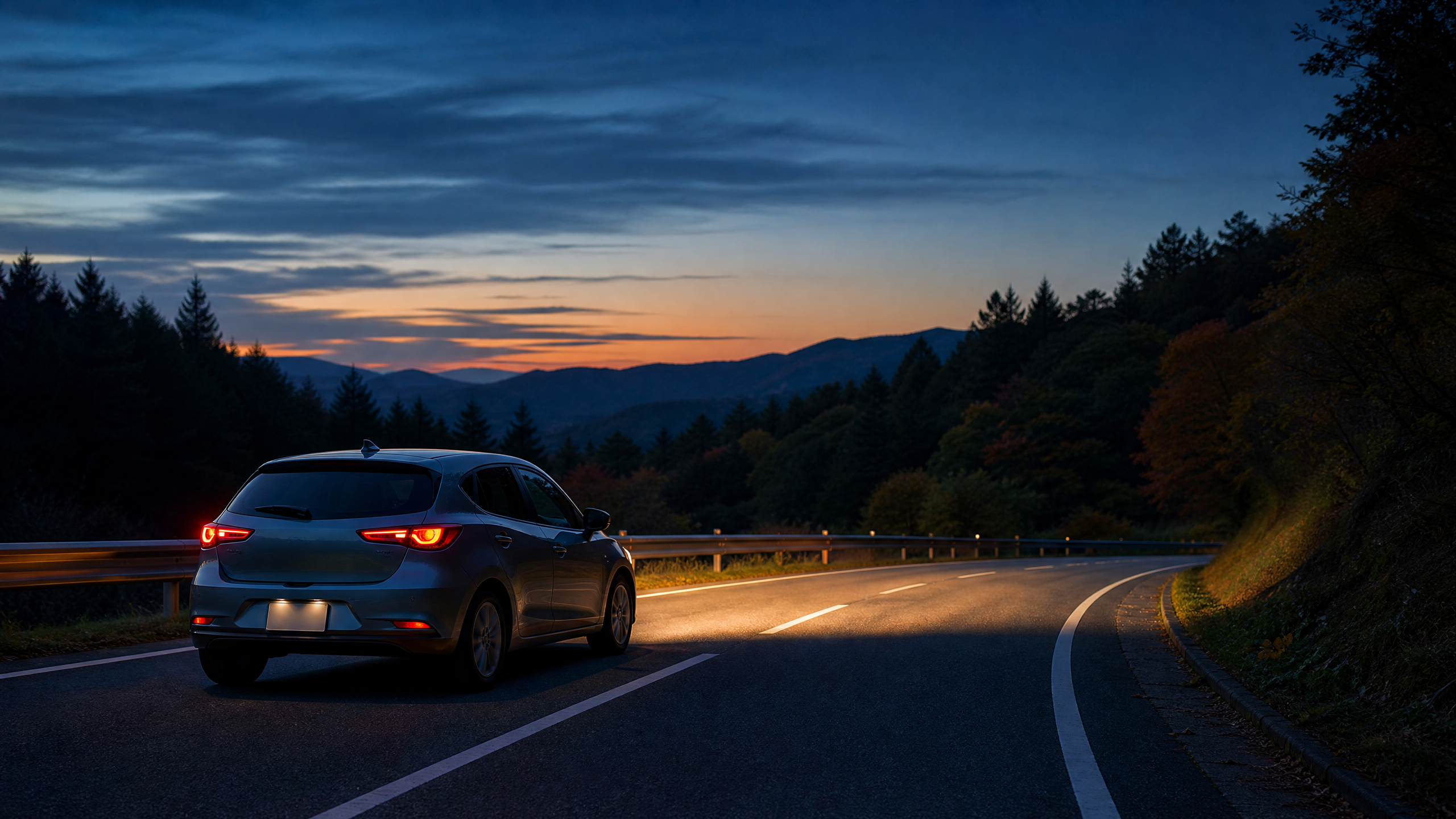
Japan’s roads can feel straightforward in daylight, yet the hour around sunset deserves a different plan. Signs, lane markings and navigation instructions remain familiar, but the contrast outside the windscreen changes quickly. A pedestrian stepping from a side street, a cyclist near a station, or an unlit bend on a rural road may take longer to notice than expected. For a visitor driving a rental car, the safest approach is not to rush through the last part of the day. Build a small margin into the itinerary, prepare the lights before you need them, and let conditions—not an arrival time—set your pace.
Understand the twilight window
Japan’s National Police Agency defines the twilight period as roughly one hour before and after sunset, with the exact sunset time varying by date and prefecture. It advises drivers to switch on headlights early, reduce speed and take extra care because visibility, distance and speed judgement worsen as daylight fades. This matters even when the road still looks bright enough to you. Early lights help other road users notice your vehicle before the surroundings become fully dark.
Check the local sunset time before leaving your last stop, especially if your route includes mountain roads, coastal bends, tunnels or smaller streets. Do not treat a phone’s estimated arrival time as a reason to maintain daylight speed. If the schedule becomes tight, choose a simpler route, take a break, or arrive later. The purpose is to make your driving predictable to people walking, cycling and travelling around you.
Make the rental car ready before departure
At pickup, ask the rental staff to show you the headlight, fog-light and high-beam controls. If the vehicle has automatic headlights or automatic high beam, ask how to recognise when each function is active; technology can assist, but the driver remains responsible for watching the road and adjusting the lights when needed. Before a dusk journey, clear the windscreen, mirrors and camera areas, set the navigation destination while parked, and place bags so they cannot roll into the pedals.
- Start with the lights on before the road becomes dark; do not wait until you struggle to see.
- Keep the dashboard illumination comfortable rather than excessively bright, so your eyes can adapt to the road ahead.
- Keep sunglasses and reflective objects out of your direct line of sight after sunset.
- Plan a legal, safe place to stop if rain, fatigue or unfamiliar roads make the journey stressful.
Use high beam with consideration
Japan’s National Police Agency explains that high beam is useful on dark roads with few streetlights because it can help a driver find pedestrians and obstacles earlier. It also says to change to low beam when meeting oncoming traffic, following another vehicle, or driving in busy urban areas. The Japanese Automobile Federation notes that the applicable performance standards require high beam to illuminate obstacles at 100 metres ahead and low beam at 40 metres ahead. These figures are a reminder to match your speed to what you can actually see, not a target for how fast to travel.
Make the change calmly and early. When another road user appears, lower the beam rather than dazzling them. When the road becomes dark and clear again, assess the surroundings before using high beam. In fog, use low beam and slow down: light can reflect from the fog and reduce what you can see. On any unfamiliar road, leave more following distance and scan beyond the vehicle immediately in front of you.
Give people at the roadside more time
Twilight is not only about your headlights. The police agency’s analysis highlights pedestrians and vehicles as a major crash pattern during this period, so approach crossings, bus stops, convenience-store entrances and railway-station areas with patience. Slow before a crosswalk and look for someone waiting to cross, even if there is no traffic signal. Avoid assuming that a person who has seen your car has correctly judged its distance or speed.
Finish the day with a simple rule: if you feel the drive is becoming demanding, reduce the task. Pull into a safe parking area, reset the navigation, drink water and continue only when you are ready. A rental-car trip is more enjoyable when the final hour is calm. Early lights, controlled speed and thoughtful beam changes are small habits that make that calm possible.
Official guidance used for this plan
For further detail, consult the National Police Agency’s twilight-driving guidance, its high-beam guidance, and the JAF explanation of headlight use. Always follow posted signs, the rental company’s vehicle instructions and real-time road conditions.