

Japan Expressway Tolls: Rental Car Ticket, ETC and Lane Guide
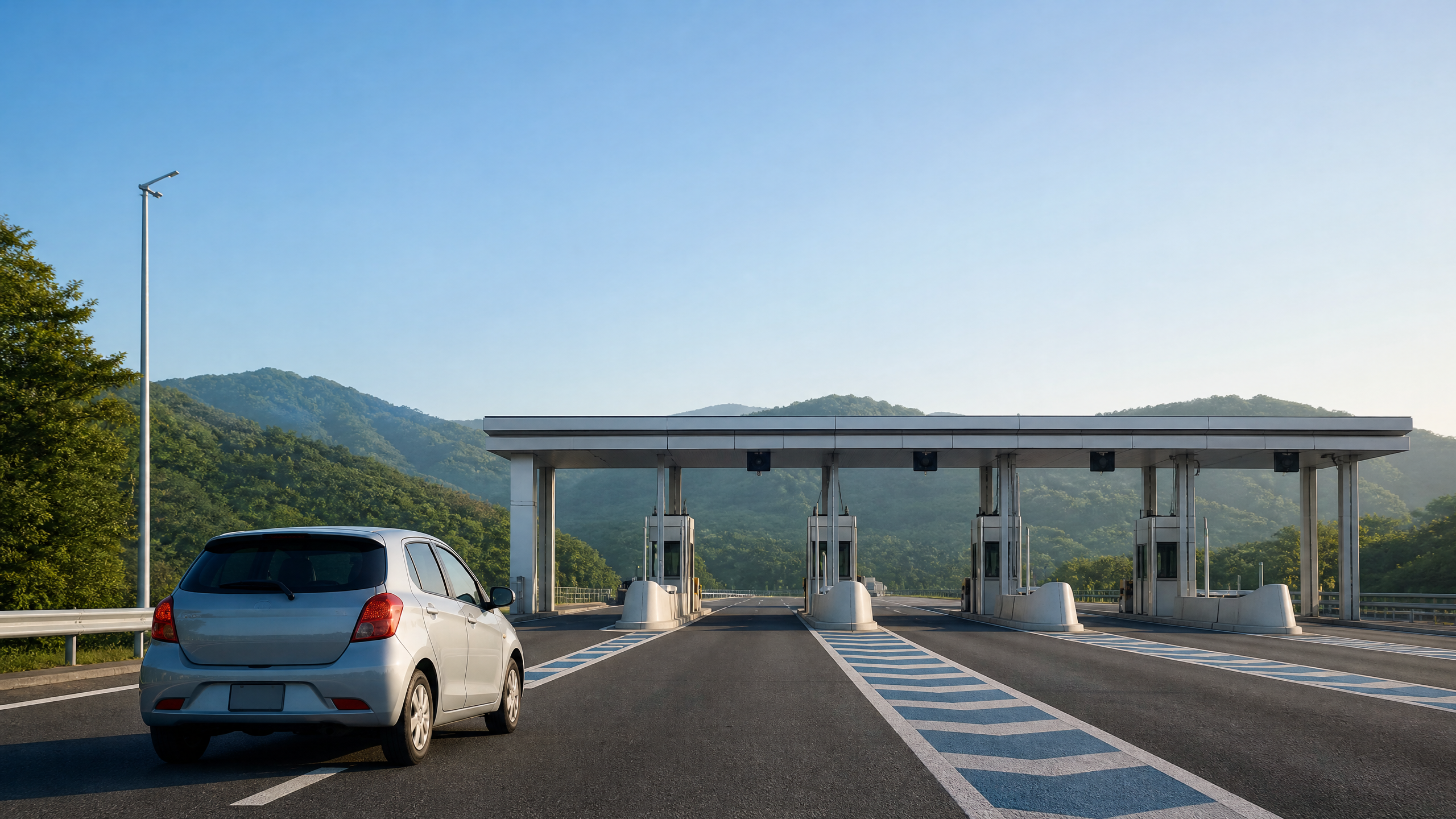
Japan’s expressway network can turn a long rail-style itinerary into a flexible road trip, but the first toll gate can feel intimidating when you are driving a rental car in an unfamiliar vehicle. The safe approach is not to guess at the last second. Before entering an interchange, decide how you will pay, identify whether your rental has working ETC equipment and a usable card, and look for the lane label early. The details are simple once you know the system: a ticket-based general lane is different from an ETC lane, and an ETC-only lane is not a place to experiment.
Choose your payment method before the ramp
Japan’s expressway operators describe three broad lane types. A general lane, often marked 一般, is for drivers paying by cash or credit card. At a typical ticketed entrance, take the ticket from the machine and keep it somewhere secure and easy to reach. At the exit, present that ticket and pay. Some locations collect a toll at the entrance instead, so follow the signs and instructions at the booth.
An ETC/general lane can handle either ETC or ordinary payment, while an ETC-only lane is reserved for a vehicle that has both compatible in-car ETC equipment and an ETC card. Do not assume that a rental car automatically includes an ETC card simply because there is an ETC reader in the dashboard. Ask the rental company at collection whether the vehicle is equipped, whether a card is available, how charges are settled, and which lane you should use if you do not have ETC.
Read the lane signs early
Use the overhead signs, not the behavior of the vehicle in front of you, to select a lane. A general lane may be labeled 一般; an ETC lane is marked ETC. If you are paying manually, keep to the general option. If the entrance provides a ticket, do not place it in the glove box under luggage or throw it away with a receipt. It is the record used to calculate the toll at a ticketed exit.
- Cash or credit card: choose a general lane and retain the ticket when one is issued.
- ETC: use a lane marked ETC only after confirming that the card is inserted and the equipment is ready.
- Unsure at the approach: reduce speed, follow signs, and select a general lane where it is safely available rather than making a sudden lane change.
The Central Nippon Expressway Company instructs ETC users to slow to below 20 km/h on entry and proceed after the barrier opens. That is a useful reminder even for experienced drivers: do not tailgate through a toll gate or assume a bar will rise because another car passed first. Leave room, watch the signal, and concentrate on the lane immediately ahead.
Keep manual payment easy at the exit
For a manual exit, enter the lane marked 一般, stop at the booth or payment machine, and follow the displayed instructions. Official guidance says general lanes accept cash or credit card; cash payments are in Japanese yen. Have your ticket and chosen payment method ready before reaching the window so you are not searching for them while other vehicles wait behind you. If a machine is used rather than a staffed booth, take a moment to read the on-screen directions instead of rushing.
Do not treat every toll plaza as identical. A location may have a staffed general lane, a general lane with a toll-collection machine, an ETC/general lane, or an ETC-only lane. The exact signs at the approach are the authority for that gate. If a route joins or leaves an expressway at a smaller interchange, give yourself extra time to read the lane information well before the split.
Plan cost and route before departure
Tolls can change the cost and timing of a self-drive day. The official NEXCO East route and fare search lets you enter departure and arrival interchanges, select a vehicle category, and compare routes by time, distance, or toll. Run a check before the day you travel, then save the interchange names in your navigation notes. This is useful when two scenic stops are connected by either ordinary roads or an expressway: you can choose with the route and estimated toll in view.
Keep the plan practical. Confirm the payment arrangement with the rental company at pick-up, store any ticket where the driver can reach it safely when stopped, and agree on who will handle navigation before the expressway entrance. On the road, make lane decisions early and calmly. With those few habits, Japanese toll gates become a predictable part of the journey rather than a stressful interruption.
Official references
For the latest lane and payment guidance, see W-NEXCO’s Toll Gates Information, C-NEXCO’s payment-method guide, and NEXCO East’s English toll and route search.