

How to Yield to Emergency Vehicles While Driving in Japan
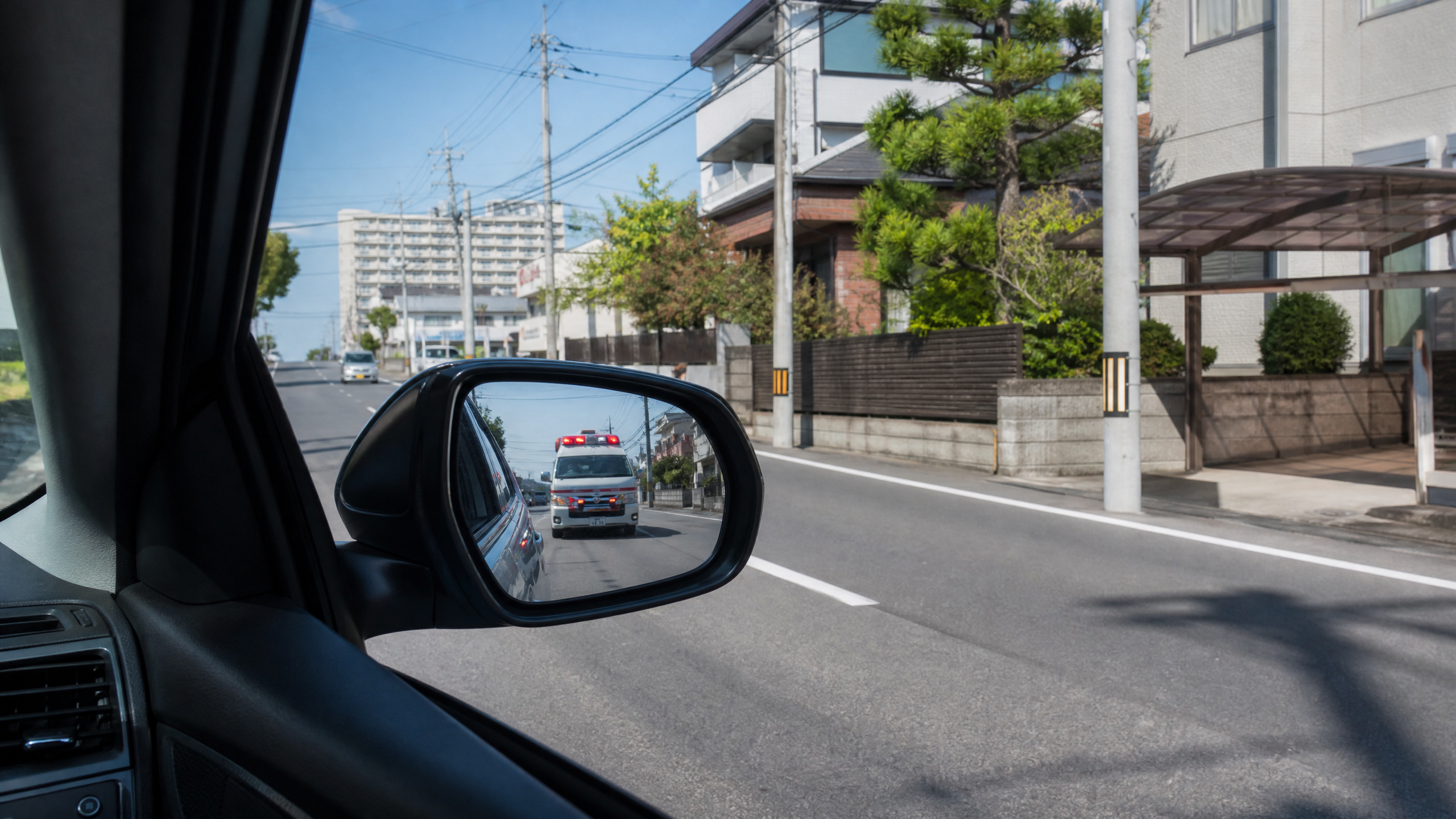
Driving in Japan: The Importance of Yielding to Emergency Vehicles
When you rent a car and drive in Japan, you may encounter emergency vehicles such as ambulances, fire trucks, or police cars with their sirens blaring and red lights flashing. Knowing exactly how to react is crucial not only for the safety of everyone on the road but also to comply with the Japanese Road Traffic Act. Many foreign drivers feel anxious when they hear a siren in an unfamiliar country. However, by understanding a few straightforward rules, you can confidently and safely yield the right of way, ensuring that emergency responders reach their destinations without delay.
What the Japanese Road Traffic Act Requires
In Japan, traffic flows on the left side of the road. This fundamental rule also dictates how drivers should behave when an emergency vehicle approaches. According to Article 40 of the Road Traffic Act, your required action depends entirely on your current location on the road, specifically whether you are near an intersection or driving on a straight stretch of road.
It is important to note that you do not need to slam on your brakes the moment you hear a siren. Instead, remain calm, check your mirrors to locate the approaching emergency vehicle, and follow the specific yielding procedures based on your surroundings.
How to Yield at or Near an Intersection
Intersections are the most critical areas when emergency vehicles are approaching, as they pose the highest risk of collisions. If you are driving at or near an intersection and notice an emergency vehicle approaching, you must follow these specific steps:
- Do not enter the intersection: If you have not yet entered the intersection, stay out of it. If you are already inside the intersection, exit it safely and promptly.
- Pull over to the left: Steer your vehicle as far to the left side of the road as safely possible.
- Come to a complete stop: You must stop your vehicle temporarily to allow the emergency vehicle to pass through the intersection safely.
There is one exception to the "pull over to the left" rule at intersections. If you are driving on a one-way street and pulling over to the left would actually obstruct the emergency vehicle's path, you are required to pull over to the right side of the road instead. Always prioritize creating a clear path for the emergency responders.
How to Yield on Straight Roads and Other Areas
If you are driving on a regular road, away from any intersections, the rules are slightly different but equally important. When an emergency vehicle approaches from behind or from the opposite direction on a narrow road, you must take the following action:
- Pull over to the left: Move your vehicle to the left side of the road to create space.
- Yield the right of way: You must give way to the emergency vehicle. While a complete stop is not strictly mandated by law in every non-intersection scenario, slowing down significantly or stopping is often the safest and most practical way to ensure the emergency vehicle can pass safely, especially on narrow Japanese streets.
Just like at intersections, if you are on a one-way street where moving left would block the emergency vehicle, you should move to the right side to clear the path.
Practical Tips for a Safe Reaction
When you hear a siren, your first reaction should be to stay calm. Abrupt braking or sudden lane changes can cause accidents and hinder the emergency vehicle's progress. Use your rearview and side mirrors to identify where the siren is coming from. Once you have located the emergency vehicle, use your turn signals to indicate your intention to pull over, allowing other drivers to anticipate your movements.
In Japan, you will often hear emergency vehicle personnel using a loudspeaker to thank drivers for their cooperation or to provide specific instructions, such as "Please stop on the left." Following these polite instructions ensures a smooth flow of traffic and helps save lives. By familiarizing yourself with these yielding rules, your road trip in Japan will be both safe and enjoyable.