

Essential Guide to ETC and Highway Tolls for Rental Cars in Japan
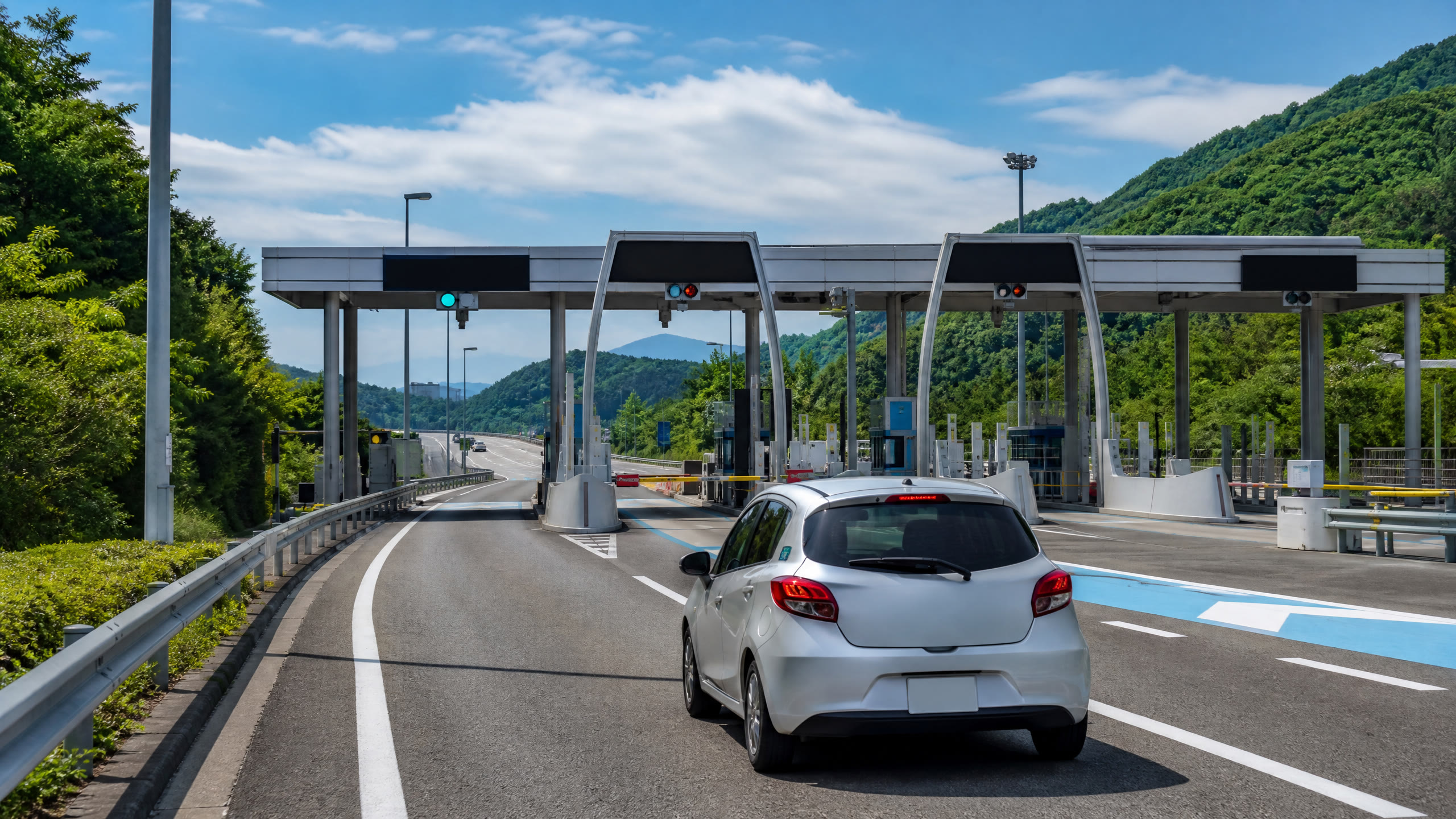
Driving a rental car across Japan is an incredible way to explore the country. However, navigating the expressways and understanding the toll system can seem overwhelming. The Electronic Toll Collection (ETC) system is the most efficient way to handle highway tolls. This guide covers the essential information you need regarding ETC cards, toll gate procedures, and how to safely manage unexpected situations.
Understanding the ETC System and Your Rental Car
The ETC system allows drivers to pass through highway toll gates without stopping to pay manually. The system uses wireless communication between an in-vehicle device and antennas at the gates. When you rent a car in Japan, the vehicle will almost always have the device installed. However, the ETC card itself must be requested separately.
- Requesting an ETC Card: Always check the availability of ETC cards when making your reservation. Most rental companies offer them for a small daily fee. Request it early, as supplies can be limited.
- Checking Card Insertion: Before starting, make sure the ETC card is fully inserted in the correct direction. An indicator will confirm the system is ready. A correctly inserted card is vital; otherwise, the gate will not open.
- Exploring Expressway Passes: If covering long distances, inquire about regional fixed-rate passes. These are loaded onto your rental ETC card and offer significant savings.
Navigating Highway Toll Gates Safely
Approaching a toll gate requires attention to overhead signs indicating accepted payment methods. There are three types of lanes: ETC dedicated, General, and Shared. Choosing the right lane early is crucial.
- ETC Lanes (Purple Signs): Exclusively for vehicles with a valid ETC card. Slow down to 20 km/h or less. Maintain a safe distance and proceed slowly. The gate bar opens automatically. Never speed through.
- General Lanes (Green Signs): If you lack an ETC card, use the "一般" (General) lanes. At the entrance, stop completely to take a paper ticket. At the exit, hand the ticket to the attendant or machine, and pay using Yen cash or credit card.
- Shared Lanes (Purple and Green): Accept both ETC and general payments. ETC vehicles pass slowly, while non-ETC vehicles must stop. Exercise caution, as the vehicle ahead may stop unexpectedly.
Handling ETC Gate Errors Safely
Occasionally, the gate bar may fail to open due to an improperly inserted card or communication error. Handle this calmly to prevent accidents.
- Never Reverse Your Vehicle: If the bar stays down, stop immediately. Never attempt to reverse, as this can cause a serious collision. Reversing on a highway is extremely dangerous and strictly prohibited.
- Turn on Hazard Lights: Warn approaching vehicles by turning on your hazard lights immediately after stopping.
- Call for Assistance: Use the intercom located near the gate to contact staff. Do not exit your vehicle. Wait for instructions.
Understanding Smart Interchanges (Smart IC)
You may encounter "Smart ICs" on your navigation system. These are special interchanges often located at service areas to improve local access.
Smart ICs are strictly for ETC vehicles. There are no general lanes or staff to collect cash. Without an ETC card, you cannot enter or exit using a Smart IC and must route through standard interchanges.
By understanding how to rent an ETC card, choosing the correct lane, and managing gate issues, you can navigate Japan's expressways confidently. Always adhere to the 20 km/h speed limit at ETC gates.