日元

Blog

Iya Valley in western Tokushima rewards patient travelers with deep gorges, vine bridges and mountain scenery, but it is not a destination for rushing between pins on a map. A rental car gives you useful flexibility in Shikoku, yet the most important decision is to set a conservative plan before leaving Tokushima Awaodori Airport. Treat the journey as two different drives: first reach the Miyoshi/Awa-Ikeda area, then continue toward Oboke and the particular Iya sight you have chosen. This approach leaves time for navigation, fuel, weather checks and the slower rhythm of mountain roads.

Plan the journey in two stages

Miyoshi City’s official tourism guide lists the drive from Tokushima Airport to Awa-Ikeda at approximately one hour and 20 minutes, and the drive from Awa-Ikeda to Oboke at approximately 35 minutes. Those figures are useful planning references, not a promise for every destination in Iya Valley. Your final time changes with the exact accommodation or attraction, traffic, weather and road conditions. Enter the precise destination in the car navigation system before departure, keep a charged phone and ask the rental company how its navigation handles route changes.

Do not turn the published times into a tightly scheduled arrival. JNTO describes Iya as a remote mountain valley where narrow roads make travel slow. Build a daylight buffer, especially if this is your first experience of left-side driving or rural Japanese roads. If you have a lodging check-in, tell the property your realistic arrival window rather than planning a last-minute mountain ascent.

  • Set the first navigation stop to Awa-Ikeda or Oboke, then confirm the second leg.
  • Download or save the route while you have reliable signal at the airport.
  • Check the day’s road and weather information before committing to side roads.

Choose the right destination for your confidence

Not every part of Iya is the same drive. The local IyaTime guide notes that the main route from Oboke to the Kazurabashi Vine Bridge is two lanes, comparatively wide and paved, although curvy and sometimes steep. Beyond that area, routes into Oku-Iya and hillside villages can include frequent one-lane sections. That distinction matters when choosing a car and an itinerary. A compact vehicle may feel easier to place on narrow roads, but the rental company should advise on vehicle availability and equipment rather than an online article making a promise.

For a first visit, pick one principal destination, allow time to park safely, and avoid adding remote side roads merely because they appear close on a map. At blind curves, use the roadside mirrors where provided, reduce speed and be prepared to wait. If another vehicle appears on a one-lane section, do not try to squeeze past beside a drop or rough edge; use a wider point to pass or reverse only when it is safe. Keep looking for people and cyclists because there may be no sidewalk or shoulder.

Apply Japan’s road rules throughout the drive

Mountain scenery does not change the basic rules. JAF states that drivers keep left, must yield to pedestrians, and must not use a phone or be distracted by navigation while driving. Everyone in the car must wear a seat belt, and a child younger than six must be secured in a child seat. Alcohol and driving do not mix: do not drive under the influence. Observe the posted limit rather than treating another vehicle’s speed as a guide. On any expressway section, JAF advises using the passing lane only to overtake and returning to the driving lane.

  • Park only where stopping is permitted and the vehicle is fully clear of traffic.
  • Pull over safely before changing a navigation destination or taking photographs.
  • Keep fuel above a comfortable margin; do not assume a station will be nearby on mountain roads.

Weather and the return drive deserve equal attention

Check conditions again before leaving your final stop. IyaTime cautions that severe storms or typhoons can close roads and leave limited or no detours. In colder conditions, higher or remote routes can require different preparation; ask the rental company about suitable equipment and do not learn to drive on snow or ice on a steep unfamiliar road. If visibility, fatigue or weather makes the plan feel wrong, simplify it. Returning early is better than arriving after dark on a road you have not driven before.

A careful Iya Valley drive is still a rewarding one. Start with a valid driving document, a realistic two-stage plan, a vehicle you can handle confidently and enough time to respond to conditions. For the latest routing, closures and weather, consult local official information on the day rather than relying on any static itinerary.
Sources

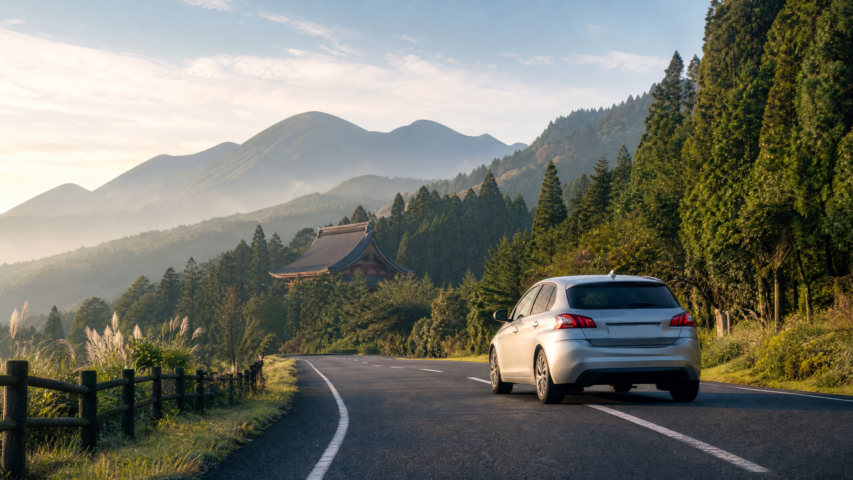
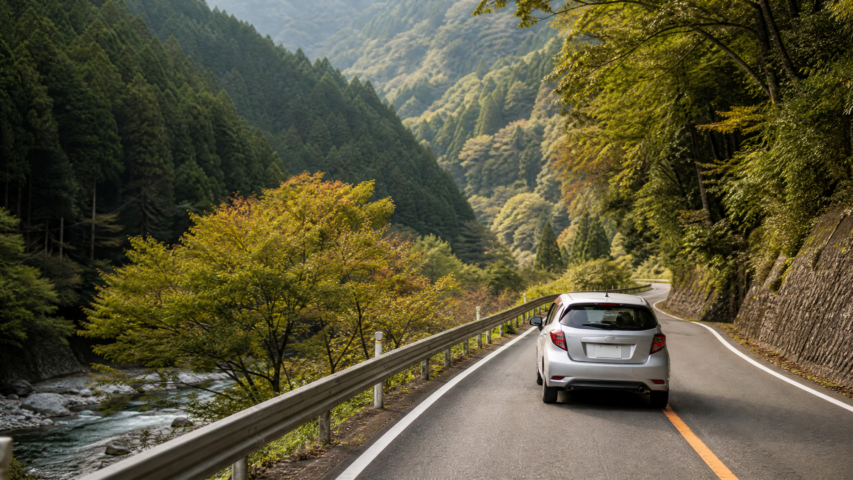
Rental car on a mountain road in Iya Valley, Tokushima

第一次北海道自駕,先選一個目的地

在新千歲機場取到租車後,先以支笏湖為目的地,比排進太多景點更安心。支笏洞爺國立公園有火山與起伏地形,主要區域之間的公共交通並不密集。租車很方便,卻不表示地圖上的近點適合同日下午串起來。

洞爺湖、登別、定山溪或登山步道可留給另一天。旅遊局指出,從新千歲機場到支笏湖巴士總站的巴士約需55分鐘;開車還要把取車、天氣、路況、休息與熟悉車輛的時間算進去。請以當日導航和道路資訊為準。

出發前留十分鐘,換取整天從容

  • 停妥時確認油品、車身既有痕跡、導航操作與還車時間。
  • 在起步前設定目的地、後視鏡、座椅與空調,不要邊開邊處理。
  • 把駕照、所需駕駛文件、租約與緊急聯絡資料放在容易取用處。

先為回程日照與加油留下時間,額外景點只當作可選項。國立公園的地形與當日狀況,可能讓看似很近的標記不適合臨時加入。

交通規則永遠比行程優先

日本是靠左行駛。JAF提醒駕駛人禮讓行人,車內所有人都要繫安全帶,未滿六歲的兒童必須使用兒童安全座椅。絕不酒後駕駛,也別讓手機或導航螢幕分散對道路的注意力。

  • 遵守每一個速限與道路指示。沒有速限標誌或標線時,一般道路的普通汽車基準為60km/h,高速公路為100km/h。
  • 接近行人穿越道、路口與停車區時提早減速。若下雨、視線不佳、疲勞或道路陌生,請減速或在安全處休息。

在湖畔與回程,讓少一點成為正確選擇

抵達後,只要在允許進入的地方欣賞湖景、短暫散步、需要時休息,並在加新景點前看一次時間即可。不要只根據舊文章、季節照片或舊地圖判斷通行與使用條件;選擇支線或步道前,先查看當日公告。剛下飛機後的首次駕駛,能完整享受支笏湖就已足夠。

離開湖畔前,停車設定回程,確認駕駛者精神、油量、天氣和還車時間。其他駕駛人輪替時,應安全停車並完成所需登記後再交接。JAF提醒部分高速公路路段的加油站間距很長,因此應及早加油。以一個清楚目的地慢慢開,第一次北海道租車自駕就能兼顧實用、安全與回憶。

最初の北海道ドライブは、目的地を一つにする

新千歳空港でレンタカーを受け取った初日は、支笏湖だけを目的地にすると安心です。支笏洞爺国立公園は火山と起伏の地形を含み、主なエリア同士の公共交通は限られています。車は便利ですが、地図で近く見える場所を同日に全部回るものではありません。

洞爺湖等は別日にしましょう。日本政府観光局は、新千歳空港から支笏湖バスターミナルまでのバスを約55分と案内しています。車では受取、天候、交通、休憩も含め、当日のナビと道路情報を優先します。

出発前の10分が、落ち着いた一日を作る

  • 燃料の種類、車体の傷、ナビ、返却時刻を駐車中に確認します。
  • 行き先、ミラー、座席、空調を動き出す前に設定します。
  • 免許証など必要書類は、すぐ取れる場所に置きます。

帰着と給油の余裕を先に決め、追加の立ち寄りは「できれば」にします。地形や当日の状況により、近く見える印でも無理なく加えられるとは限りません。

日本の交通ルールを旅程より優先する

日本では車は左側を通行します。JAFは、歩行者を優先すること、全員のシートベルト、6歳未満の子どものチャイルドシートを案内しています。飲酒運転はせず、携帯電話やナビ画面に注意を奪われないでください。

  • 標識と路面表示の速度を守ります。標識等がない場合、普通自動車は一般道路60km/h、高速道路100km/hが基本です。
  • 横断歩道、交差点、駐車場では早めに減速します。雨、疲れ、見通しの悪さで不安なら、速度を落とすか安全な場所で休みます。

湖畔と帰路は、少なめの計画で楽しむ

到着後は、許可された場所で湖を眺め、時計を確認します。古い記事や地図だけで通行を判断せず、脇道や歩道の前に当日の案内を確認しましょう。出発前に停車して帰路、体調、燃料、天候、返却時刻を確認します。高速道路では燃料を早めに入れましょう。一つの目的地を丁寧に走れば、北海道ドライブも安心です。

Choose one lake, not an overfilled Hokkaido itinerary

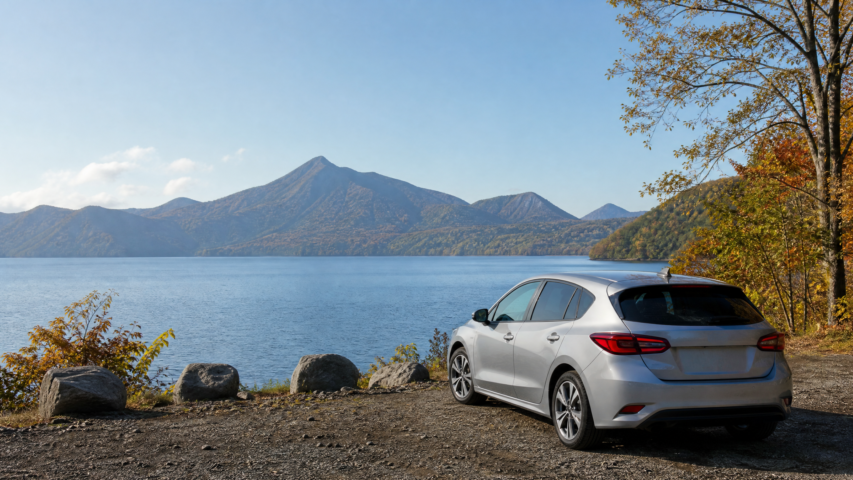
Picking up a rental car at New Chitose Airport can make a first day in Hokkaido feel wonderfully open-ended. Lake Shikotsu is a sensible destination for travelers who want a calm introduction to driving rather than a long list of stops. It sits within Shikotsu-Toya National Park, a landscape shaped by volcanoes and rugged terrain. Japan National Tourism Organization guidance notes that transport between the park’s main areas is limited, and that a car is useful for reaching many places in the park. That is a reason to simplify your plan, not to try to see every area in one afternoon.

Make Lake Shikotsu the main destination. Leave Lake Toya, Noboribetsu, Jozankei, or a hiking trail for another properly planned day. This approach gives a new driver room to collect the car, understand the navigation unit, take breaks, and return before the day feels rushed. It also avoids treating a national-park map as though every attraction were a quick hop from the next.

Start at the airport with a short, deliberate routine

Before leaving the rental location, set a quiet ten minutes aside for the practical details. Confirm the fuel type, check the car for any existing marks, ask how to use the navigation system, and agree on who is driving. Load your Lake Shikotsu destination while you are parked rather than while the car is moving. If the car has driver-assistance functions, learn the essentials before joining traffic; they support attention, but do not replace it.

  • Keep your licence, required driving documents, rental agreement, and emergency contact information where the driver can reach them without searching.
  • Set the navigation, mirrors, seat position, and climate controls before departure.
  • Choose a return time with daylight and a fuel stop in mind, then treat extra sightseeing as optional.

JNTO lists a bus journey of about 55 minutes from New Chitose Airport to the Lake Shikotsu bus terminal. A rental-car journey should not be judged against that timetable: collection time, weather, traffic, rest stops, and your own familiarity with the car all matter. Use your navigation system and current road information on the day, and build a margin rather than promising a fixed arrival time.

Drive by Japanese road rules, not by holiday momentum

The first adjustment for many visitors is simple but important: vehicles drive on the left in Japan. The Japan Automobile Federation (JAF) also says drivers must yield to pedestrians, everyone in the vehicle must use a seat belt, and a child under six must be secured in a child seat. Alcohol and driving do not mix. Keep your phone out of your hand and do not let the navigation screen compete with the road.

  • Follow every posted limit and road instruction. JAF states that, where no limit is signed or marked, the default for regular cars is 60 km/h on ordinary roads and 100 km/h on expressways.
  • Approach crossings, junctions, and parking areas patiently, expecting people on foot and unfamiliar traffic patterns.
  • If visibility, rain, fatigue, or an unfamiliar road makes the drive feel demanding, slow down or pause. A scenic day has no prize for arriving first.

Let the lakeside set the pace

Once you arrive, keep the plan modest: enjoy the lake view, take a short walk where access is permitted, use a rest area when needed, and check the time before adding another stop. Shikotsu-Toya National Park contains varied terrain, so a map pin is not a guarantee that every nearby-looking activity fits today’s schedule. Do not rely on a past blog, a seasonal photograph, or an old map for current access conditions. Check current notices before choosing any side trip or trail.

This slower approach is especially valuable for a first drive after a flight. It makes space for navigation errors without turning them into stress, and it lets the group decide whether the weather and energy level suit more time outdoors. If they do not, the lake itself is still a complete destination.

Return with the same care you used to start

Before leaving the lakeside, set the return route while parked and make a quick group check: driver alertness, fuel level, weather, and rental return time. If another driver is permitted under your rental agreement, change drivers only after stopping safely and completing any required registration. On the way back, keep the driving lane unless overtaking and refuel early if the gauge calls for it; JAF notes that some expressway stretches have long gaps without service stations.

A Lake Shikotsu rental-car day works best when it remains intentionally small. With one clear destination, current information, and respect for Japan’s road rules, your first Hokkaido drive can be both practical and memorable.

Sources: JNTO; JAF.

把第一段車程安排得從容一些

在鹿兒島機場附近取車後前往霧島神宮。霧島神宮位於鹿兒島縣霧島市、霧島山山麓一帶;從機場周邊道路出發,景色會逐漸轉為綠意較多、地勢較高的環境。

行車時間會受交通、天氣、休息及導航選擇的路線影響。離開機場前,請以神宮正式名稱設定目的地,並查看地圖與當日官方公告。日本政府觀光局指出,租車有助於前往霧島錦江灣國立公園中公共交通較難抵達的景點與步道入口。

發動前先完成必要設定

還在租車區時,先調整座椅與後視鏡,確認手煞車、頭燈、雨刷、警示燈的位置。若不熟悉車載導航,應先請櫃檯人員說明輸入方式。預先儲存霧島神宮、住宿地點與加油站,可避免在陌生道路上低頭找手機。

  • 確認所有可能駕駛的人都已登錄在租車契約內。
  • 將駕照文件、租車公司聯絡方式與預約資料收好。
  • 在停車時設定導航與音樂。
  • 保留休息、走錯路與天氣改變的時間餘裕。

進入山麓時,視線比速度重要

霧島神宮官方交通資訊列出由溝邊鹿兒島機場 IC 駕車前往的路徑;實際行駛仍應以當日導航與道路標誌為準。日本採左側通行。到了不熟悉的彎道或視野受限區段,不要試圖追回耽擱的時間;請在彎道前減速、保持安全車距。雨、霧或日落讓能見度下降時,更應放慢速度,並減少非必要的停留點。

加油也要連同回程一起規劃。景點周邊不一定會在需要時就有合適的加油站或休息地點;出發前看油量表和還車條件,能避免最後一小時變得緊張。

讓停車與秋季行程保有彈性

霧島神宮官方網站表示,神宮設有可供 500 輛車使用的免費停車場;這並不代表任何時段一定有空位。進場時請慢行、遵從標示與現場人員指示,並只停在劃定車格內;不要把車停在通道上整理行李,也不要把貴重物品留在顯眼處。鹿兒島縣觀光資料將紅葉最佳觀賞期列為一般在十一月下旬至十二月。山區天氣變化快,行程宜保有彈性。

出發前請再確認官方資訊

交通與停車資訊請查看霧島神宮;廣域移動規劃請參考日本政府觀光局;紅葉季節參考請見鹿兒島縣觀光網站

空港発の運転を整える

鹿児島空港近くでレンタカーを受け取り、霧島神宮へ向かいます。神宮は霧島市、霧島山の山麓にあり、空港周辺から高台へ景色が変わります。

所要時間は交通量、天候、休憩、ナビの経路で変わります。出発前に正式名称を入力し、地図と公式案内を確認してください。日本政府観光局は、レンタカーが公共交通だけでは行きにくい場所への移動を助けると案内しています。

出発前の確認を先に終える

座席とミラーを合わせ、パーキングブレーキ、ライト、ワイパー、ハザードの操作を確かめます。カーナビに迷う場合は、営業所で聞いてから出発しましょう。霧島神宮、宿、給油場所を先に保存すると、運転中にスマートフォンを見ずに済みます。

  • 運転する人全員の登録を確認します。
  • 免許書類と会社の連絡先をまとめます。
  • ナビや音楽は停車中に設定します。
  • 休憩と天候変化の余白を残します。

山麓では速度より見通しを優先

公式案内には、溝辺鹿児島空港ICから車で向かう経路が示されています。実際はナビと道路標識で確認してください。日本は左側通行です。慣れないカーブや見通しの悪い区間では、手前で減速し車間距離を保ちます。雨、霧、日没で見え方が変われば、さらに速度を落としましょう。

給油は帰路も含めて計画します。景勝地の近くに、必要な時に使える給油所や休憩場所があるとは限りません。燃料計と返却条件を確認すると、最後を慌てずに過ごせます。

駐車と秋の計画は柔軟に

公式サイトによると、無料駐車場は500台分です。ただし空きは保証されません。表示に従い区画内に駐車し、通路に停車して荷物を整理しないでください。鹿児島県の観光情報では、紅葉の見頃は例年11月下旬から12月です。天候に合わせて一か所をゆっくり楽しむ余白を残しましょう。

出発前に公式情報を確認

アクセスと駐車場は霧島神宮、広域移動は日本政府観光局、紅葉の目安は鹿児島県観光サイトで確認してください。

Start with a realistic first drive

Landing at Kagoshima Airport puts a rental-car trip within reach of the Kirishima area, but it is worth treating the first leg as a gentle introduction to southern Kyushu rather than a race to fit in every stop. Kirishima Jingu Shrine sits in Kirishima City on the slopes of Mt. Kirishima, and the surrounding landscape changes from airport roads to greener, more elevated terrain. Japan’s National Parks site notes that a car makes it easier to reach places and trailheads beyond the more frequently served routes in Kirishima-Kinkowan National Park. That flexibility is valuable only when you leave enough time to use it safely.

Prepare before the wheels start turning

Do the unglamorous jobs while you are still in the rental-car area. Adjust the seat, mirrors and steering wheel; confirm the parking-brake operation; and find the controls for headlights, wipers, hazard lights and demisters. If the navigation system is unfamiliar, ask the counter staff how to enter a destination before you drive away. Save the shrine’s name, address and a second safe destination such as your accommodation or a fuel station. Keeping these details ready avoids looking down at a phone on an unfamiliar road.

  • Check that every person who may drive is registered on the rental agreement.
  • Keep your licence documents, rental contact number and booking details together but not loose in the cabin.
  • Set navigation and music before departure, then use a passenger for changes where possible.
  • Start with a conservative plan that leaves room for a rest stop, a wrong turn or changing weather.

Use the airport route as a confidence-building drive

Kirishima Jingu’s official access information lists driving from the Mizobe-Kagoshima Airport interchange as one of the approaches to the shrine. That is useful direction, but it does not replace current navigation. Follow posted signs, obey the indicated speed and drive on the left. On an unfamiliar mountain-side approach, avoid trying to make up time after a slow section. Brake before a bend, look through the curve, and leave a gap that lets you stop comfortably if traffic slows. If rain, mist or darkness reduces what you can see, slow down further and reconsider an optional stop rather than pressing on.

Plan your fuel with the return journey in mind. A compact itinerary is easier to manage when you know where you intend to refuel and when you must return the car. Do not assume that a scenic road will have the services you expect at the moment you need them. A quick check of the fuel gauge and your return agreement before setting out can prevent a stressful final hour.

Arrive without turning parking into pressure

The shrine’s official access page states that it has free parking for 500 cars. That capacity is helpful, not a guarantee of a space at a particular time. Approach slowly, follow on-site staff and signs, and park only in marked areas. Do not stop in a lane to rearrange bags or decide on your next destination. Once parked, note where you left the car and make sure the doors are locked; take valuables with you rather than leaving them on display.

Give the visit its own time instead of treating it as a photo stop between long drives. The official site says the grounds are open for worship, while reception for prayers and the granting office run from 8:00 to 17:00. If your visit depends on a particular service, confirm the latest details directly with the shrine rather than relying on an old travel post.

Choose an autumn plan that remains flexible

Kagoshima’s official tourism information places the typical best period for autumn leaves at Kirishima Jingu from late November into December. That is a seasonal guide, not a day-by-day forecast. Book accommodation and a rental car early for popular periods, but keep the sequence of minor stops flexible. Clear mountain views can change quickly, and the best decision may be to enjoy one destination unhurriedly rather than drive farther merely because it appeared on an itinerary.

For a relaxed first day, the winning plan is simple: collect the car carefully, leave with a charged phone and navigation ready, drive at a pace suited to the conditions, park legally, and preserve enough time for the return. Kirishima rewards a rental-car traveller who treats mobility as freedom to slow down.

Sources for your pre-departure check

Confirm current access and visitor information with Kirishima Jingu Shrine. For wider park travel planning, consult the Japan National Tourism Organization and the Kagoshima tourism guide.

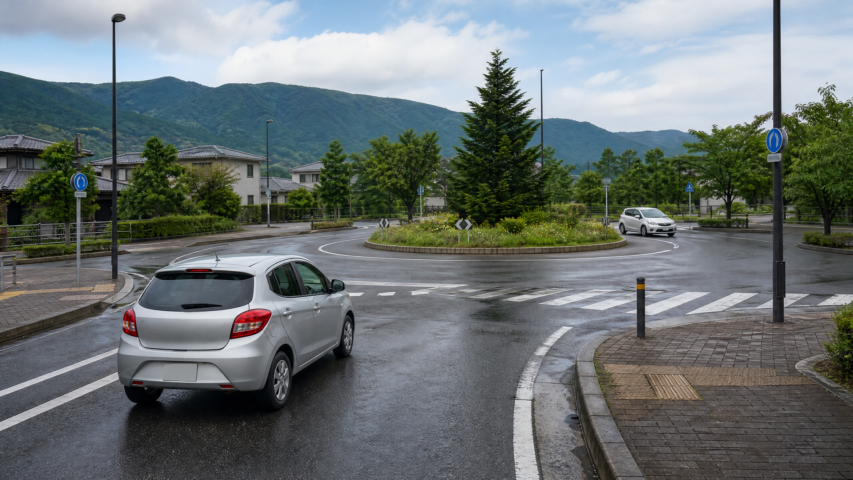
第一次在日本開租車時,遇到有標誌指定的環狀交叉口,也就是常說的環島,可能會感到陌生。車輛在環島內以順時針方向通行,因此接近入口前,應先確認要走的出口,並預留時間閱讀標誌與路面標示。這不是適合匆忙通過的地方;請留意周邊車輛、正在橫越道路的行人與實際路況。

進入前靠左並及早減速

進入環島之前,請盡可能靠近道路左側,並以低速進入。接近入口時,先觀察已在環島內行駛的車輛、行人穿越處,以及附近是否有人準備橫越。不要到了入口才突然煞車;提早放慢速度,才能從容判斷是否有安全空間。剛取用的租車可能讓你還在適應座位位置、後視鏡或導航提示,更應保留時間。

禮讓已在環島內行駛的車輛

入口看起來空曠,並不代表準備進入的車輛具有優先權。環島內正在通行的車輛優先;若你的進入會妨礙其前進,就應等待。確認有足夠間隔後,再平順地進入。不要迫使其他駕駛人急煞或改變行駛方向。

  • 接近入口時靠左減速,先看標誌與路況。
  • 確認環島內車輛的動向與間隔。
  • 確認行人穿越處後,再以安全速度順時針行駛。

離開前一個出口後開啟左轉燈

當你通過預計離開出口的前一個出口側方後,應開啟左側方向燈,並持續到完全離開環島為止。若進入後立刻要走第一個出口,則在進入時開啟左轉燈,並一路維持到離開。清楚的訊號能讓等候進入的車輛了解你的意圖;通過出口時仍要低速,並再次查看附近的行人穿越處。

導航指示不能取代現場安全確認

無論是準備進入或正在環島內行駛,都應留意環島或其鄰近位置橫越道路的行人,並以盡可能安全的速度與方式通過。下雨、夜間或第一次到訪的社區,應再降低速度並增加觀察時間。若導航語音不清楚,請以標誌、行人和眼前交通狀況為優先。

記住簡單順序:靠左減速、禮讓環島內車輛、離開前打左燈、仔細觀察行人。環島的標誌與車道配置可能不同,因此應依現地標誌和車線標示操作。更多官方說明可參考高知縣警察的環島通行指南

日本でレンタカーを運転していると、標識で指定された環状交差点、いわゆるラウンドアバウトに出会うことがあります。車両は時計回りに通行します。標識と周囲をよく確認しましょう。急いで通過する場所ではありません。

左寄りで徐行して進入する

進入前は、できる限り道路の左端に寄り、速度を落とします。環道内を走る車両、横断場所と付近の歩行者を確認してください。入口で急にブレーキをかけるのではなく、早めに速度を整えると、空き具合を判断しやすくなります。初めて乗るレンタカーでは、座る位置やミラー、案内音声にも慣れていないことがあるため、特に余裕が必要です。

環道内の車両を優先する

入口が空いて見えても、進入する車両が優先になるわけではありません。環状交差点の中を通行している車両が優先です。自分が入ることで相手の進行を妨げるときは待ち、十分な間隔があるときだけ滑らかに進入します。

  • 左寄りで減速し、標識と道路状況を確認する。
  • 環道内を通行中の車両と歩行者を見る。
  • 安全な速さで時計回りに進む。

退出前に左合図を出す

出ようとする出口の一つ前の出口の側方を通過したら、左側の方向指示器を操作し、環状交差点を出るまで合図を続けます。入ってすぐの最初の出口を出る場合は、進入時に左合図を出して、そのまま退出まで続けます。待っている車両に意図が伝わりやすくなります。

現場の安全確認を優先する

入るときも環道内を通行するときも、近くを横断する歩行者に注意し、できる限り安全な速度と方法で進みます。雨、夜間、初めての地域では、さらに余裕を取ってください。カーナビの案内が分かりにくくても、標識、歩行者、目の前の交通状況を優先します。

覚える順番は、左寄りで徐行する、環道内の車両に譲る、退出前に左合図を出す、歩行者をよく見る、です。現地の標識や車線表示に従い、落ち着いて通行しましょう。詳しくは高知県警察の案内で確認してください。

Roundabouts can feel unfamiliar when you are driving a rental car in Japan for the first time. A Japanese roundabout is a signed circular intersection in which vehicles travel clockwise. Before you reach the entry, set your route, identify the exit you need, and give yourself time to read the signs. The aim is not to hurry through. Follow the road markings, look well beyond the bonnet, and make every movement predictable for the people sharing the road.

Recognize the traffic pattern before you enter

Japan drives on the left, and this matters at a roundabout. The official guidance explains that a driver should move as close as practical to the left edge before entering and proceed at a reduced speed. As you approach, look for the roundabout sign, the circulating roadway, approaching pedestrians, and the vehicles already travelling around the circle. Reduce speed early rather than braking abruptly at the entrance. This gives you time to decide whether the space is clear and to respond calmly if someone is crossing nearby.

Do not assume that an open-looking entrance gives you priority. Traffic already circulating in the roundabout has priority, so wait when entering would obstruct it. This is especially important in a rental car, when the driving position, mirrors, or navigation instructions may still feel new. Keep a comfortable gap, enter only when you can do so smoothly, and avoid forcing another driver to brake or change course.

Use a simple entry routine

  • Move toward the left side of the approach and slow down before the entry.
  • Check the circular roadway for traffic that is already moving through it.
  • Check the crossing area and the immediate roadside for pedestrians.
  • Enter only when your path is clear, then continue clockwise at a safe, controlled speed.

This routine is deliberately short. It helps a visitor avoid trying to read a map, choose an exit, and judge a gap at the same moment. If your navigation instruction is unclear, let the road situation come first. Continue around only while it is safe to do so, and take the exit when you can make the manoeuvre without sudden steering or braking.

Signal left when your exit is next

The exit signal is a key detail. When you pass the exit immediately before the one you plan to take, operate the left turn signal and keep it on until you leave the roundabout. If you will take the first exit immediately after entering, use the left signal as you enter and continue it until you have exited. This clear signal helps the driver waiting to enter understand your intention. Keep your speed low through the exit and stay alert for people crossing at or close to the roundabout.

Make space for pedestrians and local conditions

Official police guidance specifically calls on drivers to watch for pedestrians crossing at the roundabout or in its immediate vicinity, both when entering and while circulating. Treat this as an active observation, not a quick glance. In rain, darkness, or an unfamiliar neighbourhood, reduce speed further and allow extra time for visibility and decision-making. Never let a spoken navigation instruction override a sign, a pedestrian, or the actual traffic situation.

Roundabout layouts, signs, and lane markings can vary, so the on-site signs and conditions always control your next action. The reliable habits remain the same: approach from the left, slow down, yield to traffic already in the circle, signal left before your exit, and scan carefully for pedestrians. Review these steps before collecting your rental car, and a signed roundabout can become a calm, predictable part of your Japan drive.

For the official Japanese explanation, see Kochi Prefectural Police guidance on roundabouts.