

Lake Shikotsu Rental-Car Day Plan from New Chitose
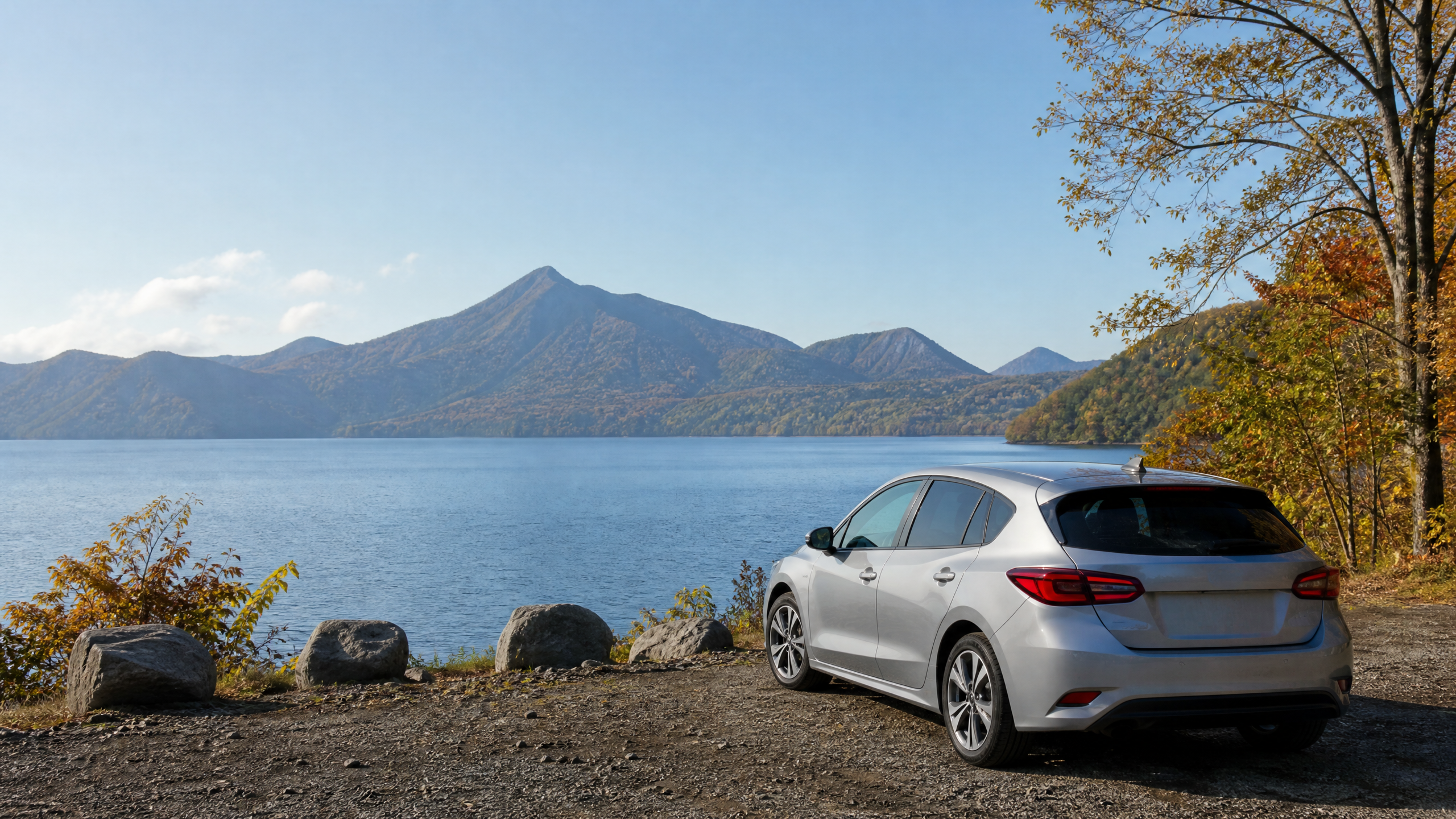
Choose one lake, not an overfilled Hokkaido itinerary
Picking up a rental car at New Chitose Airport can make a first day in Hokkaido feel wonderfully open-ended. Lake Shikotsu is a sensible destination for travelers who want a calm introduction to driving rather than a long list of stops. It sits within Shikotsu-Toya National Park, a landscape shaped by volcanoes and rugged terrain. Japan National Tourism Organization guidance notes that transport between the park’s main areas is limited, and that a car is useful for reaching many places in the park. That is a reason to simplify your plan, not to try to see every area in one afternoon.
Make Lake Shikotsu the main destination. Leave Lake Toya, Noboribetsu, Jozankei, or a hiking trail for another properly planned day. This approach gives a new driver room to collect the car, understand the navigation unit, take breaks, and return before the day feels rushed. It also avoids treating a national-park map as though every attraction were a quick hop from the next.
Start at the airport with a short, deliberate routine
Before leaving the rental location, set a quiet ten minutes aside for the practical details. Confirm the fuel type, check the car for any existing marks, ask how to use the navigation system, and agree on who is driving. Load your Lake Shikotsu destination while you are parked rather than while the car is moving. If the car has driver-assistance functions, learn the essentials before joining traffic; they support attention, but do not replace it.
- Keep your licence, required driving documents, rental agreement, and emergency contact information where the driver can reach them without searching.
- Set the navigation, mirrors, seat position, and climate controls before departure.
- Choose a return time with daylight and a fuel stop in mind, then treat extra sightseeing as optional.
JNTO lists a bus journey of about 55 minutes from New Chitose Airport to the Lake Shikotsu bus terminal. A rental-car journey should not be judged against that timetable: collection time, weather, traffic, rest stops, and your own familiarity with the car all matter. Use your navigation system and current road information on the day, and build a margin rather than promising a fixed arrival time.
Drive by Japanese road rules, not by holiday momentum
The first adjustment for many visitors is simple but important: vehicles drive on the left in Japan. The Japan Automobile Federation (JAF) also says drivers must yield to pedestrians, everyone in the vehicle must use a seat belt, and a child under six must be secured in a child seat. Alcohol and driving do not mix. Keep your phone out of your hand and do not let the navigation screen compete with the road.
- Follow every posted limit and road instruction. JAF states that, where no limit is signed or marked, the default for regular cars is 60 km/h on ordinary roads and 100 km/h on expressways.
- Approach crossings, junctions, and parking areas patiently, expecting people on foot and unfamiliar traffic patterns.
- If visibility, rain, fatigue, or an unfamiliar road makes the drive feel demanding, slow down or pause. A scenic day has no prize for arriving first.
Let the lakeside set the pace
Once you arrive, keep the plan modest: enjoy the lake view, take a short walk where access is permitted, use a rest area when needed, and check the time before adding another stop. Shikotsu-Toya National Park contains varied terrain, so a map pin is not a guarantee that every nearby-looking activity fits today’s schedule. Do not rely on a past blog, a seasonal photograph, or an old map for current access conditions. Check current notices before choosing any side trip or trail.
This slower approach is especially valuable for a first drive after a flight. It makes space for navigation errors without turning them into stress, and it lets the group decide whether the weather and energy level suit more time outdoors. If they do not, the lake itself is still a complete destination.
Return with the same care you used to start
Before leaving the lakeside, set the return route while parked and make a quick group check: driver alertness, fuel level, weather, and rental return time. If another driver is permitted under your rental agreement, change drivers only after stopping safely and completing any required registration. On the way back, keep the driving lane unless overtaking and refuel early if the gauge calls for it; JAF notes that some expressway stretches have long gaps without service stations.
A Lake Shikotsu rental-car day works best when it remains intentionally small. With one clear destination, current information, and respect for Japan’s road rules, your first Hokkaido drive can be both practical and memorable.