日元

Blog

行き先の特徴を知る

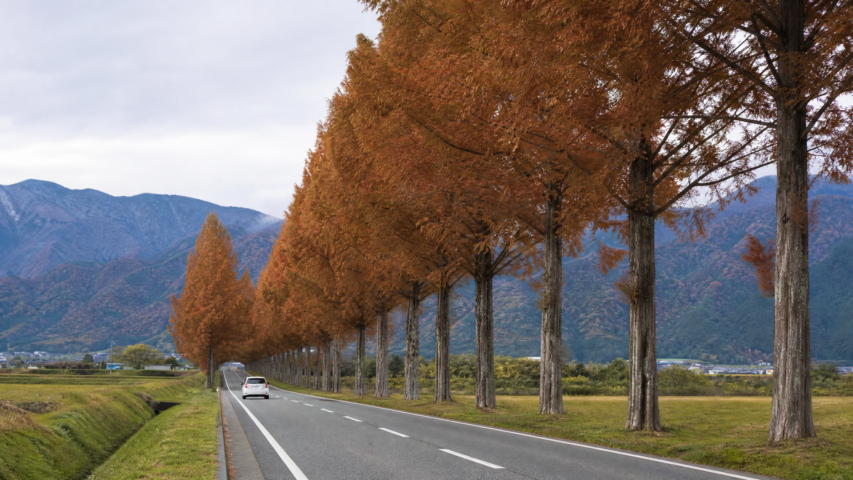
滋賀県高島市マキノ町のメタセコイア並木は、マキノピックランド周辺を通る県道に約五百本の木が約二・四キロメートル続く景観です。周辺は生活道路です。紅葉の目安は例年十一月下旬から十二月上旬です。色はモミジのような鮮紅ではなく、れんが色や茶色に見え、天候でも印象が変わるため、最新情報を確認しましょう。

先に目的地を設定する

カーナビは並木の途中ではなく「マキノピックランド」に設定するのが安心です。観光案内もこの設定を勧めています。京都方面からは西大津バイパス、湖西道路、国道一六一号を使う案内がありますが、当日はナビと道路標識を優先します。紅葉期は混雑します。駐車と散策の時間に余裕を置きましょう。

駐車してから歩いて楽しむ

駐車はマキノピックランドの無料駐車場を利用します。紅葉期には周辺に臨時無料駐車場が設けられる場合もあるため、当日の案内を確認してください。並木道の近くに停めると交通の妨げになり危険です。道路上や車のドアから撮影せず、安全な位置から歩いて眺めましょう。周辺は住宅地を含むため、ゆっくり走り、歩行者に配慮します。

  • 指定駐車場に一度停める
  • 車道に出ず足元にも注意して歩く
  • 撮影後は全員が乗車してから発進する

日本の基本ルールを守る

日本では左側通行です。JAFは、運転者が歩行者を優先すること、全席でシートベルトを着用すること、運転中に携帯電話やナビ画面に気を取られないことを案内しています。六歳未満の子どもにはチャイルドシートが必要です。速度は標識や路面表示に従い、ほかの車の速さでは決めません。出発前に次の目的地を設定し、荷物を固定して全員のベルトを確認すれば、並木を楽しんだ後も落ち着いて走れます。

道路状況、紅葉、臨時駐車場は変わります。出発前に高島観光案内とJAFの交通ルールを確認し、正しい目的地、適切な駐車、時間の余裕をそろえましょう。

Why this Shiga drive deserves a gentle plan

Metasequoia Avenue in Makino, Takashima City, is an easy place to understand and an easy place to underestimate. The tree-lined prefectural road runs through the area of Makino Pickland Agricultural Park in Shiga Prefecture. About 500 metasequoias line roughly 2.4 kilometres, creating a long, straight landscape with the Nosaka Mountains in the distance. It is a worthwhile rental-car stop for travellers who prefer scenery and a short walk to a packed checklist of attractions.

For autumn colour, timing matters more than a fixed date. The Lake Biwa Takashima Tourism Association places the usual foliage period from late November to early December and describes the colour as brick red or brown rather than the vivid red of maple leaves. Light, weather and viewing angle all change the appearance. Treat that period as a guide, not a promise: check the local status update shortly before leaving, especially if your trip is planned around photographs.

Set the destination before the car moves

Put “Makino Pickland” into the rental car’s navigation rather than attempting to stop at the most photogenic point on the avenue. The local visitor guide specifically recommends this destination setting. It is a simple choice that brings the day back to a proper arrival point instead of turning a public road into a search for a shoulder. If you are approaching from the Kyoto side, the association’s car directions use the Nishi-Otsu Bypass, Kosai Road and National Route 161; follow current navigation and road signs rather than memorising a route from an old blog post.

Build margin around the stop. Autumn crowds can slow the final approach, and a scenic road is not the place to make up time. Decide in advance whether this is a short leg-stretch, a walk near the park or one stop in a larger Shiga day. Keep your fuel level comfortable, bring rain protection, and avoid making a tight restaurant or check-in reservation immediately afterward. A calm timetable leaves room for traffic, a weather change or a parking instruction without turning the drive stressful.

Park once, then enjoy the avenue on foot

Use the free parking at Makino Pickland. The tourism association also says temporary free parking may be arranged nearby during the foliage season; check its latest notice on the day instead of assuming last year’s arrangement will apply. Do not park beside the tree-lined road. Local guidance asks visitors not to do so because it obstructs traffic, creates danger and disturbs the surrounding area. The same guidance notes that nearby roads are residential, so slow, considerate driving is part of the visit rather than an optional courtesy.

  • Park only in the designated area and take belongings with you.
  • Walk to your chosen viewpoint; keep clear of moving vehicles and watch your footing.
  • Take photographs from a safe position, never from the carriageway or a vehicle door.
  • Return to the car only when every passenger is ready, then leave without lingering at the roadside.

Apply Japan’s everyday driving rules

The destination may be rural, but the basic rules are the same everywhere. Japan drives on the left. JAF says drivers must yield to pedestrians, all occupants must wear seatbelts, and drivers must not use a phone or be distracted by car navigation while driving. A child younger than six must be secured in a child seat. Speed limits shown on signs and road markings apply, so use the posted limit rather than the pace of another car. These habits are especially useful after a photo stop, when passengers may be talking and the driver may be looking for the next turn.

Before moving off, set the next destination, secure cameras and bags, and have everyone buckle up. Keep the first few minutes quiet enough to re-enter traffic attentively. If the road is busy, skip a last-minute photo rather than stopping again. The best memory of Metasequoia Avenue is a relaxed walk among the trees, followed by a safe drive onward.

Check once more before departure

Road conditions, foliage and temporary parking can change. Review the Lake Biwa Takashima Tourism Association visitor guidance before departure, then use the JAF traffic-rules guide as a refresher for driving in Japan. With a correct destination, a legal parking plan and time to slow down, this Shiga autumn drive stays beautiful without asking the road to do more than it should.

先懂 ETC,日本高速公路租車更從容

日本高速公路連接機場、城市、山區與海岸景點,第一次租車時,收費站車道可能令人緊張。ETC 是電子收費系統,將 ETC 卡插入車內讀卡機後,可在適用車道以電子方式支付。出發前確認卡片與設備,便能減少猶豫。

取車時確認

向租車櫃檯確認車內是否有 ETC 讀卡機,以及能否連同車輛租用 ETC 卡。車內有讀卡機,不代表卡片已插入。也要詢問通行費如何計算,以及歸還車輛時如何結算。進入高速公路前,確認卡片方向與插入狀態,並把合約與緊急聯絡方式放在容易取用的位置。

  • 確認 ETC 卡、讀卡機與結算方式。
  • 出發前插入卡片,不要邊開車邊處理。
  • 把入口與出口交流道告知同乘者。

收費站看清楚車道

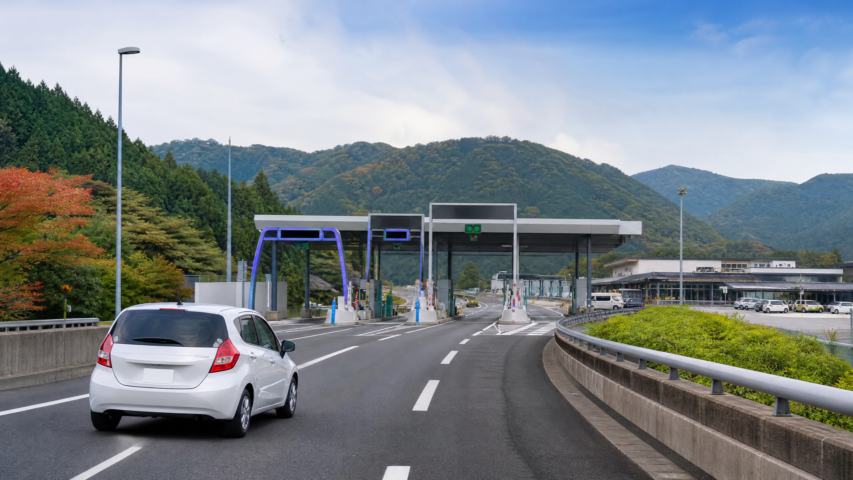
接近收費站時提早減速,依照現場標誌選擇車道。只有在 ETC 卡正確插入、車道開放時,才可使用 ETC 車道。欄杆沒有升起時絕對不要倒車,應安全停下,使用對講機或求助按鈕,按照工作人員指示處理。

規劃路線與休息

高速公路通行費會依距離與路線改變。出發前使用官方費用與路線查詢,確認入口及出口交流道名稱,再設定導航。有些定額方案只適用特定地區、日期、車輛或指定卡片;北海道方案不一定能在全日本使用,請查看最新官方條件。

服務區與停車區可用來休息及查看交通資訊。不要停在路肩查地圖,也不要因錯過出口而急停或逆向;繼續前進,在下一個安全出口調整路線。

高速公路安全習慣

  • 遵守靠左行駛與道路標示的速限。
  • 下雨、夜間或塞車時增加車距。
  • 感到疲勞前在服務區休息。
  • 提早注意塞車隊伍末端。
  • 不操作手機,也絕不酒後開車。

出發前五分鐘

確認天氣、交通、出口名稱、ETC 卡、導航與安全帶,再進入高速公路。安排緩衝時間,才能讓陌生的收費系統成為行程中可預期的一部分。

資料來源:日本國家旅遊局租車指南、中部運輸局自駕指南、NEXCO 東日本 ETC 資訊。

ETCで日本の高速道路を落ち着いて走る

日本の高速道路は空港や都市、観光地を結びます。初めてのレンタカー旅行では料金所が分かりにくいので、ETCカードと車載器を出発前に確認しましょう。ETCはカードを車載器に入れて料金を電子的に支払う仕組みです。

取車時の確認

車にETC車載器があるか、カードを借りられるか、料金の計算と返却時の精算方法を受付で聞きます。車載器があってもカードが入っているとは限りません。高速道路へ入る前にカードの向きと挿入状態を確認し、契約書と緊急連絡先もすぐ出せる場所に置きます。

  • カードと車載器を確認する。
  • 走行中ではなく出発前にカードを入れる。

料金所での注意

手前で減速し、現地の表示に従って車線を選びます。カードが正しく入っていて開いているETC車線だけを利用してください。バーが開かないときにバックしてはいけません。安全に停止して、係員の案内やインターホンを利用します。

経路と休憩を計画する

通行料金は距離と経路で変わります。公式の料金・経路検索で入口と出口の名称を確認し、ナビに設定しましょう。定額プランは地域、期間、車両、指定カードなどの条件があります。北海道向けの制度が全国で使えるとは限らないため、最新の公式情報を確認してください。

サービスエリアやパーキングエリアで休憩し、交通情報を確認します。路肩で地図を見たり、出口を過ぎて急停止したりしないでください。次の安全な出口まで進みます。

安全運転の基本

  • 左側通行と速度制限を守る。
  • 雨や夜間は車間距離を広く取る。
  • 渋滞の最後尾を早めに確認する。
  • 運転中のスマートフォン操作と飲酒運転をしない。

出発前の確認

天気、交通、出口名、ETCカード、ナビ、全員のシートベルトを確認してから本線へ入りましょう。余裕を持った予定が、安全な旅を作ります。

参考:日本政府観光局のレンタカー案内、中部運輸局のドライブガイド、NEXCO東日本のETC案内。

Why ETC preparation makes a Japan road trip calmer

Japan’s expressways connect airports, cities, mountain areas and coastal destinations, but toll gates can feel unfamiliar on a first rental-car trip. ETC, or Electronic Toll Collection, lets a vehicle pay electronically at a compatible gate instead of stopping to pay manually. A simple check before departure helps you choose the right lane, keep the correct card in the car and plan realistic driving time.

Before leaving the rental counter

Ask whether the car has an ETC card reader and whether an ETC card can be rented with the vehicle. Having a reader does not automatically mean that a card is inserted. Confirm the rental terms, how tolls will be calculated, and when payment will be settled. Check that the card is inserted in the reader before entering an ETC lane, and listen for the reader’s guidance if the vehicle provides it.

  • Confirm the ETC card, reader and rental procedure.
  • Check the card direction and insert it before driving onto the expressway.
  • Keep the rental agreement and emergency contact details easy to reach.

Choosing the correct toll lane

Follow the lane signs and reduce speed before the toll gate. Use a lane marked ETC only when the card is correctly inserted and the lane is open. Mixed lanes may accept more than one payment method, but always follow the sign displayed at that gate. Never reverse if a barrier does not open. Stop safely as instructed, use the intercom or assistance button, and follow the staff’s directions. Reversing at a gate creates a serious risk for vehicles behind you.

Plan the route, not only the destination

Expressway tolls depend on the route and distance. Use an official toll and route search before departure, then save the entrance and exit interchange names in your navigation system. Some special ETC discount plans are limited to particular regions, vehicles, dates or designated cards; availability and conditions can change. Do not assume that a plan for Hokkaido, Tohoku or another region applies across Japan. Check the current official page and the rental company’s conditions.

Allow time for service areas and parking areas. They are useful places to rest, refuel when appropriate, check traffic information and change drivers. Do not stop on the shoulder to check a map. If you miss an interchange, continue safely and leave at the next suitable exit instead of stopping or driving against traffic.

Safe expressway habits

  • Drive on the left and obey the posted speed limit.
  • Keep a generous following distance, especially in rain, darkness or heavy traffic.
  • Take regular breaks; fatigue can make a familiar road dangerous.
  • Watch for the end of a traffic queue and slow early.
  • Never use a smartphone while driving and never drive after drinking alcohol.

A five-minute departure checklist

Before joining the expressway, check the weather and traffic, confirm the destination interchange, verify the ETC card is inserted, adjust the navigation before moving, and make sure every passenger is buckled up. These small steps turn an unfamiliar toll system into a predictable part of the journey.

When a slower plan is the safer plan

A rental car gives you flexibility, not a reason to hurry. If rain, fog, strong wind or an unexpected queue makes the planned route uncomfortable, pause at a proper facility and review the official traffic information. A service area is a better place to make a decision than a narrow shoulder. Keep the driver focused on the road while another passenger checks the route, if possible.

Remember that a toll pass is not a guarantee of clear roads or faster arrival. It does not replace checking closures, weather or local signs. A route that looks short on a map may include steep sections, tunnels or long periods without a convenient stop. Build a little spare time into the day, especially when travelling with children, large luggage or more than one driver.

Sources: Japan National Tourism Organization rental-car guidance; Chubu District Transport Bureau drive guide; NEXCO East DrivePass/ETC information.

初到陌生路口,先慢下來

在日本租車自駕時,第一次經過陌生路口往往需要更早判斷。車道可能變窄,標誌可能不易一眼看清,行人也可能正等候穿越。即使導航在轉彎前才提示,也不要倉促操作。應在路口前提早減速,依序確認信號、車道箭頭、行人穿越道與周邊車流。出發前先熟悉租車的方向燈、雨刷、警示燈與導航操作,路口便不必分心尋找按鍵。

先看懂信號,再決定怎樣轉

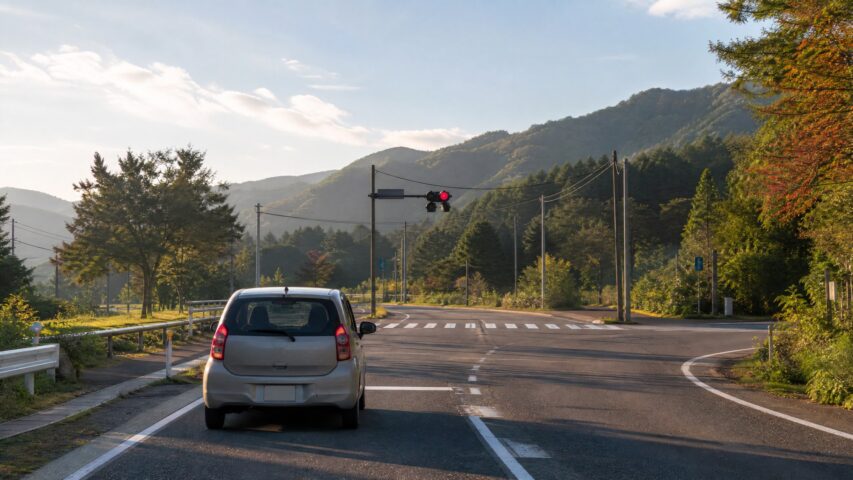
日本車輛靠左行駛。綠燈時,一般汽車可以直行、左轉或右轉,但轉彎時仍不可妨礙正在通行的行人或其他交通。紅燈時要在停止線前停車;黃燈亮起時,不應為了搶時間而加速,能安全停下就應停下。綠色箭頭表示,即使主信號是紅燈或黃燈,車輛仍可依箭頭方向前進。閃紅燈時必須先停再前進;閃黃燈時,則要注意其他用路人並謹慎通過。

進入路口前的確認

  • 提早確認行進方向的車道箭頭。
  • 不在最後一刻強行切入車道。
  • 及早打方向燈,查看後視鏡與車側。
  • 在停止線與行人穿越道前停妥。
  • 不操作手機;可請同行者協助看導航。

右轉與左轉,都要低速確認

右轉會橫越對向車流,因此即使是綠燈,也常要等待對向車通過。還要看即將進入的行人穿越道,確認行人與自行車後,再於安全間隔內轉彎。不要只憑對方方向燈、速度或位置猜測其動作;道路明確安全時才完成右轉,轉入後仍保持靠左。左轉時同樣要留意內側的行人與自行車,不要轉得過寬,並以低速通過。

錯過轉彎也比危險操作好

導航提示較晚而錯過轉彎很常見。此時應繼續直行,讓導航重新規劃,從合法、安全的位置再回轉。不要在路口倒車,不要停在行車道研究地圖,也不要為節省幾分鐘而選擇不安全的捷徑。每次起步前確認全員繫好安全帶、駕駛者完全未飲酒、遵守標示速限並禮讓行人;養成這些習慣後,便能從容面對每一個路口。

知らない交差点でも急がない

日本でレンタカーを運転する際、交差点では早めの判断が必要です。車線が狭く、標識が見えにくく、横断歩道に歩行者がいることもあります。ナビが曲がる直前に案内しても慌てず、手前から速度を落とし、信号、車線矢印、横断歩道、周囲の車を順に確認しましょう。出発前に方向指示器、ワイパー、ハザード、ナビの操作を確かめておきます。

信号を見てから進路を決める

日本では車は左側を通行します。青信号では普通自動車は直進、左折、右折ができますが、曲がるときも歩行者や交差点内の交通を妨げてはいけません。赤信号では停止線の手前で止まり、黄信号で急いで進まないでください。安全に止まれるなら止まります。青い矢印信号は、主信号が赤または黄でも矢印の方向へ進める合図です。点滅赤では車は停止してから進み、点滅黄では他の交通に注意して進みます。

交差点へ入る前の確認

  • 車線矢印を早めに見る。
  • 直前の無理な合流をしない。
  • 早めに合図し、ミラーと車の横を確認する。
  • 停止線と横断歩道の手前で止まる。
  • 携帯電話は操作せず、案内は同乗者に任せる。

右折と左折は低速で丁寧に

右折では対向車線を横切るため、青信号でも対向車が通り過ぎるまで待つことがあります。入る先の横断歩道を見て、歩行者や自転車を確認し、安全な間隔で右折します。相手のウインカーや速度だけで判断せず、道が確実に空いたときに曲がり、進入後も左側を走ります。左折でも内側の歩行者や自転車をよく見て、膨らみすぎず低速で曲がります。

曲がり損ねても安全を選ぶ

案内が遅く、曲がる場所を通り過ぎることはあります。そのときは直進し、ナビを再検索させ、合法で安全な場所から戻りましょう。交差点で後退したり、走行車線で止まって地図を見たりしてはいけません。全員のシートベルト、飲酒をしないこと、標識の速度を守ること、歩行者を優先することを毎回確認すれば、落ち着いて旅を続けられます。

Start calmly at an unfamiliar Japanese intersection

Driving a rental car is one of the most flexible ways to explore Japan, but an unfamiliar intersection can demand attention long before the light changes. Lanes may narrow, signs may be in Japanese, pedestrians may be waiting at a crossing, and a navigation voice may speak at exactly the wrong moment. The best response is not to rush. Slow down early, scan the whole junction, and leave enough space to make a legal choice rather than a last-second correction.

This guide focuses on a repeatable routine for ordinary roads. It is not a substitute for road signs or instructions from police, but it can help a visitor turn reliable rules into safer habits. Before departure, take a moment in the rental car to identify the indicator, wiper, hazard-light and navigation controls. Those small checks reduce distraction when you need to watch the road.

Read the signal before planning the turn

Japan drives on the left. At a green signal, ordinary motor vehicles may go straight, turn left or turn right, but a turn is never a reason to ignore people or traffic already using the intersection. A red signal means stop before the stop line. When a signal turns yellow, do not accelerate to beat it; stop if you can do so safely. A green arrow permits movement in the direction it shows even when the main signal is red or yellow.

Signal position can feel unfamiliar, so look well ahead instead of following the car in front automatically. At a flashing red signal, vehicles must stop before proceeding. At a flashing yellow signal, proceed carefully while watching for other road users. If a signal, sign, temporary control or police officer gives a direction, follow the direction that applies to your vehicle.

Use a simple approach routine

A calm approach gives you time to see lane arrows, crossing lines and people at the curb. Begin reducing speed before the junction rather than braking sharply at the line. Keep your eyes moving between the signal, mirrors, side road and pedestrian areas. In rain, dusk or glare, add more time and following distance because markings and movement are harder to read.

  • Stay in the left lane unless arrows, signs or your route require another lane.
  • Check the lane arrow early; do not cut across solid markings or force a late merge.
  • Signal in good time, then check mirrors and the area beside the car before changing direction.
  • Stop where the line requires, leaving the crossing clear for pedestrians.
  • Keep a phone put away and let a passenger handle navigation when possible.

Make right turns with patience

A right turn crosses traffic coming from the opposite direction, so it deserves extra patience. On a green light, position the car as the road markings allow, look for oncoming vehicles, and wait until there is a safe gap. Also check the crossing you will enter: people walking or cycling may be hard to notice when your attention is fixed on an approaching car. Do not assume that another driver’s indicator, speed or position guarantees what they will do. Complete the turn only when the path is clearly safe and remain on the left side of the road you enter.

For a left turn, reduce speed and check the inside area carefully for pedestrians and bicycles. Do not swing wide into another lane. In both directions, smooth steering and a low speed give you time to respond if someone enters the crossing.

Let missed turns become safe detours

Visitors sometimes make a mistake because the map suggests a turn too late. Missing a turn is inconvenient; an abrupt maneuver is dangerous. Continue ahead, let the navigation recalculate, and choose a legal, calm place to turn around. Never reverse into an intersection, stop in a live lane to study the map, or use an unsafe shortcut just to recover a few minutes.

Finish every drive with the same safety priorities

Before moving off, confirm that every occupant has a seatbelt and that the driver is rested and fully sober. Keep within the posted limit, yield to pedestrians, and put attention ahead of the itinerary. With a little preparation and a willingness to wait, Japanese intersections become less stressful and leave more of the day for the places you came to see.

自助加油先求從容

在日本自駕時,使用自助加油站很常見;面對日文螢幕、又是剛取到的租車,難免會緊張。最重要的是不要趕時間。先確認燃料種類,再拿起油槍;看不懂的畫面就請站務人員協助。租車公司的車輛說明與還車條款,永遠優先於一般建議。

進站前先確認

請從租約、油箱蓋附近標示、車輛手冊或交車說明確認燃料。不要依車身大小或旁邊車輛猜測。租車可能指定一般汽油、高級汽油或柴油。也先看油箱蓋在左側或右側,選擇油管能自然伸到的位置,不要勉強拉扯油管。

  • 先備妥付款方式,再依油機畫面的順序操作。
  • 不確定是否為自助加油機時,先詢問站務人員。
  • 看不懂選項時,不要用猜的反覆嘗試。

油機前的安全順序

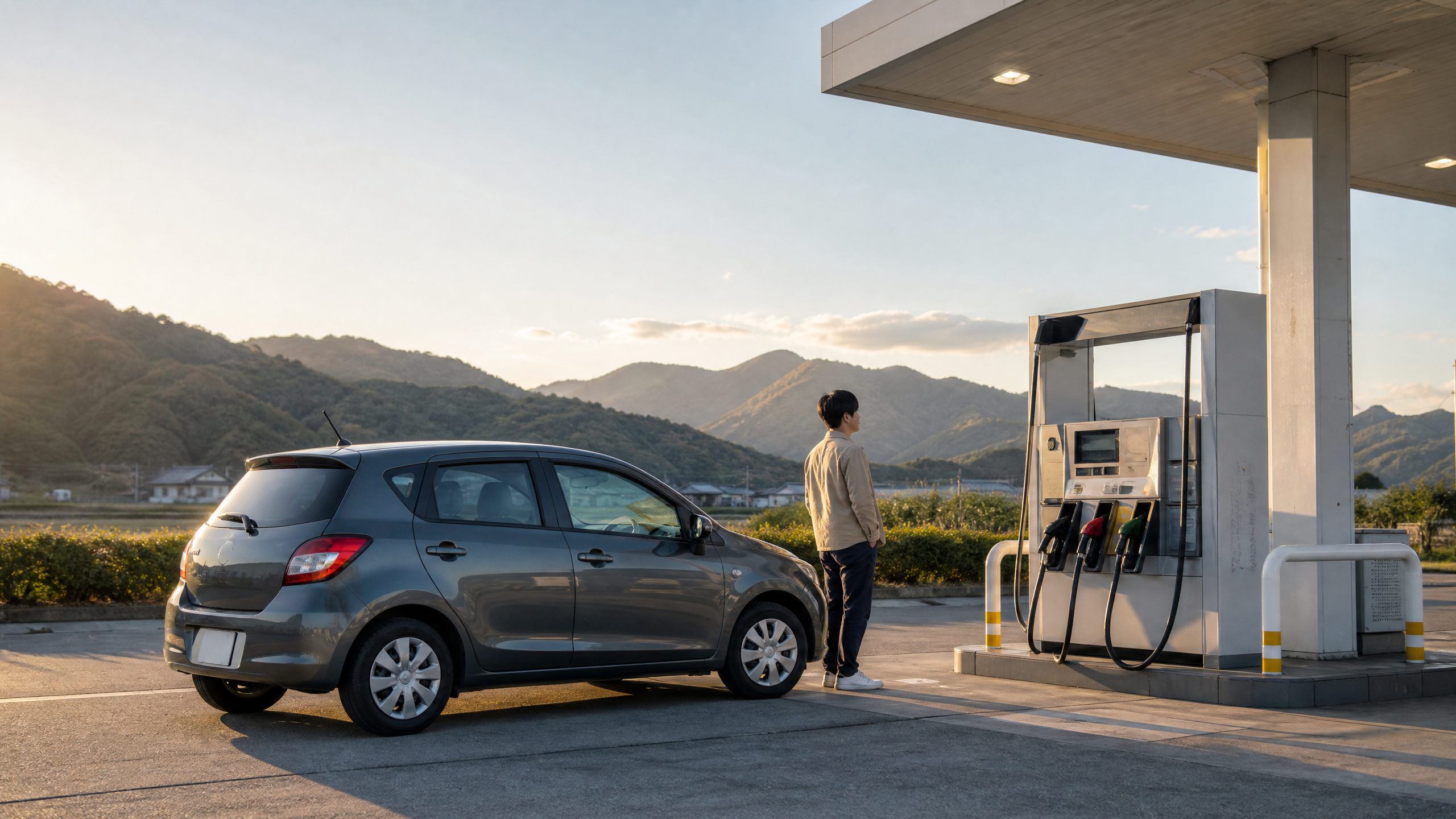
停在油機前後,將排檔放入停車檔並熄火,關好車窗與車門。使用車內開關打開油箱蓋,再閱讀油槍與螢幕上的燃料名稱;不能只靠顏色判斷。日本汽車聯盟說明,若以顏色標示,高級汽油為黃色、一般汽油為紅色、柴油為綠色,但文字標示才是必要確認。

  • 打開油箱蓋前,先觸摸除靜電墊;沒有時可觸摸車輛金屬部位。
  • 只選擇租車指定的燃料,確實插入油槍。
  • 給油期間留在車旁;油槍自動停止後,不要強行繼續加油。
  • 放回油槍、關緊油箱蓋與外蓋,並保留需要的收據。

畫面或付款步驟不明時

不要為了找答案而不斷嘗試燃料選項。若畫面有取消選項,依正常程序取消,放回油槍後請站務人員協助。若不接受預定的付款方式,安全離開再找其他加油站即可。車內ETC插槽不是一般信用卡或金融卡的讀卡機,切勿插入普通卡片。

讓還車日更輕鬆

開往還車營業所前,先確認租約的加油規定;若條款要求證明,保留收據。最後一次加油要預留時間,因為排隊、第一次操作或需要請人協助,都不該壓縮到還車時刻。遵守現場公告,不可吸菸或使用打火機;若油槍很快停止或出現警示,別反覆拉動扳機,直接請站務人員查看。

セルフ給油は落ち着いて進める

日本のドライブでは、セルフ式ガソリンスタンドを使うことがあります。日文表示や借りた車に不安でも、急がないことが大切です。燃料の種類を確認し、分からない画面はスタッフに尋ねましょう。車種別の案内と返却条件は、レンタカー会社の説明を優先します。

入店前に確認すること

燃料の指定は契約書、給油口付近の表示、車両案内、受け取り時の説明で確認します。車の大きさや他の車を見て推測してはいけません。レギュラー、ハイオク、軽油のどれが必要かを確認し、給油口が左右どちらにあるかも見て、ホースを無理に引っ張らず届く位置に停めます。

  • セルフか判断できないときは、給油前にスタッフへ確認します。
  • 表示が理解できなければ、推測で操作しません。

給油機で守る順番

給油機の前に停車したら、パーキングに入れてエンジンを切り、窓とドアを閉めます。車の操作で給油口を開け、ノズルと画面の燃料名を読みます。色だけで決めないでください。JAFの案内では、色が使われる場合、ハイオクは黄色、レギュラーは赤、軽油は緑です。

  • 給油キャップを開ける前に静電気除去シートに触れます。
  • ない場合は、車の金属部分に触れます。
  • 指定された燃料だけを選び、ノズルを確実に差し込みます。
  • 自動停止したら追加せず、ノズルを戻してキャップを閉めます。

画面や支払いが分からないとき

説明を求めて燃料選択を試し続けるのは危険です。取り消せる場合は通常の手順で中止し、ノズルを戻してスタッフを呼びます。希望する支払い方法に対応していなければ、別のスタンドを利用しましょう。車載ETCの差込口に、通常のカードを入れてはいけません。

返却日に慌てないために

返却営業所へ向かう前に契約の給油条件を確認し、必要ならレシートを保管します。最終給油には時間の余裕を持たせてください。返却時刻の直前を避ければ、落ち着いて対処できます。異常があればスタッフへ相談しましょう。