日元

Blog

Start with the setting, not the accelerator

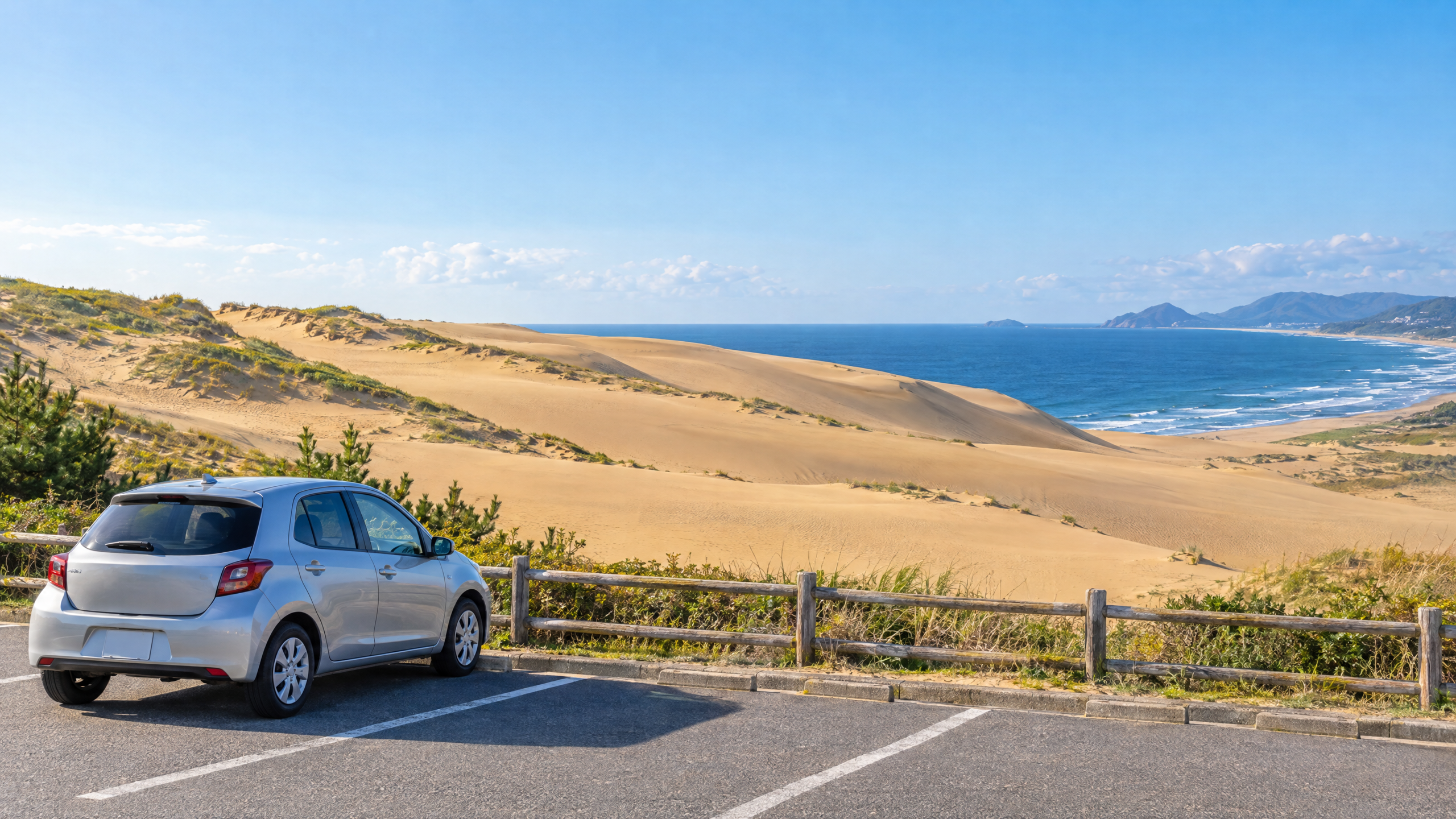
Tottori Sand Dunes are a striking coastal landscape, but the best rental-car visit begins with a simple idea: the car gets you to the access point; it is not part of the dune experience. Plan the drive, park in the designated area, and then enjoy the landscape on foot. This keeps the arrival calm and prevents the common mistake of trying to adjust a route or find a viewpoint while already moving through an unfamiliar area.

Before leaving your accommodation or rental counter, enter the destination and the return location in the navigation system. Save the visitor center or parking location as a separate point, not only the broad attraction name. The official visitor guidance directs drivers to the Tottori Sand Dunes Parking Lot in front of the Visitor Center. Check the day’s weather, wind and any visitor information before departure, then let a passenger handle map changes once the journey starts.

Make the pickup a short safety reset

A first drive in a rental car is the right moment to slow down. Adjust the seat and mirrors, locate the hazard-light switch, and confirm how the parking brake, fuel door and navigation controls work before entering traffic. Japan drives on the left, and JAF reminds drivers that all occupants must use seatbelts. Those habits matter especially when the driver is concentrating on an unfamiliar vehicle and a new road environment.

Put bags, cameras and loose footwear where they cannot slide into the driver’s footwell. If you travel with sand-friendly shoes, keep a separate bag or mat ready for them after the visit. The goal is not to make the car spotless; it is to keep the pedals, driver’s view and cabin clear for the drive back.

Use the parking area as the transition point

On arrival, follow local signs and use the designated parking area rather than stopping at the roadside to decide what to do next. Park fully within the marked space, secure the car and take a minute to check the return route before walking away. This is also a good time to note where you parked; large outdoor areas can look different after a long walk, changing light or a busy period.

  • Keep valuables out of sight and take only what you need.
  • Bring water and clothing that suits the weather and wind.
  • Use a secure bag for phones and cameras rather than carrying them loosely.
  • Make a meeting point before your group spreads out across the walking area.

The Visitor Center is useful for current seasonal information and nearby-facility guidance. Treat it as the place to confirm practical details before the walk, not as a reason to keep checking a screen while driving.

Plan for wind, sand and attention

At a dune landscape, wind can make an easy walk feel very different from what you expected. Check conditions on the day, protect eyes and electronics as needed, and keep your group together when visibility or comfort changes. Do not turn a changing forecast into a reason to rush. If the weather feels unsuitable, take a break, use the facilities and decide whether to shorten the visit.

When returning to the car, shake or brush sand from footwear and bags away from the vehicle where possible. Then sit down, fasten seatbelts and take one unhurried minute before moving. Set the next destination while parked. JAF specifically cautions drivers not to be distracted by car-navigation systems, so a safe stop is always better than a last-second screen adjustment.

Leave with the same patience you used to arrive

The drive away deserves as much attention as the approach. Expect people to be walking near the parking area, look carefully before reversing, and rejoin the road at a measured pace. There is no benefit in making up time after a scenic stop. If the day includes another destination, build in a rest and fuel check rather than assuming every facility will be available exactly when needed.

A relaxed visit to Tottori Sand Dunes is built from small choices: prepare the car before moving, park where visitors are directed, respect the weather, and keep navigation changes for safe stops. That routine lets the landscape remain the focus while the rental car does its quieter job—getting everyone there and back safely.
先把道路當成行程主角

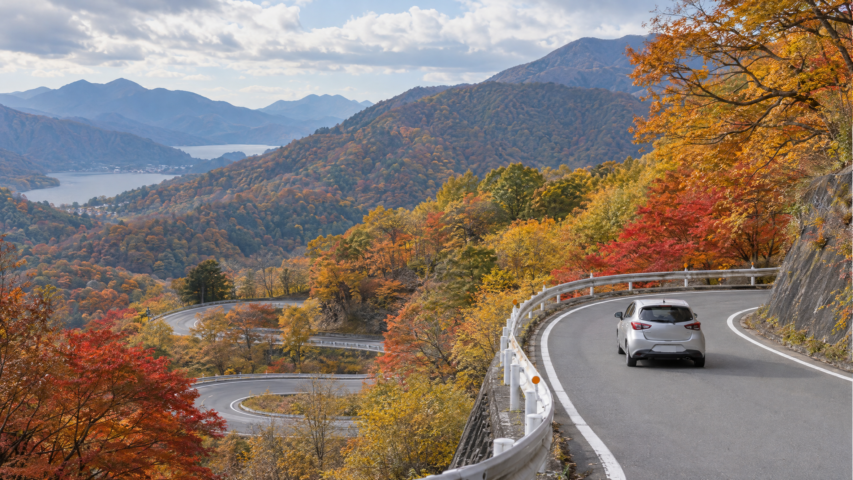
伊呂波坂位於栃木縣日光,是國道120號連接日光市區與奧日光的山路,共有48個急彎。日光官方旅遊資訊指出,賞楓約在10月中旬到11月初,遊客增加時容易出現車潮。租車自駕請把安全通過山路當成主要行程;天氣、低雲、雨勢或假日壅塞都可能拉長車程。若比預期慢,減少停留,不在彎道趕時間。

進山前看懂單向通行

栃木縣說明,第二伊呂波坂自馬返起為上坡單向通行;通過明智平纜車停車場後便無法折返。若明智平是確定要去的停靠點,請在上坡途中依標示進入指定停車場。不可在行車道臨停,也不可為了錯過景點而迴轉。回程請依道路標誌與導航指引行駛,不要假定上坡道路也能用於下坡。目的地應在停妥車輛後輸入;錯過觀景點只會影響行程,倉促變換方向卻可能影響安全。

上坡前的短暫整備

開始爬升前,找合法停車處整理車內。確認每位乘客都繫好安全帶、擋風玻璃視線清楚,且沒有物品會滑到踏板附近。日本靠左行駛,速度應以現場標誌與路面標示為準。行車中不要操作手機或導航;若有同行者,可由乘客處理拍照與路線調整。

  • 遇到雨勢、陰影或霧氣使視線下降時,適當使用除霧與燈光。
  • 出發前確認燃油足以應付較慢車流,不等到油量偏低才尋找加油站。
  • 固定雨傘、購物袋與相機;駕駛在合法停車前不看風景。

一次專注一個彎

進入彎道前先平順減速,轉向時保持穩定,並與前車留下可從容煞車的距離。不必追隨熟悉道路的車速,也不要在未明確允許的空間停靠。秋色值得欣賞,但應等車輛停在合適地點後再欣賞。若導航提示與標誌不同,應以標誌為優先,並在安全合法的地方重新規劃。

下山與歸還租車也要保留時間、日照與燃油。伊呂波坂的美好,來自山景與道路本身的節奏:先核實路況,遵守單向規則,把車潮算進行程,專心通過下一個彎,便能在安全的地方好好賞楓。

Autumn hairpin road in Nikko Irohazaka, Japan

景色より先に道路を読む

日光市街と奥日光を結ぶ国道120号のいろは坂には、48の急カーブがあります。公式観光情報では、紅葉の見頃はおおむね10月中旬から11月初めで、この時期は渋滞が見込まれます。景色を楽しむ日でも、移動時間を多めに取り、到着時刻を固定しすぎない計画にしましょう。雨、霧、週末の車列で遅れたら、立ち寄りを減らして急がない判断が安全です。

上り一方通行を確認する

栃木県は第二いろは坂を馬返から上り一方通行と案内しています。明智平ロープウェイ駐車場を通過すると戻れないため、寄るなら上りの途中で指定駐車場を使います。走行車線に停めたり、通り過ぎた展望地点へ戻ろうとしたりしないでください。下りは標識とナビに従い、上りと同じ道を使えるとは考えないことが大切です。

出発前とカーブでの基本

停められる場所で、全員のシートベルト、前方視界、足元の荷物を確認します。日本は左側通行で、速度は標識や路面表示に従います。目的地の入力や写真撮影は、発進前か駐車後に済ませましょう。

  • 雨、日陰、霧で見えにくい時は、灯火とデフロスターを適切に使う。
  • 渋滞でも余裕を保てるよう、登る前に燃料を確認する。
  • 傘やカメラを固定し、運転者は駐車するまで景色を見ない。

カーブの手前で滑らかに減速し、前車との間隔を保ちます。慣れた車の速度に合わせず、標識と異なる案内が出た時は標識を優先します。濡れた路面や落ち葉で路肩が見えにくい時ほど、急な操作を避けてください。

下りと返却にも余裕を残す

下山とレンタカー返却のために、時間、日照、燃料を残しましょう。いろは坂の魅力を安全に楽しむ鍵は、条件を確認し、一方通行を守り、混雑を予定に入れ、次のカーブに集中することです。

Autumn hairpin road in Nikko Irohazaka, Japan

Why Irohazaka needs a calm plan

Irohazaka is the winding section of National Route 120 between the Nikko area and Oku-Nikko in Tochigi Prefecture. The official Nikko visitor information describes 48 sharp curves, so this is not a road to treat as a quick scenic shortcut. Its autumn colours are especially popular from about mid-October to early November, which is also when visitor traffic can build. A rental-car day here works best when the road itself is the main task and every stop is optional.

Begin by checking the day’s weather, road notices and the opening information for any place you hope to visit. Rain, low cloud or a busy weekend can change both visibility and travel time. Build generous time into the route rather than promising yourself a fixed arrival time at Lake Chuzenji, Kegon Falls or another stop in Oku-Nikko. If the journey is slower than expected, the safe choice is to shorten the plan, not to hurry through bends.

Know the direction before you enter

The Irohazaka roads use one-way traffic in the mountain section. Tochigi Prefecture identifies the Second Irohazaka as an uphill one-way route from Umagaeshi and warns that, after passing the Akechidaira Ropeway parking area, drivers cannot return to it. Decide before leaving Nikko whether Akechidaira is a genuine stop for your day. If it is, use the designated entrance and parking only on the uphill journey; do not stop in a travel lane or attempt to turn around.

For the return trip, follow the posted signs and the navigation route instead of assuming that the road used uphill is available downhill. Set the destination while parked, and keep a paper or offline backup if you are unfamiliar with the area. One-way mountain roads reward an unhurried driver: missing a viewpoint is less serious than making a late lane change or trying to reverse a decision.

Prepare the car and the people

Before starting the climb, make a short reset at a lawful parking place. Check that everyone is wearing a seatbelt, that loose bags will not move under the pedals, and that the driver can see clearly through the windscreen. Japan drives on the left, and the published limit or road marking always takes priority over a general expectation. Keep the phone away while driving; a passenger can handle route changes, photos and messages.

  • Use the rental car’s demister and lights when rain, shade or mist reduces visibility.
  • Keep enough fuel for a slower-than-planned day and do not rely on a particular station being convenient after the climb.
  • Choose shoes that allow controlled pedal use, then secure umbrellas, shopping bags and cameras before moving.
  • Agree that the driver will ignore scenery until the vehicle is safely parked.

Drive one bend at a time

On a series of tight curves, look through the bend and keep your attention on lane position, signs and the vehicle ahead. Reduce speed before entering a curve, steer smoothly and leave a gap that lets you brake progressively. Do not follow the pace of a driver who knows the road better, and do not use a pull-off unless signs clearly permit it. Autumn colour is a reason to slow the schedule, not a reason to look away from the road.

Expect buses, local traffic and drivers who may be hesitant on unfamiliar bends. Be patient if traffic pauses. Avoid passing, abrupt braking and sudden steering. If the car’s navigation gives an instruction that conflicts with a sign, obey the sign and recalculate after reaching a safe, legal place. These habits matter even more when the road surface is wet or fallen leaves make edges harder to read.

Finish with a flexible return

Plan the descent and rental-car return with the same care as the ascent. Leave enough daylight and fuel for the road back, especially if your collection point or accommodation is outside central Nikko. Before moving again after a viewpoint or rest stop, check mirrors, enter the route while parked and give passengers a moment to settle in.

Irohazaka can be memorable because it combines mountain scenery with a demanding road. The best rental-car plan is simple: verify conditions, respect the one-way system, allow for queues and keep your eyes on the next curve. The colours will still be there when you reach a proper place to enjoy them.

Autumn hairpin road in Nikko Irohazaka, Japan

狹窄道路最重要的是不著急

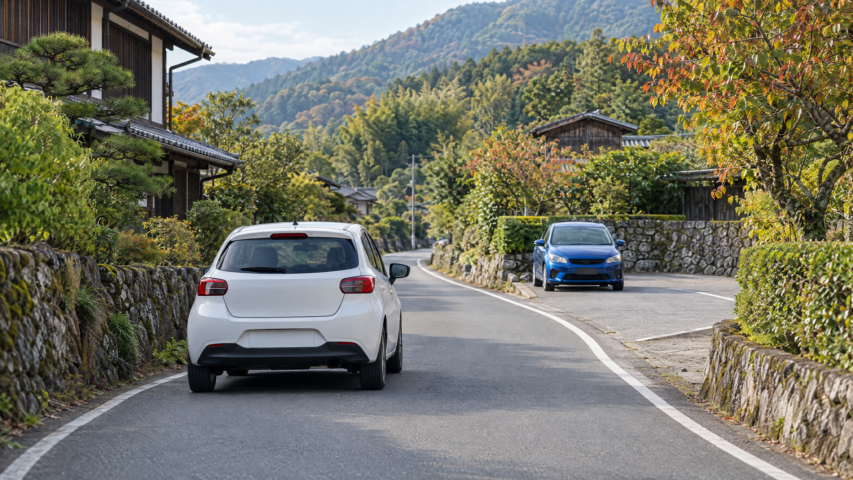
在日本租車自駕時,從寬闊的主要道路轉入住宅區、景點周邊或山間聚落後,常會遇到沒有中央線的狹窄道路。當兩輛車無法從容並行,重點不是勉強前進,而是保留足夠的時間與空間,冷靜處理對向車、行人或自行車。日本採左側通行,行人優先;駕駛時也不應操作手機,或因注視導航螢幕而分心。

導航顯示捷徑,不代表那條路適合第一次前往的旅客或目前的車輛尺寸。若覺得道路不舒服,請放慢速度,尋找可以安全迴轉的位置,或回到較寬的道路。平安抵達比少花幾分鐘更重要。

進入小路前先做好準備

在道路變窄前先準備好,遇到狀況時就更有餘裕。取車時可確認車寬、後視鏡、倒車攝影機與停車感應器的視野。目的地或下一站的導航設定,務必在停車後完成。速度應依標誌與路面標示行駛;視線不佳、下雨或路面濕滑時,請再減速。

  • 依人數與行李選車,不必為了方便而選過大的車型。
  • 事先查看住宿、停車場或景點最後一段的進入道路。
  • 雨天或天色將暗時,為最後幾公里預留更多時間。
  • 把租車公司的聯絡方式放在容易找到的位置。

發現對向車就及早減速

視線不要只停在車頭前方,也要看向前方轉彎處與更遠的道路。提早看見對向車、送貨車、自行車或行人,就有時間選擇安全且視野清楚的較寬處等待。若需要讓車,應提早減速、適時打方向燈,必要時完全停下,留出讓對方通過的空間。

  • 不要為了讓車而駛上路緣、行人空間或不明顯的路肩。
  • 不要在看不見前方的彎道旁強行會車。
  • 後視鏡與倒車攝影機只作輔助,仍要親自確認車輛周圍。
  • 對空間沒有把握時,等候幾秒比擦撞後視鏡或牆面安全。

需要倒車時,先停下再判斷

有時倒退到較寬的位置,反而是更安全的做法。先把車停穩,確認要退到哪裡,再觀察車後與車旁,配合後視鏡和攝影機,只倒退必要的距離。若一個人無法安全倒車,不要臨時硬做;可在不妨礙交通的前提下等待,並視情況聯絡租車公司。狹窄道路並不是行程失敗,只要預留時間、保持左側、禮讓行人並及早選擇安全位置,就能平穩通過。

狭い道では「急がない」が最優先

日本でレンタカーを運転すると、住宅地や観光地の周辺で、センターラインのない細い道に出会うことがあります。二台が余裕をもって並べない場所では、進み続けるより、落ち着いて安全な判断をすることが大切です。車は左側を通行し、歩行者が優先です。スマートフォンやナビ画面に気を取られず、道路の端までよく見ましょう。

ナビの近道が、初めて走る人や車の大きさに合うとは限りません。不安なら速度を落とし、安全に引き返せる広い道を選びましょう。無事に着くことが優先です。

細い道に入る前の確認

狭くなる前に、車幅、ミラー、バックカメラを確かめましょう。目的地の入力は必ず駐車してから行います。標識や路面表示の速度に従い、雨や見通しの悪い場所では慎重に走ります。

  • 荷物と人数に合う、必要以上に大きくない車を選ぶ。
  • 宿や駐車場までの最後の区間を確認する。
  • 雨や日暮れ前は到着に余裕を持たせる。
  • レンタカー会社の連絡先を用意する。

対向車を見つけたら早めに減速

車の前だけでなく、曲がり角の先まで見ます。対向車や歩行者を早めに見つければ、安全に待つ場所を選べます。少し広く見通しのよい場所で早めに減速し、必要なら停止して通行空間を残します。

  • 縁石や歩道に乗り上げて無理に道を空けない。
  • 見えないカーブの横で強引にすれ違わない。
  • ミラーとカメラを補助にし、周囲を自分の目でも確認する。
  • 空間に迷いがあるときは、数秒待つ判断を選ぶ。

狭い場所を急いで通ることに価値はありません。ミラー、壁、駐車車両に触れる危険が少しでもあるなら、待つほうが安全です。

後退するときの注意

より広い場所まで下がるほうが安全な場合もあります。まず停止し、後方と車の周囲を確認します。ミラーやカメラも使い、必要な距離だけゆっくり下がりましょう。一人で安全に後退できないなら、無理に動かさず会社へ相談します。旅程に余白を入れれば、慌てずに通過できます。

Why narrow roads need a different plan

A rental-car trip in Japan can move quickly from a broad main road to a lane with no centre line. This is common around residential streets, rural settlements, scenic viewpoints and smaller attractions. The challenge is not to prove that you can keep moving. It is to leave enough time and space to make calm decisions when an oncoming car, a pedestrian or a cyclist appears. Japan Automobile Federation guidance emphasises keeping left, giving pedestrians priority and avoiding distraction from a phone or navigation screen. Those habits matter even more when the road is too narrow for two vehicles to pass comfortably.

Before the wheels get close to an edge, reset the goal: arrive without rushing. Do not treat a navigation shortcut as a promise that the road will suit every driver or every vehicle. If a route becomes uncomfortable, it is reasonable to slow down, find a safe place to turn or return to a wider road.

Prepare before you enter the small streets

Good decisions are easier before the road narrows. At the rental counter, take a minute to understand the car’s width, mirrors, reverse camera and parking sensors. Set the destination and any next stop while parked. In Japan, using a phone while driving or focusing on the navigation screen is not acceptable; pull over legally and safely before changing the route.

  • Choose a vehicle size that suits your passengers and luggage without taking more space than your trip needs.
  • Review the final approach to your accommodation, car park or attraction, rather than looking only at the long-distance route.
  • Allow extra time for a slower final few kilometres, especially after dark or in rain.
  • Keep the rental company’s contact details available in case you need route or vehicle help.

Road signs and road markings set the applicable speed limit. On a narrow road, the posted limit is not a target to reach. Reduce speed further whenever sightlines, surface conditions or other road users call for it.

When an oncoming vehicle appears

Look well ahead, not only at the bonnet. You may spot an approaching car, a delivery vehicle, a pedestrian or a bicycle before the space becomes tight. Ease off the accelerator early and look for a safe, clearly visible widening, lay-by or entrance that is genuinely suitable for stopping. Do not mount a kerb, enter a pedestrian space or force a pass beside a blind bend simply to avoid waiting.

  • Signal your intention early if you are moving into a safe place to wait.
  • Stop fully if needed and leave the other driver room to complete the pass.
  • Use the car’s mirrors and camera as aids, while still checking directly around the vehicle.
  • Keep your steering smooth and your attention outside the car; do not let a passenger’s directions distract you.

There is no prize for squeezing through. If the available space is uncertain, wait. A few quiet seconds are safer than a scrape with a mirror, a wall or a parked vehicle.

If you must reverse, make it deliberate

Sometimes the safer choice is to reverse to a wider point. First stop, secure the car and assess where you can go. Check behind and around the vehicle, use the mirrors and camera, and reverse slowly only as far as necessary. A passenger can help by watching from a safe location if this can be done without stepping into traffic. If you cannot reverse safely, do not improvise. Stay calm, use hazard lights only when appropriate to warn other road users, and contact the rental company if you need assistance.

At a stop sign, make a complete stop and check both directions before proceeding. The same calm observation helps on every constrained road: pedestrians have priority, traffic keeps left, and your next movement should be one you can complete safely.

Build space into the day

Narrow local roads are part of the character of many Japanese destinations, not a failure in your plan. Schedule fewer fixed-time stops, avoid arriving at an unfamiliar rural address at the last minute, and give the driver permission to choose the wider route. With the route set while parked, the speed kept modest and a safe waiting place chosen early, a narrow road becomes a manageable part of the drive rather than a stressful surprise.

先規劃停靠處,再欣賞秋景

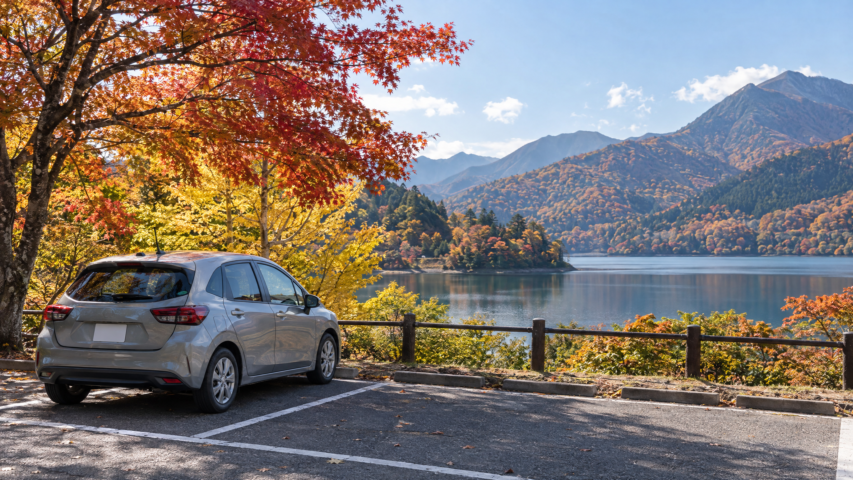
秋天在日本開車,轉過彎便可能看見染色的山林、湖面或樹列。對租車旅客而言,最安全的反應不是立刻煞車拍照,而是出發前就把合適的停靠處排進行程。即使只是短暫休息,也不能讓後方車流措手不及,或讓同行者走到車道上。

看得到風景,不等於可以停車。道路標誌或標線禁止停車、停靠的地方不能使用;交叉路口、人行穿越道、自行車穿越道、平交道、陡坡、坡頂附近與隧道等處也不可任意停靠。道路看似安靜時,日照、濕滑路面、步行者、自行車與賞景人潮仍可能很快改變情況。

導航要設定停車場

規劃路線時,先標記展望設施、公營停車場、道之驛、公園或景點的訪客停車場。導航只能在安全停妥後操作,或交由乘客處理。目的地最好輸入實際可進入的停車場,而不是只輸入看風景的位置。

  • 儲存停車場,不只儲存景點名稱。
  • 為客滿、步行或錯過轉彎保留時間。
  • 預先選好第二個合法停靠處。
  • 到達後閱讀標誌、收費方式與限制。

鄉間道路常有從車窗就能看見的景色,但真正安全的停車處可能在幾分鐘之後。繼續開到合法位置並不是錯過風景,而是讓全車都能安心欣賞的選擇。

不要把車道當成停車場

接近地點時,應提早減速並預留距離打方向燈。注意停放車輛間走出的人、自行車、突然開啟的車門與倒車的車輛。車子要完全停入車格,不可突出到車道、步道或出入口。如果合法車位已滿,不要停在道路上等待別人離開;請前往備用地點。開啟警示燈也不會讓危險或禁止的停靠變得可以接受。

拍照休息與離開時的安全

停好後請上鎖,將貴重物品帶走或收在看不見的位置。可行時從較安全的一側下車,並使用步道、人行道或觀景平台,而非站在路邊。駕駛人在行進中拍照或操作導航都很危險。秋天比夏天更早天黑,雨、逆光、霧與落葉也會改變視線。離開前確認周圍、後視鏡與死角,讓行人先通過後再慢慢駛出。遵守靠左行駛、禮讓行人、全員繫妥安全帶與行車時不碰手機,就能更安心享受日本秋日自駕。

景色の前に停車場所を決める

秋の日本では、しかしレンタカーでは、景色が見えた瞬間に止まるのではなく、出発前から駐車場所を行程に入れることが安全です。写真休憩でも、後続車を驚かせたり、同乗者を車道へ出したりしてはいけません。

景色が見える場所と止まってよい場所は同じではありません。標識や標示で停止・駐車が禁止された場所のほか、交差点、横断場所、踏切、急な坂、坂の頂上付近、トンネルなどでは止まれません。

ナビには駐車場を登録する

ルートを決める時は、展望施設、公営駐車場、道の駅、公園、観光施設の駐車場を登録します。ナビ操作は駐車後か同乗者に任せます。実際に車を入れられる場所を目的地にします。

  • 駐車場をナビに保存する。
  • 満車や徒歩の時間を見込む。
  • 代替の停車場所を決めておく。
  • 案内板、料金、時間制限を確認する。

地方道では安全な駐車場が少し先にあることもあります。合法の場所まで走ることは、景色を逃すことではなく、落ち着いて楽しむための選択です。

車道を駐車場にしない

近づいたら早めに減速し、余裕を持って合図します。駐車車両の間を歩く人、自転車、開くドア、後退する車に注意してください。区画内へ完全に入れ、車線、歩道、出入口をふさがないようにします。空きがなければ道路上で待たず、次の候補へ進みます。ハザードランプを点けても、危険または禁止された停車が安全になるわけではありません。

写真休憩と再出発の基本

駐車後は施錠し、車道ではなく歩道、遊歩道、展望デッキを使います。運転中に写真を撮ったり、ナビを操作したりするのは危険です。秋は夏より早く暗くなり、雨、逆光、霧、落ち葉で見え方も変わります。発進前は周囲、ミラー、死角を確認し、歩行者を先に通してゆっくり出ます。左側通行、歩行者優先、全員のシートベルト、運転中にスマートフォンへ触れないことを守り、秋の景色を安心して楽しみましょう。

Autumn views deserve a planned stop

Japan's autumn colors can make every bend in the road feel like a photo opportunity. For a rental-car driver, the safest response is not to brake at the first beautiful view. It is to build proper stops into the day before leaving. A short photo break should never create a surprise for traffic behind you, put passengers into the roadway, or turn a narrow shoulder into an improvised parking space.

Start with a simple rule: a view is not automatically a stopping place. Japan's road rules prohibit stopping or parking where signs or markings say so, and at locations such as intersections, crossings, tunnel sections, steep slopes, and the top of a hill. Those restrictions matter even when the road looks quiet. In autumn, changing light, wet surfaces, walkers, cyclists, and other sightseers can make a casual stop less predictable than it appears.

Choose the stop before you reach the view

When planning a route, mark official parking areas, observation facilities, public car parks, roadside stations, parks, or attractions with visitor parking. Use the map only while safely parked or let a passenger handle it. If a destination has several viewpoints, choose one with a clear parking option rather than assuming that a roadside space will be available.

  • Save the parking destination, not only the scenic point, in the navigation system.
  • Allow extra time for a full car park, a short walk, or a missed turn.
  • Keep a second approved stop in mind, so you can continue calmly if the first one is busy.
  • Check local signs and any temporary restrictions on arrival.

This approach is especially useful on rural roads. A viewpoint may be visible from the carriageway, but the safe place to enjoy it may be a few minutes farther on. Continuing to a legal parking area is a good decision, not a missed opportunity.

Arrive without making the road your parking lot

As you approach the chosen stop, reduce speed early and signal in good time. Look for pedestrians walking between parked cars, cyclists, opening doors, and vehicles reversing out. Enter a marked bay fully; do not leave any part of the car protruding into a lane, path, entrance, or emergency access area. Read the payment, time-limit, and site signs before walking away.

If there is no available legal space, do not wait on the road for another car to leave. Continue to the backup stop or return later. Do not stop on a curve, near the crest of a hill, by a crossing, or on a narrow roadside simply to take a photograph. Hazard lights do not make an unsafe or prohibited stop acceptable.

Make the photo break easy on everyone

Once parked, secure the car, take valuables with you or keep them out of sight, and make sure children leave on the safer side where possible. Keep clear of moving vehicles and use marked paths, viewing decks, or sidewalks instead of standing at the road edge. A passenger can take a quick road-side photo only after the car is already in a lawful space; the driver should never try to frame a scene while moving.

Autumn days can feel relaxed, but daylight fades earlier than in summer and weather can change during a drive. Set a realistic final destination and avoid stretching the last part of the trip just to chase one more viewpoint. If rain, glare, fog, or fallen leaves reduce confidence, skip the optional stop and continue at a pace that matches the conditions.

Leave as carefully as you arrived

Before pulling out, walk around the vehicle if visibility is limited, check mirrors and blind spots, and reverse slowly. Let pedestrians pass before moving. Then rejoin the road smoothly and return your attention to driving. In Japan, keeping left, yielding to pedestrians, using seatbelts, and avoiding phone or navigation distractions remain essential on every scenic route.

A good autumn drive is not a race to collect photos. It is a route with room to pause legally, walk safely, and continue without pressure. Plan the parking first, respect every sign, and the scenery will be easier to enjoy.