日元

Blog

島根・松江をゆったり巡る

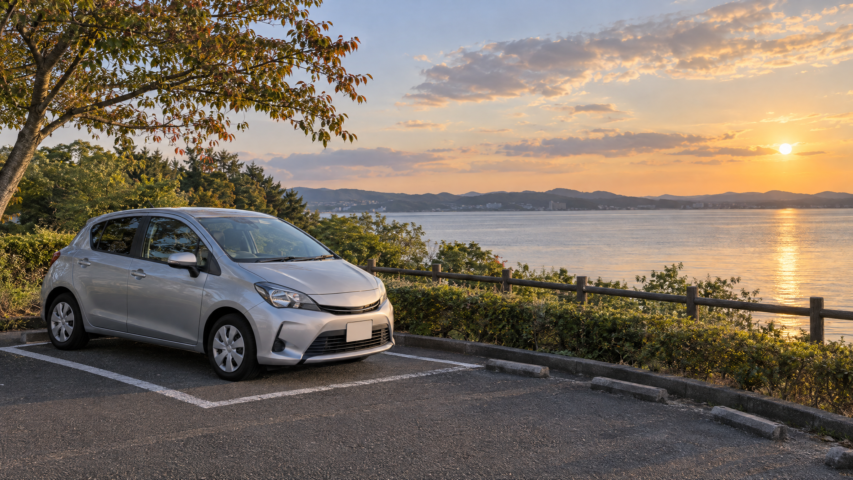
松江城と宍道湖の夕景を組み合わせれば、レンタカーでも詰め込みすぎない一日を計画できます。舞台は本州の島根県松江市で、北海道のルートではありません。先に城周辺を散策し、夕方は駐車と徒歩移動の余裕を持って湖へ向かいましょう。

松江城は明るい時間に

島根県の公式観光案内では、松江城は国宝で、有料駐車場があると紹介されています。出発前に公式サイトで入場と駐車の最新案内を確認してください。城内の見学と周辺の散策が同じ時間帯にできるとは限りません。食事や休憩も挟み、車へ戻る時間まで考えて予定を組みます。

夕日スポットは駐車先も登録

松江観光協会が案内する「宍道湖夕日スポット(とるぱ)」には歩道とテラスがあります。道路の反対側の駐車場から地下道で観賞場所へ渡れるため、ナビには湖畔だけでなく駐車場の入口も登録しましょう。現地の標識に従い、用意された歩行者用の経路を利用してください。

満車でも道路上で撮影や空き待ちはせず、別の利用可能な駐車先へ進むか予定を変更します。島根県立美術館前の岸公園も公式に紹介された夕景スポットです。ただし、周辺施設の駐車条件が共通とは考えず、個別に確認しましょう。

日没を追って急がない

当日の日没時刻と天気を確認し、駐車と散策の時間を十分に確保します。曇りや雨なら夕日が見えないこともあります。秋の夕方に備えて羽織る物を用意し、無理なら短い散策に切り替えましょう。

  • 駐車入口と予備の停車先を確認する。
  • 帰路の目的地は停車中に設定する。
  • 全員のシートベルトを確認して出発する。

返却時の給油条件と時間にも余裕を残せば、湖を一周しなくても満足できる旅になります。

公式情報

島根県の松江城案内と松江観光協会の夕日スポット案内を参考に、訪問日の情報を再確認してください。

A relaxed drive in Matsue, Shimane

Matsue Castle and Lake Shinji make a practical pairing for a rental-car day in Shimane Prefecture, on Japan’s main island of Honshu. This is a city-and-lakeside outing, not a Hokkaido route. Start with the castle and its surroundings, then leave enough time to park and walk to a lakeside viewpoint before sunset. The aim is a manageable day, rather than a race between attractions.

A car can help you connect your accommodation with these stops, but the most rewarding parts are explored on foot. Choose parking before setting off, save the entrances in your navigation app, and let a passenger handle directions. Keep the itinerary flexible if traffic, rain or a tired traveller slows the afternoon.

Visit the castle before the evening stop

Shimane’s official tourism guide identifies Matsue Castle as a National Treasure in Matsue City and lists paid parking. Check the castle’s official website for current entry arrangements and parking information before travelling. Do not assume that access to the grounds and admission to the keep have identical hours, or that a space will be available when you arrive.

For an easy sequence, visit the castle first, take a meal or rest break nearby, and then move towards Lake Shinji. Leave your vehicle in a designated parking space while exploring. Allow time for walking, queues and getting everyone back into the car; these small transitions can take longer than the driving itself. Comfortable footwear and a light layer are useful for an outing that continues into the evening.

Choose a viewpoint with a parking plan

The Matsue Tourism Association lists the Lake Shinji Sunset Spot, known as Torupa, as a lakeside area with a walking path and terraces. Its parking area is across the road, with an underpass connecting it to the viewing side. Save the parking destination as well as the viewpoint, rather than navigating only to a pin beside the water.

Use the provided pedestrian connection and follow local signs. Never stop on the road to photograph the lake or wait for a space. If the parking area is full, continue safely to another permitted option or change your plan. Kishi Park, in front of the Shimane Art Museum, is another officially listed sunset-viewing location; check the relevant parking arrangements separately instead of assuming that every nearby facility shares the same rules.

Treat sunset as an opportunity, not a deadline

Check the day’s sunset time and weather before leaving, then build in a generous buffer for parking and walking. Clouds may hide the sun, and rain can make a waterside stop less comfortable. A visit can still be worthwhile for the lake scenery, but no itinerary can promise a colourful sunset. Do not compensate for a late start by rushing through city streets.

In autumn, plan for the change from afternoon sightseeing to evening driving. Bring a layer you can reach without unpacking the boot, and know your next destination before it gets dark. If conditions deteriorate, shorten the walk or leave earlier. Returning calmly is more important than staying until the last possible photograph.

A short checklist before moving on

  • Confirm the parking entrance, current restrictions and a permitted backup option.
  • Secure bags and check that every passenger is properly restrained.
  • Set the return destination while parked, not while driving.
  • Keep photography for the walking stop and leave route changes to a passenger.

Before returning your rental car, allow for the agreed fuel and return requirements. A successful Matsue day is simple: enjoy the castle, park properly for the lake, and leave enough margin for a safe journey afterwards. You do not need to circle the entire lake or add another distant attraction to make the outing satisfying.

Official planning sources

Check Shimane’s Matsue Castle guide and the Matsue Tourism Association’s sunset-viewpoint guide for location details. Recheck facility notices and conditions on your travel date.

在日本租車自駕,若車輛在高速公路故障,第一件事是保護人,而不是檢查引擎或趕上行程。即使停在路肩,也可能遭後方車輛追撞,不能當成一般停車場處理。出發前先與同行者說好應變順序,遇到突發狀況便不會各自行動。

取車時先確認裝備與聯絡方式

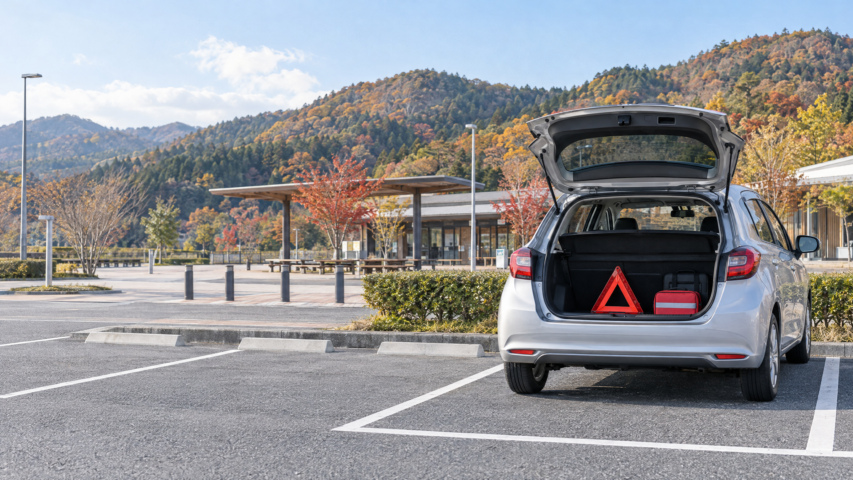
請租車公司示範危險警示燈的操作,確認有無三角警示牌等停止警示設備,以及存放位置與使用方法。不要假設每輛車的裝備都相同。保存緊急聯絡電話與租車契約,詢問拖吊、維修應由哪個窗口安排,是否須先取得同意。救援費用與保障依契約及實際情況而定,不能一律視為免費;也讓乘客保存電話,並保持手機有電。

安全停車,提醒後方來車

車輛出現異常時,先專心控制車輛並開啟危險警示燈;若仍能安全移動,再停靠路肩或適當避車空間。不要為了趕到出口突然橫切車道。NEXCO也建議使用發炎筒、停止警示設備提醒後方駕駛;須依設備說明並在安全情況下使用,絕不能為了放置警示牌走進行車道。路肩不是維修區,不要在車旁診斷故障或拍照。

全員撤離,不在車內等待

確認周圍交通後,若情況允許,從遠離車流的一側下車,全員前往護欄外等安全區域。護欄外也要檢查有無陡坡等危險,照顧好兒童並確認沒有人留在車內。不要橫越車道,也不要為了行李返回車旁。JAF明確提醒,高速公路上不要嘗試自行修車,應在安全地點等候專業救援。

避險後通報並安排援助

依NEXCO指引,撤離後撥打110或使用高速公路緊急電話通報。說明道路名稱、行進方向、安全處可見的公里標、停車位置、人數及是否有人需要緊急協助;不要為了看標記重新走進危險區域。若難以安全撤離,向救援人員說明現場情況並遵從指示。之後聯絡租車公司指定窗口協調救援,保持電話暢通,不因等候較久就返回車內。

  • 出發前確認裝備與聯絡窗口。
  • 故障時先保護人,再處理車。
  • 現場以警方、道路管理者及救援人員指示為準。

官方參考

行前可閱讀NEXCO東日本緊急應變指引與JAF道路救援安全說明。

高速道路でレンタカーが故障したら、人の安全を優先しましょう。路肩でも追突される危険があります。出発前に同乗者と対応手順を共有してください。

出発前に装備と連絡先を確認

貸出時にハザードランプの操作と停止表示器材の有無、保管場所、使い方を確認してください。三角表示板があると思い込まず、実車で確かめます。レンタカー会社の緊急連絡先と契約書を手元に置き、けん引や修理の手配先も確認しましょう。費用や補償は契約と状況によるため、無料とは限りません。

安全に停止し、後続車へ知らせる

異常が起きたら車の操作に集中し、ハザードを点灯します。安全に動かせる場合は路肩などへ移動しますが、出口を目指して急に車線を横切ってはいけません。NEXCOは発炎筒や停止表示器材による警告も案内しています。器材は説明どおり、安全に使用できる場合に使い、設置のために走行車線へ入らないでください。

車内ではなく安全な場所へ避難

周囲の交通を確かめ、可能なら走行車線と反対側から降り、全員でガードレールの外側など安全な場所へ避難します。外側でも斜面などの危険がないか確認し、子どもから目を離さないようにします。車内や車のそばで待たず、写真や荷物のために戻らないことが大切です。JAFも高速道路での自己修理を避けるよう勧めています。

避難してから通報と救援手配

NEXCOの案内に従い、避難後に110番か非常電話で通報します。道路名、進行方向、安全な場所から見える距離標、停車位置、人数を伝えましょう。場所の確認のため危険な車線へ戻らず、避難が難しければ状況を説明して指示を受けます。その後、レンタカー会社指定の窓口に連絡し、救援を調整してください。

  • 装備と連絡先は出発前に確認。
  • 故障時は人の安全と避難を優先。
  • 現場では警察や道路管理者の指示に従う。

公式情報

NEXCO東日本の緊急時案内とJAFの救援・安全案内も確認しましょう。

A rental car gives you freedom to explore Japan, but a breakdown on an expressway needs a different response from a problem in a quiet car park. Fast traffic makes even a stopped car on the shoulder dangerous. Your priority is protecting people, not inspecting the engine or saving your itinerary. Prepare a simple plan before you collect the car so that everyone knows what to do if the journey stops unexpectedly.

Prepare before joining the expressway

At collection, ask the rental company to show you the hazard lights and emergency warning equipment. Confirm whether a warning triangle is provided and where it is stored. Ask how to use the equipment supplied with that particular vehicle. Do not assume every rental has the same kit or that equipment you used at home works identically in Japan.

Save the rental company's emergency contact and keep the rental agreement accessible. Ask which assistance provider to contact and whether you need approval before arranging towing or repairs. Coverage depends on your contract and the circumstances; roadside assistance should not be assumed to be free. Give a passenger the contact details too, and keep a phone charged without making the driver handle it while moving.

Stop safely and warn approaching traffic

If trouble develops, stay focused on controlling the vehicle. Switch on the hazard lights and move to the shoulder or another suitable refuge if the car can still be moved safely. Do not make a sudden manoeuvre across traffic to reach an exit. If the car cannot move, warning other drivers and getting people to safety become urgent priorities.

NEXCO advises using hazard lights and emergency warning equipment, including a warning triangle or flare. Use the equipment according to its instructions and only when it can be done safely. Never enter a live traffic lane to position equipment. Do not remain beside the car trying to protect luggage, photograph damage or diagnose a fault. A shoulder is not a safe workshop.

Move everyone to a genuinely safe place

NEXCO warns that waiting inside a stopped vehicle is unsafe. After checking surrounding traffic, the driver and passengers should move to a safe area, such as beyond the guardrail, and wait there. Where possible, exit on the side away from moving traffic. Keep children close and make sure no passenger is left behind.

Beyond a guardrail is not automatically suitable: check for steep ground or other hazards before moving. Never cross traffic lanes or wander along the expressway looking for help. If your surroundings make evacuation difficult, explain the danger to emergency responders and follow their instructions rather than improvising a risky route. JAF specifically advises against attempting your own repairs on expressways.

Report your location after evacuation

Once you are safe, report the incident by calling 110 or using an expressway emergency telephone, as NEXCO advises. Prepare the road name, travel direction, nearby interchange and any kilometre marker you can already see from safety. Explain whether the car is on the shoulder or obstructing a lane, how many people are present and whether anyone needs urgent help. Do not step back into danger just to read a marker.

Then contact the rental company's designated assistance service and follow its arrangements. Tell the operator if you have already reported the incident. Keep your phone available for return calls. Wait in the safe location until responders give further instructions; do not return to the car simply because assistance seems to be taking longer than expected.

A short passenger briefing helps

  • Know where the warning equipment and emergency contacts are before departure.
  • If the car stops, protect people first and never attempt repairs beside expressway traffic.
  • After reaching safety, report the location and coordinate assistance with the rental company.

This is a preparation guide, not a substitute for instructions from police, road operators or rescue staff at the scene. Use their directions when conditions differ. A short briefing before departure can help your group respond calmly without treating a high-speed road like an ordinary parking space.

Official guidance

Read NEXCO East Japan's expressway emergency guidance and JAF's roadside assistance and safety advice before your trip.

在日本租車自駕,路口常同時出現號誌、車道箭頭、停止線與行人穿越道。即使已適應靠左行駛,也別在最後一刻決定。提早減速並按固定順序觀察,會更從容。

先看道路,再聽導航

日本車輛靠左行駛。接近路口前,不只看前車,也看前方號誌、車道箭頭與方向標誌。導航提示路線,卻不能取代眼前觀察。若看不清該走哪個車道,安全直行後再重新規劃;不要突然切換車道或勉強轉彎。

認清停止位置

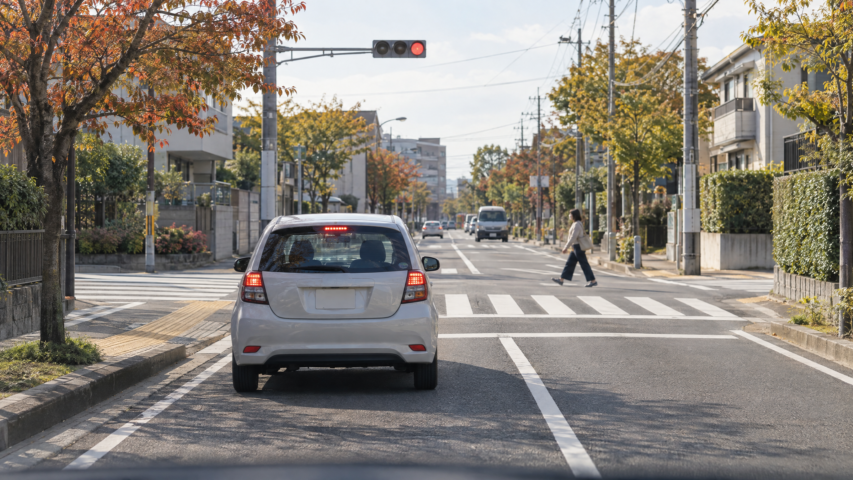
有號誌的路口,停止線是重要基準。JAF 說明,停止位置就在停止線之前;沒有停止線時,通常是交叉路口之前;若附近有行人穿越道,則以行穿線之前為準。車頭越線才停下,可能佔用行人的通行空間,也會影響其他用路人的視線。

  • 夜間或下雨時,更早尋找路面停止線。
  • 與前車保留距離,不讓前車遮住標線。
  • 前方壅塞時,先在線後等待,不把車停在路口內。

轉彎前禮讓行人

在日本,駕駛必須禮讓行人。行人穿越道是路口的一部分。起步或轉彎前,先確認正在穿越的人、正要踏下路緣的人、兒童與使用穿越道的自行車。確定車輛不會阻擋其路徑後,再慢慢移動。綠燈允許前進,卻不代表轉彎時可以急;開始轉彎前看近側行穿線,通過時再看遠側行穿線,並保持能隨時停住的速度。

黃燈不是催你加速

JAF 的交通號誌說明指出,黃燈亮起後,車輛不得越過停止位置;唯一例外是車輛已非常接近停止位置,無法安全停下。實際租車自駕時,若能在停止線前平順煞停,就應停下;若已近到急煞反而危險,方可維持穩定操作並謹慎通過。切勿為了趕黃燈而加速,也不必因前車繼續前進就跟著進入路口。

建立可重複的流程

每到陌生路口,可依序確認標誌與車道箭頭、號誌、停止線,以及兩側行穿線。感到不確定時,採取減速、必要時停車、先讓行人通過的保守選擇。這套流程不需要熟悉當地道路,卻能讓市區、觀光地與鄉間的租車行程更安全。

日本でレンタカーを運転するとき、交差点では信号、車線表示、停止線、横断歩道を短い時間で確認します。手前で速度を落とし、見る順番を決めておくと安心です。

道路表示を先に読む

日本は左側通行です。交差点が近づいたら、前の車だけでなく、信号、車線の矢印、案内標識を見ます。迷ったら急な車線変更や無理な右左折をせず、安全に直進してから経路を整えます。

停止線は越えない

信号のある場所では停止線が重要な目印です。JAFの案内では、停止位置は停止線の直前です。停止線がなければ、原則として交差点の直前、近くに横断歩道があればその直前が基準になります。

  • 雨天や夜間は、停止線を早めに探します。
  • 前車に近づき過ぎず、路面表示を見える状態にします。
  • 前方が詰まっているときは、交差点内へ入らずに待ちます。

横断歩道を最優先にする

日本では運転者は歩行者に道を譲らなければなりません。発進や右左折の前には、渡っている人、渡ろうとする人、子ども、自転車を確認します。青信号でも確認は省略できません。手前側の横断歩道を見てから曲がり始め、通過中に反対側も見ます。歩行者の進路をふさがず、いつでも止まれる速度で動きましょう。

黄信号では加速しない

黄信号は加速する合図ではありません。JAFの案内では、車両は黄に変わった後、停止位置を越えて進むことはできません。ただし、停止位置に急接近して安全に止まれない場合は例外です。滑らかに止まれるなら停止し、急ブレーキが危険になるほど近い場合だけ、急な操作をせず注意して進みます。前車が進んだからと追従して交差点へ入らないでください。

確認の順番を習慣にする

知らない交差点では、標識と車線矢印、信号、停止線、二つの横断歩道の順に確認します。迷ったときは減速し、必要なら停止し、歩行者を先に通すという慎重な選択が安心です。この習慣が、街中でも観光地でも、安全なレンタカー移動につながります。

A Japanese road trip can feel wonderfully simple once you settle into driving on the left. Intersections are where several decisions arrive at once: lane markings, a signal, a stop line, a crosswalk, cyclists and people walking to the station or a shop. For a rental-car visitor, the safest habit is not to solve that puzzle at the last second. Slow your approach, scan in a fixed order, and give yourself enough space to stop smoothly.

Start with the traffic pattern, not the navigation screen

Japan drives on the left, so the flow of turning traffic and the position of the steering wheel may feel unfamiliar at first. Well before an intersection, look beyond the car ahead for lane arrows, traffic lights and road signs. Let the navigation voice give you the route, but do not let it replace observation. If the lane choice is unclear, continue safely rather than making a sudden turn or lane change. You can calmly reroute later.

As you approach, ease off the accelerator early. This creates time to identify the signal, the stop line and anyone near the crosswalk. It also helps the driver behind understand that you are preparing to slow down, rather than braking sharply at the line.

Know where the stopping point is

At a signal, the stop line is the key reference. JAF explains that the stopping point is immediately before that line. If there is no stop line, the relevant point can be just before the intersection; where a crosswalk is close to the intersection, it is before the crosswalk. That detail matters because stopping after the line can put the front of the rental car into a pedestrian’s path or reduce the view for other road users.

Make the line easy to see by looking for it before you reach it, especially at night, in rain, or on a road you have never driven. Keep a comfortable following distance so the vehicle in front does not hide the markings. When traffic is queued, do not enter the intersection unless there is space to clear it. Waiting behind the line is usually the calmest and safest choice.

Put the crosswalk before your turn

In Japan, drivers must yield to pedestrians. Treat every crosswalk as an active part of the intersection, not as paint you pass after checking the signal. Before moving or turning, look for people already crossing, people stepping off the curb, children, and cyclists using the crossing. Turn only when the crossing is clear and your path will not obstruct them.

  • Check the near-side crosswalk before you begin a turn.
  • Check the far-side crosswalk as the car starts to move through the intersection.
  • Keep the turn slow enough that you can stop if a pedestrian appears.

Do not use a green light as a reason to hurry through a turn. Green permits a vehicle to proceed, but it does not remove the need to watch the crossing and yield to pedestrians. A brief extra pause can prevent a rushed, stressful decision.

Understand the yellow light without guessing

A yellow signal is not an instruction to accelerate. JAF states that vehicles may not move beyond the stopping point when the light changes to yellow. The limited exception is when a vehicle is so close to that point that it cannot stop safely. In practical rental-car driving, this means deciding early: if you can brake smoothly before the line, do so. If a hard brake would be unsafe because you are already too close, continue carefully and do not make a sudden maneuver.

Build this decision into your approach. Reduce speed before the signal turns yellow, leave room to the vehicle ahead, and avoid following another car into the intersection merely because it continued. A yellow light is a cue to use judgment and control, not to race the clock.

Use a repeatable intersection routine

Before each unfamiliar intersection, use the same sequence: read the signs and lane arrows; check the signal; locate the stop line; scan both crosswalks; then proceed only when the route is clear. If a situation feels confusing, choose the conservative option: slow down, stop where required, and let vulnerable road users go first.

This routine is useful in busy city streets, quiet resort towns and rural shopping areas alike. It does not require perfect local knowledge. It simply turns a complicated moment into a few deliberate checks, so your rental-car trip stays focused on the journey rather than a preventable near miss.

先規劃抵達方式,再欣賞砂丘

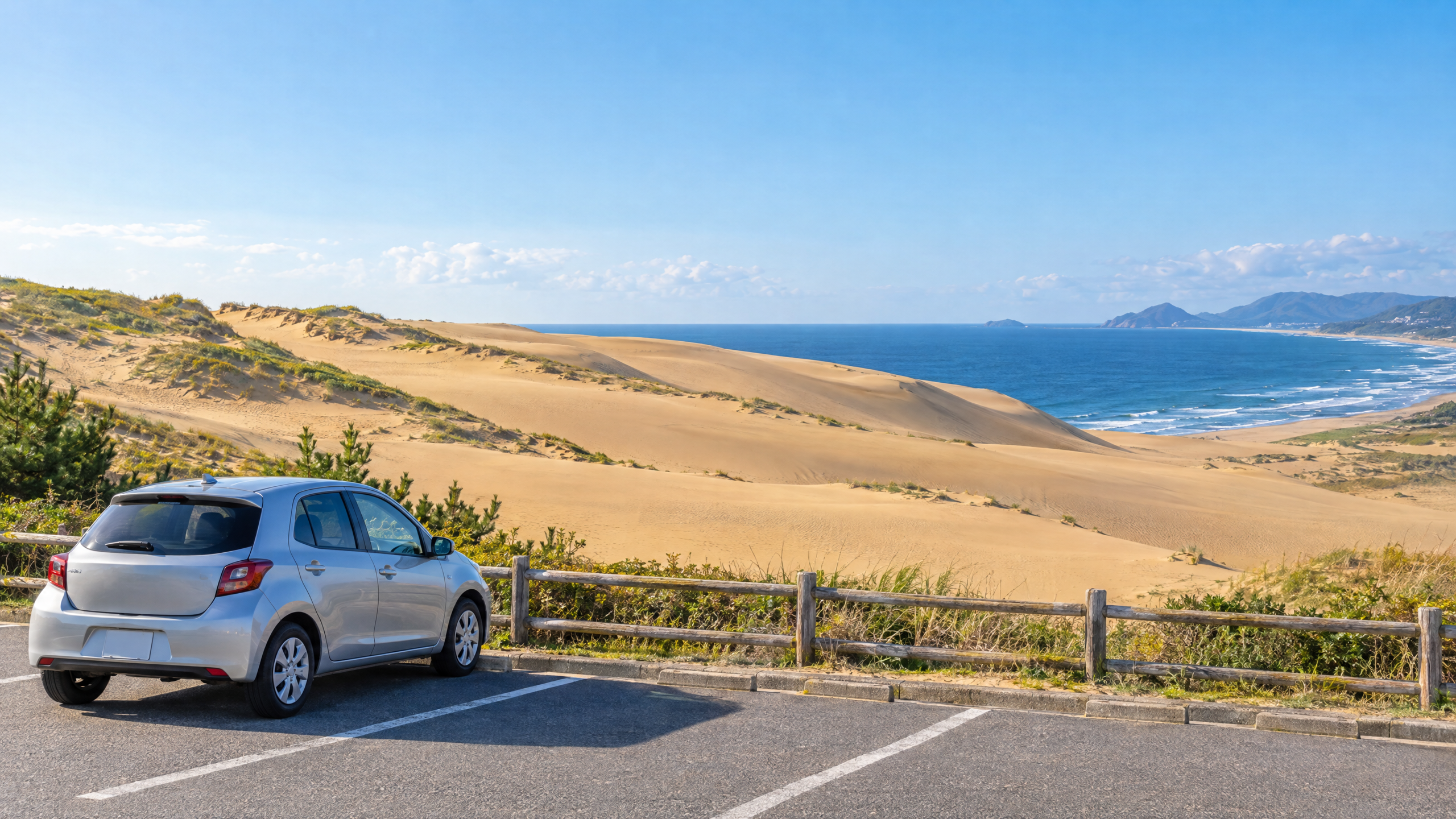
開租車前往鳥取砂丘時,最重要的觀念是把開車與散步分開。車輛的任務是把旅客平穩帶到入口與指定停車區,砂丘體驗則應留給步行。出發前,除了輸入景點名稱,也把停車位置與下一個目的地存入導航。不要等到已經行駛在陌生道路上,才低頭尋找地圖或改設定。

取車後先完成安全整理

拿到租車後,先在停車狀態調整座椅與後視鏡,確認警示燈、手煞車、加油孔與導航的基本操作。日本靠左行駛,所有乘客都應繫好安全帶。相機、背包與替換鞋不要放在駕駛座腳邊,以免滑到踏板附近。若準備穿適合沙地的鞋,也可帶一個袋子或墊子,方便返程時收好。

把指定停車場當成行程轉換點

鳥取砂丘遊客中心的官方指引,安排駕駛人使用位於中心前方的鳥取砂丘停車場。抵達後請依標誌進入,完整停在格位內,不要停在路邊才臨時討論下一步。鎖好車後,先記住停車位置,再查看步行方向與返程路線。走完一段路、光線改變或人潮增加後,停車區的視覺印象可能不同,事前留下記憶點會更從容。

  • 貴重物品不放在車內可見處
  • 準備飲水與適合風勢的外套
  • 手機與相機放入可固定的包袋
  • 同行者先約好集合位置

依風況調整,而不是趕行程

砂丘的風會改變步行時的感受。出發當天應查看天氣、風況與遊客中心的季節資訊;有需要時保護眼睛與電子設備。若風勢加強、視線不佳,或同行者感到不舒服,縮短行程或先休息都比勉強完成計畫更好。安全返程比多走一段路更重要。

返程前先停好,再設定導航

回到車旁後,盡量在車外拍落鞋子和包袋上的沙,讓踏板附近保持清楚。全員坐好並繫上安全帶後,再設定下一站。JAF提醒駕駛不可因車載導航分心;需要更改路線時,請先安全停車。離開停車區時留意步行者,倒車前確認周圍,慢慢回到道路。把停車、風況與返程準備做好,鳥取砂丘的租車行程就能既自在又安全。

車は砂丘の入口までの移動手段

鳥取砂丘をレンタカーで訪れる時は、車での移動と砂丘の散策を分けて考えます。車は決められた入口まで行く手段です。出発前に目的地、駐車場、次の目的地をナビに登録し、走行中の検索や設定変更を避けましょう。

受取後に車内を整える

レンタカーを受け取ったら、座席とミラーを合わせ、ハザードランプ、パーキングブレーキ、給油口、ナビの基本操作を停車中に確認します。日本は左側通行で、全員のシートベルト着用が必要です。荷物、カメラ、履き替え用の靴を運転席の足元へ置かず、砂丘用の靴を入れる袋も用意します。

指定駐車場でいったん区切る

鳥取砂丘ビジターセンターの案内では、センター前の鳥取砂丘駐車場が案内されています。路肩で判断せず、標識に従って区画内に駐車しましょう。施錠後は車を停めた場所と帰路を確認してから歩き始めます。光や人の流れが変わった後も迷わないよう、目印を覚えておくと役立ちます。

  • 貴重品は見える場所に残さない
  • 水分と風に合う上着を用意する
  • 携帯電話やカメラは固定できる袋に入れる
  • 同行者と集合場所を決めておく

風と砂に予定を合わせる

砂丘では風の強さで歩きやすさが変わります。当日の天気、風、ビジターセンターの季節情報を確認し、目や機器を守る準備をしましょう。風が強い、見通しが変わる、同行者が疲れた時は、急いで歩き切るより休憩や短縮を選びます。安全に戻ることを優先しましょう。

帰りも停車してから準備する

車へ戻ったら、靴や荷物の砂をできる範囲で車外で落とし、ペダルまわりをすっきりさせます。全員が着席してシートベルトを締めてから、次の目的地を設定します。JAFも運転中にカーナビへ気を取られないよう案内しています。駐車場では歩行者に注意し、後退前に周囲を確認して、焦らず道路へ戻りましょう。駐車、風、帰路を整えるだけで、鳥取砂丘のドライブは落ち着いた旅になります。