

Japan Expressway Breakdowns: Get Safe, Then Get Help
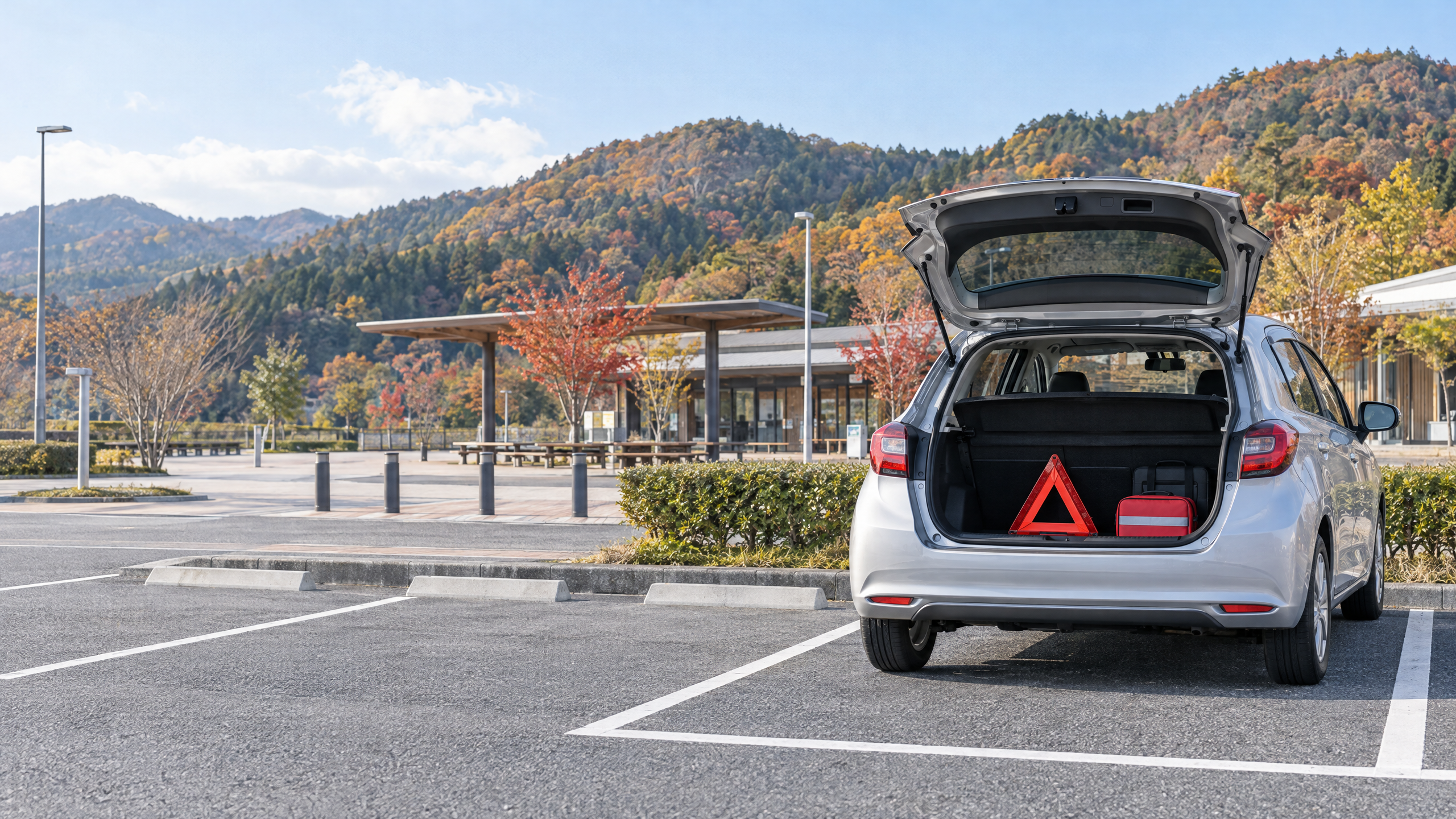
A rental car gives you freedom to explore Japan, but a breakdown on an expressway needs a different response from a problem in a quiet car park. Fast traffic makes even a stopped car on the shoulder dangerous. Your priority is protecting people, not inspecting the engine or saving your itinerary. Prepare a simple plan before you collect the car so that everyone knows what to do if the journey stops unexpectedly.
Prepare before joining the expressway
At collection, ask the rental company to show you the hazard lights and emergency warning equipment. Confirm whether a warning triangle is provided and where it is stored. Ask how to use the equipment supplied with that particular vehicle. Do not assume every rental has the same kit or that equipment you used at home works identically in Japan.
Save the rental company's emergency contact and keep the rental agreement accessible. Ask which assistance provider to contact and whether you need approval before arranging towing or repairs. Coverage depends on your contract and the circumstances; roadside assistance should not be assumed to be free. Give a passenger the contact details too, and keep a phone charged without making the driver handle it while moving.
Stop safely and warn approaching traffic
If trouble develops, stay focused on controlling the vehicle. Switch on the hazard lights and move to the shoulder or another suitable refuge if the car can still be moved safely. Do not make a sudden manoeuvre across traffic to reach an exit. If the car cannot move, warning other drivers and getting people to safety become urgent priorities.
NEXCO advises using hazard lights and emergency warning equipment, including a warning triangle or flare. Use the equipment according to its instructions and only when it can be done safely. Never enter a live traffic lane to position equipment. Do not remain beside the car trying to protect luggage, photograph damage or diagnose a fault. A shoulder is not a safe workshop.
Move everyone to a genuinely safe place
NEXCO warns that waiting inside a stopped vehicle is unsafe. After checking surrounding traffic, the driver and passengers should move to a safe area, such as beyond the guardrail, and wait there. Where possible, exit on the side away from moving traffic. Keep children close and make sure no passenger is left behind.
Beyond a guardrail is not automatically suitable: check for steep ground or other hazards before moving. Never cross traffic lanes or wander along the expressway looking for help. If your surroundings make evacuation difficult, explain the danger to emergency responders and follow their instructions rather than improvising a risky route. JAF specifically advises against attempting your own repairs on expressways.
Report your location after evacuation
Once you are safe, report the incident by calling 110 or using an expressway emergency telephone, as NEXCO advises. Prepare the road name, travel direction, nearby interchange and any kilometre marker you can already see from safety. Explain whether the car is on the shoulder or obstructing a lane, how many people are present and whether anyone needs urgent help. Do not step back into danger just to read a marker.
Then contact the rental company's designated assistance service and follow its arrangements. Tell the operator if you have already reported the incident. Keep your phone available for return calls. Wait in the safe location until responders give further instructions; do not return to the car simply because assistance seems to be taking longer than expected.
A short passenger briefing helps
- Know where the warning equipment and emergency contacts are before departure.
- If the car stops, protect people first and never attempt repairs beside expressway traffic.
- After reaching safety, report the location and coordinate assistance with the rental company.
This is a preparation guide, not a substitute for instructions from police, road operators or rescue staff at the scene. Use their directions when conditions differ. A short briefing before departure can help your group respond calmly without treating a high-speed road like an ordinary parking space.
Official guidance
Read NEXCO East Japan's expressway emergency guidance and JAF's roadside assistance and safety advice before your trip.