日元

Blog

在日本租車自駕時,學校周邊不應當成一般觀光道路。即使道路狹窄,也可能有兒童、自行車騎士與家長從停放車輛旁出現。預留時間並保持從容,能同時保護步行者,也能避免迷路後的倉促操作。

先守住不變的基本規則

日本採左側通行,駕駛人必須禮讓行人,並依標誌與路面標示遵守速限。行駛中不可操作手機或讓車內導航分散注意力。學校旁的道路未必有全國一致的限速或管制;請以現場標誌、標線與臨時指示為準,不要只依導航路線行駛。

在抵達前安排餘裕

出發前先設定目的地,並確認核准的停車位置或會合點。不要把校門前當作等候、卸行李或迴轉的地方。提早幾分鐘抵達,錯過轉彎時就能繼續前行並重新規劃,而不是突然倒車或在道路上停住。

  • 發動前完成導航設定,行駛中不操作。
  • 先查看最後一段進入道路,並準備替代路線。
  • 與同行者預先確認會合地點。
  • 只使用允許停車的位置,不做臨時路邊接送。

穿越道與轉彎前多等一秒

接近學校周邊時,應提早減速,讓車輛可以平順停下。行人穿越道前要準備禮讓,不能只看前車動作判斷安全。左轉或右轉前,重新查看穿越道、人行道與車側空間。與前車保留足夠距離;在視線不佳處,不超車、不搶過狹窄空間,較短的等待遠比冒險操作安全。

離開時仍保持專注

需要更改目的地或回覆訊息時,先進入合法且安全的停車位置。起步前確認後視鏡、死角與人行道邊緣,打方向燈後平穩駛離。若走錯路,請開到能合法、安全改道的地方。把學校周邊視為以行人為先的空間,租車旅客便能更安心地享受日本自駕。

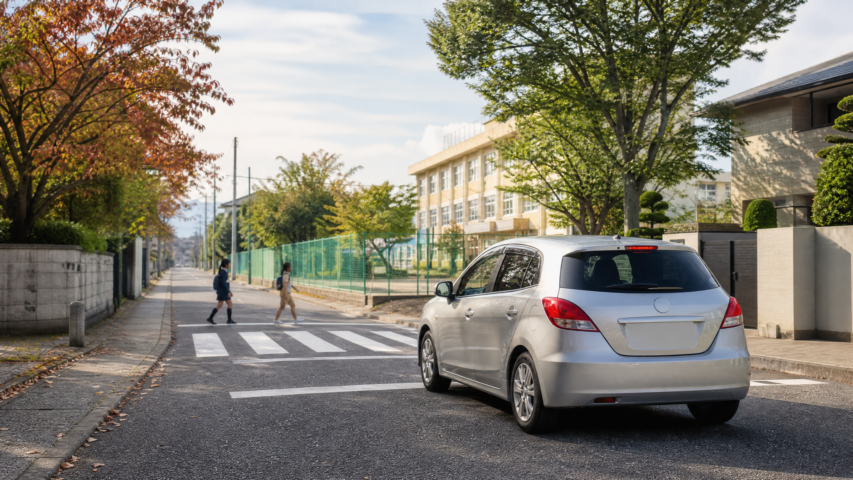
Rental car approaching a Japanese school-area pedestrian crossing safely

日本でレンタカーを運転するとき、学校の近くは観光地へ向かう普通の道とは分けて考えましょう。狭い道でも子どもや自転車、保護者が現れることがあります。急がない計画が、歩行者を守り、迷ったときの無理な操作も防ぎます。

まず基本ルールを守る

日本では車は左側を通行し、運転者は歩行者に配慮して譲ります。速度は標識と路面表示を確認し、運転中にスマートフォンやカーナビを操作しません。学校の近くでも全国共通の速度を決めつけず、その場所の標識、表示、通行規制に従ってください。

到着前に余裕をつくる

出発前に目的地と認められた駐車場所を設定し、学校の門前を待機、荷物の積み下ろし、転回の場所にしないことが大切です。数分早く着く予定にすれば、曲がる場所を逃しても、慌てて後退したり、道路上で止まったりせずに済みます。

  • ナビは発進前に設定し、走行中は操作しない。
  • 最後の進入路と別の進入路を地図で確認する。
  • 同乗者と待ち合わせ場所を先に決める。
  • 停車は許可された場所だけを使う。

横断歩道と曲がり角では待つ

学校周辺では早めに速度を落とし、滑らかに停止できる状態を保ちます。横断歩道では歩行者を優先し、前の車の動きだけで安全を判断しません。左折・右折の前には横断歩道、歩道、車の横をもう一度見てください。前車との間隔も十分に取り、見通しが悪い場所で追い越したり、狭い隙間を急いで通ったりしないことが安全です。

出るときまで集中する

行き先の変更や連絡は、合法で安全な駐車場所に入ってから行います。発進時はミラー、死角、歩道の端を確認し、合図を出してゆっくり動きます。道を間違えたら、安全に経路を変えられる場所まで進みましょう。学校周辺を人優先の場所として扱うことが、落ち着いたレンタカードライブにつながります。

Rental car approaching a Japanese school-area pedestrian crossing safely

Driving near a school in Japan deserves a different mindset from an ordinary sightseeing road. The street may be narrow, children may appear from behind parked vehicles, and the busiest minutes can be concentrated around a gate or crossing. A calm plan helps a rental-car driver protect people on foot while avoiding rushed turns, sudden stops and navigation distractions.

Start with the rules that do not change

Japan Automobile Federation guidance says that drivers keep to the left, must yield to pedestrians, and must follow speed limits shown on signs and road markings. It also says not to use a phone or be distracted by the car-navigation system while driving. Those basics are especially important where schoolchildren, families, cyclists and local residents share a small street.

Do not assume that every road beside a school has the same limit or restriction. Read the signs, pavement markings and any temporary directions at the location. A route shown by navigation is not permission to ignore a no-entry sign, a pedestrian zone or a parking restriction. If the legal route looks unsuitable for a large or unfamiliar rental car, continue calmly and choose another lawful approach.

Build time into the route

The most useful safety tool is often extra time. Before departure, set the destination and identify an approved parking facility or meeting point away from the school gate. Avoid using the road directly in front of an entrance as a place to wait, turn around or load luggage. Arriving a few minutes early gives the driver room to make a missed turn without reversing suddenly or stopping where other people expect traffic to keep moving.

  • Save the destination before moving, then put the phone away.
  • Check the final approach on the map and note one alternative road.
  • Agree on the meeting point with passengers before entering the area.
  • Use only a permitted parking space; do not create an informal kerbside drop-off.

Approach crossings and side streets with patience

Near schools, look farther ahead than usual and reduce speed early enough to stop smoothly. At a pedestrian crossing, be ready to yield; do not use another vehicle’s movement as a substitute for your own view. Before turning left or right, scan the crossing, the near-side pavement and the space beside the car for people on foot or bicycles. The left-hand traffic pattern can make this a new habit for visitors used to driving on the right.

Keep a generous gap from the vehicle in front. It gives you time if it stops for a person crossing, a delivery vehicle or a local instruction. Avoid overtaking, squeezing through a narrowing lane or trying to pass a vehicle that is waiting at a crossing. A short delay is preferable to making an impatient manoeuvre where visibility is limited.

Keep the car quiet and the driver focused

Ask a passenger to manage messages, route changes and photographs. If you are alone and need to change the destination, pull into a legal and safe parking place first. Keep bags, toys and loose items secured so they do not distract the driver or obstruct pedals. Everyone in the car should wear a seatbelt; the driver remains responsible for a calm, ready-to-stop vehicle even on a very short local trip.

A simple exit plan

When leaving, do not pull out just because the road appears clear for a moment. Check mirrors, blind areas and the pavement edge again, then signal and move away smoothly. If you miss a turn, continue to a place where you can legally and safely reroute rather than reversing into an unfamiliar street. By treating school areas as people-first spaces, rental-car visitors can enjoy Japan’s roads with more confidence and far less pressure.

Rental car approaching a Japanese school-area pedestrian crossing safely

施工區不是趕時間的地方

在日本租車自駕時,即使路線正確,也可能遇到車道暫時縮減、三角錐改變行車方向、施工號誌或交通引導人員。這不代表導航失誤;接下來幾分鐘需要比原本行程表更專心。先把抵達時間放在第二位,眼前的標誌與引導才是優先事項。

日本《道路交通法》要求用路人遵守交通號誌與警察等人員的手勢號誌。JAF 也提醒駕駛者,車輛行駛時不可使用手機,也不可把注意力集中在車內導航螢幕上。對租車旅客而言,最好的做法是在進入施工區前完成準備,通過時依照現場訊息行駛。

看見施工前先完成準備

  • 出發前,或在安全停車後,再設定下一個目的地。
  • 為短暫等候保留時間,不要為追回進度而搶黃燈或突然切線。
  • 把手機、飲料和相機固定好,避免分散握方向盤與看後視鏡的注意力。
  • 不要只看第一個三角錐;同時找尋施工號誌、箭頭、行人與車道恢復的位置。

如何安全通過縮減車道

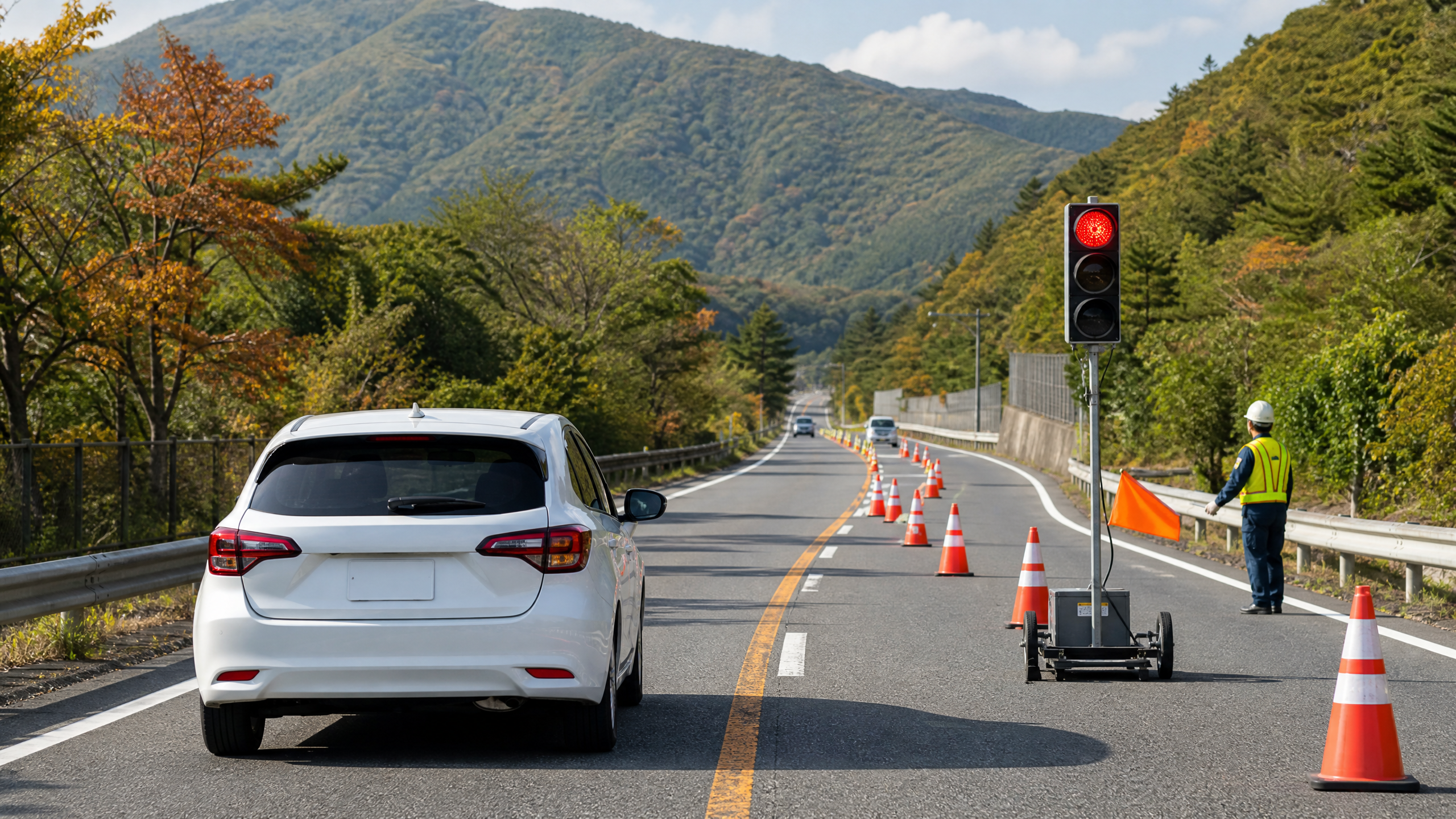
提早減速,依現場的臨時標誌、路面標示與號誌判斷,不要跟著後車的速度走。有引導人員時,依其指示通行;若是單線交互的施工區,等到允許通行的號誌再前進。即使前車已啟動,也要保留能看清前方並平穩煞停的距離。

除了車輛,也要注意作業人員、行人與自行車。JAF 的基本規則要求駕駛者禮讓行人;在臨時通道附近尤其重要。避免急切換車道、為看地圖而停在施工旁,或在工區拍照。若指示一時看不清,先按可通行的方向走,再到下一個合法安全的停車處重新確認路線。

通過後仍要重新掃視

最後一個三角錐之後,交通未必立刻回復正常。查看下一個車道箭頭、速限標誌、行人穿越處與匯流情況。導航若需要修正,也應在之後安全停車或迴轉的位置處理,而不是突然轉向。出發前可閱讀《道路交通法》英譯與JAF 交通規則;預留時間並專注於臨時管制,施工區就能成為行程中平穩的一段。

工事区間は「急がない場所」

日本でレンタカーを運転していると、車線が一時的に狭くなったり、コーンで進路が変わったり、仮設信号や誘導員の案内が現れたりします。予定どおりの道でも起こることであり、ナビの失敗とは限りません。ここでは到着時刻より、目の前の案内を優先します。

道路交通法は、運転者が信号機と警察官などの手信号に従うことを定めています。JAFも、運転中の携帯電話使用やカーナビへの注意の集中をしないよう案内しています。工事区間の前に準備を終え、通過中は標識・信号・誘導に従うのが基本です。

入る前に整えること

  • 次の目的地は出発前か、安全に駐車してから設定する。
  • 短い待ち時間を見込み、遅れを取り戻そうとしない。
  • スマートフォン、飲み物、手荷物を運転の妨げにならない位置に置く。
  • 最初のコーンだけでなく、仮設信号、矢印、歩行者、車線が戻る場所まで見る。

狭くなった区間の通り方

早めに速度を落とし、後続車の速さではなく、表示された標識・路面表示・信号で判断します。誘導員がいれば案内に従います。仮設信号で片側交互通行になっている場合は、進行できる合図まで待ちます。前の車が動き出しても、先の状況を見て穏やかに止まれる間隔を残してください。

作業員、歩行者、自転車にも注意します。JAFは運転者に歩行者を優先するよう示しています。急な車線変更、地図確認のための停止、工事区間脇での撮影は避けましょう。案内が分かりにくければ、許される方向へ進み、次の安全な駐車場所で経路を確認します。

通過後も確認する

最後のコーンを過ぎても、すぐに通常の流れへ戻るとは限りません。次の車線表示、速度標識、横断歩道、合流を見直します。ナビが違う方向を示しても、急に曲がったり戻ったりせず、後で安全な場所から修正します。出発前には道路交通法の英訳とJAFの交通ルールも確認すると安心です。

Why roadworks deserve a plan

Roadworks are a normal part of a self-drive holiday in Japan. A familiar road can narrow to one lane, change its route around cones, or be controlled by a temporary signal or a traffic controller. None of that means your navigation has failed. It means the next few minutes need more attention than the schedule.

Japan’s Road Traffic Act requires drivers to obey traffic lights and an officer’s alternative signals. JAF also reminds drivers not to use a phone or be distracted by the car-navigation system while the vehicle is moving. Together, those rules give rental-car visitors a useful approach: prepare before the restriction, then let the signs and the person controlling traffic set the pace.

Roadworks are not a place to recover lost time. A calm plan protects people working beside the road, pedestrians near the temporary route, and everyone in the car. It also makes an unfamiliar right-hand-drive vehicle easier to place accurately.

Set up before the cones appear

The safest decisions are made while the car is parked, not while a lane is closing ahead. Before leaving your hotel, airport branch, or roadside stop, enter the next destination and check the broad route. If the map later proposes a detour, do not try to study it while rolling through a work zone. Continue with the displayed traffic direction, then update the route at a legal, safe place to stop.

  • Build a time buffer. Treat a short delay as normal rather than a reason to rush a yellow light or squeeze through a narrowing lane.
  • Put the phone away. A passenger can handle directions; if you are alone, wait until you are safely parked before changing the route.
  • Secure loose items. A bag, drink, or camera should not compete with your steering and mirrors at a lane shift.
  • Watch the whole approach. Look beyond the first cone for temporary lights, arrows, people on foot, and the point where traffic returns to its normal lane.

How to move through a restricted section

Reduce speed early and use the temporary signs, road markings, and signals in front of you—not the speed of the car behind—as your guide. If a traffic controller is directing the flow, follow that direction. If a temporary light controls a single-lane section, wait for the signal that permits you to proceed. Do not enter a narrowed section simply because the vehicle ahead has started moving; leave enough space to see the route and to stop smoothly if conditions change.

Keep your attention on people as well as vehicles. JAF’s basic guidance says drivers must yield to pedestrians, and that principle matters when workers, cyclists, or pedestrians are near a temporary path. Keep both hands available for steering, avoid sudden lane changes, and do not stop beside the works to check a map or take a photograph. If an instruction is unclear, continue only as the signs or controller allow, then use the next suitable parking area to reassess.

After the lane opens again

Do not assume the work zone ends at the final cone. Scan for the next lane arrow, a changed speed sign, a crosswalk, or traffic merging back together. When the road is stable, confirm that your navigation still matches the direction of travel. If it does not, choose a safe turnaround or parking location later rather than making a sudden manoeuvre.

For a reliable refresher before a Japan road trip, read the Road Traffic Act’s signal rule and JAF’s Traffic Rules in Japan. With time in hand and attention on the temporary control, roadworks become a routine pause in the journey—not a stressful interruption.

先認識目的地與季節

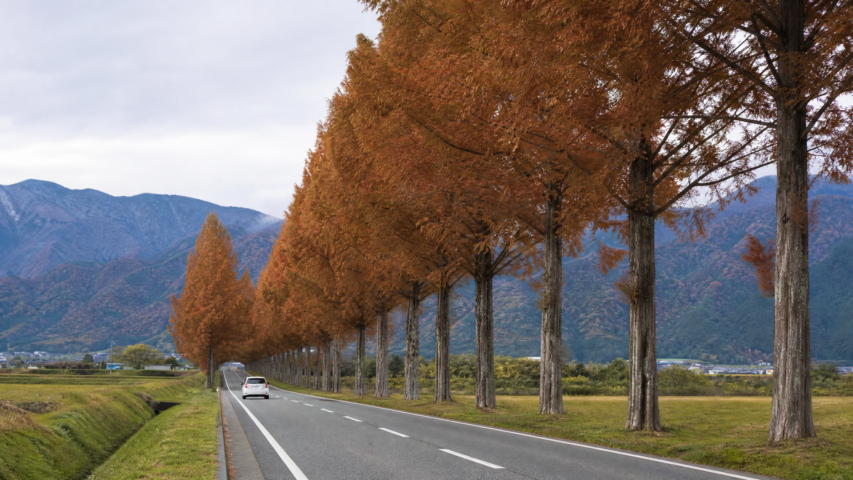
滋賀縣高島市牧野町的水杉大道,位於穿過牧野 Pickland 農業公園一帶的縣道旁;約五百棵水杉綿延約二點四公里,遠處可見野坂山地。它很適合租車旅客安排成從容的停靠點,但周邊同時也是居民使用的道路。當地觀光協會列出的秋葉時段通常是十一月下旬至十二月上旬。水杉並非楓葉般鮮紅,而常呈磚紅或褐色;天氣、光線與觀看角度都會改變色澤。請把日期當作參考,出發前再查看最新消息。

先把導航設好再出發

建議將車載導航的目的地設為「Makino Pickland」,不要為了尋找最佳拍照位置而在大道中途停車;這也是當地觀光指南的建議。從京都方向前來的車行指引會經西大津繞道、湖西道路與國道一六一號,但當日應以導航、道路標誌及即時路況為準。賞葉季最後一段路可能壅塞,請把等候、停車與步行時間一起納入行程,不要把緊迫的餐廳或入住預約安排在此站之後。

停好車,再以步行欣賞

請使用牧野 Pickland 的免費停車場。觀光協會說明,賞葉期間附近可能設置臨時免費停車場;每年的安排都可能調整,應於當天確認通知。切勿把車停在林蔭道旁,這會阻礙交通、造成危險,也會打擾周邊環境。拍照時請站在安全位置,勿踏入車道,勿從車門旁取景,並注意來車與自己的腳步。

  • 只在指定停車區停一次車。
  • 步行前往視點,讓車道保持暢通。
  • 拍照結束後,全員上車並繫好安全帶再離開。

把日本的基本駕駛規則帶進行程

日本採左側通行。JAF 提醒駕駛應禮讓行人,車內所有人都要繫安全帶;駕車時不可使用手機,也不可因觀看導航而分心。未滿六歲的兒童必須使用兒童安全座椅。車速應依道路標誌與地面標示,不要跟著前車的節奏判斷。離開前先設定下一個目的地、固定相機與行李、確認每位乘客已繫帶,才能在賞景後重新專注於道路。

道路狀況、葉色及臨時停車資訊都會變動。出發前請查看高島觀光協會的訪客指引與JAF 日本交通規則。設定正確目的地、合法停車並預留時間,才能讓這段滋賀秋季自駕既美好又安全。

行き先の特徴を知る

滋賀県高島市マキノ町のメタセコイア並木は、マキノピックランド周辺を通る県道に約五百本の木が約二・四キロメートル続く景観です。周辺は生活道路です。紅葉の目安は例年十一月下旬から十二月上旬です。色はモミジのような鮮紅ではなく、れんが色や茶色に見え、天候でも印象が変わるため、最新情報を確認しましょう。

先に目的地を設定する

カーナビは並木の途中ではなく「マキノピックランド」に設定するのが安心です。観光案内もこの設定を勧めています。京都方面からは西大津バイパス、湖西道路、国道一六一号を使う案内がありますが、当日はナビと道路標識を優先します。紅葉期は混雑します。駐車と散策の時間に余裕を置きましょう。

駐車してから歩いて楽しむ

駐車はマキノピックランドの無料駐車場を利用します。紅葉期には周辺に臨時無料駐車場が設けられる場合もあるため、当日の案内を確認してください。並木道の近くに停めると交通の妨げになり危険です。道路上や車のドアから撮影せず、安全な位置から歩いて眺めましょう。周辺は住宅地を含むため、ゆっくり走り、歩行者に配慮します。

  • 指定駐車場に一度停める
  • 車道に出ず足元にも注意して歩く
  • 撮影後は全員が乗車してから発進する

日本の基本ルールを守る

日本では左側通行です。JAFは、運転者が歩行者を優先すること、全席でシートベルトを着用すること、運転中に携帯電話やナビ画面に気を取られないことを案内しています。六歳未満の子どもにはチャイルドシートが必要です。速度は標識や路面表示に従い、ほかの車の速さでは決めません。出発前に次の目的地を設定し、荷物を固定して全員のベルトを確認すれば、並木を楽しんだ後も落ち着いて走れます。

道路状況、紅葉、臨時駐車場は変わります。出発前に高島観光案内とJAFの交通ルールを確認し、正しい目的地、適切な駐車、時間の余裕をそろえましょう。

Why this Shiga drive deserves a gentle plan

Metasequoia Avenue in Makino, Takashima City, is an easy place to understand and an easy place to underestimate. The tree-lined prefectural road runs through the area of Makino Pickland Agricultural Park in Shiga Prefecture. About 500 metasequoias line roughly 2.4 kilometres, creating a long, straight landscape with the Nosaka Mountains in the distance. It is a worthwhile rental-car stop for travellers who prefer scenery and a short walk to a packed checklist of attractions.

For autumn colour, timing matters more than a fixed date. The Lake Biwa Takashima Tourism Association places the usual foliage period from late November to early December and describes the colour as brick red or brown rather than the vivid red of maple leaves. Light, weather and viewing angle all change the appearance. Treat that period as a guide, not a promise: check the local status update shortly before leaving, especially if your trip is planned around photographs.

Set the destination before the car moves

Put “Makino Pickland” into the rental car’s navigation rather than attempting to stop at the most photogenic point on the avenue. The local visitor guide specifically recommends this destination setting. It is a simple choice that brings the day back to a proper arrival point instead of turning a public road into a search for a shoulder. If you are approaching from the Kyoto side, the association’s car directions use the Nishi-Otsu Bypass, Kosai Road and National Route 161; follow current navigation and road signs rather than memorising a route from an old blog post.

Build margin around the stop. Autumn crowds can slow the final approach, and a scenic road is not the place to make up time. Decide in advance whether this is a short leg-stretch, a walk near the park or one stop in a larger Shiga day. Keep your fuel level comfortable, bring rain protection, and avoid making a tight restaurant or check-in reservation immediately afterward. A calm timetable leaves room for traffic, a weather change or a parking instruction without turning the drive stressful.

Park once, then enjoy the avenue on foot

Use the free parking at Makino Pickland. The tourism association also says temporary free parking may be arranged nearby during the foliage season; check its latest notice on the day instead of assuming last year’s arrangement will apply. Do not park beside the tree-lined road. Local guidance asks visitors not to do so because it obstructs traffic, creates danger and disturbs the surrounding area. The same guidance notes that nearby roads are residential, so slow, considerate driving is part of the visit rather than an optional courtesy.

  • Park only in the designated area and take belongings with you.
  • Walk to your chosen viewpoint; keep clear of moving vehicles and watch your footing.
  • Take photographs from a safe position, never from the carriageway or a vehicle door.
  • Return to the car only when every passenger is ready, then leave without lingering at the roadside.

Apply Japan’s everyday driving rules

The destination may be rural, but the basic rules are the same everywhere. Japan drives on the left. JAF says drivers must yield to pedestrians, all occupants must wear seatbelts, and drivers must not use a phone or be distracted by car navigation while driving. A child younger than six must be secured in a child seat. Speed limits shown on signs and road markings apply, so use the posted limit rather than the pace of another car. These habits are especially useful after a photo stop, when passengers may be talking and the driver may be looking for the next turn.

Before moving off, set the next destination, secure cameras and bags, and have everyone buckle up. Keep the first few minutes quiet enough to re-enter traffic attentively. If the road is busy, skip a last-minute photo rather than stopping again. The best memory of Metasequoia Avenue is a relaxed walk among the trees, followed by a safe drive onward.

Check once more before departure

Road conditions, foliage and temporary parking can change. Review the Lake Biwa Takashima Tourism Association visitor guidance before departure, then use the JAF traffic-rules guide as a refresher for driving in Japan. With a correct destination, a legal parking plan and time to slow down, this Shiga autumn drive stays beautiful without asking the road to do more than it should.

先懂 ETC,日本高速公路租車更從容

日本高速公路連接機場、城市、山區與海岸景點,第一次租車時,收費站車道可能令人緊張。ETC 是電子收費系統,將 ETC 卡插入車內讀卡機後,可在適用車道以電子方式支付。出發前確認卡片與設備,便能減少猶豫。

取車時確認

向租車櫃檯確認車內是否有 ETC 讀卡機,以及能否連同車輛租用 ETC 卡。車內有讀卡機,不代表卡片已插入。也要詢問通行費如何計算,以及歸還車輛時如何結算。進入高速公路前,確認卡片方向與插入狀態,並把合約與緊急聯絡方式放在容易取用的位置。

  • 確認 ETC 卡、讀卡機與結算方式。
  • 出發前插入卡片,不要邊開車邊處理。
  • 把入口與出口交流道告知同乘者。

收費站看清楚車道

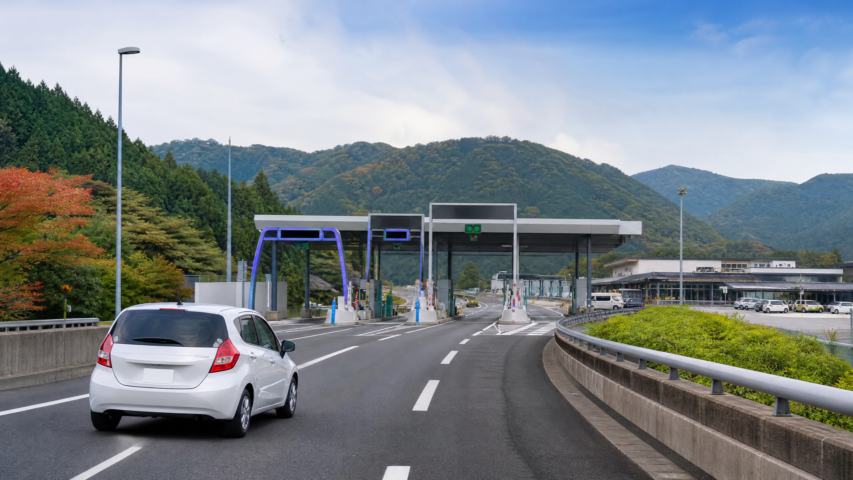
接近收費站時提早減速,依照現場標誌選擇車道。只有在 ETC 卡正確插入、車道開放時,才可使用 ETC 車道。欄杆沒有升起時絕對不要倒車,應安全停下,使用對講機或求助按鈕,按照工作人員指示處理。

規劃路線與休息

高速公路通行費會依距離與路線改變。出發前使用官方費用與路線查詢,確認入口及出口交流道名稱,再設定導航。有些定額方案只適用特定地區、日期、車輛或指定卡片;北海道方案不一定能在全日本使用,請查看最新官方條件。

服務區與停車區可用來休息及查看交通資訊。不要停在路肩查地圖,也不要因錯過出口而急停或逆向;繼續前進,在下一個安全出口調整路線。

高速公路安全習慣

  • 遵守靠左行駛與道路標示的速限。
  • 下雨、夜間或塞車時增加車距。
  • 感到疲勞前在服務區休息。
  • 提早注意塞車隊伍末端。
  • 不操作手機,也絕不酒後開車。

出發前五分鐘

確認天氣、交通、出口名稱、ETC 卡、導航與安全帶,再進入高速公路。安排緩衝時間,才能讓陌生的收費系統成為行程中可預期的一部分。

資料來源:日本國家旅遊局租車指南、中部運輸局自駕指南、NEXCO 東日本 ETC 資訊。