日元

Blog

日本高速公路收費系統簡介

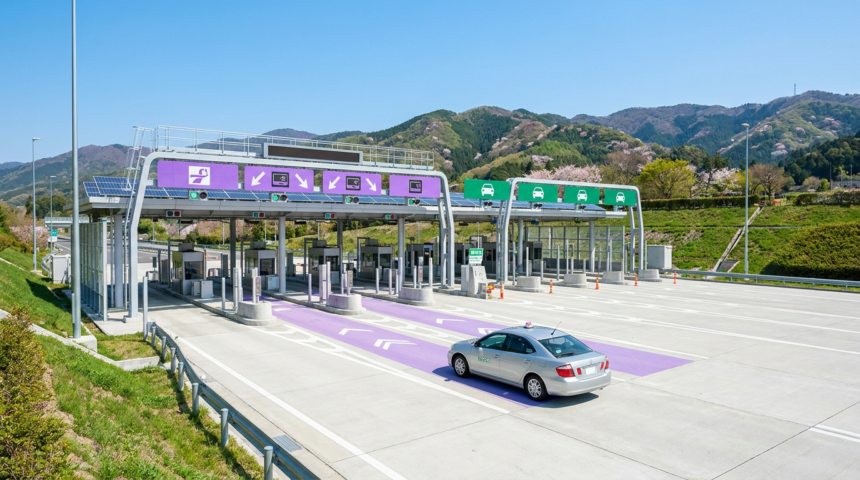
在日本的高速公路上自駕,是探索這個國家最有效率的方式之一。NEXCO東日本營運的高速公路為收費道路,且ETC與一般車道的通行方式不同。為了確保旅程順暢與安全,正確了解ETC(電子收費系統)車道與一般車道之間的差異是不可或缺的。

認識ETC系統

ETC系統是一種讓您無需停車即可支付通行費的自動化系統。若要使用此系統,您的車輛必須配備ETC車載設備,且必須將有效的ETC卡確實插入插槽中。租車時,請先向租車公司確認車輛是否配備ETC設備,以及ETC卡的安排。

ETC車道的重要安全規範

當您接近收費站時,請尋找標示為「ETC」的車道。在進入車道前,您必須將車速降低至時速20公里或以下。系統需要這種緩慢的速度才能正確讀取您的卡片並開啟柵欄。請務必與前車保持安全的行車距離,因為前方的駕駛可能會突然煞車。請緩慢駛過車道,並密切注意收費站柵欄的位置。

如果ETC柵欄沒有開啟該怎麼辦

有時候,ETC柵欄可能無法開啟。如果發生這種情況,最重要的規則就是「絕對不要倒車」。在收費站倒車是非常危險的行為。如果您在入口收費站,工作人員會透過對講機與您聯繫。如果您在出口收費站,請開啟危險警告燈,留在車內等待工作人員前來協助。

使用一般車道以現金或信用卡付費

如果您沒有ETC卡,則必須使用標示為「一般」的車道。在入口收費站,您需要停車並從自動機器抽取通行券。當您抵達目的地出口時,請再次使用一般車道,將通行券交給工作人員並支付通行費。依NEXCO東日本的說明,您可以使用現金(僅限日圓)或主要的信用卡進行支付。

結語

無論您選擇便利的ETC系統,或是傾向使用一般車道,熟悉日本高速公路收費站的規則都能確保您的自駕之旅輕鬆無壓。請始終將安全放在第一位,嚴格遵守ETC車道時速20公里的速限。有了Relax Rent-A-Car的陪伴,您將能充滿自信且安心地享受日本的高速公路之旅。

Japanese expressway toll gate with ETC and general lanes

日本の高速道路料金所の基本

日本で高速道路を利用する際には、料金所のレーン選択を早めに確認することが大切です。NEXCO東日本の高速道路は有料で、ETCと一般レーンで通行方法が異なります。旅の前に基本を知っておけば、初めてのドライブでも落ち着いて対応できます。

ETCの仕組み

ETCは、料金所のアンテナと車載器が無線通信し、停車せずに通行料金を支払う仕組みです。利用するには、ETC車載器と有効なETCカードが必要です。レンタカーを予約する際は、車載器とカードの取扱いを事前に確認しましょう。

ETCレーンで守る安全ルール

料金所に近づいたら、ETC表示のあるレーンと信号、矢印を確認してください。ETCレーンへは時速20km以下で進入し、開閉バーと路側表示を見ながらゆっくり通過します。前方の車が止まる場合もあるため、十分な車間距離を保つことも重要です。

バーが開かないとき

バーが開かないときは、絶対に後退しないでください。入口ではインターホンを通じて係員が案内します。出口ではハザードランプを点灯し、車内で待機して係員の指示に従いましょう。

一般レーンを使う場合

ETCカードがない場合は、「一般」と表示されたレーンを選びます。NEXCO東日本の案内では、入口で通行券を受け取り、出口でその券を渡して精算します。現金払いは日本円で、クレジットカードの利用も案内されています。料金所に入る前に支払い手段を準備すると安心です。

まとめ

ETCでも一般レーンでも、標識を早めに読み、速度を落として通行することが安全の基本です。ETCでは時速20km以下、トラブル時には後退せず係員の指示に従うことを覚えておきましょう。準備を整えれば、日本の高速道路でのドライブを快適に楽しめます。

Japanese expressway toll gate with ETC and general lanes

Introduction to Japan's Expressway Toll System

Driving on Japan's expressways is undoubtedly one of the most efficient and enjoyable ways to explore the country, offering well-maintained roads and breathtaking scenery along the way. However, navigating the toll gates can be intimidating for first-time visitors, especially when faced with unfamiliar signs and procedures. NEXCO East operates toll expressways, so understanding how its gates work helps visitors travel safely. Understanding the difference between Electronic Toll Collection (ETC) lanes and General lanes is absolutely essential for a smooth, safe, and stress-free journey.

Understanding the ETC System

The Electronic Toll Collection (ETC) system is an advanced automated method that allows you to pay tolls without stopping your vehicle at the gate. It relies on seamless wireless communication between an overhead antenna at the toll gate and a dedicated onboard device installed in your car. To use this highly convenient system, your vehicle must be equipped with an ETC onboard device, and a valid, unexpired ETC card must be securely inserted into the slot before you begin driving. When you arrange a rental car, confirm whether your chosen vehicle has an ETC onboard device and how an ETC card is handled before departure.

Crucial Safety Rules for ETC Lanes

When approaching any toll gate, look carefully for signs indicating "ETC" lanes. Safety is the paramount concern when using these automated gates. You must strictly reduce your speed to 20 km/h or less before entering the lane. The automated system requires this low speed to properly verify your card and safely open the barrier in time. Always maintain a safe and generous distance from the vehicle in front of you, as sudden stops can frequently occur if a driver ahead has an expired card or an improperly inserted device. Drive slowly and deliberately through the lane, keeping a close eye on the roadside display monitor and the position of the toll gate bar at all times.

What to Do If the ETC Bar Does Not Open

Occasionally, the ETC bar may fail to open due to a communication error, a misplaced card, or an expired card. If this happens to you, the most important rule to remember is to never reverse your vehicle. Reversing at a toll gate is extremely dangerous and strictly prohibited. If you are stopped at an entrance gate, an attendant will communicate with you through the intercom system, and you will simply need to take a toll pass ticket from the green automatic machine. If you are stopped at an exit gate, turn on your hazard lights immediately, remain safely inside your vehicle, and wait for a staff member to come and assist you. You will need to hand over your ETC card to the attendant so they can manually calculate and process your toll payment.

Using General Lanes for Cash and Credit Cards

On NEXCO East roads, if you do not have an ETC card, use a "General" (一般) lane rather than an ETC-only lane. At the entrance toll gate, you will need to come to a complete stop and take a toll pass ticket from the automatic machine. Keep this ticket safe and accessible, as it accurately records your entry point and time. When you reach your destination exit, use the General lane once again, hand the ticket to the toll attendant, and pay your toll. You can pay using cash (Japanese Yen only) or a major credit card. Be prepared with your preferred payment method in advance to keep the traffic flowing smoothly and efficiently.

Conclusion

Whether you choose the unmatched convenience of the ETC system or prefer using the traditional General lanes, knowing the rules of Japan's expressway toll gates ensures a stress-free and highly enjoyable road trip. Always prioritize safety above all else by strictly adhering to the 20 km/h speed limit in ETC lanes and calmly following attendants' instructions if any issues arise during your journey. With Relax Rent-A-Car, you are well-equipped with the knowledge and resources to enjoy the beautiful, expansive highways of Japan with complete confidence and peace of mind.

Japanese expressway toll gate with ETC and general lanes

為緊急車輛讓行的重要性

在日本租車自駕時,可能會遇到鳴笛的救護車或消防車等緊急車輛。了解如何應對,是保障安全與遵守《道路交通法》的關鍵。只要掌握基本規則,就能安全讓出路權,確保急救人員迅速抵達目的地。

日本《道路交通法》的規定

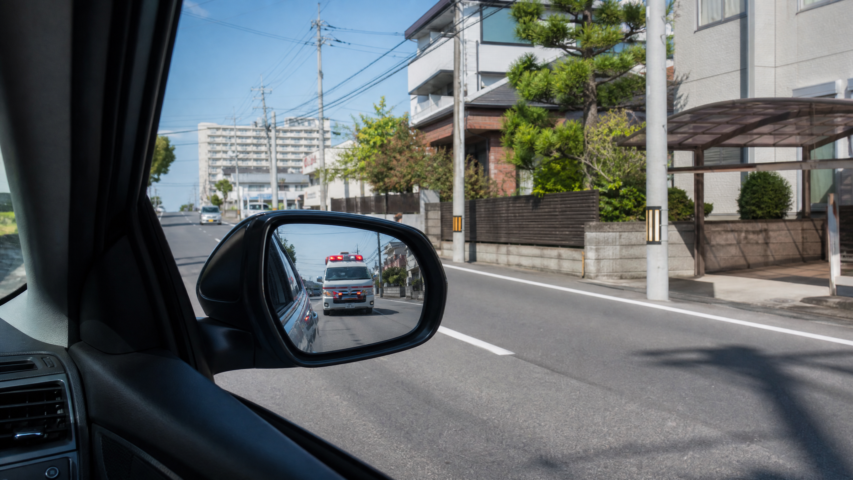
日本車輛靠左行駛。根據第40條規定,緊急車輛接近時的行動,取決於您在「交叉路口或其附近」或「一般直行路段」。聽到警笛時不需急煞,應保持冷靜,透過後視鏡確認方向,並依環境讓行。

在交叉路口或其附近的讓行方式

交叉路口發生碰撞的風險最高。若在路口附近察覺緊急車輛接近,必須遵守以下步驟:

  • 避開交叉路口:尚未進入請勿駛入,已在路口內請迅速安全駛離。
  • 靠道路左側行駛:在安全前提下,將車輛盡可能往左側靠攏。
  • 必須暫時停止:必須將車完全停下,讓緊急車輛安全通過。

例外情況是,若在單行道上靠左會阻礙緊急車輛,則必須改為靠右側行駛並暫時停止。請始終以清出通道為優先。

在直行道路及其他區域的讓行方式

在遠離交叉路口的一般道路上,當緊急車輛接近時,必須採取以下行動:

  • 靠道路左側行駛:將車輛移至左側,騰出通行空間。
  • 讓出車道:雖然非路口未強制「完全停止」,但大幅減速或停車,通常是確保緊急車輛安全通過的最妥當做法。

同樣地,在單行道上若向左靠會擋住緊急車輛,應向右靠以清出通道。

安全應對的實用建議

聽到警笛聲請保持冷靜。急煞或突然變換車道可能引發事故。利用後照鏡確認來源,並使用方向燈示意準備靠邊,讓其他駕駛預期您的動向。在日本,急救人員常使用擴音器指示「請靠左側停車」。遵循指示能協助拯救生命,讓您的公路旅行安全愉快。

Side-view mirror shows a street scene with an ambulance directly behind the car on a sunny day.

緊急自動車への配慮の重要性

日本でレンタカーを運転中、サイレンを鳴らす救急車や消防車などの緊急自動車に遭遇することがあります。その際、正確に対処することは、全員の安全と道路交通法の遵守に不可欠です。見知らぬ土地で焦るかもしれませんが、基本ルールを理解すれば、安全に道を譲ることができます。

道路交通法で定められているルール

日本では車は左側通行です。道路交通法第40条により、緊急自動車接近時の行動は「交差点またはその付近」か「それ以外の場所」かで異なります。急ブレーキは避け、ミラーで接近方向を確認し、状況に応じた譲り方に従うことが大切です。

交差点やその付近での道の譲り方

交差点は事故リスクが高い場所です。交差点付近で緊急自動車が接近した場合、以下の手順に従います。

  • 交差点を避ける:未進入なら入らず、進入済みなら速やかに外へ出ます。
  • 左側に寄る:安全な範囲で車を道路の左端に寄せます。
  • 一時停止する:緊急自動車が安全に通過できるよう、必ず一時停止します。

例外として、一方通行で左に寄ると進行を妨げる場合は、右側に寄って一時停止します。進路確保を最優先してください。

交差点以外の場所での道の譲り方

交差点から離れた一般道路で後方や対向から接近してきた場合は、以下の行動をとります。

  • 左側に寄る:車を左側に寄せ、通過スペースを確保します。
  • 進路を譲る:一時停止の厳密な義務はありませんが、減速や一時停止が最も安全で確実な方法です。

一方通行で左に寄ると邪魔になる場合は、右側に寄って進路を空けます。

安全に対処するためのアドバイス

サイレンが聞こえたら落ち着きましょう。急な車線変更は事故の原因です。ミラーで音源を特定し、ウインカーで車を寄せる意思を示します。日本では隊員がマイクで「左に寄って停止してください」と指示することがあります。この指示に従うことで、人命救助につながります。

Side-view mirror shows a street scene with an ambulance directly behind the car on a sunny day.

Driving in Japan: The Importance of Yielding to Emergency Vehicles

When you rent a car and drive in Japan, you may encounter emergency vehicles such as ambulances, fire trucks, or police cars with their sirens blaring and red lights flashing. Knowing exactly how to react is crucial not only for the safety of everyone on the road but also to comply with the Japanese Road Traffic Act. Many foreign drivers feel anxious when they hear a siren in an unfamiliar country. However, by understanding a few straightforward rules, you can confidently and safely yield the right of way, ensuring that emergency responders reach their destinations without delay.

What the Japanese Road Traffic Act Requires

In Japan, traffic flows on the left side of the road. This fundamental rule also dictates how drivers should behave when an emergency vehicle approaches. According to Article 40 of the Road Traffic Act, your required action depends entirely on your current location on the road, specifically whether you are near an intersection or driving on a straight stretch of road.

It is important to note that you do not need to slam on your brakes the moment you hear a siren. Instead, remain calm, check your mirrors to locate the approaching emergency vehicle, and follow the specific yielding procedures based on your surroundings.

How to Yield at or Near an Intersection

Intersections are the most critical areas when emergency vehicles are approaching, as they pose the highest risk of collisions. If you are driving at or near an intersection and notice an emergency vehicle approaching, you must follow these specific steps:

  • Do not enter the intersection: If you have not yet entered the intersection, stay out of it. If you are already inside the intersection, exit it safely and promptly.
  • Pull over to the left: Steer your vehicle as far to the left side of the road as safely possible.
  • Come to a complete stop: You must stop your vehicle temporarily to allow the emergency vehicle to pass through the intersection safely.

There is one exception to the "pull over to the left" rule at intersections. If you are driving on a one-way street and pulling over to the left would actually obstruct the emergency vehicle's path, you are required to pull over to the right side of the road instead. Always prioritize creating a clear path for the emergency responders.

How to Yield on Straight Roads and Other Areas

If you are driving on a regular road, away from any intersections, the rules are slightly different but equally important. When an emergency vehicle approaches from behind or from the opposite direction on a narrow road, you must take the following action:

  • Pull over to the left: Move your vehicle to the left side of the road to create space.
  • Yield the right of way: You must give way to the emergency vehicle. While a complete stop is not strictly mandated by law in every non-intersection scenario, slowing down significantly or stopping is often the safest and most practical way to ensure the emergency vehicle can pass safely, especially on narrow Japanese streets.

Just like at intersections, if you are on a one-way street where moving left would block the emergency vehicle, you should move to the right side to clear the path.

Practical Tips for a Safe Reaction

When you hear a siren, your first reaction should be to stay calm. Abrupt braking or sudden lane changes can cause accidents and hinder the emergency vehicle's progress. Use your rearview and side mirrors to identify where the siren is coming from. Once you have located the emergency vehicle, use your turn signals to indicate your intention to pull over, allowing other drivers to anticipate your movements.

In Japan, you will often hear emergency vehicle personnel using a loudspeaker to thank drivers for their cooperation or to provide specific instructions, such as "Please stop on the left." Following these polite instructions ensures a smooth flow of traffic and helps save lives. By familiarizing yourself with these yielding rules, your road trip in Japan will be both safe and enjoyable.

Side-view mirror shows a street scene with an ambulance directly behind the car on a sunny day.

了解日本的鐵路平交道規則

在日本租車自駕是探索各地的絕佳方式。然而,許多外國駕駛常對日本的一項交通規則感到驚訝:嚴格的鐵路平交道停車義務。了解正確的通過方式不僅是為了避免罰單,更是攸關生命安全的重要課題。根據日本《道路交通法》規定,火車始終擁有絕對的優先通行權,駕駛人必須親自確認鐵軌安全無虞後,才能開車通過。

基本原則:「停車、看、聽」

最重要的一項規則是:即使平交道的柵欄是升起的,車輛在通過前也必須完全停止。正確的步驟如下:

  • 完全停車:在平交道前方,或是停止線前,將車輛完全煞停。
  • 確認左右安全:稍微搖下車窗,用眼睛確認左右兩側是否有火車駛來,並用耳朵聆聽是否有平交道警報聲。
  • 確認出口空間:起步前,必須確保平交道對面有足夠的空間容納您的車輛,絕對不能讓車子停留在鐵軌上。
  • 平穩通過:確認安全後,請毫不猶豫地平穩開過鐵軌,中途不要逗留或停車。

不過,這項強制停車的規定有一個例外:如果該平交道設有專供道路車輛看的一般交通號誌(紅綠燈),且號誌顯示為「綠燈」時,駕駛人可以在確認安全的前提下,不須停車直接通過。

當警報聲響起時的應對

當警報器開始鳴響,或是柵欄開始放下時,車輛絕對禁止進入平交道。即使柵欄還沒有完全放下,強行闖入也是極度危險的行為。如果您在開車通過平交道的途中,警報器突然響起,請不要慌張,繼續往前開,盡速且安全地駛離平交道區域即可。

平交道內的緊急狀況處理

萬一您的租車不幸在平交道內熄火或受困,必須立即採取行動以防止發生碰撞。

  • 按下緊急按鈕:多數平交道的警報器柱子上都設有「非常按鈕」。請立刻按下它,這會向接近的列車發出危險訊號。
  • 人員全數撤離:駕駛與所有乘客必須立刻下車,撤離到平交道柵欄外的安全地帶。
  • 通報相關單位:在確保人員安全後,請撥打緊急按鈕旁標示的聯絡電話,或是撥打 110 報警,說明現場狀況。

確實了解並遵守這些安全規則,能讓您的日本自駕之旅更加安心與順利。

White SUV waiting at a rural railroad crossing with yellow-black striped gates and signal lights, green fields and blue mountains in the distance.

日本の踏切では必ず確認を

日本でのレンタカードライブでは、踏切での厳格なルールを知っておくことが重要です。道路交通法では、車両は踏切または停止線の直前で一時停止し、安全を確認してから通過しなければなりません。遮断機が上がっていて列車が見えない場合でも同じです。列車が常に優先されることを覚えておきましょう。

「止まる・見る・確認する」

踏切では早めに減速し、完全に停止してから落ち着いて確認します。

  • 停止する:踏切の直前、または停止線の手前で完全に止まります。
  • 左右を見る:左右から列車が来ていないか、警報機が鳴っていないかを確認します。
  • 出口を確認する:踏切の向こう側に車一台分の十分な空間があることを確認します。
  • 一気に通過する:安全が確認できたら、踏切内で止まらずに通過します。

道路交通用の信号機が踏切を通過するよう指示している場合は、一時停止せずに進むことができます。ただし、前方の安全確認は必要です。

警報機や遮断機が作動したら

警報機が鳴っているとき、遮断機が下り始めたとき、またはすでに下りているときは、絶対に踏切へ進入してはいけません。通過中に警報機が鳴り始めた場合は、慌てずに前へ進み、速やかに踏切の外へ出てください。

車が動けなくなった場合

踏切内で車が故障などにより動けなくなった場合は、警報機の近くにある非常ボタンを直ちに押します。列車へ危険を知らせる信号が送られます。その後、乗員の安全を確保し、ボタン付近に表示された連絡先へ状況を伝えてください。必要に応じて警察(110番)にも通報します。

一時停止、左右確認、出口の確認を習慣にすれば、日本での自動車旅行をより安全に楽しめます。

White SUV waiting at a rural railroad crossing with yellow-black striped gates and signal lights, green fields and blue mountains in the distance.

Why Railway Level Crossings Need Extra Care

A rental car gives you the freedom to explore Japan beyond train stations and city centres. It also means learning road rules that may feel unfamiliar. Railway level crossings are one of the most important examples. They appear on both urban streets and quiet rural roads, and a driver must approach each one with care.

Japan's Road Traffic Act requires a vehicle to stop immediately before a railway crossing, or before its marked stop line, and to check that it is safe before going over the tracks. This rule applies even when the barrier is open and no train is visible. Treat a crossing as a separate safety check, not simply as another part of the road ahead.

The Stop, Look, and Check Routine

Use the same deliberate routine every time you reach a crossing. Slow down early, stop fully, and give yourself a few seconds to assess the situation. If you are driving with passengers, it can help to reduce conversation and music before the crossing so that everyone can concentrate.

  • Stop at the right point: Bring the car to a complete stop immediately before the crossing or the painted stop line. A rolling stop is not enough.
  • Check both directions: Look carefully to the left and right for an approaching train. Listening matters too, especially on a narrow road where your view is partly blocked.
  • Confirm your exit: Before you move, make sure the road beyond the tracks has enough clear space for your whole vehicle. Do not enter if queuing traffic could leave you stopped on the rails.
  • Cross in one movement: Once the way is clear, drive smoothly across. Do not pause, park, or turn around inside the crossing.

There is a limited legal exception. When a normal road traffic signal at the crossing directs vehicles to proceed, you may follow that signal without making the usual stop. Even then, remain alert for obstacles and never assume that a green signal removes the need for careful driving.

When Alarms or Barriers Begin to Operate

Japanese crossings use audible alarms, warning lights, and barriers to protect rail traffic. Never enter the crossing when the alarm is sounding, when lights are warning of a train, or when the barrier is closing or already closed. This is not a situation where it is safe to hurry through before the barrier reaches the road.

If the alarm begins while your car is already inside the crossing, continue forward and leave the crossing as quickly and safely as conditions allow. Do not stop on the tracks. The official guidance from JR-West gives the same practical instruction: move out of the crossing promptly if you hear the bell while you are inside it.

If Your Vehicle Cannot Move

A stalled vehicle on a crossing is an emergency. Most crossings have an emergency notification button close to the warning equipment. If your vehicle cannot move from the tracks, press that button immediately. The button sends a danger signal to approaching trains; then use the contact number displayed beside it to report what has happened.

  • Warn the railway first: Use the emergency button or another available emergency method without delay.
  • Prioritise people: Move yourself and your passengers away from the crossing to a safe place.
  • Report the incident: Follow the contact instructions at the crossing and, if needed, call the police on 110.

These steps are simple, but they are essential. By stopping, checking, and never entering a crossing without a clear exit, you can make your Japan rental-car journey safer and more relaxed for everyone sharing the road and railway network.

White SUV waiting at a rural railroad crossing with yellow-black striped gates and signal lights, green fields and blue mountains in the distance.

出発前に油種を確認

日本の給油所では主にレギュラー、ハイオク、軽油を扱います。一般的な乗用車でも油種を決めつけず、貸渡証、車両案内、給油口付近の表示を確認してください。誤給油は故障の原因になるため、不明なら出発前にレンタカー会社へ質問します。

  • レギュラー:多くの一般乗用車で使用
  • ハイオク:指定された車両のみ
  • 軽油:一部のバンや乗用車などで使用

フルサービスとセルフ

日本にはスタッフが給油する店舗と、自分で操作するセルフ式があります。スタッフ式ではエンジンを止め、油種と量を伝えます。「レギュラー満タン」でレギュラーを満量まで給油する意味です。

セルフ式では給油口を機械側に寄せて停車し、画面で支払方法、油種、金額・数量または満タンを選びます。機種ごとに順序が異なるため、判断できない時はインターホンで係員に確認し、推測で押さないでください。

安全な給油手順

エンジンを停止し、火気を近づけません。給油口を開ける前に静電気除去シートへ触れます。消防庁はセルフ式でのエンジン停止、火気厳禁、静電気対策を案内しています。

  1. 指定油種を再確認する
  2. ノズルを奥まで差し、レバーを握る
  3. 自動停止後は継ぎ足さない
  4. ノズルを戻し、キャップを確実に閉める
  5. レシートを受け取る

カードを使えない店舗もあるため、現金を予備に持つと安心です。前払い機では、レシートのバーコードを別の精算機に読ませて釣銭を受け取る場合があります。

返却前の確認

満タン返却やレシート提示などの条件は会社と契約で異なります。貸出時の案内を優先してください。返却店舗の近くで給油し、レシートを保管するよう求める会社もあります。地方へ向かう日は警告灯が点くまで待たず、利用予定の給油所と最新の営業時間を事前に確認しましょう。

Man refueling a white sedan at a gas station with blue sky and mountains in the background