日元

Blog

Why Summer Driving in Japan Demands Extra Caution

Japan's summer is one of the most demanding driving environments in Asia. From late June through early September, the combination of intense solar radiation and high humidity creates conditions that can be genuinely dangerous for drivers. Temperatures regularly exceed 35°C across the country, and inside a parked car, the situation becomes far more extreme. According to testing conducted by the Japan Automobile Federation (JAF), a black vehicle left in direct sunlight at an ambient temperature of 35°C can reach an interior peak of 57°C, with the dashboard surface climbing to 79°C. Even a white car under the same conditions can hit 52°C inside. These are not temperatures that humans, pets, or children can safely tolerate, even briefly.

Never Leave Anyone in a Parked Car

One of the most critical findings from JAF's summer research is how quickly conditions deteriorate once the air conditioning is switched off. In their tests, the heat stress index inside a parked car reached a dangerous level within just 15 minutes of the engine being turned off. For infants and elderly passengers, whose body temperature regulation is less efficient, this window is even shorter. Never leave children, elderly individuals, or pets inside a parked car during summer, even if you plan to return within a few minutes. Opening windows by 3 cm only reduces peak interior temperature from 57°C to 45°C, which remains life-threatening.

Preparing Your Rental Car Before You Drive

Before setting off on a summer road trip in Japan, there are several practical steps every rental car driver should take. First, use a sunshade on the windshield whenever the car is parked. While sunshades alone cannot prevent dangerous heat buildup, they reduce dashboard temperatures and make the initial cool-down faster once you start the air conditioning. Second, open all doors for 30 to 60 seconds before entering a car that has been sitting in the sun. This allows trapped hot air to escape and reduces the time your air conditioner needs to reach a comfortable temperature. Third, check that the rental car's air conditioning is functioning properly before leaving the lot. In summer heat, a malfunctioning AC is not merely uncomfortable — it is a safety issue.

Staying Hydrated and Alert on the Road

Driving in heat increases the physical and cognitive demands on the driver. Dehydration, even at mild levels, impairs concentration and reaction time. Keep a large bottle of water within easy reach at all times, and drink regularly rather than waiting until you feel thirsty. Avoid energy drinks and alcohol entirely while driving, as both accelerate dehydration. Plan your route to include rest stops every 60 to 90 minutes, especially during the hottest part of the day between 10:00 and 15:00. Japan's highway service areas (SA) and parking areas (PA) are well-equipped with vending machines, convenience stores, and shaded rest areas, making them ideal spots to cool down and rehydrate.

Managing the Air Conditioning Effectively

Running the air conditioning not only lowers temperature but also removes moisture from the cabin air, which makes a significant difference to driver comfort and alertness. Set the temperature to around 25°C to 27°C rather than the coldest setting, as extreme cold can cause drowsiness and make the transition to outdoor heat more physically stressful. Direct the vents toward the lower body rather than the face to maintain alertness. On long drives, switch the AC to fresh-air mode periodically to prevent carbon dioxide buildup inside the cabin.

What to Do If You Feel Unwell While Driving

If you begin to feel dizzy, nauseous, or unusually fatigued while driving, pull over safely at the nearest rest area or convenience store parking lot. Turn the air conditioning to its maximum setting, drink cold water, and apply a cold, wet towel to your neck and wrists. Japan's nationwide emergency number is 119 for ambulance services. If symptoms do not improve within 15 to 20 minutes, call for help immediately. Heat exhaustion and heat stroke can escalate rapidly, and it is always better to stop and seek assistance than to push on and risk an accident.

Summer Driving Checklist

  • Carry at least one liter of water per person per hour of planned driving.
  • Use a windshield sunshade whenever parked in direct sunlight.
  • Never leave passengers or pets in a parked car with the engine off.
  • Take a rest break every 60 to 90 minutes, especially between 10:00 and 15:00.
  • Check the rental car's AC before departing from the rental counter.
  • Know the emergency numbers: 119 for ambulance, 110 for police.

Japan's summer roads are beautiful and well-maintained. With the right preparation, a summer road trip can be a genuinely memorable experience. The key is to respect the heat, plan your stops, and keep yourself and your passengers hydrated and comfortable throughout the journey.
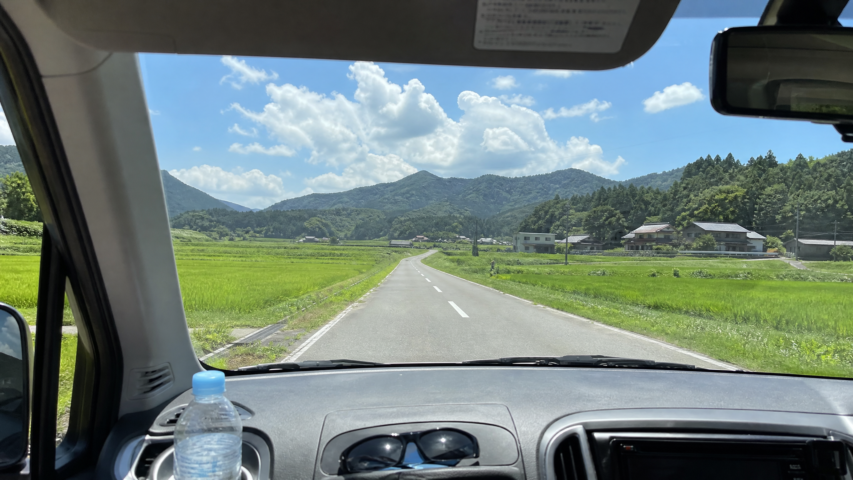
View from inside a car driving down a rural two-lane road, with green fields and distant hills under a blue sky with clouds.

認識日本的道路標誌與路面標線

在日本租車自駕,能讓您有機會探索美麗風景。然而,對於外國駕駛來說,要在日本的道路上安全行駛,正確理解當地的道路標誌與路面標線是不可或缺的。特別是在鄉下地區,標誌上往往沒有英文標註,因此事先熟悉這些視覺提示非常重要。

最重要的「停止」標誌(止まれ)

您必須認識的最重要標誌之一,就是日本的「停止」標誌。日本的停止標誌是一個紅色的倒三角形,上面寫著白色的「止まれ」字樣。近年來,在主要城市的停止標誌上,已經開始加上英文的「STOP」字樣。當您遇到這個標誌時,必須在道路上畫著的白色停止線前將車輛完全停下。

紅綠燈與特殊的箭頭號誌

日本的紅綠燈通常是橫向排列的。在日本,除非有特定的標誌或綠色箭頭指示,否則在紅燈時是絕對禁止左轉的。紅燈代表所有車輛都必須停止。您會經常看到主要紅綠燈下方設有綠色箭頭號誌。如果主要燈號是紅燈,但綠色箭頭亮起,您只能朝箭頭指示的方向行駛。

速限與管制標誌

在一般道路上,速限通常是六十公里,但在市區或住宅區,速限經常會限制在三十公里或四十公里。在高速公路上,速限通常是一百公里。速限標誌是圓形的,白底紅邊,中間寫著藍色的數字。另一個重要的管制標誌是「禁止進入」標誌,它是一個紅底白橫線的圓形標誌。此外,「徐行」標誌是一個類似停止標誌的紅色倒三角形,它要求您將車速降低到必要時能立即停下的程度。

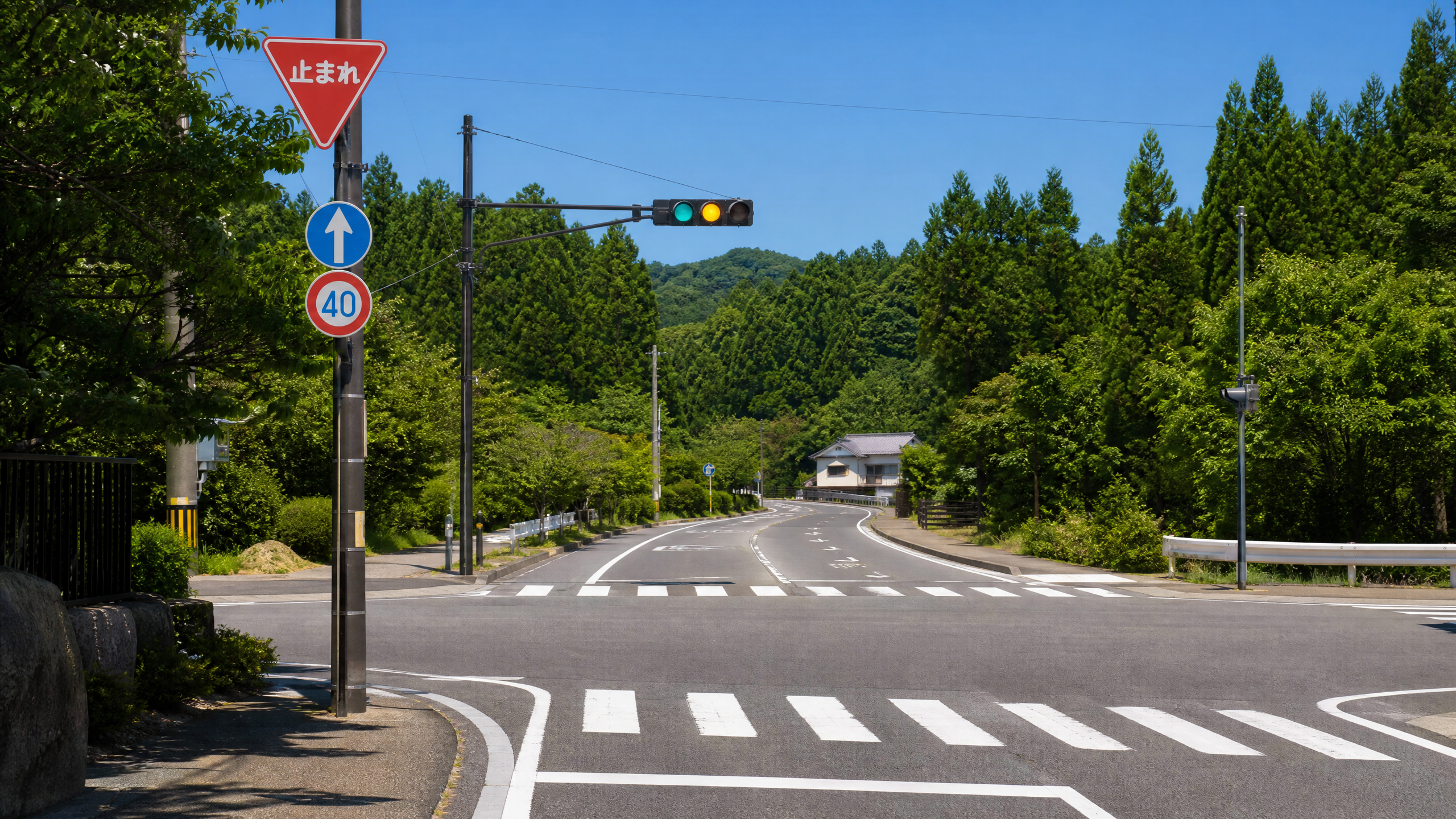
Intersection on a tree-lined street with a stop sign (止まれ), blue one-way sign, and 40 km/h sign near a crosswalk.

日本の道路標識と路面標示を理解する

日本でレンタカーを運転することは、美しい景色を探索する素晴らしい機会を提供します。しかし、外国人ドライバーにとって、日本の道路を安全にナビゲートするためには、現地の道路標識や路面標示を正しく理解することが不可欠です。地方では英語の併記がない標識も多いため、これらの視覚的なサインに慣れておくことが重要です。

最も重要な「止まれ」の標識

絶対に認識しておかなければならない標識の一つが、日本の「止まれ(一時停止)」の標識です。日本の止まれ標識は赤い逆三角形で、白い文字で「止まれ」と書かれています。近年、主要都市では英語の「STOP」が併記されるようになっています。この標識を見つけたら、道路に引かれた白い停止線の直前で車両を完全に停止させなければなりません。

信号機と矢印信号のルール

日本の信号機は一般的に横型です。日本では、特定の標識や緑の矢印信号がない限り、赤信号での左折は禁止されています。赤信号はすべての車両が停止しなければならないことを意味します。メインの信号機の下に緑の矢印信号が設置されているのをよく見かけるでしょう。メインの信号が赤でも、緑の矢印が点灯している場合は、矢印が示す方向にのみ進行することができます。

制限速度と規制標識

一般道路の制限速度は通常60km/hですが、市街地では30km/hや40km/hに制限されることがよくあります。高速道路の制限速度は通常100km/hです。制限速度の標識は、白地に赤い縁取り、青い数字が書かれた丸い形をしています。もう一つの重要な規制標識は「進入禁止」の標識で、赤い丸に白い横線が引かれています。

Intersection on a tree-lined street with a stop sign (止まれ), blue one-way sign, and 40 km/h sign near a crosswalk.

Understanding Japanese Road Signs and Markings

Driving a rental car in Japan offers an incredible opportunity to explore scenic routes that are often inaccessible by public transportation. However, for foreign drivers, navigating Japanese roads requires a solid understanding of local road signs and markings. Since English translations are not always available on every sign, especially in rural areas, familiarizing yourself with these essential visual cues is crucial for a safe and stress-free journey.

Japan follows the left-hand traffic system, meaning the driver's seat is on the right side of the vehicle. While this might take some getting used to for drivers from countries with right-hand traffic, understanding the road signs is equally important. The Japanese traffic system is highly organized, and strictly adhering to these rules ensures your safety and the safety of pedestrians and other drivers.

The Iconic "Stop" Sign (Tomare)

One of the most critical signs you must recognize is the Japanese "Stop" sign. Unlike the red octagonal signs common in many Western countries, the Japanese stop sign is an inverted red triangle with the white characters "止まれ" (Tomare) written on it. In recent years, English translations have been added to some of these signs in major cities, but you should not rely on this everywhere.

When you encounter this sign, you must bring your vehicle to a complete stop just before the solid white stop line painted on the road. Failing to stop completely is a serious traffic violation and a leading cause of accidents involving foreign drivers at intersections without traffic lights. After stopping, you must visually check both directions for oncoming traffic, bicycles, and pedestrians before proceeding.

Traffic Lights and Unique Arrow Signals

Traffic lights in Japan are generally horizontal and are placed on the opposite side of the intersection. The sequence is standard: green, yellow, and red. However, there are specific rules you must follow. In Japan, you cannot turn left on a red light unless there is a specific sign or a green arrow indicating it is safe to do so. A red light means all traffic must stop.

You will frequently see green arrow signals below the main traffic lights. If the main light is red but a green arrow is illuminated, you may proceed only in the direction indicated by the arrow. For example, a green right arrow allows you to turn right, but you must still yield to oncoming traffic and pedestrians. Always prioritize pedestrians, as they have the right of way at crosswalks.

Speed Limits and Regulatory Signs

Speed limits in Japan are generally lower than in many Western countries. On ordinary roads, the speed limit is typically 60 km/h, but in urban areas and residential zones, it is often reduced to 30 km/h or 40 km/h. On expressways, the limit is usually 100 km/h, though some sections may allow up to 120 km/h. Speed limit signs are round with a white background, a red border, and blue numbers.

Another important regulatory sign is the "No Entry" sign, which is a red circle with a white horizontal line. This indicates that vehicles cannot enter the road. Additionally, the "Slow Down" sign (徐行) is an inverted red triangle similar to the stop sign but with different characters. It requires you to reduce your speed to a level where you can stop immediately if necessary, usually around 10 km/h or less. Being mindful of these rules is the key to an enjoyable trip.

Intersection on a tree-lined street with a stop sign (止まれ), blue one-way sign, and 40 km/h sign near a crosswalk.

日本租車夜間行駛注意事項

在日本租車自駕入夜後,能見度下降、路標難以辨識、野生動物出沒等風險接踵而來。了解夜間駕駛的特殊挑戰,是確保旅途安全的重要一步。

車燈的正確使用方式

依據日本道路交通法,車輛必須在日落至日出期間,以及能見度不足200公尺時開啟車頭燈。一般使用近光燈,在無路燈的郊區或山路上切換為遠光燈,可大幅延長照射距離,有助於提早發現行人、動物或路面障礙物。對向來車時應立即切換回近光燈。出發前請確認車燈已亮起,並清潔擋風玻璃,油膜在對向車燈照射下會產生強烈眩光。

野生動物衝撞風險

根據北海道警察廳統計,2024年北海道蝦夷鹿車輛碰撞事故達5,460件,較2004年增加逾四倍。鹿、貉、野豬等動物多為夜行性,在日落後至黎明前最為活躍。在北海道或山區夜間行駛時,應降低車速並使用遠光燈照亮路側。JAF建議遇到動物時切勿急打方向盤,應踩穩煞車保持直線並鳴按喇叭。若發生碰撞,應停車開啟危險警示燈並撥打110報警。

預防疲勞駕駛

人體在夜間自然傾向睡眠,深夜0時至凌晨4時是警覺性最低的時段。頻繁眨眼、難以維持車道是疲勞的警訊,應立即在服務區或便利商店停車休息。15至20分鐘的小睡往往比咖啡因更有效,建議每約兩小時主動安排一次休息。

夜間行車安全確認清單

  • 出發前確認車頭燈已開啟,並清潔擋風玻璃
  • 無路燈道路使用遠光燈,對向來車時立即切換近光燈
  • 山區及野生動物出沒地區應降低車速
  • 每約兩小時主動休息,感到疲倦前即停車
  • 出發前設定導航,行駛中使用語音導航
  • 緊急聯絡:警察110、救護車119、JAF 0570-00-8139

夜間的日本道路車流量少,氣氛寧靜。只要掌握車燈使用、留意野生動物風險並適時休息,便能讓夜間租車自駕成為安全而難忘的旅途體驗。

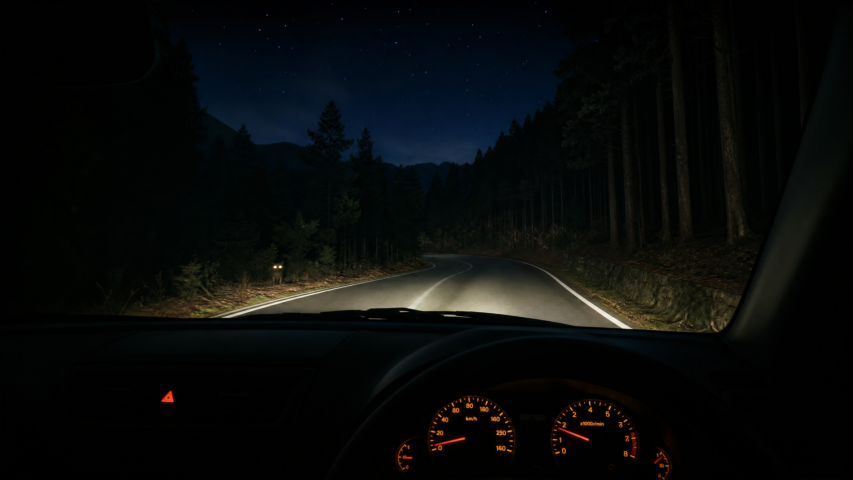
Nighttime view from the car, showing a winding road through a dense forest under a starry sky, with orange dashboard gauges lit in the foreground.

夜間レンタカー運転の注意点

日本でのレンタカー旅行は夜間になると、視認性の低下や野生動物の飛び出しなど昼間と異なるリスクが生じます。夜間運転の特性を理解し、安全な旅を実現しましょう。

ライトの正しい使い方

日本の道路交通法では、日没から日の出まで、および視界200メートル未満の状況でヘッドライトの点灯が義務付けられています。基本はロービームですが、街灯のない山道ではハイビームに切り替えると視認距離が伸び、歩行者・動物・落下物を早期に発見できます。対向車がいる場合はロービームへ戻してください。出発前にライト操作を確認し、ガラスの油膜も除去しておきましょう。

野生動物との衝突リスク

北海道警察の統計によると、2024年の道内エゾシカとの衝突事故は5,460件で2004年比4倍以上です。シカ・タヌキ・イノシシは夜行性で日没後に道路へ出ます。山間部夜間走行時は速度を押え、ハイビームで道路端を照らしましょう。JAFは急ハンドルを避け、減速・直進ブレーキ・ホーンを推奨します。衝突時は停車し110番に通報してください。

疲労運転の防止

夜間は体内時計が睡眠を促すため疲労が蓄積しやすく、特に深夜0時から午前4時は眠気が最も強い時間帯です。まばたきの増加や車線維持の困難などのサインが出たら、サービスエリアやコンビニ駐車場で休憩しましょう。15分の仮眠は効果的で2時間ごとの休憩を。

夜間運転の安全チェックリスト

  • 出発前にヘッドライト点灯とガラス清掃を確認する
  • 街灯のない道ではハイビームを活用し、対向車が来たらロービームへ切り替える
  • 山間部や野生動物が多い地域では速度を抑える
  • 2時間ごとに休憩を取り、眠気を感じる前に停車する
  • 緊急連絡先:警察110番、救急119番、JAF 0570-00-8139

ライトの正しい使い方、野生動物への注意、適切な休憩の3点を守ることで、夜間ドライブを安全で快適な体験にできます。

Nighttime view from the car, showing a winding road through a dense forest under a starry sky, with orange dashboard gauges lit in the foreground.

Why Night Driving in Japan Requires Extra Caution

Driving a rental car in Japan during the day is already a rewarding challenge, but venturing out after dark introduces a different set of risks. Reduced visibility, unfamiliar road markings, and the possibility of wildlife on the road all demand a higher level of attention. Whether you are heading to a late dinner, catching an early morning flight, or exploring a rural area after sunset, understanding the specific hazards of night driving will help you stay safe and enjoy the journey.

Headlight Rules and Best Practices

Japan's Road Traffic Act requires all vehicles to use headlights from sunset to sunrise and whenever visibility drops below 200 metres. The default setting is low beam, which illuminates the road ahead without blinding oncoming drivers. On dark rural roads or mountain passes without street lighting, switching to high beam significantly extends your field of vision and gives you more time to react to obstacles, pedestrians, or animals.

The key rule is to switch back to low beam as soon as you see an oncoming vehicle or are following another car closely. Leaving high beams on can temporarily blind other drivers and is considered both dangerous and discourteous. Many rental cars in Japan have automatic headlights, but do not rely on this feature entirely. In twilight conditions, the system may not activate quickly enough. Always confirm that your headlights are on before pulling onto a public road.

Before leaving the rental lot, take a few minutes to locate the headlight lever, practice switching between low beam and high beam, and check that the windscreen is clean inside and out. A greasy windscreen scatters oncoming headlight glare dramatically, reducing your effective vision even when your own lights are working correctly.

Wildlife on the Road: A Growing Hazard

One of the most underestimated dangers of night driving in Japan is wildlife. According to Hokkaido Prefectural Police, there were 5,460 vehicle collisions involving Yezo sika deer in Hokkaido alone in 2024, a figure that has risen more than fourfold since 2004. Deer, raccoon dogs, wild boars, and foxes are nocturnal animals most active between dusk and dawn.

If you are driving through Hokkaido, Tohoku, or any forested region at night, keep your speed moderate and scan the road edges with high beams where traffic allows. Animal eyes reflect headlight beams, giving you a brief warning, but the reaction window is short at highway speeds. The Japan Automobile Federation (JAF) advises against swerving sharply to avoid an animal, as this can cause you to lose control or cross into oncoming traffic. Instead, brake firmly in a straight line and sound your horn. If a collision occurs, pull over safely, activate hazard lights, and call the police on 110.

Managing Fatigue on Night Drives

Fatigue is a silent contributor to many night-time accidents. The human body is naturally inclined to sleep after dark, and driving in an unfamiliar environment amplifies mental effort. Warning signs include frequent blinking, difficulty maintaining lane position, and missing road signs.

The most effective countermeasure is to plan rest stops before you feel tired. On expressways, service areas and parking areas are open around the clock and provide a safe, well-lit place to stop. A 15-minute nap can restore alertness more effectively than caffeine alone. Avoid driving between midnight and 4 a.m. if possible, as this corresponds to the lowest point of the human circadian rhythm. If your itinerary requires it, take breaks at least every two hours.

Navigating Unfamiliar Roads After Dark

Set your navigation system before you start driving and use voice guidance to avoid looking at the screen while moving. If you need to change your route, pull into a convenience store car park first. Be especially careful at unmarked intersections and narrow local roads where pedestrians and cyclists without reflective gear may appear suddenly. In residential areas, reduce your speed and be prepared to stop at any moment.

Quick Safety Checklist for Night Driving

  • Confirm headlights are on and windscreen is clean before departure
  • Use high beams on unlit rural roads; switch to low beam for oncoming traffic
  • Reduce speed on mountain roads and in areas with known wildlife activity
  • Take a break at least every two hours; use expressway service areas
  • Set navigation before driving; do not operate it while moving
  • Keep emergency numbers handy: police 110, ambulance 119, JAF 0570-00-8139

Night driving in Japan can be genuinely enjoyable when approached with the right preparation. The roads are generally quiet after dark and traffic is lighter. By respecting the specific challenges of low-light driving and following the practical steps above, you can travel safely and arrive at your destination with confidence.

Nighttime view from the car, showing a winding road through a dense forest under a starry sky, with orange dashboard gauges lit in the foreground.

在日本租車自駕必知的停車規則指南

在日本租車自駕是探索各地的絕佳方式,但停車規則常讓初次造訪的旅客感到困惑。日本道路交通法規執行嚴格,短暫停在禁止區域也可能面臨高額罰款。出發前了解停車規定與收費停車場的使用方式,能讓旅程更加順暢。

「駐車」與「停車」的區別

駐車是指車輛持續停止且駕駛人離開無法立即移動的狀態;停車則指讓乘客上下車或5分鐘以內裝卸貨物等短暫停止。許多旅客誤以為「只是停一下」不算違規,但只要駕駛人離開車輛,法律上即視為駐車。

禁止停車的地點

根據道路交通法第44條,以下地點同時禁止停車與駐車:

  • 交叉路口內及其邊緣起5公尺以內
  • 行人穿越道及其邊緣起5公尺以內
  • 鐵路平交道及其邊緣起前後10公尺以內
  • 公車站牌起10公尺以內
  • 隧道內及坡頂附近

第45條另規定車庫出入口起3公尺以內、消防栓起5公尺以內、火災警報器起1公尺以內禁止駐車。在同一地點連續停放12小時以上(夜間8小時以上)亦構成違規。

收費停車場的使用方式

日本各地廣泛設有「コインパーキング」(投幣停車場)。最常見的地鎖式停車場,駛入後鎖板自動升起,繳費後確認鎖板完全降下再駛出。閘門式多見於購物中心,入場取票離場繳費,消費後可享折扣優惠。預付式或攝影機式多見於郊區,適合長時間停放。

費用與違規罰則

停車費用因地點而異,東京都心每10分鐘可能超過500日圓,郊區一般每小時200至300日圓。繳費機通常接受千圓紙鈔與硬幣,部分機器支援信用卡及IC卡。入口看板「空」代表有空位,「満」代表已停滿。

若駕駛人不在場遭查獲,普通轎車罰款為禁止停車區域15,000日圓、禁止停車及暫停區域18,000日圓,通常由租車公司代為處理後向租用人收取。建議出發前善用停車場搜尋應用程式,提前確認目的地附近的停車場。

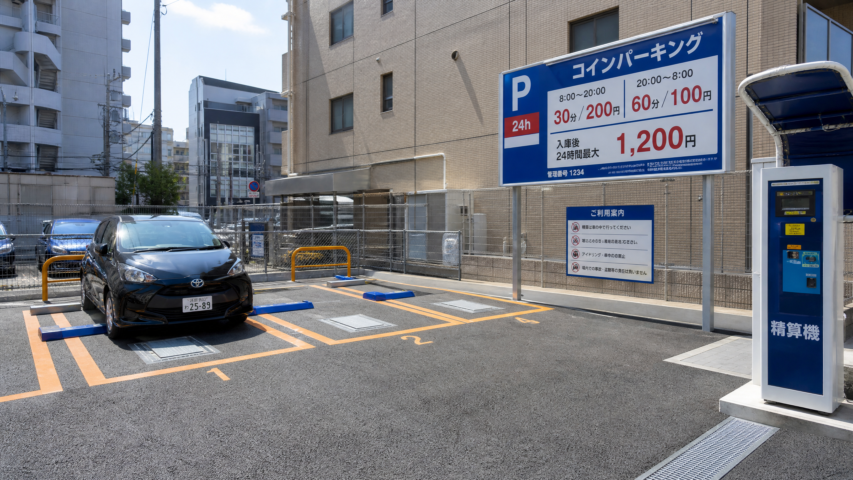
Black Toyota parked in a 24h coin parking lot with orange-lined spaces and a large blue-and-white rate sign nearby to the right gym-like kiosk

レンタカーで知っておきたい日本の駐車ルール

日本でレンタカーを利用する際、駐車ルールの理解は欠かせません。道路交通法は厳格に運用されており、わずかな違反でも高額な反則金が科されます。基本ルールとコインパーキングの使い方を事前に把握しておきましょう。

「駐車」と「停車」の違い

駐車とは運転者が車から離れてすぐに動かせない状態を指し、停車は人の乗り降りや5分以内の短時間停止です。運転者が離れた瞬間に駐車とみなされます。

駐停車禁止場所と駐車禁止場所

道路交通法第44条では以下の場所で駐停車が禁止されています。

  • 交差点内およびその端から5メートル以内
  • 横断歩道の端から5メートル以内
  • 踏切の端から前後10メートル以内
  • バス停から10メートル以内
  • トンネル内・坂の頂上付近

第45条では、車庫出入口から3メートル以内、消火栓から5メートル以内、火災報知機から1メートル以内が駐車禁止です。昼間12時間以上・夜間8時間以上の駐車も違反です。

コインパーキングの使い方

日本では「コインパーキング」が全国に普及しています。最も一般的なロック板式は、入庫するとロック板が上がります。精算機でスペース番号を入力して支払うとロック板が下がります。支払い後はすぐに出発してください。

ゲート式は入口でチケットを受け取り出口で精算します。商業施設では割引サービスあり。前払い式・カメラ式は郊外に多く長時間駐車向けです。

料金と罰則

駐車料金は東京都心で10分500円超、郊外は1時間200〜300円程度です。精算機は千円札と硬貨が基本で、ICカード対応機も増えています。入口の「空」は空車あり、「満」は満車です。

放置駐車違反の反則金は普通車で駐車禁止場所15,000円、駐停車禁止場所18,000円です。レンタカーの場合は会社を通じて請求されます。事前に駐車場検索アプリで目的地周辺を確認しておくことをおすすめします。

Black Toyota parked in a 24h coin parking lot with orange-lined spaces and a large blue-and-white rate sign nearby to the right gym-like kiosk

Understanding Parking Rules in Japan: A Guide for Rental Car Drivers

Parking in Japan can be one of the more challenging aspects of a self-drive trip, especially for first-time visitors. Japan's road traffic laws are strictly enforced, and even a brief stop in the wrong location can result in a substantial fine. Understanding where you can and cannot park — and how to use the various types of parking facilities — will help you travel with confidence.

Parking vs. Stopping: An Important Legal Distinction

Japanese traffic law draws a clear distinction between "parking" (駐車, chūsha) and "stopping" (停車, teisha). Parking refers to leaving a vehicle unattended or remaining stationary for an extended period, including any situation where the driver has left the vehicle and cannot move it immediately. Stopping covers brief halts such as picking up or dropping off passengers, or pausing for five minutes or less to load goods. This distinction matters because the prohibited zones and penalties differ for each category.

Where You Cannot Park or Stop

Under Article 44 of Japan's Road Traffic Act, both parking and stopping are prohibited in the following locations:

  • Intersections and within 5 metres of the edge of an intersection
  • Pedestrian crossings and within 5 metres of their edges
  • Railway level crossings and within 10 metres of their edges
  • Bus stops and tram stops, within 10 metres of the stop marker
  • Inside tunnels and near the top of steep hills

Article 45 additionally prohibits parking (though brief stopping may be permitted) near locations marked with a no-parking sign, within 3 metres of a garage entrance, within 5 metres of a fire hydrant, and within 1 metre of a fire alarm box. Parking on the same stretch of road for 12 hours or more during the day, or 8 hours or more overnight, also constitutes a violation.

Types of Coin Parking Lots

Japan has a well-developed network of paid parking facilities known as coin parking (コインパーキング). There are three main types you will encounter.

The most common in urban areas is the lock-plate type. After you drive into a numbered space, a metal plate rises beneath the vehicle to prevent it from leaving. To exit, go to the payment machine, enter your space number, press 精算 (seisan, meaning "settlement"), and pay the fee. Once payment is confirmed, the plate lowers. Always confirm the plate is fully down before moving, and depart promptly after paying.

The gate type is typically found at shopping centres and large facilities. You collect a ticket at the entrance gate and pay at the exit gate or a pre-payment machine inside. Many commercial facilities offer free or discounted parking when you make a purchase, so keep your ticket and ask at the service counter.

The prepaid or camera-based type is more common in suburban and tourist areas. In prepaid lots, you purchase a time ticket at the machine and place it on your dashboard. In camera-based lots, your licence plate is recorded on entry and you pay before leaving. These lots often offer lower rates and longer maximum stay periods.

Fees, Payment, and Practical Tips

Parking fees vary considerably by location. In central Tokyo, rates can exceed 500 yen per 10 minutes, while suburban lots may charge around 200 to 300 yen per hour. Most lots display both an hourly rate and a maximum daily fee (最大料金, saidai ryōkin). Be aware that the daily maximum often differs between daytime and overnight periods, so read the rate board carefully.

Payment machines generally accept 1,000-yen notes and coins. Many modern lots also accept credit cards and IC cards such as Suica or Pasmo. Five-thousand-yen and ten-thousand-yen notes are typically not accepted, so carry smaller bills. At the entrance, watch for the signs: 空 (kū) means vacant spaces are available, while 満 (man) means the lot is full.

Penalties for Violations

If your rental car is found illegally parked while you are absent, it is classified as an abandoned vehicle violation (放置駐車違反). Fines for a standard passenger car are 15,000 yen in a no-parking zone and 18,000 yen in a no-stopping zone. Rental companies typically pass these fines to the renter, often with an additional handling fee. Planning your route in advance and using a parking search app such as Times Parking or Park24 to locate a designated lot near your destination is the most reliable way to avoid these penalties.

Black Toyota parked in a 24h coin parking lot with orange-lined spaces and a large blue-and-white rate sign nearby to the right gym-like kiosk