日元

Blog

国際線の到着日は、走行距離を欲張らない計画が安心です。成田から千葉県の九十九里浜へ向かうドライブなら、車に慣れ、日本の道路の流れを確かめながら海辺を楽しめます。所要時間を決め打ちせず、天気、道路、駐車場の状況で調整しましょう。

海岸全体ではなく一か所を目的地にする

成田空港と九十九里浜は、ともに千葉県にあります。九十九里浜は約66kmに及ぶ長い砂浜として紹介されるため、最初は海岸の一地区か指定駐車場を一つ決め、余裕があれば次を考えます。千葉県公式の海辺を走る日帰りコースは銚子方面まで続く長い内容です。到着日に全てをなぞる必要はありません。

空港周辺を出る前に整えること

燃料計、カーナビ、返却場所、連絡先を確認し、目的地は地図のピンで保存します。満車や天候変化に備え、代替駐車場も用意しましょう。

  • 駐車場を設定する
  • 暑い日は飲み物と休憩時間を確保する
  • 海岸へ向かう前に天気と現地のお知らせを見る

最初の数キロは運転感覚を整える

日本では左側通行です。JAFは運転者が歩行者に譲ることも案内しています。横断歩道や右左折では急がず、標識、信号、路面表示と表示された制限に従ってください。踏切では早めに速度を落とし、信号を確認して安全な時だけ通過します。ナビの案内を逃しても、急な操作はせず安全に進み、再検索を待ちましょう。

指定駐車場と体調を優先する

海岸、飲食店、観光施設ごとの指定駐車場を使います。九十九里町には公共利用の海岸町営駐車場もありますが、条件や季節の運用は場所により異なります。路肩や砂地に停めてよいと自己判断しないでください。

帰りを楽にして初日を終える

暑い時期は天気、暑さ指数、熱中症警戒情報を確認し、水分と休憩を行程に入れます。強風や大雨、暑さの警報で条件が変われば予定を短くしましょう。無理なく出発できる時刻を決め、一か所を丁寧に楽しむことが、千葉でのレンタカー旅への良い第一歩になります。

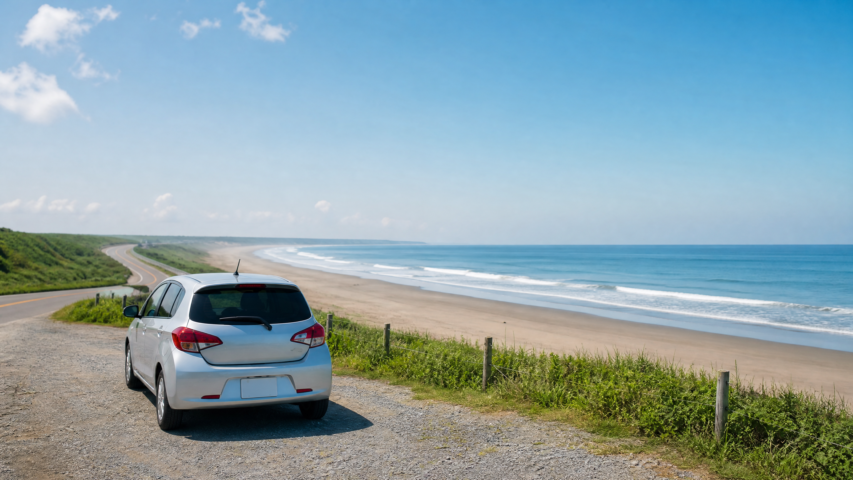
White hatchback parked on a gravel shoulder along a coastal road, with a sandy beach and blue ocean stretching to the horizon under a clear sky.

After an international flight, the best first day with a rental car is rarely the longest one. A simple drive from Narita toward Chiba’s Kujukuri Beach gives you room to get comfortable with the vehicle, practise Japan’s road rhythm, and enjoy the Pacific coast without trying to race across a whole region. Treat this as a flexible first-day plan rather than a fixed timetable: your exact route, road conditions, weather and parking options should be checked on the day you travel.

Choose one part of the coast, not the whole coast

Narita Airport and Kujukuri Beach are both in Chiba Prefecture. The Japan National Tourism Organization describes Kujukuri as a 66-kilometre stretch of sandy coastline, so it is better approached as a long coastal area than as one tiny stop. Pick one beach area or one designated parking point as your main destination, then decide whether you have the energy for a second stop after you arrive. This keeps a first drive manageable after check-in, luggage collection and vehicle handover.

Chiba’s official tourism site also presents a much longer coastal driving course that continues toward Choshi. That is useful inspiration, but it is not a reason to copy every stop on arrival day. A relaxed plan has a clear finish: park, take a walk, have a meal or drink, and return before you become tired.

Set up before leaving the airport area

Use the handover time to make the car familiar rather than rushing straight onto the road. Ask where the fuel level is shown, confirm the navigation language if an option is available, and save your destination by its official name or map pin. A screenshot of the return location and the rental company’s contact details can also prevent stress later. Put luggage securely away before moving off, and choose a first destination that does not require constant last-minute lane changes.

  • Set one primary parking destination before you start driving.
  • Keep a backup stop in case a car park is full or the weather changes.
  • Bring water, especially on warm days, and allow time to rest after parking.
  • Check the forecast and local notices before heading to the shore.

Use the first kilometres to reset your driving habits

Japan drives on the left. The Japan Automobile Federation also reminds drivers to yield to pedestrians, so approach crossings and turns with patience rather than assuming that a clear-looking road will stay clear. Keep your eyes on signs, signals and road markings, and follow the posted limit rather than relying on a speed from another country. At a railway crossing, slow down early, observe the signals and complete the crossing only when it is safe.

Do not let a navigation prompt make you force a turn. If you miss one, continue safely and let the route recalculate. This is particularly helpful around unfamiliar junctions, narrow local streets and busy beach approaches. A calm detour is always better than a sudden manoeuvre.

Park for the place you are visiting

Use a designated public or private car park for the specific beach, café or attraction you choose. Kujukuri Town, for example, operates a municipal coastal car park for public use, but availability, rules and seasonal arrangements can differ by location. Read the signs at the actual car park, note any payment method, and never assume that a roadside space or sandy access is suitable for a rental vehicle. Before walking away, lock the car and take valuables with you.

Let summer conditions set the pace

On hot days, a coast can feel cooler than it really is. Before leaving, look at the day’s weather and heat-risk information, and make water and rest part of the itinerary. The Ministry of the Environment publishes heat-illness and WBGT guidance for Japan. If heavy rain, strong wind or a heat alert changes the day, shorten the plan instead of trying to “make up” missed sightseeing. The coast will still be there on another day.

Finish with an easy return

Build a simple return into the plan: decide your latest comfortable departure time, check fuel and parking receipts if your rental agreement requires them, and avoid starting a long drive when everyone is already tired. A Narita-to-Kujukuri outing works best when the goal is confidence, not mileage. With one well-chosen stop, careful parking and patient driving, your first day can become a gentle introduction to self-driving in Chiba.

White hatchback parked on a gravel shoulder along a coastal road, with a sandy beach and blue ocean stretching to the horizon under a clear sky.

出發前先判斷能不能開

遇到颱風或豪雨預報時,最重要的不是照原訂計畫出發,而是重新判斷此刻能否安全移動。日本氣象廳說明,豪雨或強風可能造成災害時會發布注意報;可能發生重大災害時會發布警報;緊急警報則表示可能發生極具破壞性的災害。這些級別不是可以開車的刻度。若所在地有避難資訊或官方指示,應優先依照地方政府與住宿設施的安排。

取車地點晴朗,不代表山區、海岸或目的地的狀況相同。有疑慮時,延後、留在住宿處或改用安全安排,都是合理選擇。

天氣風險與道路狀態分開看

先透過日本氣象廳的颱風資訊、警報與危險度分布,確認雨勢、風勢及土石流或淹水風險;但天氣預報不能證明某條道路可通行。國土交通省的防災入口連結 JARTIC、可通行道路地圖與道路氣象、交通管制資訊;高速公路可在Drive Traffic查看即時封閉與限制。導航仍顯示路線,不表示道路一定開放。

  • 出發前:確認路線經過各地的最新警報與道路資訊。
  • 途中:長時間休息後、警報更新後及進入高速公路前再次查看。
  • 預留彈性:保留燃油與時間,因應繞道、折返或臨時過夜。

何時應停止或改變行程

不要駛入積水路段、繞過封路設施,或進入受限制的道路;前車通過也不能證明安全。風雨變強、能見度下降或車輛難以穩定控制時,應提早減速、加大車距、避免急煞與急轉方向。若無法安全繼續行駛,請在合法且不妨礙交通的安全地點重新評估;除非緊急狀況,切勿在高速公路上停車。

把彈性寫進行程

若高速公路出口已錯過,不可迴轉或倒車,應行駛至下一個安全出口後再查詢資訊。地方政府、警方、道路管理者與住宿設施的指示都應優先遵守。颱風期間,平安停留在安全地點,遠比勉強抵達原定景點更重要。

出發前先和同行者約定:只要出現官方警報、封路、視線惡化、避難資訊或駕駛疲勞,就更改計畫。JNTO Safety Tips為旅客提供最新氣象資訊入口。租車能增加選擇,卻不會消除天候風險;願意延後或取消自駕,才能在適合上路時安心享受日本旅程。

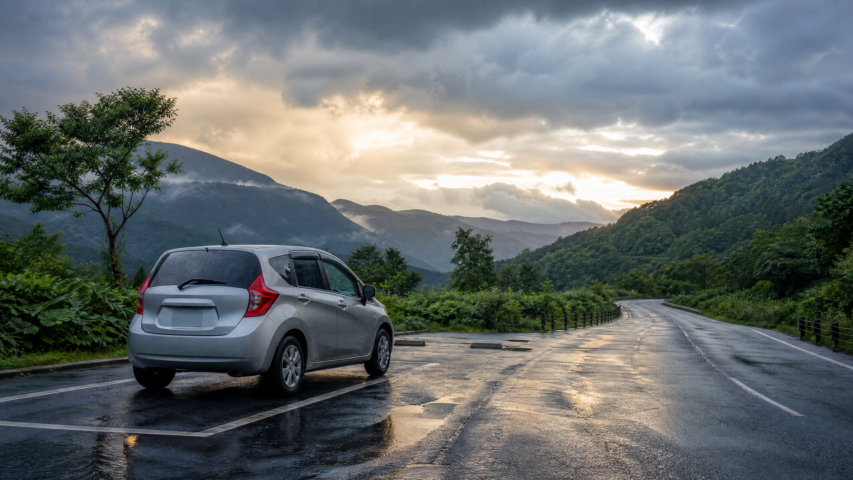
Silver hatchback parked on a wet mountain road with reflections on the asphalt and green hills under a cloudy sky at sunset/rainlight.

出発前に運転の可否を決める

台風や大雨の予報がある日は、予約どおりに出発するより、安全に移動できるかを判断します。気象庁は、大雨や強風で被害のおそれがあるときに注意報、重大な災害のおそれがあるときに警報を発表します。緊急警報や自治体の避難情報が出ている地域では、観光より安全を優先し、案内に従ってください。

天気と道路は別々に確認する

気象庁の台風情報、警報・注意報、危険度分布で雨、風、土砂災害や浸水のリスクを確認します。ただし、天気予報だけで道路が通れるとは判断できません。国土交通省の防災ポータルはJARTICや通行可能な道路の地図へ案内し、高速道路はDrive Trafficで通行止めや規制を確認できます。

  • 出発直前:経路上の地域ごとに最新の警報と道路情報を確認します。
  • 途中でも:長い休憩後、警報更新後、高速道路に入る前に再確認します。
  • 連絡先:宿泊先の住所とレンタカー会社の連絡先を控えます。

中止・変更を選ぶ目安

冠水した道、通行止め区間、規制された道路には進入せず、先行車が通れたことを安全の根拠にしないでください。風雨や視界の悪化を感じたら、早めに減速し、車間距離を十分に取り、急な操作を避けます。安全に続けられないときは、通行の妨げにならない安全で許可された場所で予定を見直します。緊急時以外に高速道路上で停止してはいけません。

柔軟な予定が安全につながる

自治体、警察、道路管理者、宿泊施設の案内に従ってください。出発前に、警報、通行止め、視界悪化、避難情報、運転者の疲れのどれが出たら予定を変えるかを共有しましょう。

JNTO Safety Tipsは旅行者向けに最新の気象情報への入口を案内しています。レンタカーは選択肢を増やしますが、天候の危険をなくすものではありません。公式情報を確認し、必要なら延期・中止を選ぶことが、安全な旅につながります。

Silver hatchback parked on a wet mountain road with reflections on the asphalt and green hills under a cloudy sky at sunset/rainlight.

Decide whether to drive before you decide where to go

A typhoon or a heavy-rain forecast can change a rental-car day quickly. The safest plan is not to treat your booking, hotel reservation, or navigation estimate as a reason to leave. Instead, make a fresh decision before departure and again whenever conditions change. Start with the Japan Meteorological Agency (JMA) weather warnings. JMA explains that an advisory is issued when heavy rain or strong wind may cause damage, while a warning signals that a serious disaster may occur. An emergency warning indicates the strong possibility of a devastating event. These labels are not a driving-permission scale: local evacuation instructions and safety information take priority over sightseeing plans.

For a visitor, the practical question is simple: can this journey still be made without putting people, the car, or emergency responders at unnecessary risk? If the answer is uncertain, postpone, stay where you are, or choose another safe arrangement. Do not wait for a favorite attraction to close before reassessing. Conditions can differ sharply between the city where you collected the car, a mountain road, and a coastal destination.

Check weather risk and road status separately

Weather information tells you about a hazard; it does not confirm that a particular road is passable. Use JMA’s typhoon information, warnings, and risk maps to understand the expected rain, wind, and local risk. Then check the route itself. The Ministry of Land, Infrastructure, Transport and Tourism (MLIT) disaster portal links to the Japan Road Traffic Information Center, passable-road maps, and road-weather or traffic-control information. For expressways, Drive Traffic displays real-time closures and restrictions. A clear-looking navigation route is not evidence that a road remains open.

Make the two checks just before leaving, not only the night before. Repeat them after a long stop, after a warning update, or before you enter an expressway. Save your accommodation address and the rental company’s contact details offline. If mobile service becomes unreliable, you should still know where you are trying to return to or stay safely.

  • Weather: Check the latest JMA warning or advisory for every area on your route, not only the destination.
  • Roads: Confirm closures, traffic controls, and passable-road information through official traffic sources.
  • Local guidance: Follow instructions from municipalities, police, accommodation staff, and road operators.
  • Rental plan: Keep enough time and fuel for a detour, a return journey, or an unplanned overnight stay.

Know when the sensible choice is not to continue

Do not drive into a road covered by water, around a closure, or onto a route that officials say is restricted. Do not assume that a vehicle ahead has proved the road safe. In strong wind, rain, poor visibility, or rapidly changing conditions, reduce speed early, leave a much larger following distance, keep both hands on the wheel, and avoid abrupt braking or steering. If driving no longer feels controlled, move to a safe, permitted place to stop and reassess; do not stop on an expressway except in an emergency.

Never make a U-turn or reverse on an expressway. If you miss an exit because a diversion is confusing, continue to the next safe exit and seek updated information. Your first task is to remain predictable to other drivers. Your second task is to find a lawful, safe place to change the plan. Weather can disrupt flights, trains, ferries, and roads at the same time, so a slower decision is often better than a hurried attempt to keep the original itinerary.

Build a flexible day, not a rigid itinerary

Before setting out, tell everyone in the car what will trigger a change of plan: an official warning, a road closure, worsening visibility, an evacuation instruction, or driver fatigue. Give each planned leg a safe fallback such as returning to your accommodation, remaining at a service area only when it is safe and permitted, or contacting the rental company for assistance. Japan National Tourism Organization’s Safety Tips page links travelers to the latest JMA warnings and practical disaster information.

A rental car is useful because it gives you options; it does not remove weather risk. Check official information, separate forecast from road status, and be ready to delay or cancel a drive. That approach protects your trip and gives you the best chance of enjoying the road when conditions are genuinely safe again.

Silver hatchback parked on a wet mountain road with reflections on the asphalt and green hills under a cloudy sky at sunset/rainlight.

租車前先確認兒童安全座椅

帶孩子在日本租車自駕時,兒童安全座椅應和駕照、護照及路線一起規劃。預約時提供孩子的年齡、身高與大約體重,詢問可提供的座椅類型和安裝方式。若孩子有特殊乘坐需求,請提早告知,避免在營業所停車場匆忙決定。

這不是方便的加購項目。日本道路交通法原則上禁止駕駛人載運未使用兒童安全座椅的未滿六歲幼兒。JAF 也提醒,所有乘員必須繫安全帶,未滿六歲幼兒須確實使用兒童安全座椅。可參考JAF 英文交通規則

六歲以上也要看安全帶貼合

滿六歲不代表成人安全帶已合身。JAF 建議身高未滿150公分的孩子,依體格持續使用兒童或學童安全座椅。肩帶應跨過肩部、不碰頸部;腰帶應貼在骨盆、不壓在腹部。若無法正確貼合,不要自行改變安全帶路徑,應使用適合孩子的保護裝置。

嬰兒、幼兒與學童座椅適用階段不同。請依孩子體格、座椅標示和說明書選擇,不要只憑名稱判斷。車輛即使設有 ISOFIX 固定點,也不代表提供的每張座椅都使用它;請以實際車輛與座椅的說明為準。

出發前檢查

離開營業所前,先讓孩子坐好並檢查固定與姿勢。日本警察廳與 JAF 的2025年調查顯示,正確安裝及正確乘坐的比例仍有改善空間。因此不要只看外觀,應核對固定方式和安全帶路徑;可同時閱讀警察廳指引

  • 類型:確認座椅標示符合孩子體格,也可用於選定座位。
  • 固定:車用安全帶須通過指定路徑且沒有扭轉;ISOFIX 應依說明扣妥。
  • 穩定:依說明書測試鬆動;有疑問時,在出發前請工作人員協助。
  • 坐姿:肩帶或安全帶須平貼身體,不要將厚重衣物或物品墊在下方。
  • 全車:包括後座成人在內,起步前每位乘員都要繫好安全帶。

途中也要重複確認

長時間休息後、移動座椅後,或由其他成人協助上下車後,都應再次檢查。不要為了看似舒適而改變安全帶路徑,也不要讓行李壓住座椅或肩帶。把說明書、租車文件與孩子用品放在一起,並確認歸還方式。預約時先規劃、取車時依體格選擇、出發前檢查,才能安心享受日本自駕旅程。

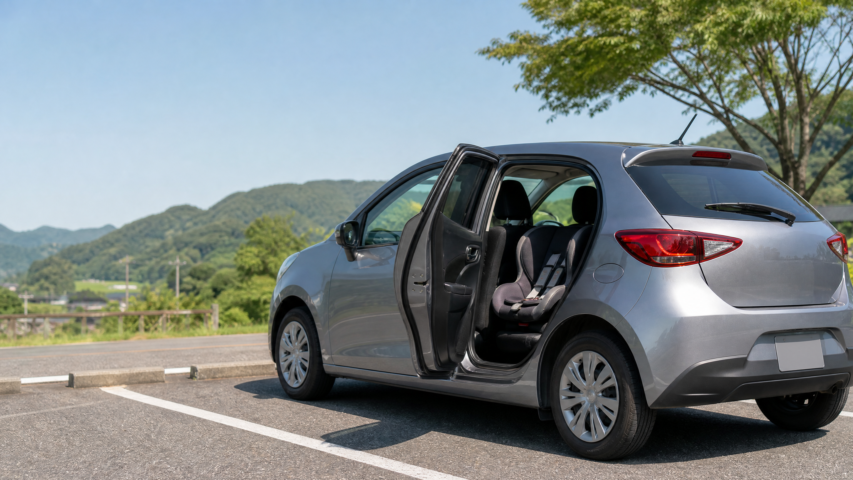
Silver SUV with the front and rear doors open in a parking lot, hills and trees in the background in a sunny scene.

予約時に確認すること

子ども連れで日本をレンタカー移動するなら、チャイルドシートを免許証や旅程と同時に手配しましょう。予約時に年齢、身長、体重の目安を伝え、使えるシートの種類と取付方法を確認します。

道路交通法では、原則として6歳未満の幼児をチャイルドシートなしで乗せて運転できません。JAFも全乗員のベルト着用と、6歳未満の幼児を確実に座らせることを案内しています。JAFの交通ルールで確認しましょう。

年齢だけで判断しない

6歳以上でも大人用ベルトが合うとは限りません。JAFは身長150cm未満の子どもに、体格に応じたシートを勧めています。肩ベルトは首ではなく肩に、腰ベルトは腹部ではなく腰骨に掛けます。合わない場合は自己流で変えず、適切な拘束装置を使いましょう。

シートは名称だけでなく、子どもの体格、表示、説明書で選びます。ISOFIX対応は実際に使う車とシートの説明で確認してください。

出発前チェック

出発前に子どもを座らせ、固定と姿勢を確認します。警察庁とJAFの2025年調査では、適切な取付け・着座が十分とはいえません。見た目だけで済ませず、警察庁の案内も参照しましょう。

  • 種類:体格と座席位置に合う表示か確認します。
  • 固定:ベルトは指定経路を通し、ねじれを確認します。ISOFIXは説明書どおり接続します。
  • 安定:説明書の方法で緩みを確認し、不明点はスタッフへ相談します。
  • 姿勢:ハーネスを体に沿わせ、厚手の衣類や物を下に挟みません。
  • 全員:後席を含め、車が動く前に全員がベルトを締めます。

途中でも繰り返す

長い休憩後、座席を動かした後、別の大人が乗せ降ろしをした後は再確認します。快適に見せるためにベルト経路を変えたり、荷物でシートやハーネスを押したりしてはいけません。説明書とレンタル書類をまとめ、返却方法も確認しましょう。体格に合った選択と最後の点検を整えて、家族のドライブを楽しみましょう。

Silver SUV with the front and rear doors open in a parking lot, hills and trees in the background in a sunny scene.

Make the child-seat plan before you collect the car

A family road trip in Japan can be wonderfully flexible, but the safety plan needs to be settled before the key is handed over. If you are travelling with a child, add the child seat to the same checklist as your licence, passport and route. Tell the rental company the child’s age, height and approximate weight when you book, then ask what type of restraint is available and whether you are expected to fit it yourself. Bring any special positioning needs to the counter early rather than trying to solve them beside a busy car park.

This is a safety check, not simply an optional extra. Japan’s Road Traffic Act requires a driver not to carry a child under six unless the child is using an appropriate child restraint, subject to limited legal exceptions. The Japan Automobile Federation (JAF) also reminds drivers that every vehicle occupant must use a seat belt, while children younger than six must be secured in a child seat. Read JAF’s English traffic-rule guidance.

Separate the legal minimum from a good fit

Age is only the first checkpoint. A child who has reached six may still be too small for an adult seat belt to sit correctly. JAF recommends continuing to use a child or junior seat as needed until the child is about 150 cm tall, while stressing that the belt’s position matters more than a birthday. The shoulder belt should lie across the shoulder rather than the neck, and the lap portion should rest over the hips rather than the soft abdomen. If that fit is not possible, use a suitable restraint instead of improvising with the adult belt alone.

Choose the seat according to the child and the equipment label, not according to a familiar name from home. A baby seat, child seat and junior/booster seat serve different stages. Ask the staff to show you the seat’s instruction label and the vehicle points it is designed to use. If the vehicle has ISOFIX anchors, do not assume every supplied seat uses them; follow the seat and vehicle instructions that apply to the actual combination in front of you.

Use a five-minute handover check

Before leaving the rental location, park somewhere calm and check the seat with the child seated in it. Japan’s National Police Agency reports that, in its 2025 survey with JAF, correct installation and correct seating were not universal. That is a useful reminder to check the details instead of relying on a quick glance. See the National Police Agency’s child-seat guidance.

  • Confirm the restraint type. Check that its label and instructions suit the child’s current size and that the model is approved for the vehicle position you are using.
  • Read the belt route. If the seat is secured with the vehicle belt, make sure the belt follows the marked path and is not twisted. If it uses ISOFIX, confirm each connector is properly engaged as instructed.
  • Check the seat’s stability. Apply firm pressure near the belt path and follow the manual’s test; if anything feels loose or unclear, ask for help before departure.
  • Position the child. Fasten the harness or belt flat against the body, with no bulky clothing or loose objects under it. Use only the adjustments permitted by the seat instructions.
  • Check the adult belt too. Every adult passenger should buckle up before the car moves, including those seated in the rear.

Keep the routine on the road

Repeat a brief check after a long break, after moving the seat, or whenever another adult has helped the child in or out. Do not alter the belt path to make a child seem more comfortable, and do not place luggage where it can press against the seat or harness. Build extra time into short stops so that no one is tempted to rush the fastening process.

Finally, make the plan portable. Keep the seat manual, the rental paperwork and the child’s essentials together, and ask the rental company how the seat should be returned. A calm handover, an age-aware choice and a careful final check let your family focus on the drive rather than an avoidable safety question.

Official references

For the legal requirement and current safety information, consult the National Police Agency and JAF’s child-seat guide. These sources should take priority over general travel advice when selecting and fitting a restraint.

Silver SUV with the front and rear doors open in a parking lot, hills and trees in the background in a sunny scene.

把道之驛放進自駕行程

在日本租車旅行時,與其等到疲倦、肚子餓或迷路才臨時找地方停車,不如出發前先安排幾個休息候選點。道之驛是設於一般道路旁的休息設施,不只是加油站,也不同於高速公路服務區。日本國土交通省將它定位為道路使用者的休息場所、資訊提供場所與地方交流場所;對租車旅客而言,很適合作為景點、城鎮與住宿地之間的行程錨點。

道之驛遍布日本各地,從沖繩到北海道都有。免費停車與洗手間可全天使用;不過商店、餐廳、農產品直賣所與旅遊櫃檯的服務和時間會因站點而不同。若打算用餐、購物或使用特定服務,請先查詢該站官方資訊。

依駕駛狀態安排休息

規劃路線時,除了主要景點,也挑選一到兩座順路的道之驛作為彈性休息點。這在鄉間道路特別實用,因為下一個城鎮可能比地圖看起來更遠;遇到塞車、繞路或景點停留較久時,也能從容調整。如果駕駛人感到想睡、注意力下降或為趕時間而焦躁,應在安全可停車的地方好好休息,不要勉強繼續開。

抵達後的實用做法

  • 安全停車:停在劃設車格內,留意行人、倒車車輛與配送車。
  • 確認導航:車輛停妥後再輸入下一站,並確認會走一般道路或高速公路。
  • 重新看時間:比較預計抵達時間、日落時間、飯店入住時間與既有預約。
  • 尊重規則:依現場標示使用公共空間;停車場開放不表示每間店都在營業。

把地方特色變成安全收穫

不少道之驛會介紹當季農產、地方食品、工藝品或附近景點。若發現想去的地方,先判斷是否仍符合當天剩餘的駕駛時間,再決定是否加入行程。不要把車停在路肩查手機;應利用停車空間,在安全狀態下更新導航與抵達時間。

留有餘裕,才能享受道路風景

好的自駕行程不是不停趕路,而是在需要時能安心停下來。出發前先找好道之驛,便能把休息、路況與地方資訊自然放進旅程。可先參考日本國土交通省與日本政府觀光局的介紹,再逐站確認最新資訊;保留彈性,才能更放鬆地抵達下一站。

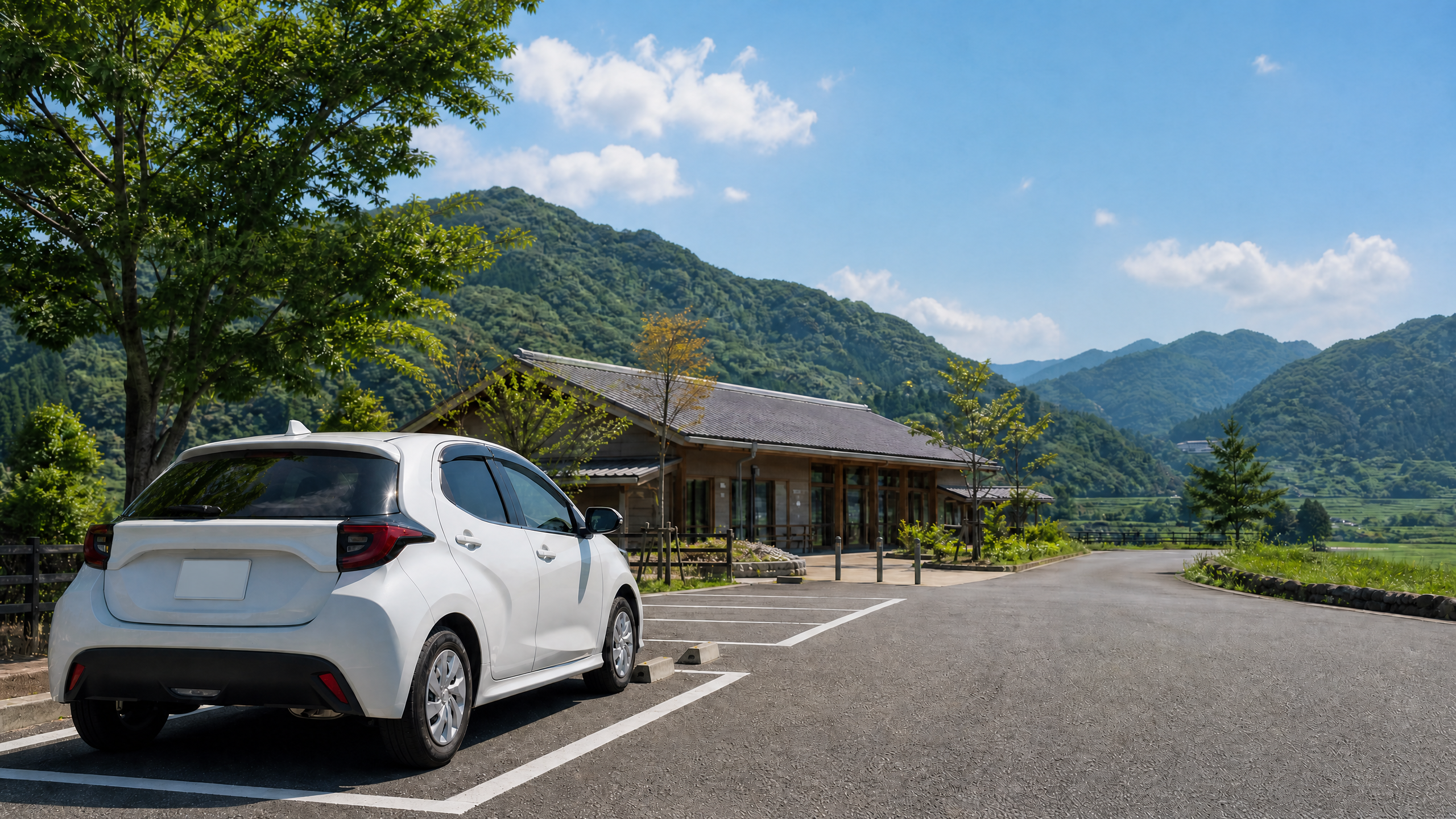
White SUV parked in a parking lot beside a wooden building, with forested hills and a blue sky in the background.

道の駅を休憩計画に入れる

日本でレンタカーを使う日は、疲れてから休憩場所を探すより、出発前に候補を決めておくと安心です。道の駅は一般道路沿いの休憩施設で、給油所や高速道路のサービスエリアとは異なります。国土交通省は、道路利用者の休憩、情報提供、地域との交流という三つの役割を示しています。観光地と宿の間を移動する際の、便利な行程の目印になります。

道の駅は全国各地にあります。無料駐車場とトイレは24時間利用できます。一方、売店やレストランの内容と営業時間は駅ごとに違うため、公式情報で確認しましょう。

運転の余力を基準に休む

地図では目的地だけでなく、途中の道の駅を一つか二つ、余裕のある休憩候補として入れてください。地方道や渋滞で予定が遅れた時も、立ち寄れる場所を知っていれば落ち着いて判断できます。眠気、注意力の低下、焦りを感じたら、無理に走らず安全に停車して休みます。

立ち寄った時の基本

  • 駐車:区画内に停め、歩行者、後退する車、配送車に注意します。
  • ナビ:次の目的地は停車してから入力し、一般道か高速道路かを確認します。
  • 時間:到着予定、日没、ホテルのチェックイン、予約時刻を見直します。
  • 施設:表示を守り、駐車場が開いていても全ての店舗が営業中とは考えません。

地域の情報を安全に楽しむ

道の駅では、旬の農産物、地域の食品、近隣の見どころの情報に出会えることがあります。気になる場所を見つけたら、その日の残り時間と運転者の余力を確認してから予定を変えましょう。路肩でスマートフォンを操作せず、必ず駐車してナビと到着予定を更新します。

余白のある旅へ

良いドライブ旅は、必要な時に落ち着いて休めることです。出発前に道の駅を把握しておけば、休憩、情報収集、地域との出会いを安全に組み合わせられます。国土交通省と日本政府観光局の案内を出発点に、立ち寄る駅の最新情報を確認してから出かけましょう。

White SUV parked in a parking lot beside a wooden building, with forested hills and a blue sky in the background.