日元

Blog

富士五湖租車自駕:一日遊行程規劃

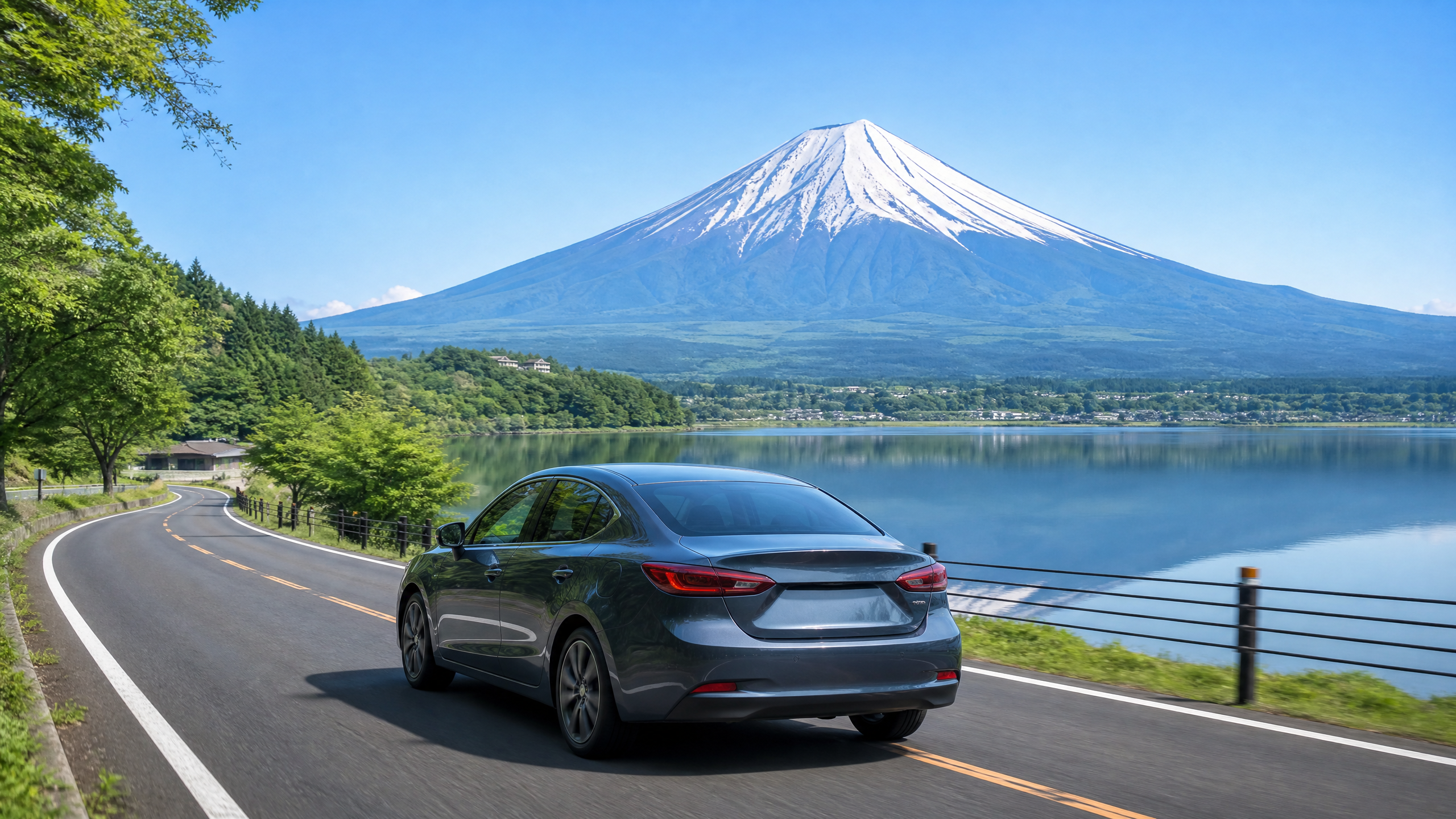
在富士山北麓的富士五湖(河口湖、山中湖、西湖、精進湖、本栖湖)租車自駕,是按照自己的步調體驗雄偉景觀的最佳方式。這五座湖泊各自擁有獨特景點,租車讓您能自由探索,不受限於巴士時刻表,讓旅程更加輕鬆愜意。與家人同行或攜帶裝備時,這樣的彈性尤為重要。

提早出發捕捉最美風景

若希望能清晰看見富士山,建議您盡早開始行程。根據日本國家旅遊局的資訊,最佳觀賞時間通常在早晨。隨著時間推移,雲層往往會聚集並遮蔽山峰。提早取車並直接前往河口湖北岸或精進湖,能讓您在人潮湧現前,將拍出完美照片的機會最大化。

穿梭於五湖之間的路線

河口湖是交通最便利的區域,適合作為起點。您可以搭乘纜車俯瞰美景。接著開車前往西湖,體驗更寧靜的氛圍。西湖是探索青木原樹海的絕佳基地。繼續向西行駛,會抵達精進湖,從北岸可欣賞絕景。最西邊的本栖湖,則以作為千元紙鈔背面圖案取景地聞名。有了租車的便利,您可以根據當日天氣調整路線。

掌握交通與路況資訊

雖然在該地區開車相對容易,但掌握路況仍非常重要。在週末及楓葉季等旺季,熱門景點周邊經常出現車潮。出發前,請查看NEXCO中日本或「Drive Traffic」等官方來源,獲取高速公路壅塞及道路封閉的即時資訊。請務必遵守交通規則,請記住,日本是左側通行,且嚴格執行速限規定。

讓旅程更順暢的停車建議

富士五湖周邊的停車通常相當方便,許多景點設有專屬停車場。有些地方提供免費停車,而靠近主要觀光樞紐或在旺季時則可能收費。請尋找官方停車標誌,並遵從引導員指示。切勿將車輛停放在狹窄道路邊緣或未經授權的區域,這會造成交通阻塞並面臨罰款。

富士五湖レンタカードライブ:1日モデルコース

富士五湖(河口湖、山中湖、西湖、精進湖、本栖湖)をレンタカーで巡るドライブは、雄大な景色を自分のペースで満喫できる最高の方法です。各湖には独自の魅力があり、バスの時刻表に縛られず自由に探索できるため、リラックスした快適な旅になります。家族連れや荷物が多い場合、この自由度は非常に役立ちます。

絶景を求めて早朝に出発

富士山の美しい姿を見るなら、早朝の出発をお勧めします。日本政府観光局の案内通り、眺望は午前中が最も良好です。時間が経つと雲が発生しやすいため、レンタカーを早めに借りて河口湖北岸や精進湖へ直行すれば、混雑前に完璧な写真を撮るチャンスが広がります。

湖を巡る柔軟なルート

出発点は、アクセスが良い河口湖が最適です。ロープウェイで景色を楽しんだ後、西湖へ向かうと静かな環境が広がります。西湖は青木ヶ原樹海の探検拠点にぴったりです。西へ進むと精進湖に到着し、北岸からは絶景が望めます。最西端の本栖湖は千円札の逆さ富士のモデルとして有名です。車なら天候に合わせてルートを調整できます。

交通状況と道路情報の確認

運転は比較的スムーズですが、事前に道路状況を把握することが重要です。週末や紅葉シーズンには人気スポット周辺で渋滞が発生します。出発前にNEXCO中日本や「Drive Traffic」で、渋滞や通行止めのリアルタイム情報を確認してください。現地の交通ルールを守り、日本では左側通行であることを忘れないでください。

スムーズな旅行のための駐車アドバイス

駐車は通常便利で、多くの施設に専用駐車場があります。無料の場所もあれば、主要観光地や繁忙期には有料となる場所もあります。公式の駐車標識を探し、誘導員の指示に従ってください。路肩や許可されていない場所への駐車は、渋滞や罰金の原因となるため絶対に避けてください。

Fuji Five Lakes Rental Car Road Trip: A Flexible One-Day Itinerary

Driving around the Fuji Five Lakes (Fujigoko) area offers an incredible way to experience the majestic views of Mount Fuji and the surrounding nature at your own pace. Located at the northern base of Mount Fuji, the five lakes—Lake Kawaguchi, Lake Yamanaka, Lake Saiko, Lake Shoji, and Lake Motosu—each provide a unique perspective and different attractions. When you rent a car, you gain the freedom to explore these stunning locations without being tied to a strict bus schedule, making your trip much more relaxing and enjoyable. This flexibility is especially valuable when traveling with family or carrying outdoor gear for activities around the lakes.

Start Early for the Best Views

If you want to see Mount Fuji clearly, starting your day early is highly recommended. According to the Japan National Tourism Organization, the best views of the mountain are typically available in the morning. As the day progresses, haze and clouds often roll in, potentially obstructing your view of the iconic peak. By picking up your rental car early and heading straight to the lakes, especially the northern shores of Lake Kawaguchi or Lake Shoji, you maximize your chances of capturing that picture-perfect moment before the crowds arrive and the weather shifts.

A Flexible Route Through the Lakes

A great starting point is Lake Kawaguchi, the most accessible and developed of the five lakes. Here, you can take the Mount Fuji Panoramic Ropeway for elevated views or visit the Kawaguchiko Music Forest. From there, driving to Lake Saiko offers a quieter experience. Lake Saiko is an excellent base for exploring the Aokigahara Forest and its accessible caves, such as the Narusawa Ice Cave and the Fugaku Wind Cave.

Continuing westward, Lake Shoji is the smallest lake but offers some of the most breathtaking, unobstructed views of Mount Fuji from its northern bank. Finally, Lake Motosu, the westernmost lake, is famous for being the viewpoint featured on the 1,000-yen bill. If you prefer a more traditional cultural experience, you can drive east to Lake Yamanaka and visit the nearby Oshino Hakkai, a set of eight clear ponds surrounded by traditional thatched-roof houses. With a rental car, you can easily adjust this route based on your interests and the day's weather.

Navigating Traffic and Road Conditions

While driving in the Fuji Five Lakes region is generally straightforward, it is essential to stay informed about road conditions. Traffic can build up around popular tourist spots, particularly during weekends, holidays, and peak seasons like the autumn foliage or spring cherry blossom periods. Before you set out, check official sources such as the NEXCO Central traffic information site or Drive Traffic (drivetraffic.jp) for real-time updates on expressway congestion, road closures, and weather-related restrictions.

Always adhere to local traffic rules and drive cautiously, especially on winding mountain roads. Remember that in Japan, vehicles drive on the left side of the road, and speed limits are strictly enforced. Pay special attention to pedestrians and cyclists who often share the scenic lakeside routes.

Parking Tips for a Smooth Trip

Parking around the Fuji Five Lakes is usually convenient, with many attractions offering designated parking areas. However, rules and fees vary by location. Some spots provide free parking, while others, particularly those near major tourist hubs or during busy seasons, may charge a fee. Always look for official parking signs and follow the instructions of parking attendants if they are present. Avoid parking on the side of narrow roads or in unauthorized areas, as this can cause traffic jams and lead to fines.

Renting a car for a day trip around the Fuji Five Lakes allows you to craft a personalized itinerary, ensuring you see the sights that interest you most while enjoying the comfort and convenience of your own vehicle. By planning ahead and driving safely, you can create unforgettable memories in one of Japan's most scenic regions.

狹窄道路不必趕路

在日本租車自駕時,導航有時會把車輛從主要道路帶進住宅區、老街周邊或鄉間支路。這些路段不是用來追回時間的捷徑。請假設行人、自行車、送貨車或對向車可能在看見之前就出現,並把車速降到自己看得見、也能確實停下的範圍。重點不是證明車子能不能擠過去,而是替所有用路人留下足夠空間。日本採左側通行,從寬路轉進沒有中央線的小路時,更要確認車輛位置。不要只依賴導航判斷能否進入;現場標誌、禁止進入標示、施工圍設與眼前路況,永遠優先於螢幕建議。

進入前先做好準備

在合法且安全的停車位置確認目的地與下一個轉彎,再收好手機後出發。行駛中不應為了看導航而分心;需要時可請乘客協助。前往老街或住宅區前,先確認指定停車場或住宿的停車安排。狹窄巷道絕不是停車位的替代方案。

  • 先看整段路線,知道狹窄區段的起點與終點。
  • 調整後視鏡,確認乘客都繫好安全帶。
  • 預留時間,從容等待行人、自行車與當地車輛。

盲角與對向會車要更慢

圍牆、樹籬、停放車輛和建築轉角都可能遮住視線。在視野消失前就鬆開油門,仔細看向轉角,也留意自行車或機車,隨時準備停車。經過路口時,應遵守標誌與路面標線;遇到停止線或鐵路平交道,先停下並確認安全後再前進。會車時及早減速,尋找可安全、合法使用的較寬位置。若對方更接近合適的讓車空間,等待對方通過往往更從容。不要硬擠停放車輛、騎上路緣或阻擋行人;若必須倒車,先評估周圍,視線不確定時就再停一次。

人優先,停妥後再探索

細小道路上,行人可能從門後走出,自行車也可能貼著路邊行駛。在真正看清楚前,請把每個死角都當作有人。行人穿越處應優先禮讓,也以能因應孩童、長者或提著物品居民的速度前進。不要用喇叭催促他人;喇叭應留給嚴重警示。老街與住宅區最適合在指定停車區停妥後步行探索,並讓狹窄道路保持可供當地通行。回到車旁前,再確認是否出現自行車、行人或送貨車等障礙。放慢速度、遵守標誌並主動禮讓,陌生小路也能成為輕鬆旅程的一部分。

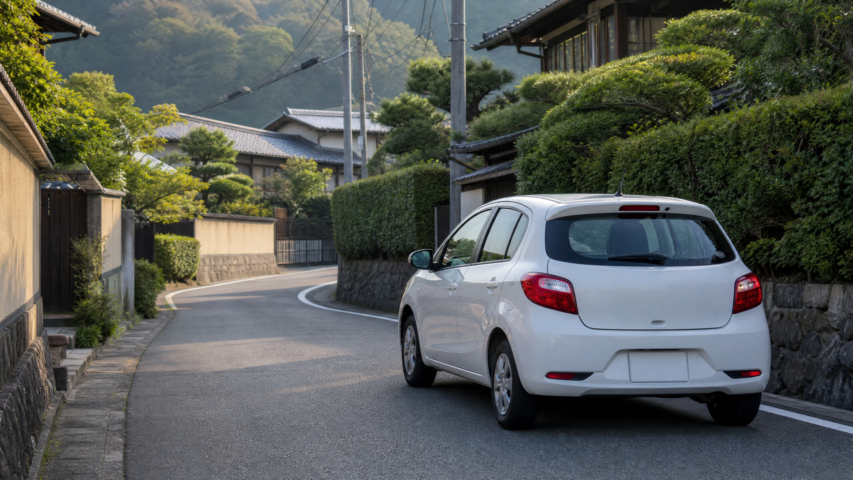
White hatchback parked on a narrow residential street in a quiet Japanese neighborhood, with traditional houses and lush greenery on both sides

狭い道では急がない

日本でレンタカーを使うと、住宅地や古い町並みの周辺、田園の生活道路へ入ることがあります。そこは急ぐ近道ではありません。歩行者や対向車を想定して、見通せる距離で確実に止まれる速度まで落とします。周囲に余裕を残します。日本は左側通行です。中央線のない道へ曲がる時は自車の位置を確認し、ナビだけで決めず、標識と目の前の状況を優先します。

入る前の準備

狭い区間へ入る前に、目的地と次の分岐を安全に停車できる場所で確認します。運転中は携帯電話を操作せず、案内は同乗者に頼みます。細い道を駐車場所の代わりにしてはいけません。

  • 狭い区間の始まりと終わりを地図で確認する。
  • ミラーを合わせ、全員のシートベルトを確認する。
  • 荷物を固定して注意をそらさない。
  • 人や自転車を待てる時間を見込む。

死角と対向車

塀、植え込み、駐車車両、建物の角は視界を隠します。見通しが消える前からアクセルを緩め、角の先をよく見て、すぐ停止できるようにします。交差点では標識と路面表示に従い、一時停止線や踏切では必ず停止して安全を確認します。対向車が来たら早めに減速し、無理なく使える少し広い場所を探します。相手が退避しやすい位置に近いなら、待って通してもらうほうが安全な場合があります。駐車車両の脇を無理に通らず、後退が必要なら動かす前に周囲を確認し、視線が不安ならもう一度止まります。

人を優先し、駐車は指定場所へ

細い道では、門の陰から歩行者が出てきたり、自転車が端を走ったりします。見えるまで安全だと決めつけず、横断歩道では歩行者を優先します。クラクションで急がせず、子どもや高齢者にも対応できる速度を保ちましょう。目的地の周辺では指定された駐車場に止め、生活道路を地域の通行のために空けます。戻る時も自転車や配達車を確認してください。ゆっくり見て、標識を守り、相手に道を譲る。この姿勢があれば、初めての狭い道も安心して走れます。

White hatchback parked on a narrow residential street in a quiet Japanese neighborhood, with traditional houses and lush greenery on both sides

Why narrow roads need a different mindset

Japan can be rewarding to explore by rental car, yet a navigation route may leave a broad main road for a residential lane, a historic district, or a rural side street. These are not places to make up time. Drive at a speed that lets you stop within what you can see, and expect people, bicycles, delivery vehicles, or an oncoming car to appear around the next corner. The aim is not to prove that the car will fit; it is to leave enough space and attention for everyone using the road.

Japan drives on the left. This matters most when you turn from a familiar wide road into a street without a centre line. Reset your position, look ahead, and do not let the map alone decide whether a lane is suitable. Road signs, barriers, local restrictions, and the conditions in front of you always take priority.

Prepare before leaving the main road

Make decisions before the space becomes tight. Set the destination and the next useful waypoint while stopped legally, then put the phone away before moving. If you are visiting an older neighbourhood, check a public car park or your accommodation's parking arrangement in advance. A narrow lane is never a substitute for a parking space.

  • Look at the route overview, not only the next turn.
  • Adjust mirrors and confirm that every passenger has a seatbelt fastened.
  • Secure loose bags and drinks before a slow manoeuvre.
  • Allow time to wait for pedestrians, cyclists, and local traffic.

Slow down at blind corners and junctions

Walls, hedges, parked vehicles, and building corners can hide a person or vehicle until the last moment. Ease off the accelerator before the sight line disappears, look deliberately into the corner, and be ready to stop. At a junction, follow every sign and road marking. Where a stop line or railway crossing requires a stop, stop first and check carefully before continuing. A vehicle behind you is never a reason to skip a safety check.

Keep your attention on the road rather than on a navigation screen. Using a mobile device while driving is illegal in Japan, so arrange directions before departure or let a passenger handle the device. If you miss a turn, continue to a safe and legal place to reroute instead of making a sudden turn or reversing near a junction.

Meeting an oncoming vehicle

Meeting an oncoming vehicle is normal on a narrow road. Reduce speed early and look for a wider section, a driveway entrance, or a marked passing place that can be used safely and lawfully. If the other driver is already closer to a suitable space, waiting and letting them clear the tight section is often the calmest choice. Keep a generous gap and watch both mirrors. Never force the issue by squeezing past parked cars, mounting a kerb, or blocking a pedestrian route.

If reversing is necessary, pause and assess the area before moving. A passenger can help look outside when it is safe, but the driver remains responsible. Reverse slowly in the clearest available space and stop again when the view is uncertain. An extra minute is better than a scrape or a frightened pedestrian.

Give people and local life more room

On a narrow street, pedestrians may step out from behind a gate and cyclists may travel close to the edge. Treat every blind spot as occupied until you can see that it is clear. Pedestrians have priority at crossings, and a patient pace helps you respond to children, older people, and residents carrying shopping. Do not use the horn to hurry people; reserve it for serious warnings.

Park legally, then explore on foot

Historic and residential areas are often best explored after you park in a designated area. Check the posted conditions and leave narrow streets clear for local access. Before returning to the car, look around for bicycles, pedestrians, and delivery vehicles. Slow down, respect the signs, and give others room; with that approach, an unfamiliar lane becomes a manageable part of the journey.

White hatchback parked on a narrow residential street in a quiet Japanese neighborhood, with traditional houses and lush greenery on both sides

從東京租車前往鎌倉與江之島,最輕鬆的做法不是把景點排得越多越好,而是讓汽車負責較長距離移動,抵達後改以步行為主。歷史街區、海岸與熱門停車區距離很近;若臨時在狹窄道路找車位,往往比多走一小段路更費心。

先定一個主站,再往海岸前進

早上可先選鎌倉的一個主要目的地,之後沿湘南海岸前往江之島。導航先設定第一個停車場,不必把每一個景點都排進路線。鎌倉市為緩解景點集中的交通壅塞,提供停車後轉乘大眾交通的方式。停好車後,請依當日可使用的交通工具與步行路線安排行程,避免為了每一站反覆移車。

把停車當成抵達前的第一個決定

不要等到寺社入口、海灘入口或江之島大橋前才開始尋找空位。出發當天先查看官方資訊,並準備一至兩個替代停車點。藤澤市觀光協會指出,江之島島內停車場可能客滿,並請駕駛不要為等候空位而排隊。若第一選擇已滿,請保持車流順暢,前往下一個合法停車地點。

  • 進入最後一段道路前,就先設定停車場。
  • 現場閱讀入口的使用時間、費用與標誌。
  • 停車後把鄰近景點用步行一次完成。

海岸道路留出更多注意力

鎌倉到江之島的海岸路段風景宜人,但更需要留意行人與自行車。日本採左側通行,駕駛人必須禮讓行人;行車時不可操作手機,也不可因持續看導航螢幕而分心。即使行程延後,也應依現場狀況與限速標誌行駛,不要為追趕時間冒險。

夏末出發前再看一次天氣

神奈川的颱風季通常在七月至十月,八、九月較為集中。這不表示每個海岸行程都會受影響,但出發當日仍應查看官方預報與警報;若預計有強風或大雨,就縮短海邊停留並遵從當地指示。全車乘員都應繫安全帶,備好飲水,也讓行程保有調整空間。

出發前可查的官方資訊

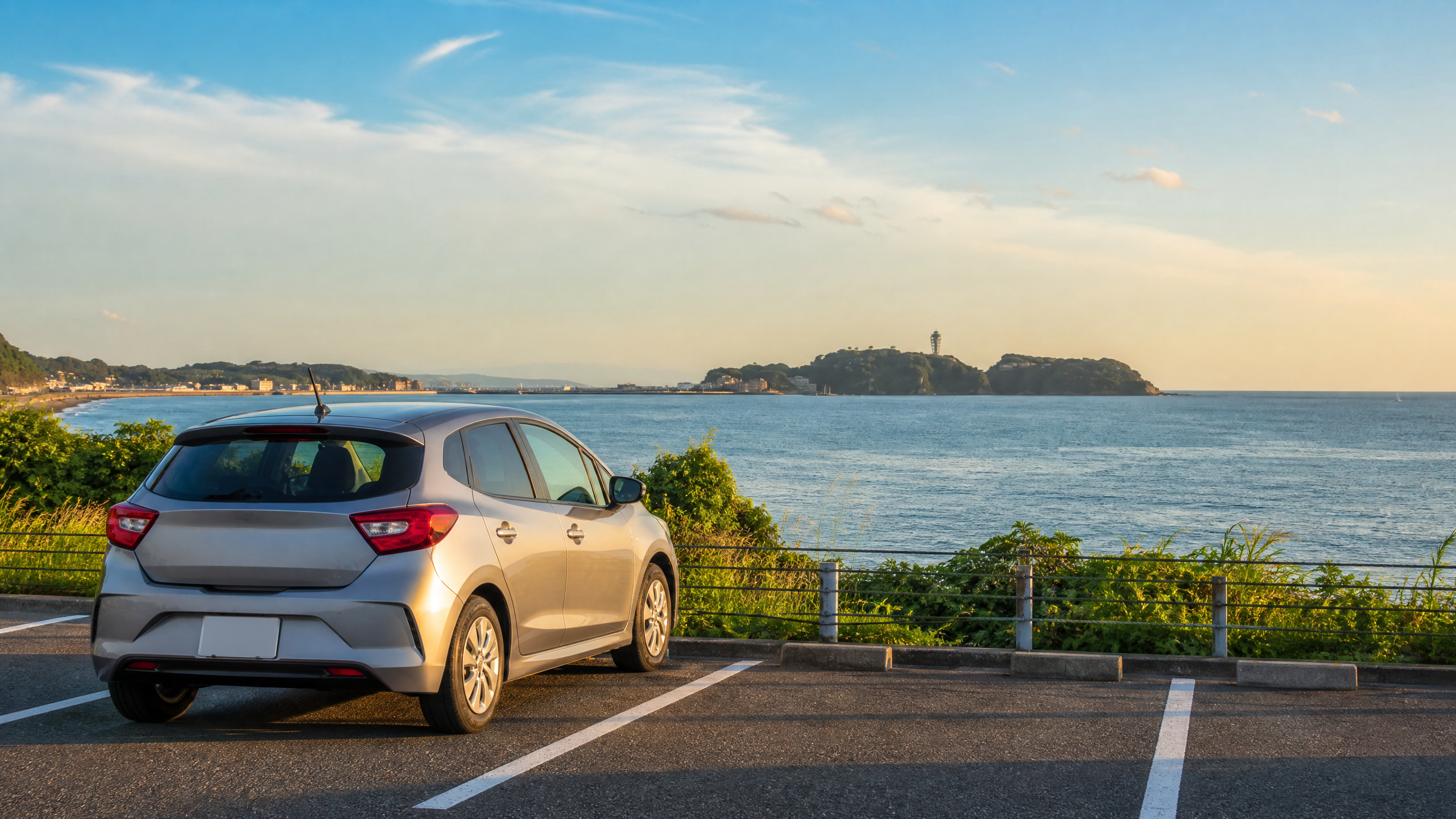
Silver compact car parked in a seaside parking lot with a railing and the ocean behind it.

東京から鎌倉、江の島をレンタカーで巡る日は、目的地を増やしすぎないことが快適さの鍵です。歴史ある街並み、海辺、人気の駐車場が近いエリアでは、車で急いで移動するより、先に合法的な駐車場所を決め、徒歩を中心に楽しむ計画が向いています。

車は移動、観光は徒歩を基本に

朝は鎌倉の主な目的地を一つ選び、その後に湘南海岸を通って江の島へ向かう流れが分かりやすいでしょう。カーナビには最初の駐車場を入れ、細かな立ち寄り先は現地で決めます。鎌倉市は、観光地が集中する地域の渋滞を和らげるため、駐車後に公共交通へ乗り換える方法を案内しています。駐車後は徒歩を基本に、必要なら交通機関を使いましょう。

駐車場は到着前に決める

寺社の入口や江の島大橋の直前で空きを探し始めるのは避けましょう。当日の公式情報を確認し、第二候補も用意します。藤沢市観光協会の江の島駐車場は満車になる場合があり、空きを待つために並ばないよう案内しています。最初の候補が満車なら、交通を妨げず次の合法的な駐車場所へ進むのが安全です。

  • 最終進入前に駐車場を設定する
  • 入口の利用時間・料金・標識を現地で読む
  • 駐車後は近い見どころを徒歩でまとめる

海沿いでは歩行者を優先する

鎌倉から江の島への海岸部は景色が魅力ですが、歩行者や自転車への注意が欠かせません。日本では左側通行で、運転者は歩行者を優先します。運転中の携帯電話操作や、画面を見続けるカーナビ操作はしません。予定より遅れても、標識の速度とその時の交通状況に合わせて運転してください。

夏の終わりは天気を再確認

神奈川では7月から10月が台風シーズンとされ、8月から9月がピークです。出発当日の公式予報と警報を確認し、強風や大雨なら海辺を短縮し、地域の案内に従いましょう。全員がシートベルトを着用し、水分と予定変更の余裕を持ちましょう。

情報

Silver compact car parked in a seaside parking lot with a railing and the ocean behind it.

A rental car makes it easy to connect Tokyo, Kamakura and Enoshima in one flexible coastal day. It is not, however, a route to treat as a race. Historic streets, beach traffic and popular parking areas can turn a simple plan into a tiring one when the car becomes the centre of the day. A calmer approach is to use the car for the long approach, choose legal parking before arriving at a busy sight, and enjoy the compact sightseeing areas on foot.

Set a simple order for the day

Start with one main Kamakura stop, then continue along the Shonan coast toward Enoshima. Rather than programming every attraction into the navigation system, set the first parking area as the first destination and keep the rest of the day flexible. This reduces last-minute turns on unfamiliar streets and leaves room for a café break, a beach walk or a longer temple visit.

For a practical flow, use the morning for Kamakura, take the coastal section at an unhurried pace, and make Enoshima the later stop. The key is not the order itself but the decision to stop driving once you have reached a lawful parking place. Kamakura City promotes parking-and-public-transport options to help reduce congestion around concentrated sightseeing areas, so consider walking or using transport that is available on the day after you park.

Make parking your first decision

Do not wait until you are beside a famous gate, beach entrance or island bridge to look for a space. Check official parking information on the morning of travel, save one or two alternatives, and agree with your passengers on what to do if the first option is full. The Fujisawa Tourism Association notes that its Enoshima island car park can become full and asks drivers not to queue while waiting for spaces. That is a useful reminder to keep traffic moving and move calmly to the next legal option.

  • Choose a parking area before starting the final approach.
  • Keep payment, the vehicle key and your parking location easy to find.
  • Read the signs at the entrance instead of relying on an old online price or time limit.
  • Once parked, combine nearby sights on foot rather than relocating the car for every stop.

A parking-first plan also makes it easier to respect local streets. Avoid stopping “for just a minute” in a narrow lane or in front of an entrance. If a location has no legal space, continue to the next option; a short extra walk is safer and usually less stressful than circling.

Drive the coastal section with margin

The road between Kamakura and Enoshima is part of the experience, but it demands attention. Keep your navigation audible and glance at it only when stopped safely. Japan’s Automobile Federation explains that drivers keep left, must yield to pedestrians, and must not use a phone or be distracted by car navigation while driving. In coastal visitor areas, people may step into crossings slowly, groups may pause near viewpoints, and cyclists can appear alongside traffic. Leave space, lower your speed when conditions call for it, and follow the posted limits rather than trying to maintain a schedule.

Before departure, make sure every occupant wears a seat belt. This includes rear-seat passengers; the National Police Agency states that seat belts are required in all seats. If children are travelling, confirm the appropriate child-seat arrangement with the rental provider before you leave, rather than improvising during the drive.

Use a late-summer weather check

For an August or early-autumn visit, check the official forecast and warnings again on the morning of travel. Kanagawa’s tourism guidance identifies July through October as typhoon season, with a peak in August and September. This does not mean every coastal day will be disrupted, but rain, strong wind or changing conditions can make a scenic plan unsuitable. If warnings or heavy weather are expected, shorten the route, skip exposed waterfront stops and follow local instructions.

Bring water, charge your phone before driving, and keep the plan light enough to change. The best version of this day is not the one with the most pins on a map. It is the one in which you park legally, walk comfortably, respect pedestrians and return the car without a rushed final hour.

Useful official sources

Silver compact car parked in a seaside parking lot with a railing and the ocean behind it.

國際航班抵達後,租車首日不必跑得最遠。從成田前往千葉縣的九十九里海岸,可以先熟悉車輛與日本道路,再欣賞太平洋海岸。請把它當成可彈性調整的行程;實際路線、天氣、道路與停車狀況,都應在出發當天確認。

只選一段海岸作為目的地

成田機場與九十九里海岸都位於千葉縣。日本國家旅遊局介紹九十九里海岸為約66公里長的沙灘海岸線,因此首日先選一個海灘區域或指定停車點即可。千葉縣官方的海岸日歸自駕路線延伸至銚子,是長距離參考;抵達日不需要全部走完。

離開機場前先完成設定

交車時確認油量、導航語言、還車地點與聯絡方式。目的地請用正式名稱或地圖圖釘儲存,行李固定好。除了主要停車點,也準備一個備用地點,以因應滿位或天氣改變。

  • 出發前先設定一個主要停車目的地。
  • 炎熱天氣請帶水,預留停車後的休息時間。
  • 前往海岸前查看天氣與當地公告。

前幾公里先重設駕駛習慣

日本採左側通行。JAF提醒駕駛人應禮讓行人,因此接近行人穿越處或轉彎時請保持耐心。留意標誌、號誌、路面標線與現場限速;不要以其他國家的習慣判斷。接近平交道時提早減速、觀察號誌,僅在安全時通過。錯過導航轉彎時,安全前行並讓導航重新規劃。

使用指定停車場,讓身體狀況決定節奏

請使用海灘、餐廳或景點指定的公共或民營停車場。九十九里町設有供公眾使用的海岸町營停車場,但開放安排、付款方式與季節規則可能不同;請閱讀現場告示,不要自行認定路肩或沙地適合停放。炎熱季節請查看天氣、暑熱指數與熱中症警報,並安排補水和休息。若強風、大雨或暑熱警報改變條件,就縮短行程。

保留輕鬆返程

先決定自己最晚能舒適離開的時間,並依租車契約確認燃油與停車紀錄是否需要保留。成田到九十九里海岸的目標不是累積里程,而是建立自駕信心。一個停靠點、耐心駕駛與充足休息,就能為千葉租車之旅開一個舒服的好開始。

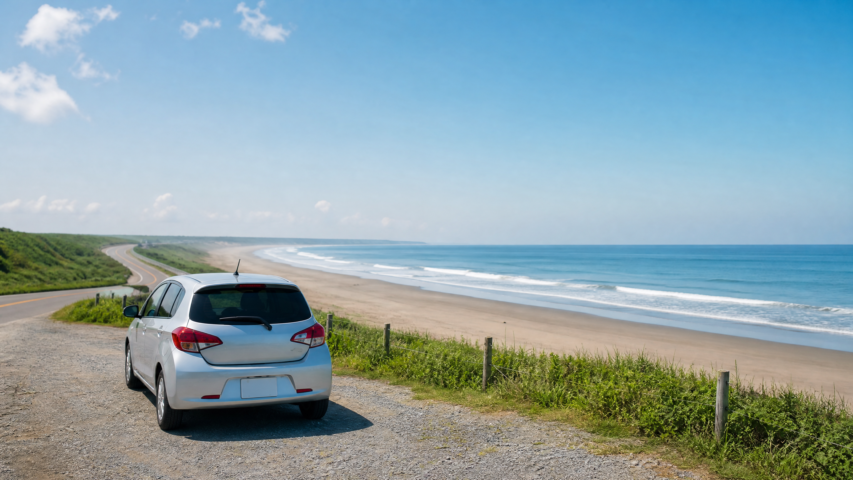
White hatchback parked on a gravel shoulder along a coastal road, with a sandy beach and blue ocean stretching to the horizon under a clear sky.