日元

Blog

北海道最美自駕路線完全指南

計畫來日本自駕旅行?北海道以寬闊風景、季節變化與寧靜公路聞名,是自駕愛好者的天堂。本文針對北海道自駕租車的實用建議、四條推薦路線與租車注意事項,幫你從租車到上路都安心又順利。

為什麼選擇北海道自駕租車

北海道地廣人稀,公共交通雖然便利於城市間,但想深入湖畔、牧場與沿海小鎮,租車更靈活。使用北海道自駕租車,你可以規劃隨心停靠、拍攝黃昏與晨霧,尤其適合家庭與攝影愛好者。

四條必走自駕路線(含季節建議)

1. 札幌→富良野→美瑛(春夏)

  • 特色:薰衣草花田、拼布之路。(最佳季節:7月)
  • 建議:留一整天在美瑛慢遊、傍晚拍金色山谷。

2. 札幌→小樽→積丹半島(全年)

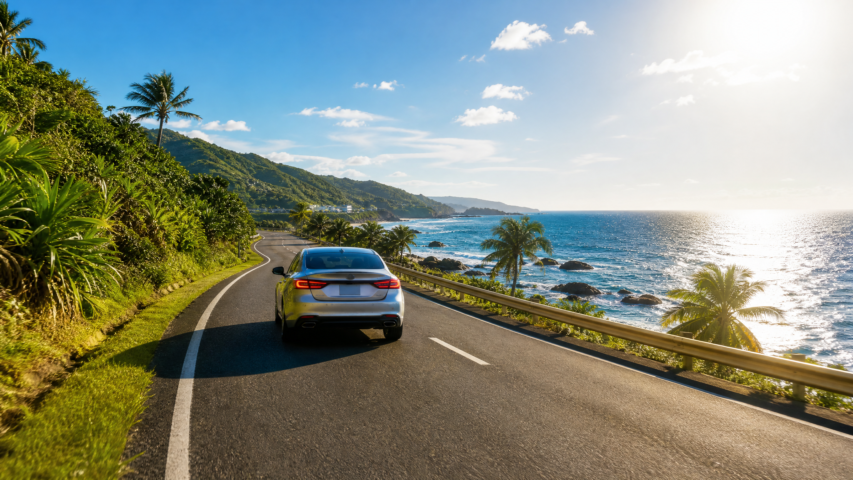
  • 特色:海岸公路、海鮮名店與玻璃工藝。
  • 建議:冬季注意路面結冰,夏季享受海景餐廳。

3. 釧路→阿寒湖→知床半島(秋冬看楓與雪)

  • 特色:野生動物、溫泉與原始自然景觀。
  • 建議:攜帶防寒裝備,並提前查詢道路封閉資訊。

4. 稚內→宗谷岬→利尻/禮文(夏季短程渡輪)

  • 特色:日本最北端風情、野花與海岸線。
  • 建議:夏季花季最美,提前預訂渡輪與住宿。

租車與駕駛實用技巧

  • 駕照需求:持有國際駕照(或日文翻譯)與原始駕照原件。
  • 提前預訂:旺季(7月、8月、冬季滑雪期)車輛緊俏,提早預約可選到適合車型。
  • 保險與路邊支援:選擇含CDW與24小時支援的方案,遇緊急狀況可快速處理。
  • 冬季裝備:北海道冬天雪多,請租用冬季胎或四驅車並配備雪鍊。
  • 導航與通行費:租車時確認是否含中文導航或請下載離線地圖,部分高速公路有ETC卡可省時間。

Relax Car Rental 簡短說明

如果你在尋找方便的租車服務,Relax Car Rental 提供多種車型、彈性取還車地點與中文客服,對首次在日本租車的旅客特別友善。可比較價格與保險內容,選擇最適合你的方案。

結語與行動呼籲

北海道自駕租車能讓你深入最美的景點與小鎮,享受自由行程的樂趣。準備好行李、確認駕照與保險後,就出發吧!現在就查詢北海道自駕租車的可用車輛與價格,預訂你的夢想路線,開啟一段難忘的北海道公路之旅。

Silver car driving down a straight country road between purple lavender fields with green hills and mountains in the distance under a blue sky.

魅力的な導入:北海道を自分のペースで走ろう

広大な風景、美しい海岸線、温泉、グルメ──北海道はレンタカーで回ると本当に自由度が高いです。この記事は北海道レンタカー自動車旅行を計画する方へ、定番ルートから実践的な準備までわかりやすくまとめました。

人気ルートと見どころ

初めてなら以下のルートがおすすめです。

  • 札幌→小樽(港町と寿司)→積丹(透明な海)
  • 富良野・美瑛(花畑と丘陵)→旭川(動物園)
  • 道東ルート:釧路→摩周湖→知床(自然と野生動物)
  • 函館→大沼(夜景と歴史)

季節ごとの実践的アドバイス

冬は必ずスタッドレスタイヤまたはチェーンを用意。夏は長距離移動での渋滞と駐車場混雑に注意。燃料スタンドは都市部より間隔が空くので満タンを心がけましょう。

運転のコツとレンタカー選び

狭い農道や観光地の駐車を考え小回りのきく車種がおすすめ。ETCやカーナビ、チャイルドシートを事前にリクエストすると安心です。Relax Car Rentalは車種選択、保険オプション、追加用品の手配が可能なので便利です。

安全チェックリスト

  • 保険と緊急連絡先を確認
  • タイヤ空気圧とライトの点検
  • 休憩をこまめに取り、無理な走行を避ける

北海道レンタカー自動車旅行は準備次第で快適かつ思い出深い旅になります。まずは希望の出発日で車を確保し、旅程を作ってみましょう。Relax Car Rentalのサイトで空車状況をチェックして、あなたのドライブを始めてください!

Silver car driving down a straight country road between purple lavender fields with green hills and mountains in the distance under a blue sky.

Driving through Hokkaido is one of Japan’s most rewarding travel experiences: long, open roads, dramatic coastlines, rolling flower fields and remote mountains that feel miles away from the crowds. If you're planning a Hokkaido self-drive rental car trip, this guide will point you to the most scenic routes, practical driving tips, and smart planning advice so you can focus on the views — not the logistics.

Why choose a Hokkaido self-drive rental car?

Hokkaido’s landscape is best explored with a car. Public transport is excellent between major cities, but many of the island’s most memorable sights — hidden waterfalls, panoramic roadside viewpoints and tiny coastal villages — are reached far more easily by car. A self-drive trip gives you:

  • Flexibility to stop wherever the view or a local seafood shop tempts you.
  • Access to remote nature spots off the train map.
  • Comfort for carrying gear (ski equipment in winter, picnic items in summer).
  • Better timing for sunrise/sunset photography.

Top scenic routes to consider

Biei & Furano Panorama Loop

Distance: 100–150 km loop (day trip). Best season: late spring to summer.

Known for rolling hills, patchwork flower fields and the iconic Tree Road of Biei, this route is ideal for leisurely driving and frequent photo stops. Highlights: Shikisai no Oka, Patchwork Road, and Lavendar fields in Furano (mid-July).

Shiretoko Peninsula (R5 & 334)

Distance: add 200–300 km depending on route. Best season: June–October (accessible by car year-round but winter roads can be tricky).

World Heritage-listed and wildly beautiful, Shiretoko rewards patient drivers with brown bear and birdlife sightings, dramatic coastal cliffs and the Sea of Okhotsk. Expect narrow sections and occasional ferry crossings — allow extra time.

Coastal drives: Otaru–Yoichi–Niseko and Cape Kamui

Distance: 50–200 km segments. Best season: spring to autumn; stunning in winter for snowy coastal panoramas.

Historic Otaru canal, seafood stalls in Yoichi, and the dramatic headlands at Cape Kamui near Shakotan make this a delicious and photogenic stretch. Combine with a dip in an onsen after a day of driving.

Practical tips for a safe and smooth trip

  • Book the right car: Choose compact cars for narrow town streets and economical drives, or a 4WD if you plan on winter travel or mountain passes. Make sure there’s enough trunk space for luggage and equipment.
  • Insurance & documents: Carry your passport, Japanese International Driving Permit (IDP) or valid Japanese license, and the rental agreement. Consider comprehensive insurance (collision damage waiver) for peace of mind.
  • ETC card & tolls: Highways use ETC lanes. Ask your rental company for an ETC unit or card — it saves time and sometimes cost.
  • Winter driving: From November through March expect snow and ice. Use studless winter tires (required at some times of year), carry traction aids, and reduce speed on icy roads. Plan extra travel time and avoid isolated gravel roads.
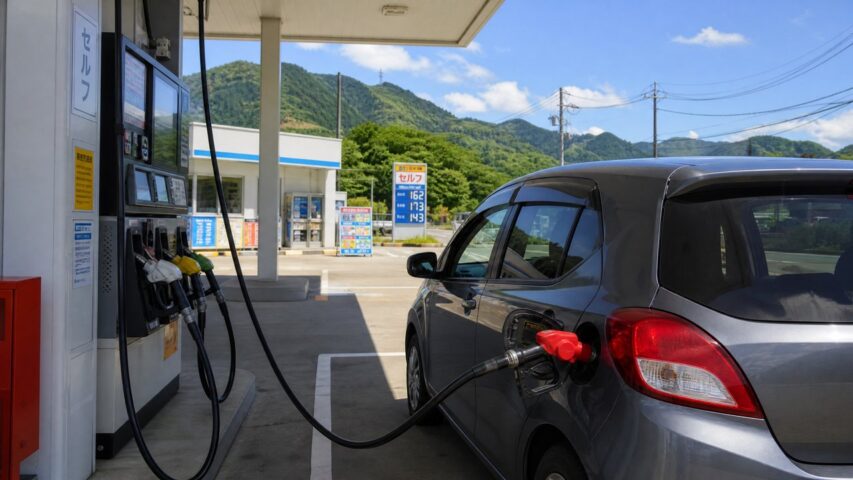
  • Fuel & services: Distances between petrol stations can be long in rural Hokkaido. Refill when you hit half tank. Many stations close early in smaller towns — plan fuel stops.
  • Navigation & connectivity: Rent a car with an English GPS or use an offline map app. Consider a pocket Wi-Fi or local SIM for live navigation and translation.
  • Wildlife & safety: Watch for deer and foxes especially at dawn/dusk on rural roads. Keep headlights on and drive with extra caution.

Relax Car Rental provides helpful English service, GPS-equipped vehicles and optional ETC cards — a good local option if you want support setting up your Hokkaido self-drive rental car quickly and confidently.

Sample 3–5 day itinerary ideas

  • 3-day Biei & Furano loop: Base in Furano, explore flower fields and Biei’s hills, return via local wineries and cheese farms. Daily drives are short (1–2 hours) allowing relaxed stops.
  • 4-day Eastern Nature Loop: Sapporo → Kushiro Marsh → Lake Akan → Shiretoko. This covers big distances — plan longer drives and overnight stays en route.
  • 5-day Coastal & Mountain: Sapporo → Otaru → Niseko → Cape Kamui → Sounkyo Gorge. Mixes coast, mountains and hot springs for variety.

Hokkaido rewards slow travel and an adventurous spirit. If you’re ready to explore with the convenience of your own wheels, consider booking early (peak seasons fill up fast) and compare options with trusted providers like Relax Car Rental to get the vehicle and extras you need. Happy driving — and don’t forget to pull over for the view!

Ready to plan your Hokkaido self-drive rental car adventure? Contact Relax Car Rental or your preferred agency today and start mapping your scenic journey.

Silver car driving down a straight country road between purple lavender fields with green hills and mountains in the distance under a blue sky.

什麼是ETC及其重要性

ETC 是電子收費系統的縮寫,可在收費站免停車自動結算通行費。使用ETC能節省時間、減少排隊,並在特定情況下享有通行費折扣。

ETC的運作方式

  • 車載器(OBU):安裝於車內,與收費站通訊。
  • ETC卡:記錄付款資訊的卡片,由發卡機構或租車公司提供。
  • 自動付費:通過ETC車道時系統會自動向卡片扣款。

遊客與租車族的使用選項

租車時通常能輕鬆使用ETC,即使沒有日本發行的信用卡也沒問題。

  • 租車時加租ETC:多數租車公司提供附帶車載器與ETC卡的服務,通常以日租費計價,最方便且適合短期旅客。
  • 使用自己持有的ETC卡:若持有日本發行的ETC卡,可在配有OBU的車輛上使用。
  • 不使用ETC:可於收費站以現金或信用卡支付,但無法享受ETC優惠且需排隊等待。

利用ETC節省通行費的技巧

透過ETC可享有多種折扣與便利措施,以下為實務建議。

利用時段與假日折扣

許多路段提供深夜、早晨或假日折扣。安排行程時間以碰上這些時段,可降低通行費。

優先使用ETC車道省時

ETC車道能快速通過收費站,減少停等時間與塞車,間接節省油費與時間成本。

善用ETC2.0的資訊功能

ETC2.0提供即時交通資訊與推薦路線,有助於避開塞車與繞行,部分區域亦提供ETC2.0專屬優惠。

事先查詢區間與路線比較費用

部分高速公路或路段會對ETC用戶有特定折扣,出發前可利用官方路線查詢工具或導航APP比較費用與時間。

留意租用設備與服務費用

ETC車載器與卡片多數需付日租費或手續費,預先確認價格後再評估是否划算。通常整體來看,使用ETC仍能省下時間與費用。

在Relax Car Rental使用ETC的流程

  • 預約時選擇ETC選項,以便車輛配備車載器與卡片。
  • 取車時確認OBU已安裝且ETC卡準備就緒。
  • 行駛時使用ETC車道通行,系統會自動扣費。
  • 還車時確認租車發票與通行費明細,檢視折扣是否正確套用。

常見問題

  • ETC車道無法識別怎麼辦?:使用收費站的對講機聯繫工作人員或移至人工窗口處理。
  • 外國發卡的信用卡可以使用嗎?:租車公司提供的ETC卡通常以國內結算方式處理,請向租車公司確認帳單方式。
  • 折扣是否全國一致?:折扣依營運公司與路段而異,建議事前查詢相關路段資訊。

結論

在日本自駕旅行時,使用ETC能大幅提升通行效率並在多數情況下節省成本。對遊客而言,透過租車公司加租ETC設備通常是最簡單且划算的選擇。

想在日本開車更省時省錢嗎? 立即在Relax Car Rental預訂附ETC設備的車輛: relax-rentacar.com,享受安心的機場接送與彈性的租車方案。

Driver's perspective on a highway at sunset, with Mount Fuji in the distance and a GPS screen on the dashboard visible ahead.

ETCとは何か

ETCは Electronic Toll Collection の略で、料金所で停止せずに通行料を自動で支払えるシステムです。ETCを使えば時間短縮になり、状況によっては割引が受けられます。

ETCの仕組み

  • 車載器(OBU):車両に装着する機器で料金所と通信します。
  • ETCカード:支払い情報が登録されたカードです。クレジットカード会社やレンタカー会社が提供します。
  • 自動決済:ETCレーンを通過するとカードに自動で請求されます。

旅行者とレンタカーでの使い方

レンタカーを利用する場合、ETCの利用はとても簡単です。

  • レンタル時にETCを追加:多くのレンタカー会社はETC車載器とカードをオプションで提供します。短期滞在でも便利です。
  • 自分のETCカードを使用:日本国内発行のカードを持っている場合、対応する車両で使用できます。
  • ETCを使わない方法:現金やカードで料金所で支払えますが、割引や時間の節約は得られません。

ETCで通行料を節約するコツ

ETCを活用すると割引制度やルート選択で費用を抑えられます。以下を参考にしてください。

時間帯や曜日の割引を活用

深夜割引や休日割引など、時間帯や曜日による割引が適用されることがあります。移動時間を調整してお得に通行しましょう。

ETCレーンを利用して時間を節約

レーンを停車せず通過できるため、渋滞や待ち時間を減らせます。時間短縮は燃料費の節約にもつながります。

ETC2.0の利点を活用

ETC2.0は交通情報やルート情報を提供し、渋滞回避や効率的な経路選択に役立ちます。一部の地域では追加割引がある場合もあります。

割引対象の路線や区間を確認

区間や地域によって割引率や対象が異なります。事前に高速道路会社の公式サイトやルート検索で確認しましょう。

レンタル料金とカード手数料を確認

ETC機器やカードには日額料金がかかることがあるため、事前に費用を比較しましょう。場合によってはレンタル代を払っても総額で節約になることが多いです。

Relax Car RentalでのETC利用手順

  • 予約時にETCオプションを選択してください。
  • 受け取り時に車載器が設置され、カードが準備されています。
  • 料金所ではETCレーンを通過し、自動で支払いが完了します。
  • 返却時に請求内訳を確認し、割引が適用されているかチェックしましょう。

よくある質問

  • ETCレーンが使えない場合は?:料金所の係員に連絡するか、係員対応レーンへ進んでください。
  • 海外発行カードは使える?:レンタカー付帯のETCカードは国内決済に対応している場合が多いです。詳しくはレンタル会社に確認してください。
  • 割引は全国共通?:割引制度は路線や地域ごとに異なります。事前確認が重要です。

まとめ

ETCを利用することで、日本国内の高速道路をより快適に、そしてお得に利用できます。レンタカーにETCを追加すれば、観光や出張での移動もスムーズです。

ETC付きの快適なドライブを体験しませんか? 今すぐRelax Car RentalでETCオプション付きの車両を予約してください: relax-rentacar.com。空港送迎や柔軟なレンタルプランで皆様の旅をサポートします。

Driver's perspective on a highway at sunset, with Mount Fuji in the distance and a GPS screen on the dashboard visible ahead.

What is ETC and Why It Matters

The ETC system in Japan stands for Electronic Toll Collection. It allows vehicles to pass through toll gates without stopping, using an onboard unit and an ETC card. For visitors and residents alike, using ETC can save time, reduce congestion, and in many cases qualify drivers for expressway discounts.

How ETC Works

  • Onboard Unit (OBU): A device installed in the car that communicates with toll gates.
  • ETC Card: A card issued by credit card companies or rental providers that stores payment information.
  • Automatic Billing: Tolls are charged automatically to the card when passing ETC lanes.

Options for Tourists and Rental Cars

If you're renting a car in Japan, you have easy options to use ETC even without a Japanese credit card.

  • Rent ETC with the Car: Many rental companies offer an ETC card and OBU pre-installed for a small daily fee. This is the simplest option for short stays.
  • Bring a Compatible Card: Residents with a Japanese-issued ETC card can use it across rental cars that have OBUs.
  • Pay at Gate: If you don’t use ETC, you can still pay by cash or card at toll booths, but you lose potential discounts and time savings.

How to Save on Toll Fees Using ETC

ETC unlocks several discount programs and smart practices. Here are practical ways to lower your expressway costs.

1. Use Time and Day Discounts

Many expressways offer discounts depending on time of day or day of week. Examples include late night or early morning discounts and weekend or holiday discounts. Plan your travel times to catch these reduced rates.

2. Choose ETC Lanes for Faster Passage

ETC lanes let you maintain speed through toll gates which saves time and avoids idling. Faster trips can indirectly reduce costs like fuel consumption in heavy traffic.

3. Consider ETC2.0 Benefits

ETC2.0 provides additional traffic and route information that can help you avoid detours and congestion. In some regions, ETC2.0 users may receive extra discounts or special offers.

4. Plan Routes and Use Discounted Expressway Sections

Some highway sections or regional passes have lower fares when using ETC. Use route planners and official expressway websites to check discounted sections and compare tolls versus alternate routes.

5. Watch Rental Fees and Card Charges

When renting an ETC device and card, check the daily rental fee and any maximum charges. Sometimes paying a small rental fee will still be cheaper than expensive local roads or congested city driving.

Step by Step: Using ETC with Relax Car Rental

  • Reserve a car and select ETC equipment at booking time.
  • Receive the car with the OBU installed and an ETC card prepared for use.
  • Drive through ETC lanes at toll gates and let the system process payment automatically.
  • Confirm toll charges on your rental invoice and review any discounts applied.

Tips and Common Questions

  • What if the ETC lane malfunctions? Use the intercom at the toll gate or the staffed lane for assistance.
  • Can foreign credit cards be used? Usually rental ETC cards are linked to domestic payment arrangements. Check with your rental provider to understand billing.
  • Are discounts nationwide? Discount programs and rates vary by region and operator. Always check local expressway operator sites for details.

Summary

ETC is the most convenient way to use Japan's expressways. By renting ETC equipment with your vehicle, planning travel times, and using ETC2.0 features, you can save both time and money on tolls. For hassle-free travel and reliable airport transfers, choose a rental provider that offers ETC as an option.

Ready to save on tolls and enjoy smoother driving across Japan? Book your car with ETC equipment now at Relax Car Rental: relax-rentacar.com. Enjoy efficient airport transfers and flexible rental options tailored to travelers.

Driver's perspective on a highway at sunset, with Mount Fuji in the distance and a GPS screen on the dashboard visible ahead.

Introduction

Driving Japan’s expressways is one of the most efficient ways to explore the country — from coastal highways to mountain passes. But tolls and unfamiliar systems can be intimidating for first-time visitors. This guide breaks down Japanese toll roads, how ETC works, payment options, route planning, and practical tips for tourists renting a car so you can drive with confidence.

Understanding Japan's Toll System

Japan’s high-quality expressways (often called toll roads) are managed by regional expressway companies such as NEXCO. Most major routes charge tolls based on distance traveled, entry and exit points, and vehicle class. Tolls are collected at dedicated toll plazas or automatically via the Electronic Toll Collection (ETC) system.

ETC Card vs Cash: What Tourists Need to Know

The ETC system lets you pass through toll gates without stopping. A small onboard unit communicates with roadside readers and automatically deducts tolls from a linked card. Benefits include faster travel and access to ETC-only lanes with discounted rates on some routes.

  • ETC Card: Many rental companies rent an ETC card and unit with the car. If you plan to use expressways frequently, renting an ETC card is the easiest option.
  • Cash Payment: If you don’t have ETC, use the general (cash) lanes at toll plazas. Most booths accept Japanese yen cash and will give change, but they might not accept foreign cards.
  • Credit Cards and IC Cards: Some toll booths accept credit cards or regional IC cards, but this varies. Don’t rely on card-only payment on rural routes.

How to Use Toll Gates and ETC Lanes

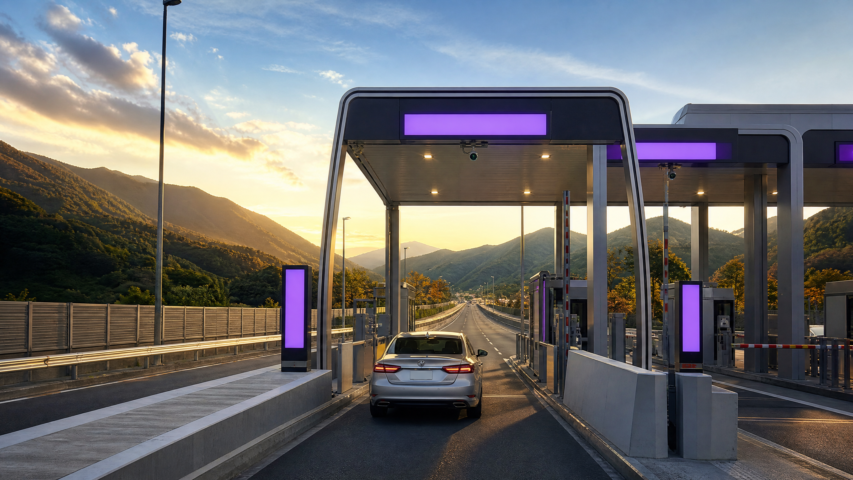
Approaching a toll plaza, look for lane signs in English: "ETC" lanes for electronic users, and "General" or "Manual" lanes for cash. ETC lanes are often marked with purple or green signs and may be labeled "ETC専用" (ETC only) or "ETC/一般" (ETC and general). If using ETC, slow down to the posted lane speed — the gate will register your device and open automatically.

  • If you accidentally enter an ETC-only lane without a card, stop and follow instructions on the intercom — do not try to reverse.
  • Keep receipts if you need to track toll expenses — machines usually print a slip when you pass.

Estimating Costs and Planning Routes

Toll costs can add up, especially for long distances on expressways. Use route planners and toll calculators (many official expressway sites offer English tools) to estimate costs before you drive. Some tips:

  • Combine expressways and local roads: Using local roads for short stretches can save money, but consider time and fatigue.
  • Look for ETC discounts: Night and weekend discounts are sometimes available via ETC.
  • Budget extra for bridges and tunnels: Special crossings often carry additional tolls.

Practical Tips for Tourists Renting Cars in Japan

Renting a car in Japan is straightforward, but a few practical tips make toll-road travel smoother:

  • Request an ETC card when you book. Most agencies, including Relax-RentACar, can provide an ETC unit and card for a small fee — this saves time and often money on tolls.
  • Carry enough Japanese yen in small bills and coins for cash tolls on rural roads.
  • Ensure your GPS supports English and has highway routing. Confirm the rental includes a car navigation system or use an up-to-date offline GPS app.
  • Familiarize yourself with left-side driving, signage, and speed limits before hitting the expressway.
  • Keep rental and insurance documents handy in case you need assistance at a toll plaza or rest stop.

Conclusion

Navigating Japanese toll roads becomes easy with a little preparation: rent an ETC card if you’ll use expressways often, carry some cash for rural tolls, and plan routes with toll estimates. With these tips, you’ll save time and enjoy smoother drives across Japan’s scenic highways. Ready to hit the road? Book your rental, ask about an ETC unit, and start planning your route today with Relax-RentACar for a hassle-free trip.

Rear view of a blue SUV on a multi-lane highway toward a toll gate, with Mount Fuji and green fields in the distance under a clear blue sky.

引言:為何要了解日本收費路段

初次在日本自駕的旅人,常被高速公路(高速道路、一般稱為expressway)上的收費系統搞得霧煞煞。了解收費方式、ETC系統與收費站操作,不僅能省時省錢,也能讓旅途更順暢安全。

日本高速公路與收費方式概述

日本高速公路多以距離計費,收費站分為人工與自動閘門。一般付費方式有現金、信用卡,以及最方便的ETC電子收費系統。計費會依車種(小型、普通、二輪等)與行駛距離不同而異。

使用ETC卡的好處與如何取得

ETC能自動通過收費門,省去排隊等待,且有時段或區域折扣。外國旅客可向租車公司租借ETC機與ETC卡或申請日本Expressway Pass(JEP)等短期通行證。出發前務必向租車公司確認是否含ETC設備與相關費用。

收費站實務操作與注意事項

  • 遇見ETC專用車道請直接進入,車道上方會有ETC標示與閃燈。
  • 人工車道請停車交付現金或刷卡,記得取好收據以便報銷或查詢。
  • 高速公路休息站(SA/PA)除了餐飲外也是加油與休息好去處,常提供外國旅客服務中心與停車資訊。
  • 若不慎走錯路段,保持冷靜並依標示迴轉或於下個交流道下交流,切勿違規倒車。

租車旅遊的實用建議

出發前準備包含:有效國際駕照(IDP,依日內瓦公約或翻譯)、護照、保險證明與信用卡。選擇含ETC或可租ETC卡的車輛最方便;像Relax-RentACar等租車公司通常提供ETC租借與日本導航系統。行駛時務必靠左行駛、遵守速限,並預留充足時間應付收費站與休息需求。

結論與行動呼籲(CTA)

掌握ETC使用、收費站流程與租車注意事項,你的日本自駕旅程會更順暢。出發前建議向租車業者確認ETC設備、保險與路線規劃。想輕鬆安排租車與ETC服務?立即造訪Relax-RentACar(relax-rentacar.com)預訂,開始你的無憂公路之旅!

日本高速公路通行全攻略:收費、ETC與租車實用技巧

日本でレンタカーを使って観光するなら、有料道路(高速道路)の仕組みを知っておくと移動がずっと楽になります。ETCや料金支払いの方法、休憩スポットの選び方まで、初めての方でもわかるようにやさしく解説します。Relax-RentACarで車を借りる前のチェックリストとしても役立ちます。

有料道路の基礎知識

日本の有料道路は「高速道路」と「有料区間」に分かれ、料金は距離制が基本です。入口の料金所やETC専用ゲートで支払います。標識は英語併記のものが増えていますが、IC(インターチェンジ)名を確認しておきましょう。

ETCカードと現金、どちらが便利?

ETC(電子料金収受システム)はスムーズな通過が可能で、多くの割引も適用されます。レンタカー利用時はETC搭載の有無やETCカードの貸出を確認。現金やクレジット支払いも可能ですが、ピーク時は混雑するのでETCがおすすめです。

料金の調べ方と割引を活用

出発前に料金検索サイトやカーナビで概算を確認しましょう。深夜割引や地方の割引、高速周遊パスなどもあるため、旅行ルートに応じて節約が可能です。領収書(通行券)は精算や経費処理に必要です。

安全運転とサービスエリアの活用

速度制限やレーンチェンジのルールを守り、SA(サービスエリア)・PA(パーキングエリア)で休憩を取りましょう。トイレや食事、地域名物を楽しめるスポットが多く、観光のメリットにもなります。

トラブル時と便利なアプリ

  • 故障や事故はまず緊急ダイヤル(110/119)やレンタカー会社に連絡。
  • カーナビアプリ(Google Maps、NAVITIME)は渋滞情報や料金表示が便利。
  • レンタル前にETCや保険内容、ロードサービスをRelax-RentACarで確認しておくと安心です。

有料道路の基本を押さえれば、日本のドライブ旅行はもっと快適に。レンタカーの予約や車種選びはRelax-RentACarのサイトをチェックして、自分に合ったプランで出発しましょう。安全運転で良い旅を!

日本の有料道路ガイド:観光で失敗しない通行料のコツ

日本雪地駕駛:旅客安全指南

出發前

  • 檢查:冬季專用輪胎或雪鏈、保暖衣物、行動電源與急救包
  • 查詢:當地路況、氣象與道路封閉資訊,避免夜間冒險行駛
  • 行車要點

  • 減速慢行、保持足夠車距、避免急煞與急轉彎
  • 使用低速檔,穩定加減速,遇冰面以緩慢操控為主
  • 遇險處理

  • 停靠安全位置、打開警示燈、向租車公司與當地救援求助
  • 小提醒:熟悉租車保險與服務支援,預留更多時間與耐心,安全優先,祝旅途平安。

    Snowy mountain road winding beside a frozen lake, with a car in the foreground and snow-covered trees under a clear blue sky.