

Japan Expressway Rental Car Safety: Rest Stops and Lane Habits
Set up for a calmer expressway drive
Japan’s expressways make long rental-car journeys practical, but a relaxed plan is more useful than a tight timetable. Before entering, check the navigation destination, estimated toll route, fuel level, weather and any congestion notices. Keep water and essentials within reach, then put the phone away before moving. Japanese rules require every occupant to wear a seat belt, so confirm this before the car joins traffic. If you are travelling with a child under six, use the appropriate child seat arranged with the rental company.
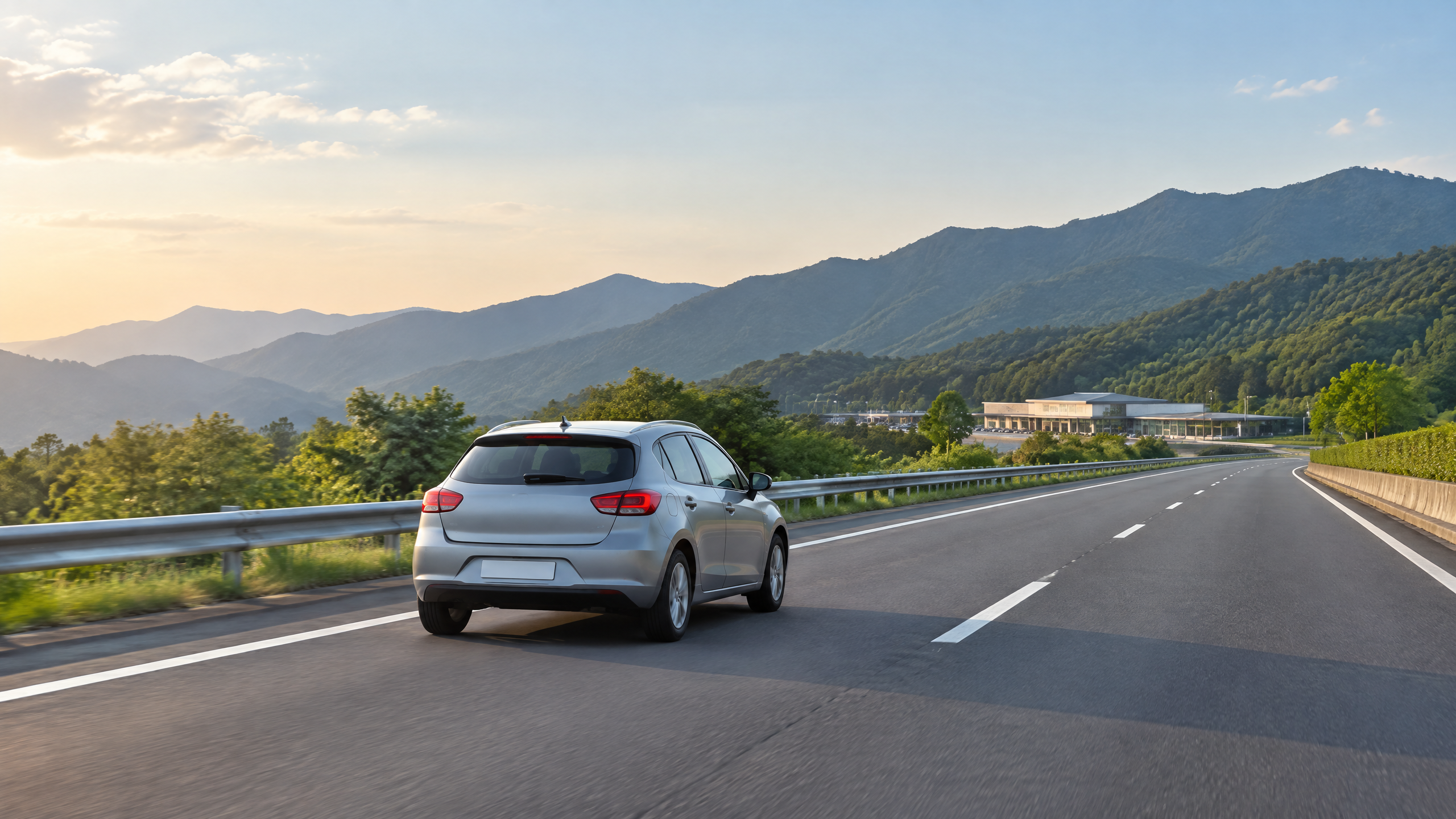
On a two-lane expressway, keep left as your normal position. The right lane is for overtaking; after passing, return safely to the left lane rather than continuing there. Do not use the shoulder or side strip as a driving lane. Signs set the applicable maximum and, where shown, minimum speed. Treat those signs and the current rain, wind, darkness or traffic flow as the conditions that determine a safe speed, not the speed of a vehicle ahead.
Plan rest stops before tiredness decides for you
Look at the route’s service areas (SA) and parking areas (PA) before departure, but do not assume every stop has the same facilities. Official NEXCO route and rest-area tools are the right place to confirm fuel, food, toilets or other current services. JAF also notes that some expressway sections have long gaps without service stations, so refuel early when the gauge is comfortable rather than waiting for a warning light.
A rest stop is not a failure to keep a schedule. It is the safest place to reset attention, use a phone, adjust navigation, change driver or deal with luggage. If your eyes feel heavy, you are repeatedly missing signs, or conversation and scenery are pulling attention away from the road, choose the next safe rest facility. Stretch, drink water, eat if needed and resume only when you feel alert. Never pull onto the shoulder merely to make a call or take a break.
Make lane changes predictable
Expressway traffic moves quickly, so make each change deliberate. Check mirrors, look for a safe gap, signal early and move only when the surrounding traffic allows it. Keep a generous following distance, especially on a wet road, because braking distances can increase. Avoid sudden steering and avoid treating the passing lane as a place to queue. If you see congestion ahead and must slow sharply, use hazard lamps to warn following traffic as recommended by NEXCO.
- Use the left lane as the regular driving lane.
- Use the right lane only to overtake, then return when safe.
- Keep clear of shoulders except in an emergency or under official direction.
- Stop at a designated SA or PA for rest, phone use or navigation changes.
Handle a wrong turn without improvising
Missing an exit is frustrating, especially when a reservation or sunset is ahead. Do not reverse, make a U-turn or stop on the expressway. Continue safely to the next interchange and use the toll-booth interphone or speak with staff if you need guidance. At a toll lane, follow its signs carefully; an ETC lane should be entered slowly and only after the barrier opens. If the barrier does not open, do not back up. Turn on hazard lights and use the interphone.
Good expressway driving is deliberately uneventful. Build in time for breaks, leave lane decisions early, and accept a longer trip if traffic or weather calls for it. With a charged navigation device, enough fuel, seat belts fastened and a willingness to stop at a proper rest area, a rental-car drive becomes a comfortable part of the Japanese journey rather than a race between destinations.