

Japan Rental Car Refueling Guide: Gas Stations & Fuel Types
Understanding Gas Stations in Japan
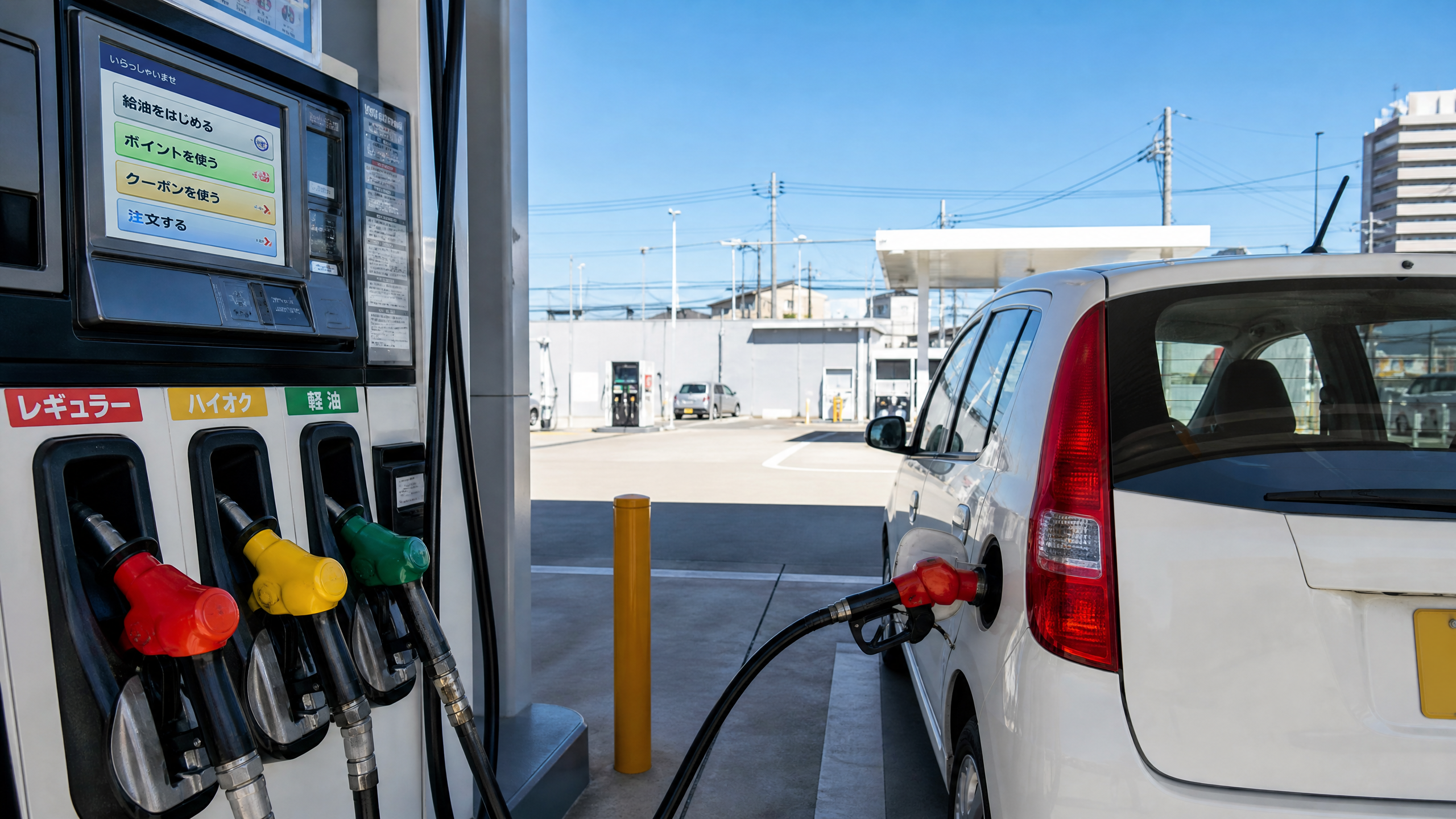
When renting a car in Japan, knowing how to navigate local gas stations is essential for a smooth road trip. Gas stations in Japan are divided into two main categories: full-service (manned) and self-service stations. Full-service stations are highly convenient for foreign visitors who may not be familiar with the local language or equipment. As you pull in, staff members will direct you to the correct pump, ask for your preferred fuel type and amount, and handle the entire refueling process. On the other hand, self-service gas stations are becoming increasingly common across the country. These stations require you to operate the touch screen terminal, select your fuel, and pump the gas yourself. While the terminals are usually in Japanese, they follow a standard color-coded system that makes them easy to use once you know the basics.
Identifying the Correct Fuel Type
Using the correct fuel is critical to avoid damaging your rental car's engine. In Japan, there are three main types of fuel available at all gas stations, and they are universally color-coded for easy identification. The most common fuel type for standard rental cars is "Regular" unleaded gasoline, which is always indicated by a red nozzle. If you are renting a luxury or sports vehicle, it might require "High-Octane" gasoline, marked with a yellow nozzle. Finally, diesel fuel, typically used for larger vans or specific SUV models, is indicated by a green nozzle. Before leaving the rental office, always confirm the required fuel type with the staff. Additionally, you can usually find a sticker indicating the correct fuel type on the inside of the car's fuel door.
How to Use a Self-Service Gas Station
Refueling at a self-service station is a straightforward process. First, pull up to the pump ensuring that your car's fuel door is on the correct side, and turn off the engine. Approach the touch screen terminal and press the start button. You will be prompted to select your payment method; you can choose between cash or a credit card. If you choose cash, insert your bills into the machine before proceeding. Next, select the fuel type (Red for Regular) and the amount you want to pump. If you are preparing to return your rental car, look for the "Full Tank" (満タン) button. After confirming your selection, open your car's fuel cap, remove the color-coded nozzle, and insert it into the fuel port. Squeeze the handle to start pumping; it will automatically stop when the tank is full or the specified amount is reached. Return the nozzle to the pump, and don't forget to collect your receipt and any change.
Important Rules for Returning Your Rental Car
The standard policy for most rental car companies in Japan is the "full tank return" rule. This means you must return the vehicle with a completely full tank of gas. It is highly recommended to refuel at a gas station located as close to the rental return location as possible, ideally within a few kilometers. When you return the car, the rental staff will check the fuel gauge. In many cases, they will also ask to see the receipt from your final refueling to verify that the gas was purchased recently and near the shop. Therefore, it is crucial to keep the receipt after you fill up. If you fail to return the car with a full tank, the rental company will calculate the missing fuel based on the distance driven and charge you a premium rate that is often higher than standard gas station prices.
Tips for a Hassle-Free Refueling Experience
To ensure a hassle-free experience, plan your refueling stops in advance, especially if you are driving in rural areas or mountainous regions like Hokkaido or the Japanese Alps, where gas stations can be sparse and may close early in the evening. In urban areas, you will find 24-hour self-service stations easily. If you encounter any issues at a self-service station, look for an intercom button on the pump to call for assistance; there is usually a staff member inside the office even at self-service locations. By understanding the fuel types, knowing how to operate the self-service terminals, and remembering the full tank return policy, you can enjoy your Japanese road trip with complete peace of mind.