

Japan Expressway Driving Guide: ETC Cards, Speed Limits and Service Areas
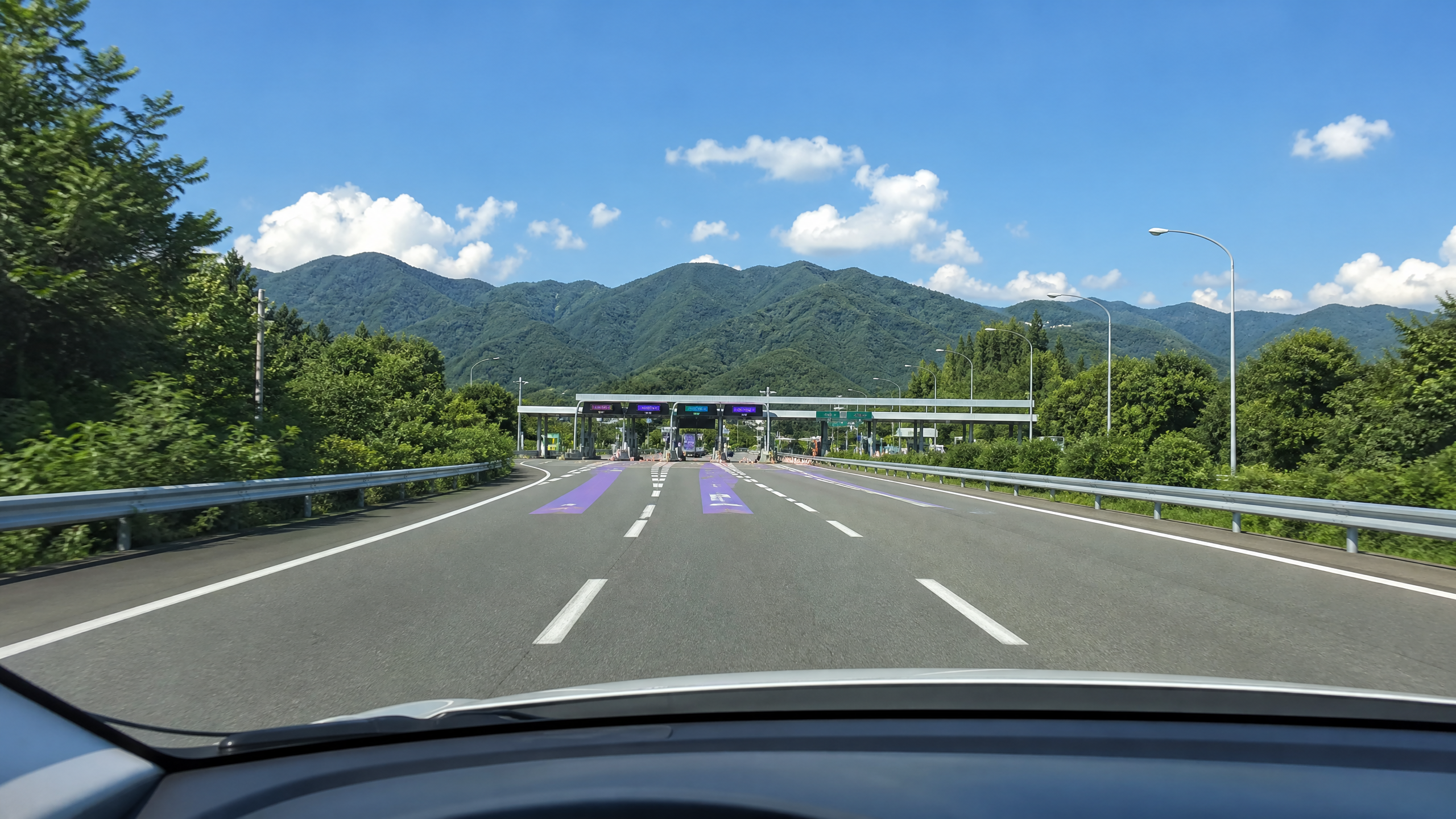
Why Japan's Expressways Are Worth Knowing Before You Drive
Renting a car in Japan opens up scenic routes and hidden destinations that public transport cannot reach. However, Japan's expressway network comes with rules and systems that differ from what drivers in other countries may expect. Understanding these before you hit the highway will save you time, money, and stress.
The ETC Card: Your Key to Smooth Toll Payments
Japan's expressways are toll roads, and the Electronic Toll Collection (ETC) system is the most efficient way to pay. When you rent a car, the vehicle will almost certainly have an ETC device installed in the dashboard. What you need to add is an ETC card, available as an optional rental item at most car rental counters. Request one when you book your vehicle.
Using the ETC system is straightforward. Insert the card into the in-car reader before driving, and the device will give an audible confirmation. When approaching a toll gate, look for the purple-coloured ETC lane rather than the green general lane. Slow down to 20 km/h or below as you pass through — the barrier lifts automatically if your card is valid. All toll charges are settled when you return the rental car.
The ETC card also unlocks time-based discounts. Driving between midnight and 4 a.m. qualifies for roughly 30% off on many expressways. Weekend and public holiday discounts are also available. For longer road trips, some rental companies offer regional Expressway Passes — such as the Hokkaido Expressway Pass or the Kyushu Expressway Pass — allowing unlimited expressway use within a specific region for a flat fee.
Speed Limits on Japanese Expressways
The standard speed limit on Japan's national expressways is 100 km/h for ordinary passenger cars, with a minimum of 50 km/h on the main lanes. However, not all high-speed roads share the same limit. Urban motorways such as the Tokyo Metropolitan Expressway are legally classified differently, and the default speed limit on these roads is 60 km/h unless a digital sign indicates otherwise. Many foreign drivers receive fines on the Tokyo Metropolitan Expressway by assuming the limit is 100 km/h. Always check posted signs.
Keep to the left lane for regular driving. The rightmost lane is a passing lane only — staying in it after overtaking is a traffic violation. Driving on the road shoulder is strictly prohibited except in genuine emergencies.
Service Areas and Parking Areas
Japan's expressways are well supplied with rest facilities. Service Areas (SA) are larger stops offering restaurants, convenience stores, gift shops, petrol stations, and clean restrooms open 24 hours. Parking Areas (PA) are smaller and may offer only restrooms and vending machines.
- Follow the green directional signs with a "P", coffee cup, or "i" symbol to find the next rest stop.
- Park in the correct bay for your vehicle type — trucks, buses, and motorcycles have designated areas.
- Refuel at SA petrol stations before long stretches with no service facilities. Running out of fuel on an expressway is a punishable offence in Japan.
What to Do If Your Car Breaks Down
If your car breaks down, move the vehicle to the road shoulder or an emergency bay if possible and turn on your hazard lights immediately. Place an emergency warning triangle at least 50 metres behind the vehicle — this is legally required on expressways. Do not remain inside the car. Exit through the left-side door and wait behind the guardrail, away from traffic. Emergency telephones are installed every kilometre along the expressway. You can also dial #9910 from your mobile phone.
Key Rules to Remember
- No U-turns or reversing on expressways. If you miss your exit, proceed to the next interchange and ask toll staff — they can arrange a legal U-turn route at no charge.
- Seatbelts are mandatory for all occupants at all times.
- Mobile phone use while driving is illegal and carries heavy fines.
- Vehicles with engine displacement of 125cc or below are not permitted on expressways.
Japan's expressways are among the safest in Asia. With the right preparation — particularly around the ETC card and speed rules — your highway driving experience will be smooth and genuinely enjoyable.