

Driving Japan: A Beginner’s Rental Guide + 5 Scenic Drives
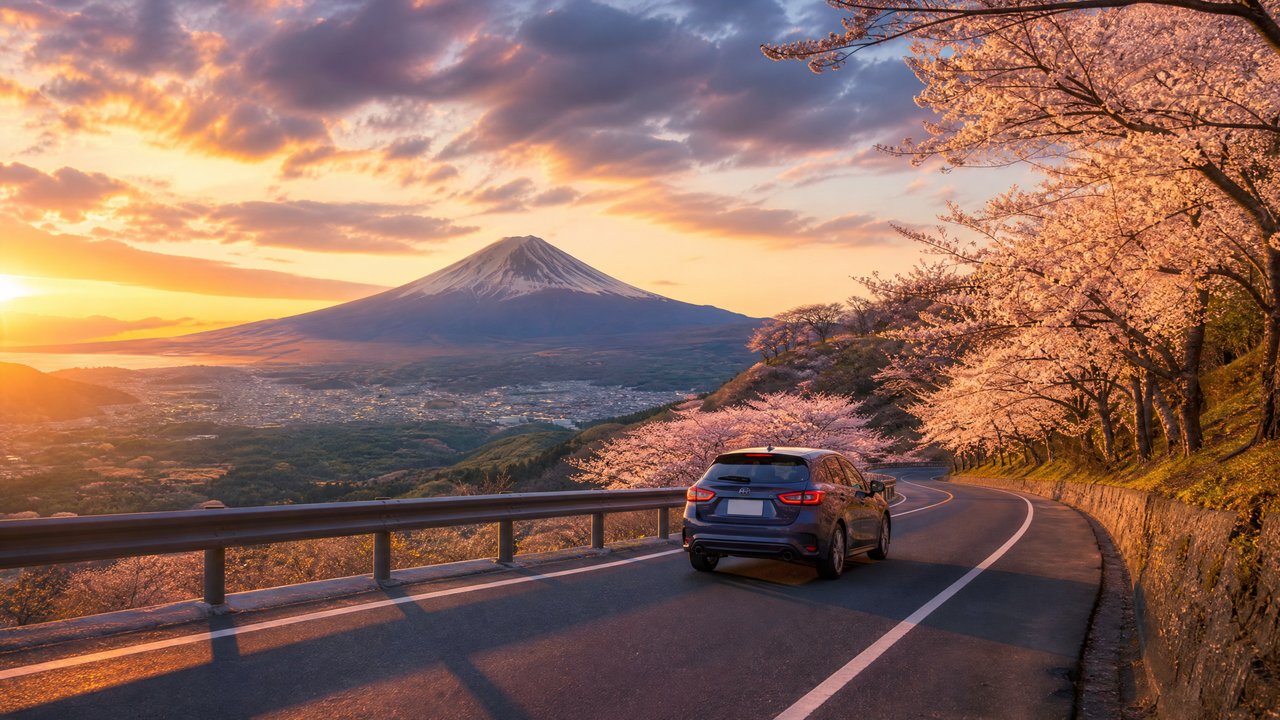
Why drive in Japan?
Japan’s trains are legendary, but a rental car unlocks places timetables can’t touch: flower-carpeted hills in Hokkaido, crater rims in Kyushu, and coastal switchbacks that spill into turquoise bays. With modern highways, excellent signage, and ultra-reliable rentals, self-driving is both practical and wildly rewarding—especially for families, photographers, and anyone craving slow-travel freedom.
What you need to rent and drive
- License and IDP: Most visitors need an International Driving Permit (IDP) under the 1949 Geneva Convention plus your home license. IDPs under the 1968 Vienna Convention are not accepted.
- Countries using translations: Drivers from Germany, France, Switzerland, Belgium, Monaco, and Taiwan typically use their domestic license with an official Japanese translation (from JAF or their embassy), not an IDP.
- Validity: You can drive for up to one year from your most recent entry to Japan (while your license/IDP remain valid). Long-term residents must obtain a Japanese license.
- Age and payment: Legal driving age is 18; many companies rent from 20–21. A credit card and passport are usually required.
- Child seats: Required for children under 6. Reserve in advance.
- Winter gear: In snowy regions (Hokkaido, Tohoku, Nagano), reserve studless tires or chains.
Rules and reciprocity can change. Confirm details with your rental company and the Japan Automobile Federation (JAF) before you go.
Booking and pickup tips
- Choose the right size: Streets and parking spots are narrow. Compact cars are stress-savers in cities; wagons or minivans work best for ski trips or family luggage.
- Automatic transmission: Almost all rentals are automatic—ideal for left-side driving.
- Navigation: Request English GPS or use smartphone navigation. Download offline maps for rural zones.
- ETC tolls: Ask for an ETC-enabled car and a rental ETC card. You’ll breeze through toll booths and pay afterward in one go.
- Airport pickup, city drop: Open-jaw rentals (e.g., Sapporo to Hakodate) are common; a one-way fee may apply but often saves hours.
- Fuel policy: Return full. Japan’s common grades are Regular (レギュラー) and High Octane (ハイオク).
On-the-road essentials
- Left-side driving: Keep left; overtake on the right. No general turn on red unless a green arrow permits.
- Speed limits: Urban roads 40–60 km/h; expressways 80–100 km/h (some sections up to 120). Cameras are common.
- Stop signs: The red triangular sign reads “止まれ” (tomare). Fully stop, then go.
- Parking: Use coin lots or hotel parking. Illegal street parking is strictly enforced.
- Service areas: Expressway SAs and PAs have spotless bathrooms, food courts, bakeries, and souvenir stalls—perfect for breaks.
- Etiquette: A quick hazard-flash says “thanks.” Be patient on narrow mountain roads and yield to buses in tourist areas.
- Wildlife and weather: Watch for deer in Hokkaido and fog on highland routes. In winter, check closures and carry warm layers.
Five unforgettable scenic drives
1) Hokkaido’s Niseko Panorama Line and Shakotan Blue
Curve through birch forests and rolling farms on the Niseko Panorama Line, then follow the Shakotan Peninsula where sea cliffs plunge into electric-blue coves. Summer brings wildflowers; autumn glows with larch. Great seafood stops pepper the coast.
2) Venus Line, Nagano
This highland ribbon skims above 1,500 m across the Yatsugatake foothills. Expect sweeping meadows, grazing dairy cows, and jaw-dropping views of the Japanese Alps. Sunrise and sunset transform the ridgelines into molten gold.
3) Bandai-Azuma Skyline, Fukushima
A volcano-sculpted road crossing surreal terrain: fumaroles, crater lakes, and pumice fields. It’s usually closed in deep winter; in spring, snow corridors loom over your hood, while fall foliage is spectacular.
4) Nikko Irohazaka, Tochigi
Two one-way roads coil up and down the mountains like dragon tails, counting 48 hairpins named for the Japanese syllabary. Pair it with Lake Chuzenji and Kegon Falls for a classic day of shrines and scenery.
5) Yamanami Highway and Aso Milk Road, Kyushu
Roll from steaming onsen towns in Oita into the vast caldera of Aso. Grasslands ripple in the wind; on clear days you’ll trace the rim of ancient volcanoes. Pack a picnic and linger at panoramic lay-bys.
Cost, safety, and smart savings
- Costs: Compact cars start around ¥6,000–¥9,000/day; add for one-way fees, insurance, ETC tolls, and child seats.
- Insurance: Choose full coverage to reduce liability. Confirm glass and tire protection if heading onto gravel viewpoints.
- Timing: Leave earlier than trains and tour buses to enjoy popular roads with lighter traffic.
- Plan B: Mountain routes may close due to weather. Save an alternate route in your GPS.
Renting a car in Japan is the ultimate freedom pass to onsen villages, sky-high plateaus, and coastlines where the map runs out. Pack curiosity, drive kindly, and take the scenic detour—you’ll talk about these roads for years.