

Renting a Car and Driving in Japan: Practical Tips for Tourists
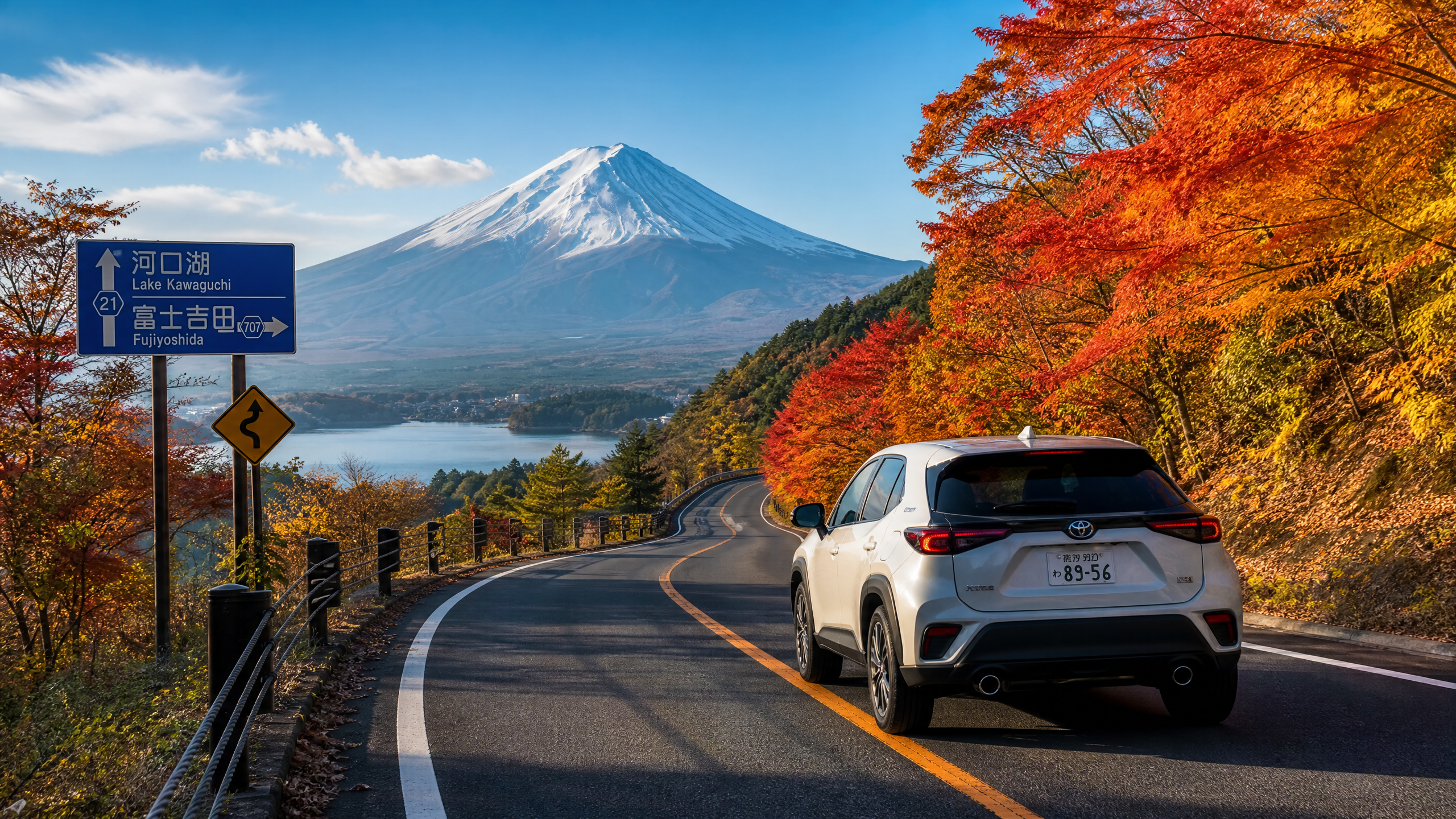
Why Renting a Car in Japan Can Be Worth It
Renting a car gives you freedom to explore Japan beyond train lines: coastal drives, mountain passes, and small towns where public transit is infrequent. With good planning you can reach onsen villages, roadside markets and remote scenic spots at your own pace. This guide covers the essentials—paperwork, tolls, safety, and scenic routes—so your self-drive trip runs smoothly.
Before You Go: License, Insurance, and Booking
- Driving permit: Most visitors need an International Driving Permit (IDP) issued under the 1949 Geneva Convention plus your home-country license. Rules vary by nationality—check with your embassy or the rental company in advance.
- Book early: Reserve vehicles and optional items (ETC card, child seat, winter tires) online, especially in peak seasons like Golden Week, cherry blossom time, and autumn foliage.
- Insurance: Basic coverage is standard; consider Collision Damage Waiver (CDW) and supplemental liability coverage for peace of mind.
Electronic Toll Collection (ETC)
Japan’s expressways are mostly tolled. ETC (Electronic Toll Collection) is the fastest and most convenient system: insert an ETC card into the onboard unit and use ETC lanes to pass toll gates without stopping. Most rental companies offer ETC cards for a small daily fee; they can also charge tolls to your rental contract or a credit card. If you don’t have ETC, use the cash/manual lanes—expect slower service and exact change or card at larger booths.
Highway and Road Rules to Know
- Drive on the left: Keep left; overtake on the right. This is the major adjustment for many foreign drivers.
- Speed limits: Expressways typically 80–100 km/h; urban roads 40–60 km/h. Watch signage in km/h and adjust for weather.
- Seat belts & phones: Seat belts required for all passengers. Hands-free only for calls; cellphone use while driving is illegal.
- Alcohol: Japan has very strict drunk-driving laws; even trace amounts can cause arrest. Don’t drink if you’ll drive.
- Accidents: Call 110 for police, 119 for ambulance/fire. Do not move injured people unless necessary; exchange information and contact the rental company and your insurer.
Parking, Fuel, and Navigation
- Parking: Use coin-operated lots, multi-storey garages, or parking at roadside stations (Michi-no-Eki). Illegally parked cars are frequently towed and fined.
- Fuel: Fuel types are labeled in Japanese: レギュラー (regular), ハイオク (premium), 軽油 (diesel). Many stations accept credit cards; carry cash in rural areas.
- Navigation: Rental cars often include Japanese car nav systems—ask for English settings, or bring your phone with Google Maps and a local SIM or portable Wi‑Fi. NAVITIME and JAF apps are useful for route planning and emergency help.
Seasonal and Safety Tips
In winter, many northern and mountainous roads require studless tires or chains—book these in advance. Watch for narrow rural roads, sharp turns and agricultural vehicles. In wildlife regions (Hokkaido, Tohoku), be alert for deer and boars at dawn and dusk. Rest frequently on long drives; expressway Service Areas (SA) and Parking Areas (PA) are clean, well-equipped stops.
Top Scenic Drives to Consider
- Shimanami Kaido: A stunning island-hopping route between Honshu and Shikoku with bike paths and ocean views.
- Izu Peninsula & Hakone: Coastal cliffs, hot springs and dramatic views of Mount Fuji.
- Noto Peninsula: Rugged coastline, rice terraces and quiet fishing towns.
- Hokkaido’s Furano–Biei: Wide open roads, rolling fields and flower farms (best in summer).
- Kyushu’s Aso & Yufuin: Volcanic landscapes, onsen towns and winding mountain roads.
Final Checklist
Bring your passport, driving license and IDP, confirm ETC and insurance options, book seasonal tires if needed, and download offline maps. With preparation and cautious driving, renting a car in Japan unlocks many experiences trains can’t reach—enjoy the ride and respect local traffic rules and customs.