

Top 5 Scenic Drives in Japan: A Guide for Renting a Car
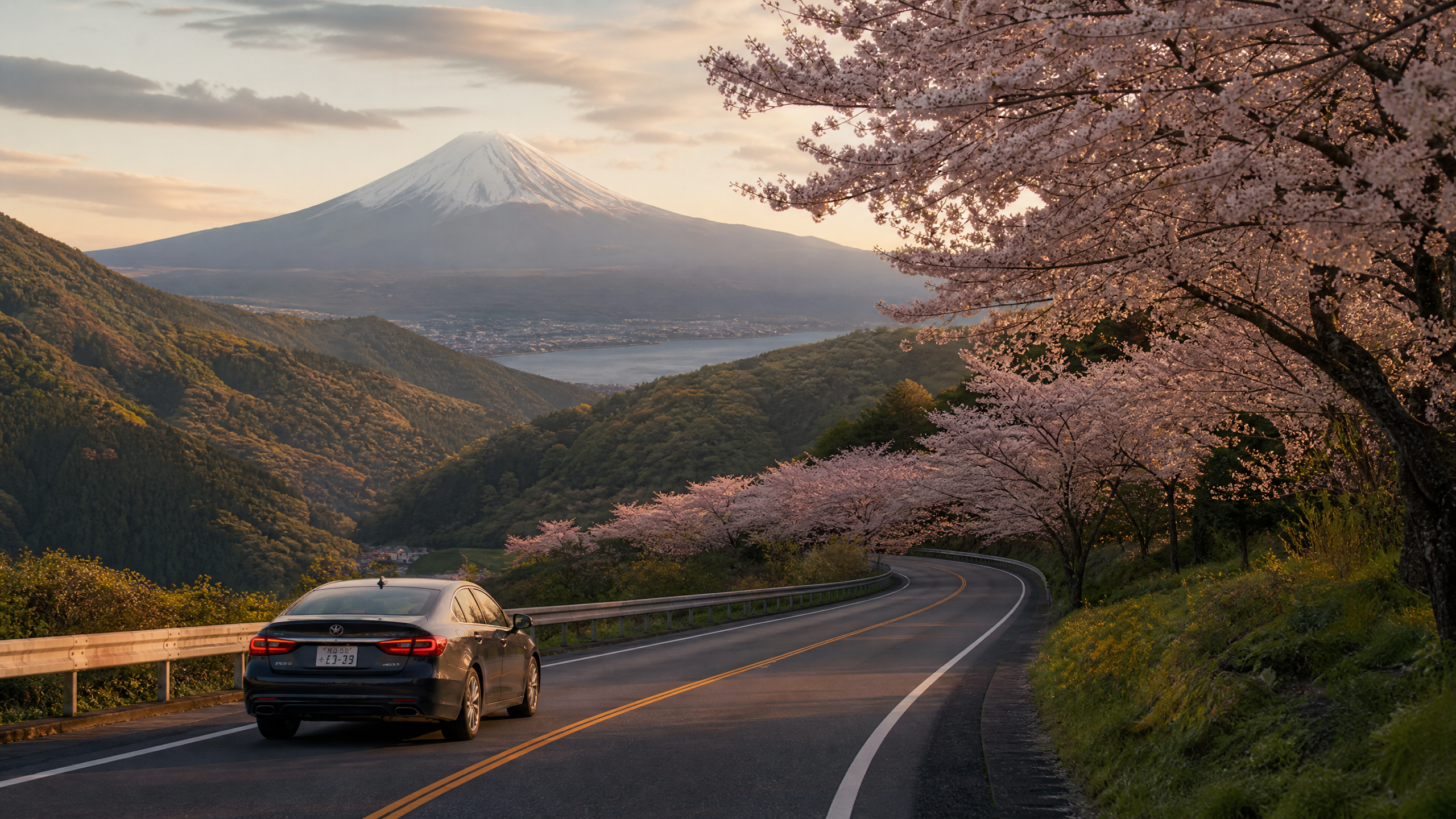
Top 5 Scenic Drives in Japan: A Guide for Renting a Car
Japan rewards drivers with roads that weave through volcanic highlands, rugged coasts, alpine meadows, and emerald gorges. If you’re comfortable behind the wheel, renting a car unlocks places trains and buses can’t easily reach—and lets you stop anywhere that catches your eye. Below are five unforgettable routes, plus practical tips to make your road trip smooth, safe, and fun.
1) Hokkaido’s Furano–Biei Panorama Roads
In central Hokkaido, gentle hills ripple with patchwork farmland and flower fields. Base yourself in Furano or Biei and link “Panorama Road” and “Patchwork Road” with Route 237. The loop is flexible—expect 60–90 km over a half-day with photo stops.
- Highlights: Lavender at Farm Tomita (summer), rolling “patchwork” fields, Shikisai-no-Oka gardens, Blue Pond (Aoiike).
- Best time: June–September for blooms; October for foliage. Winters bring stark, beautiful snowscapes but require snow tires and caution.
- Tips: Fuel up in town; rural stations close early. Watch for tractors, cyclists, and wildlife at dawn and dusk.
2) Noto Peninsula Coast and Chirihama Beach (Ishikawa)
The Noto Peninsula offers fishing hamlets, terraced paddies, and craggy sea cliffs. Drive Route 249 along the coast and detour to Chirihama Nagisa Driveway, an 8 km stretch where you can drive on hard-packed sand when conditions permit.
- Highlights: Shiroyone Senmaida rice terraces, Ganmon rock arch, salt farms, coastal onsens.
- Best time: Spring to autumn for milder weather and longer daylight.
- Tips: The beach drive may close after storms or high surf—obey local signage. Expect narrow lanes through villages; take it slow.
3) Bandai–Azuma Skyline (Fukushima)
This highland route climbs into volcanic terrain between Fukushima City and the Urabandai area. The Skyline itself is roughly 29 km of summit views, steaming vents, and alpine twists; combine it with the Bandai–Azuma Lake Line for a fuller loop.
- Highlights: Jododaira plateau, crater views, mirror-like lakes in Urabandai.
- Best time: Late April/May to November; the road typically closes in winter due to snow.
- Tips: Weather changes fast—pack layers. Use low gear on descents to spare your brakes, and stop at viewpoints to enjoy the scenery safely.
4) Iya Valley and Oboke–Koboke Gorge (Shikoku)
Deep in Tokushima Prefecture, the Iya Valley rewards confident drivers with switchbacks, vine bridges, and misty ravines. Follow Routes 32, 45, and 439 for a 70–100 km day of slow, spectacular driving.
- Highlights: Kazurabashi vine bridge, Oku-Iya double vine bridges, Oboke Gorge riverboats, mountain hamlets.
- Best time: Spring and autumn for clear views; summer is lush; winter can bring ice in shaded sections.
- Tips: Roads are narrow with frequent blind corners—use mirrors and pull-outs. Avoid oversized vehicles if you’re new to left-side mountain driving.
5) Yamanami Highway: Yufuin to Aso (Kyushu)
One of Kyushu’s best-loved drives, the Yamanami Highway (Prefectural Route 11) strings together grasslands, hot-spring towns, and the Aso caldera. The core stretch runs about 50–60 km, but you’ll want time for viewpoints and onsen stops.
- Highlights: Yufuin and Kurokawa Onsen, Kuju Highlands, sweeping views of Mt. Aso’s crater rims.
- Best time: Year-round. Spring brings fresh greens; autumn offers golden pampas grass; winter mornings can be misty.
- Tips: Fog is common—use headlights and keep distance. Check volcano alerts for Aso-area closures before detouring to crater viewpoints.
Renting a Car in Japan: Quick Essentials
Licensing and paperwork
- Bring your passport, your home-country license, and an International Driving Permit based on the 1949 Geneva Convention. Drivers from Switzerland, Germany, France, Belgium, Monaco, and Taiwan typically need an official Japanese translation instead of an IDP—confirm current rules before travel.
- Minimum driving age is 18, but some rental companies set higher age or license-duration requirements.
- Children under 6 must use a child seat; request one when booking.
Tolls, navigation, and fueling
- Expressways are tolled. Rent an ETC card with your car to use dedicated lanes and access discounts; tolls are charged to your card after return.
- Speed limits: usually 40–60 km/h in towns and 80–100 km/h on expressways—always follow posted signs and slow for tunnels and curves.
- Navigation: Ask for an English GPS or use CarPlay/Android Auto. In rural Japan, “Mapcodes” help pinpoint attractions.
- Fuel: Regular (レギュラー), High Octane/Premium (ハイオク), and Diesel (軽油). Most stations are self-service; pay by card or cash at the pump or kiosk.
On the road
- Drive on the left. Keep left except when overtaking; no right turn on red.
- Parking is regulated. Use coin lots, convenience stores (with permission), and michi-no-eki roadside stations.
- Seasonal prep: Winter in Hokkaido/Tohoku demands snow tires and gentle inputs. Mountain roads may close—check prefectural advisories.
- Rest often. Service Areas and Parking Areas on expressways have food, fuel, and spotless facilities.
With the right documents and a little planning, Japan’s roads unfold into one continuous viewpoint. Pick a region that fits your season, rent a compact car with ETC and navigation, and let the curves lead you from one unplanned stop to the next.