

A Beginner's Guide to Renting a Car in Japan: Freedom on the Road
Why Rent a Car in Japan?
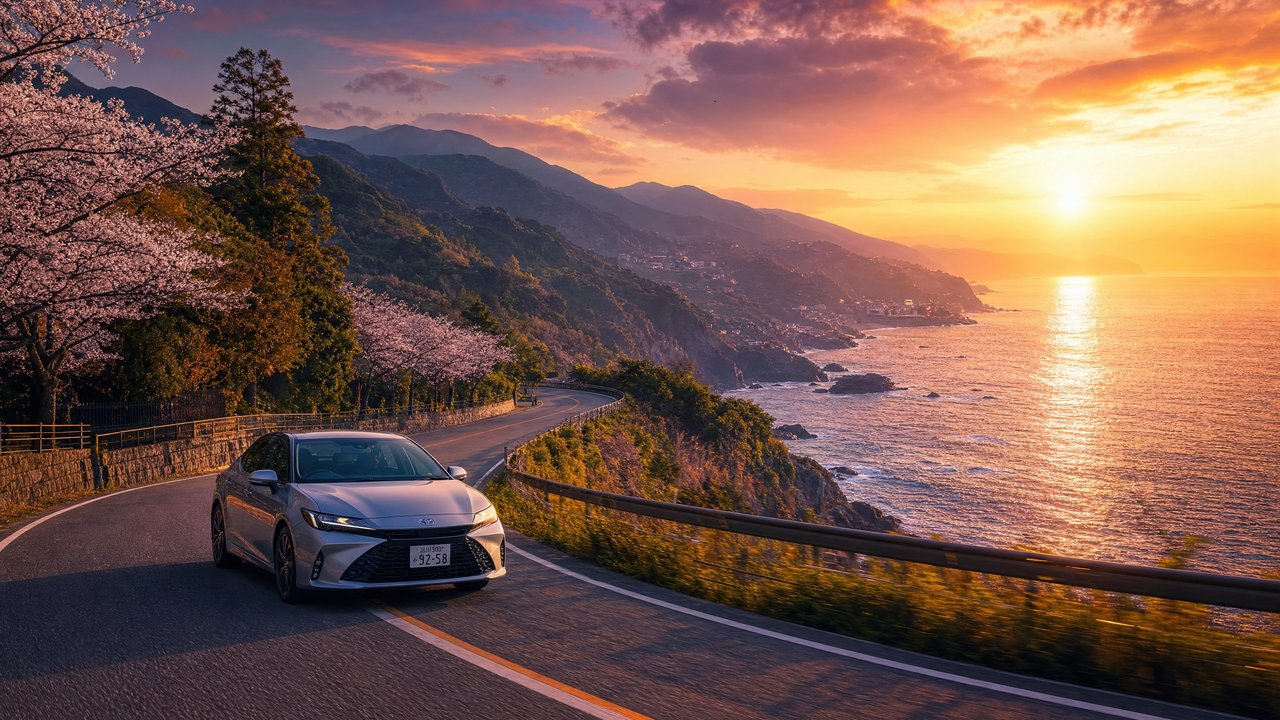
While Japan boasts one of the most efficient public transportation systems in the world, renting a car offers an unparalleled sense of freedom. It allows you to explore off-the-beaten-path destinations, scenic countryside routes, and hidden gems that trains and buses simply cannot reach. Whether you are planning to cruise through the lavender fields of Hokkaido or navigate the coastal roads of Okinawa, a rental car is your key to a unique Japanese adventure.
Requirements for Renting a Car
Before you hit the road, ensure you have the necessary documentation. You will need a valid driver's license from your home country, a passport, and, crucially, an International Driving Permit (IDP). The IDP must be obtained in your home country before your arrival in Japan. Note that travelers from certain countries (like France, Germany, Switzerland, Italy, Belgium, and Taiwan) need an official Japanese translation of their license instead of an IDP.
Navigating the Roads
Driving in Japan is generally safe and orderly. Remember that traffic drives on the left side of the road, and the steering wheel is on the right side of the car. Speed limits are strictly enforced, typically ranging from 40 km/h in urban areas to 80-100 km/h on expressways. Road signs are usually bilingual (Japanese and English), making navigation easier for international visitors. Most rental cars come equipped with GPS navigation systems that can be set to English; simply input the phone number or map code of your destination.
Expressways and Tolls
Japan's expressways are well-maintained and efficient, but they come with toll fees. When renting a car, it is highly recommended to rent an ETC (Electronic Toll Collection) card. This card allows you to pass through toll gates seamlessly without stopping to pay with cash or credit card. The rental company will tally up your toll fees when you return the vehicle.
Parking in Japan
Finding parking in major cities like Tokyo or Osaka can be challenging and expensive. However, in rural areas, parking is generally abundant and often free. Look for coin parking lots, which are ubiquitous. Make sure you understand the pricing structure, as some lots have a maximum daily rate while others charge strictly by the hour.