

Renting a Car and Driving in Japan: Practical Tips for First-Timers
Renting a Car and Driving in Japan: Practical Tips for First-Timers
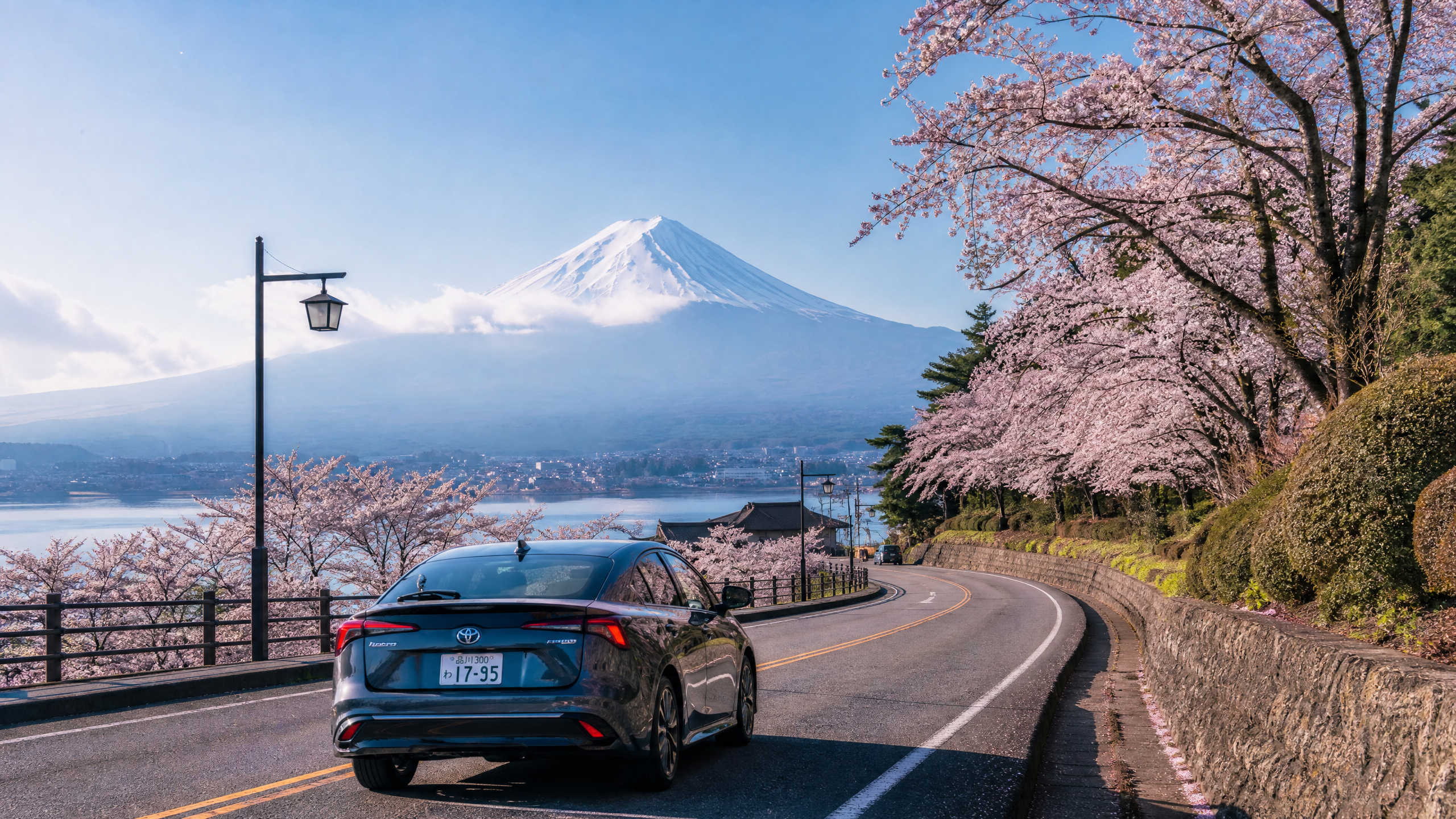
Driving in Japan can unlock remote temples, coastal roads and mountain villages that trains and buses miss. For travelers who love flexibility, renting a car is one of the best ways to explore beyond the major cities. Below are practical tips and cultural cues to help you rent confidently, drive safely and enjoy the journey.
Before You Go: Licenses, Insurance and Reservations
- License requirements: Most visitors must carry an International Driving Permit (IDP) issued under the 1949 Geneva Convention, issued before you depart your home country. Some countries also accept a certified Japanese translation of the domestic license—check current rules with your embassy or rental company.
- Age and documents: Rental companies usually require drivers to be at least 18–21 years old, a valid passport, a credit card for the deposit, and the IDP plus your home license.
- Insurance and waivers: Basic insurance is included, but consider purchasing a Collision Damage Waiver (CDW) or supplemental coverage to reduce your out-of-pocket liability. Read the policy carefully for excess amounts and exclusions.
- Reserve in advance: Japan’s peak travel seasons (cherry blossom, Golden Week, Obon, autumn foliage) sell out quickly. Reserve a car and any child seats or ETC toll devices in advance.
Choosing a Car and Add-Ons
- Size matters: Narrow streets and compact parking in cities favor small cars or kei cars. If you’re traveling on mountainous roads or with a lot of luggage, opt for something a bit larger.
- Automatic transmissions are standard—manuals are rare in rental fleets.
- Navigation: Ask for an English-friendly GPS or confirm the in-car nav supports Romanized place names. Many travelers use smartphone apps, but an in-car GPS helps in rural areas with limited signal.
- ETC card: Electronic Toll Collection (ETC) cards make toll roads faster. Renters can usually add an ETC device for a small fee and pay tolls conveniently.
On the Road: Rules and Driving Culture
- Drive on the left: Japan drives on the left-hand side. This affects roundabouts, turns and lane positioning—take time to orient yourself before hitting faster roads.
- Speed limits: Typical limits are 100 km/h on expressways and 40–60 km/h on regular roads, but signs vary—always follow posted limits.
- Seat belts and children: Seat belts are mandatory for all passengers. Child seats are required for young children—bring or rent one.
- No drinking and driving: Japan enforces strict DUI laws. Penalties are severe for drivers and even passengers who aided the driver—don’t take the risk.
- Politeness and flow: Japanese driving emphasizes courtesy. Use your indicators, avoid aggressive maneuvers and don’t honk needlessly. When meeting narrow stretches, use designated passing spots or let the car with more room go first.
Practical Tips: Toll Roads, Parking and Fuel
- Toll roads: Expressways save time but cost money. ETC is convenient; otherwise, pay cash or card at toll booths.
- Parking: City parking is expensive. Look for coin-operated lots and don’t park illegally—fines and towing are common. Many tourist spots have paid lots or municipal parking.
- Rest areas: Service areas (SA) and parking areas (PA) on highways are excellent for snacks, clean restrooms and local specialties—use them to break long drives.
- Fuel: Most stations accept credit cards; self-service is common. Note fuel types and fill up in rural areas where stations are sparse.
Weather, Roads and Safety
- Winter conditions: In snowy regions, request winter tires or chains. Mountain roads can be treacherous in winter.
- Narrow roads and tunnels: In rural areas expect tight two-way roads. Slow down and use pull-outs to let others pass.
- Emergencies: Keep your rental company’s emergency number handy. Have offline maps and a local SIM or portable Wi-Fi for communication.
Final Notes
Renting a car in Japan opens up hidden corners that public transit can’t reach. With the right preparation—valid documentation, proper insurance, an understanding of local rules and a respectful mindset—you’ll find driving here to be a rewarding and efficient way to explore. Take it slow, enjoy the scenery, and stop at those roadside gems you’d otherwise miss.
Safe travels and happy driving!