

The Ultimate Guide to Renting a Car in Japan: Tips, Rules, and Best Routes
The Ultimate Guide to Renting a Car in Japan
Renting a car in Japan opens up a world beyond trains and buses — remote coastlines, mountain passes, and rural towns that reward slow travel. This guide covers what you need to rent, driving rules, practical tips, and some of the best driving routes so you can plan a safe, smooth road trip.
Before You Rent
- License requirements: Most visitors need an International Driving Permit (IDP) based on the 1949 Geneva Convention plus your home-country driving license. Regulations vary by country — check with your local motoring authority or the rental company well before departure.
- Reservations: Reserve early in high season (cherry blossom, Golden Week, autumn). If you need an English GPS or an ETC (electronic toll) card, request it at booking.
- Insurance: Standard rental insurance usually includes basic liability; consider adding Collision Damage Waiver (CDW) and roadside assistance. Confirm excess amounts and what your credit card covers.
- Winter driving: If you travel in snow-prone areas (Hokkaido, Tohoku, Japanese Alps), rent winter tires or chains. Some areas require snow tires by law in winters.
Key Driving Rules & Etiquette
- Drive on the left: Japan drives on the left-hand side. Familiarize yourself with roundabouts, junctions, and lane layout before leaving the lot.
- Seatbelts & child seats: Seatbelts are mandatory for all passengers. Child seats are required for young children; rental companies can supply them.
- Speed limits: Typical limits are 40–50 km/h in cities, 50–60 km/h on rural roads, and 80–100 km/h on expressways. Always obey posted signs.
- Zero tolerance for drink-driving: Japan enforces strict rules — don’t drive after drinking.
- Stop signs and signals: The red inverted triangle is a full stop. Respect pedestrians and cyclists; many streets are narrow.
Money, Tolls & Parking
Japan’s expressways use tolls. The ETC card (electronic toll collection) lets you use dedicated lanes and often provides discounts; you can rent an ETC card with the car. Pay close attention to parking — coin lots, hourly parking, and parking garages are common in towns. In rural areas, parking may be free at roadside rest stops (Michi-no-Eki).
Navigation & Communication
English-language GPS is common with rental cars, but Japanese addresses can be tricky. Use Google Maps or a navigation app and input landmark names when possible. Many rental counters offer support in English; also keep the rental company’s emergency number and your insurance documents handy.
Safety & Assistance
- Emergency numbers: 110 for police, 119 for fire/ambulance. For breakdowns, contact your rental company first; Japan Automobile Federation (JAF) offers roadside assistance nationwide.
- Fuel: Most stations are full-service; diesel and regular gasoline are available. Fuel is priced per liter — refill before remote stretches.
Best Driving Routes
- Hokkaido Scenic Loop: Sapporo → Furano/Biei → Daisetsuzan → Shiretoko for vast landscapes and seasonal flowers.
- Tohoku & Sanriku Coast: Aomori → Hirosaki → Lake Towada → coastal drives with fewer crowds and great seafood.
- Hokuriku & Noto Peninsula: Kanazawa → Noto’s rugged coastline and rural towns.
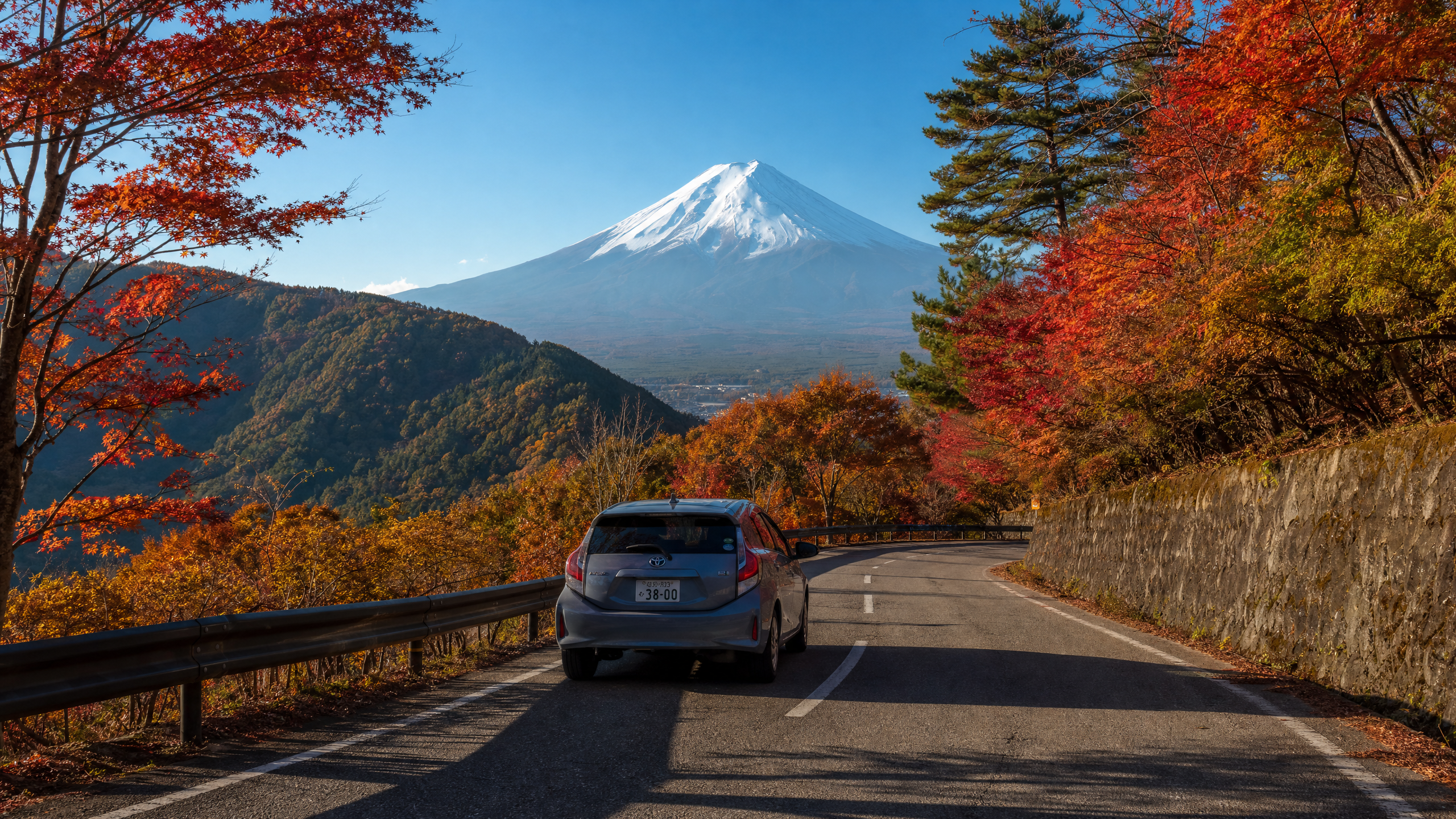
- Fuji & Five Lakes / Hakone: Easy access from Tokyo for views of Mt. Fuji and hot-spring towns.
- Shikoku & Kii Peninsula: Temple routes, coastal roads and the Kumano Kodo pilgrimage trails.
- Okinawa Island: Best explored by car — beaches, caves, and local culture at your own pace.
Final Tips
Plan fuel stops in rural areas, keep documents accessible, and allow extra time for narrow roads and sightseeing. Renting a car in Japan rewards planners with access to hidden gems — take it slow, respect local rules, and enjoy the scenery.