

Japan Rental Cars: A Safer Michi-no-Eki Stop Plan
Why put Michi-no-Eki on a self-drive plan?
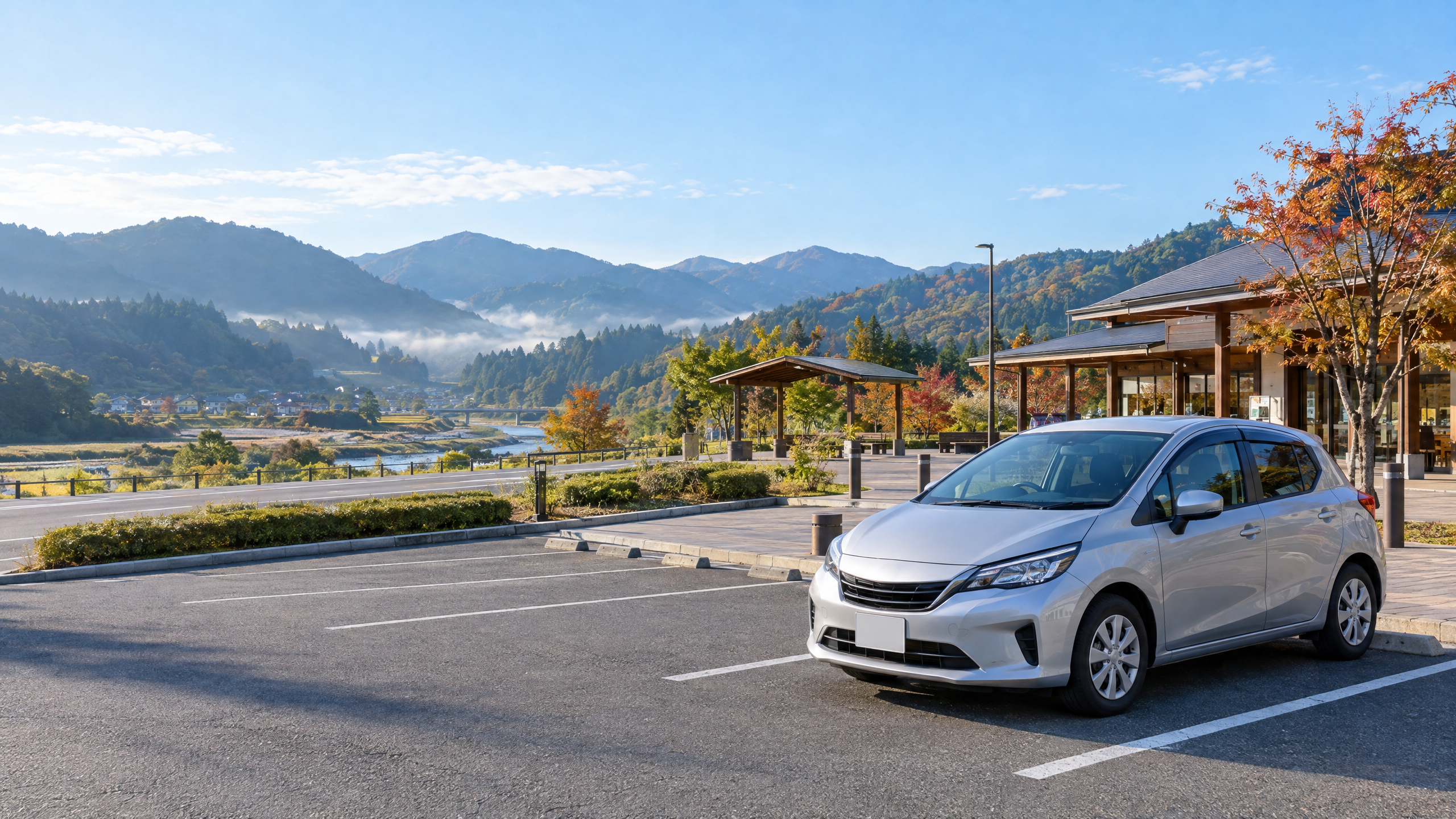
A rental-car trip in Japan is more enjoyable when a break is part of the route rather than a last-minute reaction to tiredness. Michi-no-Eki are roadside stations found in many towns and cities. The Japan National Tourism Organization describes them as places where travellers can rest and find information about local culture, history, sights and specialties. That makes them useful waypoints for a calm drive, especially when you are travelling through unfamiliar areas.
Think of a Michi-no-Eki as a planned pause, not as a promise of identical services everywhere. A particular station may have parking, toilets, local information, shops or food, but facilities and opening times vary. Check the station’s own information before relying on a meal, a specific shop or a service. The safe habit is simple: decide where to stop, then keep a practical backup in mind.
Choose the stop before the day begins
Add one or two possible roadside-station breaks to your route while you still have reliable internet and time to think. Place them between major destinations instead of waiting until everyone is already hungry or fatigued. A passenger can save the location in the navigation system, note its name and check the next part of the route. This reduces rushed decisions near entrances, junctions or busy car parks.
- Choose a stop that suits the day’s realistic driving distance, not an ambitious timetable.
- Keep enough fuel and time to continue if the station is crowded or not open when you arrive.
- Discuss the stop with all passengers, including where everyone will meet after using the facilities.
Approach and park with the same care as any unfamiliar place
Slow down early and follow on-site signs, lane markings and staff directions. Do not make a sudden turn across traffic because you noticed a sign too late; continue safely and use the next opportunity to turn around if needed. Japan drives on the left, so take extra time to confirm the correct entry and exit flow when you are new to the road system.
In the car park, move at walking pace and expect people to step out from between vehicles. Watch for families, older visitors, cyclists and delivery activity. Park only in a suitable marked space, leave room for adjacent vehicles, and secure the car before walking away. Keep valuables out of sight rather than turning a brief rest into an avoidable problem.
Use the break to reset the driver, not only the schedule
A few unhurried minutes can improve the next hour of driving. Use the restroom, drink water, stretch and let the driver rest their eyes before returning to the road. If you have been relying on a navigation screen, review the next destination while parked. The Japan Automobile Federation notes that drivers must not use a cell phone or be distracted by the navigation system while driving, so route changes belong in a safe parking space or with a passenger.
Roadside stations can also help you make better local choices. Tourist information, maps and displays may point to nearby sights, seasonal products or practical road-trip ideas. Treat this information as an invitation to plan, not a reason to squeeze an extra detour into a tired day. Check distance, parking conditions and daylight before changing the route.
Make departure deliberate
Before leaving, settle passengers, bags and the next navigation instruction. Check mirrors, look around the vehicle and rejoin the road calmly. The passing lane, car park exit or first junction is not the moment to search for a phone, programme a destination or debate the itinerary. If the group needs another decision, stop again safely.
Michi-no-Eki can turn a long self-drive day into a sequence of manageable stages. By planning the stop, parking patiently, resting properly and setting the next route before moving, you give everyone in the rental car more attention for the road ahead—and more room to enjoy the places in between.