日元

Blog

なぜ日本で運転するのか?

列車王国の日本でも、レンタカーは旅の自由度を一気に高めます。北海道の丘陵、火口縁をなぞる九州、エメラルドの入江へ落ち込む海岸道路——時刻表では届かない景色に出会えるのが自走旅の醍醐味。道路は整備され標識も分かりやすく、レンタカーの信頼性も高いので、家族旅行や写真旅、ゆっくり巡るローカル旅に最適です。

レンタル・運転に必要なもの

  • 免許とIDP:多くの渡航者は1949年ジュネーブ条約に基づく国際運転免許証(IDP)と自国免許が必要。1968年ウィーン条約のIDPは不可。
  • 翻訳で運転できる国:ドイツ、フランス、スイス、ベルギー、モナコ、台湾などは、IDPではなく自国免許+日本語翻訳文(JAFまたは在日大使館発行)での運転が一般的。
  • 有効期間:最新の入国日から最長1年間(かつ免許・IDPの有効期限内)運転可能。長期滞在者は日本の免許が必要。
  • 年齢・支払い:運転可能年齢は18歳。多くの会社は20~21歳以上から貸出。クレジットカードとパスポート必須が一般的。
  • チャイルドシート:6歳未満は装着義務。必ず事前予約を。
  • 冬装備:北海道・東北・長野などの積雪地ではスタッドレスタイヤやチェーンを予約。

制度は変わることがあります。出発前に必ずレンタカー会社とJAF(日本自動車連盟)の最新情報を確認してください。

予約・受け取りのコツ

  • サイズ選び:市街地や駐車枠は狭め。都市はコンパクト、家族・スキーはワゴン/ミニバンが快適。
  • ATが主流:日本は左側通行。AT車なら初めてでも安心。
  • ナビ設定:英語対応カーナビを指定、またはスマホ地図をオフライン保存。地方は電波が弱い場所も。
  • ETC活用:ETC車載器付き+ETCカードをレンタルすれば料金所がスムーズ。清算も一括で楽。
  • 空港IN・街OUT:例えば新千歳受け取り→函館返却など片道返却が便利(手数料あり)。時間節約に有効。
  • 給油ルール:満タン返しが基本。レギュラー(レギュラー)とハイオク(ハイオク)を間違えないように。

道路での基本マナーと実務

  • 左側通行:追い越しは右。青矢印がない限り赤信号での左折可はありません。
  • 速度目安:一般道40~60km/h、高速80~100km/h(一部120)。オービスや取締りは頻繁。
  • 止まれ標識:赤い逆三角形に「止まれ」。必ず一時停止。
  • 駐車:コインパーキングやホテル駐車場を利用。路上駐車の取締りは厳格。
  • SA・PA:高速のサービスエリア/パーキングエリアは清潔なトイレと充実のフードコートが魅力。休憩計画に。
  • エチケット:軽いハザードで「ありがとう」。山道は譲り合い、観光地はバス優先に配慮。
  • 野生動物・天候:北海道はシカ注意。高原は濃霧あり。冬季は通行止めに留意し、防寒を携行。

一度は走りたい絶景ドライブ5選

1)北海道・ニセコパノラマライン+積丹ブルー

白樺林と牧草地を抜けるニセコの名道から、断崖が群青の入江へ落ちる積丹半島へ。夏は高原の花、秋は黄金色のカラマツが彩り、海沿いには海鮮の名店が点在。

2)長野・ビーナスライン

標高1,500m超の高原を走り、牧草地と八ヶ岳・北アルプスの大展望を一望。朝夕は稜線が金色に染まり、雲海のチャンスも。

3)福島・磐梯吾妻スカイライン

火山地形の只中を貫く山岳道路。噴気地帯や火口湖、荒涼とした溶岩原が続きます。冬季閉鎖あり。春は雪の回廊、秋は紅葉が圧巻。

4)栃木・日光いろは坂

日本の「いろは」に由来する48の急カーブを持つ一方通行の登り下り。中禅寺湖や華厳ノ滝と組み合わせれば、社寺と自然の王道コースに。

5)九州・やまなみハイウェイ+阿蘇ミルクロード

湯けむり立つ大分の温泉郷から、巨大な阿蘇カルデラへ。草原が風に波打ち、晴天時は古火山の輪郭を走る絶景。展望駐車帯でピクニックを。

費用・安全・お得ワザ

  • 目安費用:コンパクトで1日¥6,000~¥9,000前後+片道返却、保険、ETC通行料、チャイルドシートなど。
  • 保険:免責ゼロなどのフルカバーを推奨。砂利道ビューポイントに行くならガラス・タイヤ補償も確認。
  • 混雑回避:人気道は朝出発で快走&駐車確保。観光バスの前に動くのがコツ。
  • 代替ルート:山岳道路は急な通行止めも。予備ルートをナビに保存しておくと安心。

レンタカーがあれば、温泉郷、高原の空、地図の端にある海辺の村まで、あなたの時間で旅できます。思いやり運転と少しの好奇心を積んで、日本の道で忘れられない景色に出会いましょう。

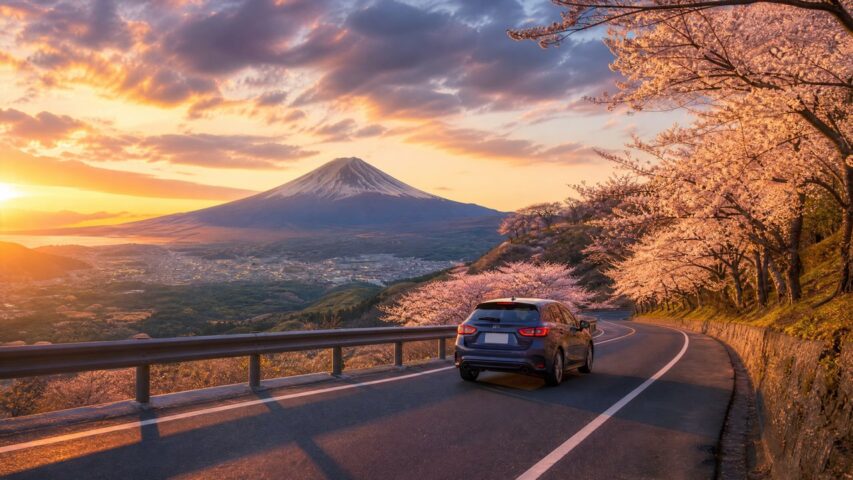
Sunset over Mount Fuji with blooming cherry blossoms along a winding mountain road and a car driving away from the viewer

Why drive in Japan?

Japan’s trains are legendary, but a rental car unlocks places timetables can’t touch: flower-carpeted hills in Hokkaido, crater rims in Kyushu, and coastal switchbacks that spill into turquoise bays. With modern highways, excellent signage, and ultra-reliable rentals, self-driving is both practical and wildly rewarding—especially for families, photographers, and anyone craving slow-travel freedom.

What you need to rent and drive

  • License and IDP: Most visitors need an International Driving Permit (IDP) under the 1949 Geneva Convention plus your home license. IDPs under the 1968 Vienna Convention are not accepted.
  • Countries using translations: Drivers from Germany, France, Switzerland, Belgium, Monaco, and Taiwan typically use their domestic license with an official Japanese translation (from JAF or their embassy), not an IDP.
  • Validity: You can drive for up to one year from your most recent entry to Japan (while your license/IDP remain valid). Long-term residents must obtain a Japanese license.
  • Age and payment: Legal driving age is 18; many companies rent from 20–21. A credit card and passport are usually required.
  • Child seats: Required for children under 6. Reserve in advance.
  • Winter gear: In snowy regions (Hokkaido, Tohoku, Nagano), reserve studless tires or chains.

Rules and reciprocity can change. Confirm details with your rental company and the Japan Automobile Federation (JAF) before you go.

Booking and pickup tips

  • Choose the right size: Streets and parking spots are narrow. Compact cars are stress-savers in cities; wagons or minivans work best for ski trips or family luggage.
  • Automatic transmission: Almost all rentals are automatic—ideal for left-side driving.
  • Navigation: Request English GPS or use smartphone navigation. Download offline maps for rural zones.
  • ETC tolls: Ask for an ETC-enabled car and a rental ETC card. You’ll breeze through toll booths and pay afterward in one go.
  • Airport pickup, city drop: Open-jaw rentals (e.g., Sapporo to Hakodate) are common; a one-way fee may apply but often saves hours.
  • Fuel policy: Return full. Japan’s common grades are Regular (レギュラー) and High Octane (ハイオク).

On-the-road essentials

  • Left-side driving: Keep left; overtake on the right. No general turn on red unless a green arrow permits.
  • Speed limits: Urban roads 40–60 km/h; expressways 80–100 km/h (some sections up to 120). Cameras are common.
  • Stop signs: The red triangular sign reads “止まれ” (tomare). Fully stop, then go.
  • Parking: Use coin lots or hotel parking. Illegal street parking is strictly enforced.
  • Service areas: Expressway SAs and PAs have spotless bathrooms, food courts, bakeries, and souvenir stalls—perfect for breaks.
  • Etiquette: A quick hazard-flash says “thanks.” Be patient on narrow mountain roads and yield to buses in tourist areas.
  • Wildlife and weather: Watch for deer in Hokkaido and fog on highland routes. In winter, check closures and carry warm layers.

Five unforgettable scenic drives

1) Hokkaido’s Niseko Panorama Line and Shakotan Blue

Curve through birch forests and rolling farms on the Niseko Panorama Line, then follow the Shakotan Peninsula where sea cliffs plunge into electric-blue coves. Summer brings wildflowers; autumn glows with larch. Great seafood stops pepper the coast.

2) Venus Line, Nagano

This highland ribbon skims above 1,500 m across the Yatsugatake foothills. Expect sweeping meadows, grazing dairy cows, and jaw-dropping views of the Japanese Alps. Sunrise and sunset transform the ridgelines into molten gold.

3) Bandai-Azuma Skyline, Fukushima

A volcano-sculpted road crossing surreal terrain: fumaroles, crater lakes, and pumice fields. It’s usually closed in deep winter; in spring, snow corridors loom over your hood, while fall foliage is spectacular.

4) Nikko Irohazaka, Tochigi

Two one-way roads coil up and down the mountains like dragon tails, counting 48 hairpins named for the Japanese syllabary. Pair it with Lake Chuzenji and Kegon Falls for a classic day of shrines and scenery.

5) Yamanami Highway and Aso Milk Road, Kyushu

Roll from steaming onsen towns in Oita into the vast caldera of Aso. Grasslands ripple in the wind; on clear days you’ll trace the rim of ancient volcanoes. Pack a picnic and linger at panoramic lay-bys.

Cost, safety, and smart savings

  • Costs: Compact cars start around ¥6,000–¥9,000/day; add for one-way fees, insurance, ETC tolls, and child seats.
  • Insurance: Choose full coverage to reduce liability. Confirm glass and tire protection if heading onto gravel viewpoints.
  • Timing: Leave earlier than trains and tour buses to enjoy popular roads with lighter traffic.
  • Plan B: Mountain routes may close due to weather. Save an alternate route in your GPS.

Renting a car in Japan is the ultimate freedom pass to onsen villages, sky-high plateaus, and coastlines where the map runs out. Pack curiosity, drive kindly, and take the scenic detour—you’ll talk about these roads for years.

Sunset over Mount Fuji with blooming cherry blossoms along a winding mountain road and a car driving away from the viewer

為什麼要在日本租車?

在日本租車可以讓旅客自由探索公共交通無法輕易到達的偏遠地區。無論是寧靜的鄉村小鎮或壯麗的山路,駕車旅行讓你以自己的節奏體驗日本之美。

租車所需條件

在日本租車需準備:

  • 有效駕照。外國遊客須持有根據1949年日內瓦公約的國際駕照(IDP),或部分國家駕照附日文譯本。
  • 護照以作身份證明。
  • 國際信用卡,用於預訂和押金。

駕駛規則與建議

日本駕駛有一些特別規定需注意:

  • 靠左行駛:日本車輛靠左側道路行駛。
  • 速限:市區通常為40-60公里/小時,鄉村道路80公里/小時,高速公路最高100公里/小時。
  • 安全帶:所有乘客必須繫安全帶。
  • 燈光使用:雨天、霧天及日落至日出時必須開啟頭燈。
  • 禁止使用手機:開車時非免持使用手機屬違法行為。

認識路標

日本路標多使用國際符號,也有日文標示。特別注意停車標誌(紅色倒三角形)及讓行標誌。

導航與停車

租車附帶的GPS通常支持英文。Google地圖及日本本地導航App(如NaviTime)是駕車好幫手。市中心停車費用較高,請使用合法停車場以避免罰款。

加油與高速道路費用

加油站遍布全國,多為自助加油。高速公路多為收費道路,支付方式包括現金及ETC電子收費卡,租車公司通常會提供此卡片。

租車優點

  • 行程彈性,隨心調整路線
  • 可探訪非熱門景點
  • 適合家庭及團體舒適出行

最後建議

開車時應隨身攜帶駕照及租賃合約,提前規劃路線,保持警覺,用心享受日本駕車旅遊的獨特風光與體驗。

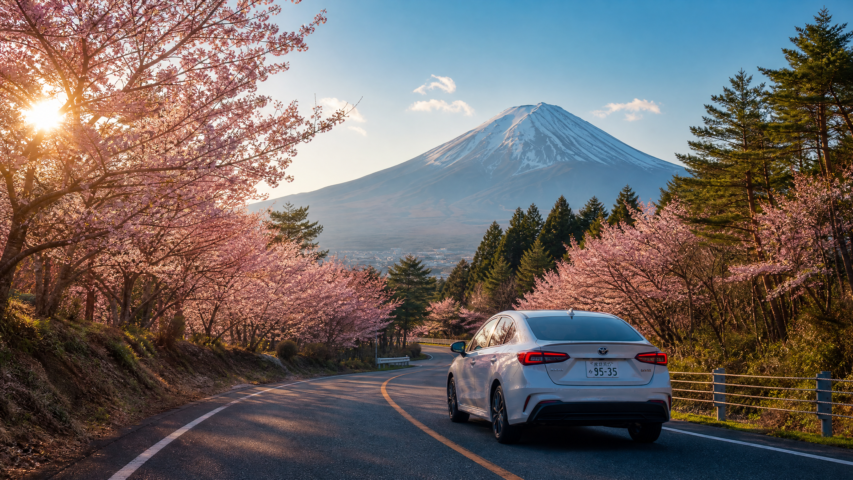
White car on a winding road flanked by pink cherry blossoms with Mount Fuji and a bright sun in the distance.

なぜ日本でレンタカーを借りるのか?

日本でレンタカーを利用すると、公共交通機関ではアクセスしにくい地方や山間部などを自由に巡ることができます。自分のペースで日本の多彩な風景を楽しみましょう。

レンタカーの必要条件

日本でレンタカーを借りるには、以下が必要です。

  • 有効な運転免許証。外国人の場合は1949年ジュネーブ条約に基づく国際運転免許証、または特定国の免許証に日本語翻訳証明が必要です。
  • 本人確認のためのパスポート。
  • 予約やデポジットに使う国際クレジットカード。

日本の運転ルールとポイント

日本独特の運転ルールを把握しましょう。

  • 左側通行:日本は左側走行です。
  • 速度制限:市街地は40〜60km/h、郊外は80km/h、高速道路は最大100km/h。
  • シートベルト:全席で着用義務があります。
  • ライト使用:雨天や霧の時、日没後〜日出前はヘッドライト点灯が必要です。
  • 携帯電話禁止:ハンズフリー以外の使用は違法です。

標識の理解

日本の標識は国際的なシンボルが多いですが、漢字も併用されています。特に「止まれ」の赤い逆三角形の標識は必ず覚えましょう。

ナビと駐車場

レンタカーのGPSは英語対応が一般的です。Googleマップや日本専用のナビアプリ(NaviTimeなど)も便利です。都心の駐車場は料金が高いことが多いので、違法駐車は避けてください。

燃料補給と有料道路

ガソリンスタンドは至る所にあり、多くはセルフサービスです。高速道路は有料で、現金またはETCカード(レンタカーに付属することが多い)で支払いが可能です。

レンタカーのメリット

  • 自由な旅程調整ができる
  • 観光客が少ない穴場スポットにアクセス可能
  • 家族やグループで快適に移動できる

最後のアドバイス

運転時は常に免許証やレンタカー契約書を携帯し、事前にルートを確認しましょう。安全運転で日本の美しい景色や文化を満喫してください。

White car on a winding road flanked by pink cherry blossoms with Mount Fuji and a bright sun in the distance.

Why Rent a Car in Japan?

Renting a car in Japan offers travelers the freedom to explore beyond the limits of public transportation. From remote countryside villages to majestic mountain roads, driving allows you to experience Japan at your own pace.

Requirements for Renting a Car

To rent a car in Japan, you'll need:

  • A valid driver's license. International visitors must carry an International Driving Permit (IDP) based on the 1949 Geneva Convention, or a driving license from certain countries with a Japanese translation.
  • A passport for identification.
  • An international credit card for booking and deposits.

Driving Rules and Tips

Driving in Japan comes with unique rules worth knowing:

  • Left-side driving: Japan drives on the left side of the road.
  • Speed limits: Typically 40-60 km/h in cities, 80 km/h on rural roads, and up to 100 km/h on expressways.
  • Seat belts: Mandatory for all passengers.
  • Use of lights: Headlights are generally required during rainy or foggy conditions, and between sunset and sunrise.
  • No mobile phones: Using a phone without hands-free equipment while driving is illegal.

Familiarize Yourself with Road Signs

Road signs in Japan mostly use international symbols, but some include Japanese text. Key signs to remember are stop signs (a red inverted triangle) and yield signs.

Navigation and Parking

GPS rental cars often include English options. Apps like Google Maps and Japan-specific ones such as NaviTime can be invaluable. Parking can be expensive in city centers, so look for designated parking lots and avoid illegal parking to prevent fines.

Fuel and Toll Roads

Gas stations are widely available, with self-service options common. Many highways require toll payments, which can be paid manually or via an ETC (Electronic Toll Collection) card often provided with rental cars.

Benefits of Renting a Car

  • Flexibility in itinerary planning
  • Access to less touristy, scenic spots
  • Comfort traveling with family or groups

Final Tips

Always carry your license and rental agreement while driving. Plan routes ahead, stay alert, and enjoy the breathtaking landscapes and unique experiences that Japan offers through driving.

White car on a winding road flanked by pink cherry blossoms with Mount Fuji and a bright sun in the distance.

為什麼選擇在日本自駕

無論是北海道的大景公路、九州的火山溫泉線,還是沖繩的海濱大道,自駕能把偏遠秘境與彈性行程一網打盡。以下精選實用要點,幫你在日本租車與上路都更順手、更安心。

出發前準備與證件

  • 年齡與駕照:日本一般小客車駕駛年齡下限為18歲。多數租車公司會要求持照滿1年。
  • 必要文件:護照、原本國家駕照,並攜帶1949日內瓦公約版的國際駕照;台灣駕照者須附JAF或駐日代表處核發的日文譯本。
  • 右駕左側通行:方向盤在右側,行車靠左。上路前先熟悉方向燈與雨刷的位置別誤觸。
  • 導航備案:下載離線地圖、儲存飯店電話或MAPCODE(日本常用定位碼),可提高導航命中率。

如何選車與保險

  • 車型與行李:日本道路與停車格較窄,人少行李多可選小型旅行車;冬季或山路建議四驅。
  • ETC卡:辦理租用可自動通過收費站並享折扣;跨縣長途可考慮地區性高速Pass(如北海道、九州、Central Nippon等)。
  • 保險重點:除基本強制險,建議加購CDW/LDW減少自負額,並留意NOC(營運損失費)與道路救援是否包含。
  • 取車檢查:繞車拍照記錄刮痕、確認油量、胎壓、備胎或補胎劑、ETC卡片、行車紀錄器是否正常。

高速公路與費用

  • 通行收費:ETC車道自動扣款;現金或信用卡請走一般人工閘道。
  • 速限參考:市區多為30–40km/h,郊區50–60km/h,高速常見80–100km/h,依標誌為準。
  • 服務區SA/PA:洗手間、餐飲、伴手禮、加油與充電多集中此處,餐點品質與伴手禮選擇往往超出想像。

日本路上禮儀與關鍵規則

  • 行人優先:見到斑馬線請必停讓;支路出主幹道先全面觀察。
  • 平交道必停:通過鐵路平交道須完全停車確認安全後再前進。
  • 方向燈規範:變換車道與轉彎,至少提前3秒打燈;超車道僅用於超車,勿長時間佔用。
  • 零容忍項目:酒駕嚴罰、手持電話違規,切勿心存僥倖。
  • 禮貌用燈:日本常以雙黃燈短閃致謝與提醒壅塞,別長閃以免誤會。

城市停車不踩雷

  • 投幣停車:常見Times等品牌,有地鎖或柵板。記車位號或拿票,離場依指示繳費。
  • 費率眉角:留意「最大上限」時段,長時停靠更省;熱門景區或周末費率易上調。
  • 違停代價高:日本違停取締嚴格,罰鍰與手續繁瑣,請務必停入合法車位。
  • 住宿與景點:提前詢問停車位與尺寸限制;溫泉鄉與市中心車位常滿,提早到或改搭大眾運輸接駁。
  • 便利商店與道之站:便利商店多僅供短暫停留;道之站部分可車宿,仍請遵守公告。

加油與充電

  • 自助與代客:看見「セルフ」為自助,「フル」為代客。油品分Regular紅、High-octane黃、Diesel綠,誤加代價高昂。
  • 付款方式:多為預付或刷卡;還車前補滿油並留存發票,以免被收補油服務費。
  • 電動車:日本常見CHAdeMO快充,租車公司可能提供充電卡或APP,請先確認網絡覆蓋。

季節與路況風險

  • 冬季雪地:北海道、東北與山區務必使用雪胎或鏈,留意黑冰與路面撒鹽;必要時改搭鐵道更安全。
  • 繁忙時段:黃金週、盂蘭盆與新年易塞,錯峰上路或改走地方道路。
  • 山海郊區:山路會車請減速靠左;北海道與鄉間留意鹿與狐狸等野生動物。

發生事故或突發狀況

  • 優先安全:開啟雙黃燈與三角警示牌,車上人員移至安全處。
  • 聯絡流程:撥打110報警、119救護;同時通知租車公司與保險,取得報案編號以利理賠。
  • 文件紀錄:拍照路況、車損與對方證件,保留收據與相關票據。

掌握以上要點,你的日本自駕之旅將更順暢與自在。從沖繩海岸線、伊豆山海路到北海道花田大道,把屬於你的公路風景一網打盡,安全啟程,一路好景相伴!

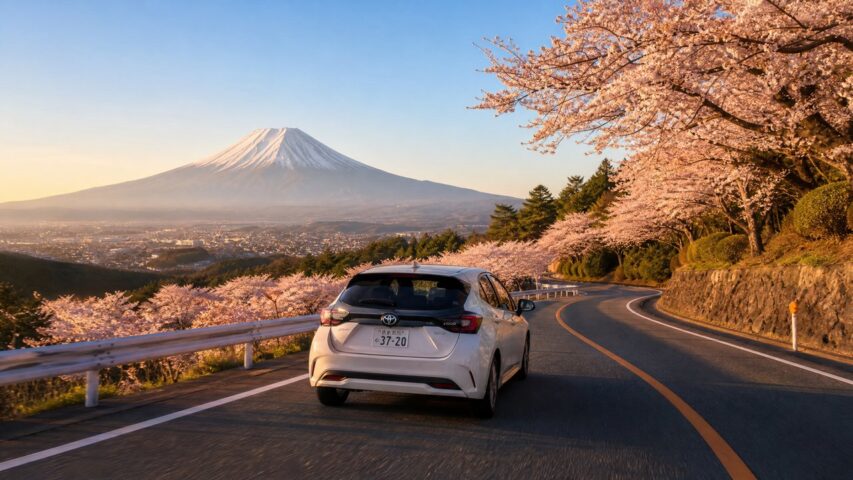
White hatchback driving on a winding mountain road lined with pink cherry blossoms, Mount Fuji in the distance at sunset.

日本で運転する前に知っておくこと

日本は左側通行、ハンドルは右。標識はピクトグラム中心だが、地方では日本語のみの案内もあります。運転には有効な免許が必要で、多くの国はジュネーブ条約(1949)の国際運転免許(IDP)で運転可。一方、フランス・ドイツ・スイス・台湾などはIDPではなく公的翻訳が必要です。パスポートと本国免許も常に携帯しましょう。

飲酒運転はゼロトレランスに近く、少量でもNG。シートベルトは全席義務、6歳未満はチャイルドシート必須です。

レンタカー予約のコツ

  • ETCカードを追加。高速料金の自動精算でスムーズに通過でき、時間帯や周遊パスで割引も狙えます。
  • スタッドレスタイヤやチェーンは冬の北海道・東北・山岳部で必須装備。
  • カーナビは英語対応を指定。スマホ地図は電話番号やマップコード検索が便利です。
  • 保険は対人・対物無制限に加え、免責補償(CDW)とNOC補償を付帯すると安心。
  • ワンウェイ返却は便利ですが乗り捨て料が発生。距離や県境で金額が大きく変わります。

受け取り当日のチェックリスト

  • 外装・内装の傷を写真で記録。タイヤ溝、パンク修理キット、三角表示板も確認。
  • 燃料はレギュラー(赤)・ハイオク(黄)・軽油(緑)。種類を間違えると高額修理に直結します。
  • 給油口の開け方と給油方法を確認。返却は「満タン返し」か「実費精算」かを明確に。
  • ナビの言語設定を整え、最初の目的地をお気に入りに登録しておくと安心。

高速道路&料金の基本

制限速度は多くが80〜100km/h。サービスエリア(SA)やパーキングエリア(PA)は24時間トイレがあり、フードやご当地土産も充実。道の駅は地域グルメと休憩に最適です。

ETCなら減速してそのままゲート通過、現金は一般レーンへ。長距離は料金が高くなりがちなので、深夜・休日割引や周遊パスを活用してコスト最適化しましょう。

駐車と運転マナー

  • 路上駐車は厳格に取り締まり。コインパーキングや道の駅、公共駐車場を活用。
  • 右折は対向車優先。歩行者・自転車は最優先で、横断歩道手前ではしっかり停車。
  • ウインカーは早めに。渋滞の最後尾ではハザード点滅がローカルマナーです。
  • 生活道路は狭い区間が多いため、徐行と譲り合いを徹底。離合ポイントやミラー格納も意識。

安全対策とトラブル時

万一の事故は110、救急は119へ。保険会社とレンタカー会社にも直ちに連絡。小さな接触でも自己判断で走り去らないこと。夜間・雨天・動物横断(北海道や山間部)に注意し、疲れを感じたら早めに休憩を。

季節・地域別アドバイス

  • 冬の雪道は四駆+スタッドレスが基本。急のブレーキやハンドル操作は禁物で、車間は普段の3倍を目安に。
  • 夏の沖縄は渋滞と強い日差し。サングラス・日焼け対策・こまめな水分補給を。
  • 都市部は駐車料金が高額。郊外に停めて公共交通へ乗り継ぐパーク&ライドが有効です。

旅を快適にする小ワザ

  • 朝出発・夕方着でラッシュ回避。連休のUターンピークは特に注意。
  • オフライン地図とモバイルWi‑Fiや大容量SIMを用意。トンネルや山間部の電波弱も想定。
  • ご当地BGMと飲み物をクーラーバッグに。休憩は2時間に1回、SA・PAでストレッチ。

準備とルール理解を押さえれば、日本のドライブは驚くほど快適。鉄道では届かない景色と食に出会える、自由度の高いロードトリップを楽しみましょう。

White hatchback driving on a winding mountain road lined with pink cherry blossoms, Mount Fuji in the distance at sunset.

Japan is made for scenic drives: alpine passes in Nagano, Hokkaidos flower fields, Kyushus steaming onsen valleys, and tiny seaside towns youd miss by train. Renting a car opens up all of that flexibility, but the rules and road culture are a little different. Here are practical, road-tested tips to help you rent confidently and drive smoothly across Japan.

Licenses and paperwork

  • You must be 18+ to drive. Most agencies require a credit card and at least one year of licensed driving.
  • Bring your passport and your home-country drivers license.
  • Most travelers also need an International Driving Permit under the 1949 Geneva Convention. Do not get the 1968 versionit is not accepted.
  • Drivers from Belgium, France, Germany, Monaco, Switzerland, and Taiwan use their national license with an official Japanese translation (from JAF or their embassy) instead of an IDP.
  • Check the latest rules with JAF or your rental company before you fly; requirements change and are enforced.

Choose and book the right car

  • Size matters on Japans narrow lanes. A compact or small SUV is easier to park and thread through countryside villages.
  • Confirm English navigation or plan to use Apple CarPlay or Android Auto. Mapcode support is handy for pinpointing sights and parking.
  • Reserve an ETC card with your rental. It lets you breeze through toll gates and often qualifies you for expressway pass deals.
  • Consider insurance beyond basic CDW. Ask about NOC (non-operation charge) waivers that reduce penalties if the car needs repair.
  • One-way rentals are common at airports and shinkansen hubs but may carry drop feesfactor that into your route.

Road rules and etiquette

  • Drive on the left; the drivers seat is on the right. Roundabouts are rare; most intersections use signals.
  • Typical speed limits: 3030 km/h in towns, 506 km/h on rural roads, 80100 km/h on expressways. Cameras are common; fines are steep.
  • Seat belts are mandatory for all seats. Children under 6 must use an approved child seat.
  • Alcohol limit is very low (0.03% BAC). Treat it as zeronever drink and drive.
  • Use turn signals early, avoid honking, and expect courteous merges. A quick flash of hazard lights is a common thanks on expressways.
  • Headlights on in tunnels and during heavy rain. Watch for pedestrians and cyclists on narrow shoulders.

Tolls, passes, and navigation

  • Expressways are tolled. With an ETC card in the dash reader, you can use purple ETC lanes without stopping; charges settle to your card later.
  • Tourist expressway passes (nationwide or regional, e.g., Hokkaido, Kyushu) offer unlimited tolls for a fixed daily fee when renting from participating agencies. Do the math: long-haul itineraries usually save.
  • Rest areas are excellent: SAs (service areas) and PAs (parking areas) have clean bathrooms, food courts, fuel, and souvenir shops.
  • Addresses in Japan can be tricky. Enter a phone number or a Mapcode into the cars nav, or pin exact locations in your phone maps.

Parking and fueling

  • Street parking is rare and risky. Use coin-operated lots or multi-story garages; expect locking plates under the wheels in coin parks.
  • Hotel parking isnt guaranteed in big cities. Reserve in advance and check height limits for mechanical elevator garages.
  • Keep coins or a transit IC card for small parking fees. In some rural spots, youll pay with cash at an unmanned box.
  • Fuel types: Regular, High Octane, and Diesel. Many stations are self-serve; full-serve attendants will guide you precisely into position.
  • Rural stations may close early. Top up before remote drives or after 8 p.m. outside cities.

Seasonal and safety tips

  • Winter (Hokkaido, Tohoku, Nagano): Request studless snow tires and consider chains for mountain passes. Drive gently and increase following distance.
  • Typhoon season (late summer): Check road closures and ferry cancellations; avoid coastal roads during storms.
  • Michi-no-Eki roadside stations make perfect pit stops with local snacks, clean toilets, and free maps.
  • In a breakdown or accident, move to a safe spot if possible, set your hazard lights and warning triangle, and call 110 (police) or 119 (ambulance/fire). Contact your rental company immediately.
  • Carry essentials: international SIM or pocket Wi-Fi, offline maps, a coin stash, tissues, and a reusable bag for car trash.

With the right documents, an ETC-equipped compact car, and a grasp of local etiquette, driving in Japan is straightforward and deeply rewarding. Take it unhurried, plan fuel and parking ahead, and let the open road reveal hot springs, farm-fresh lunches, and viewpoints youll have all to yourself.

White hatchback driving on a winding mountain road lined with pink cherry blossoms, Mount Fuji in the distance at sunset.

為什麼要在日本租車?

雖然日本以其廣泛且高效的公共交通網絡而聞名,但租車能提供無與倫比的自由度,特別是如果您計畫探索北海道、沖繩或日本阿爾卑斯山等鄉村地區。租車讓您可以按照自己的步調旅行,發現人跡罕至的隱藏景點,並輕鬆攜帶行李。

在日本駕駛的條件

在預訂租車之前,請確保您擁有正確的文件。在日本駕駛的遊客必須持有根據1949年日內瓦公約簽發的國際駕駛執照(IDP)。如果您的駕照來自瑞士、德國、法國、台灣、比利時或摩納哥等國家,您將需要駕照的官方日文譯本,而不是IDP。駕駛時請務必隨身攜帶護照、本國駕照正本以及IDP或日文譯本。

如何租車

強烈建議提前預訂車輛,特別是在春季櫻花或秋季楓葉等旅遊旺季。預訂時,請考慮添加多語言GPS和ETC(電子收費)卡。ETC卡讓您可以順利通過收費站,無需停車用現金支付,而且通常還能享受過路費折扣。

駕駛規則與禮儀

在日本,車輛靠左行駛,方向盤在右側。市區的速限通常為40公里/小時,一般道路為50-60公里/小時,高速公路為80-100公里/小時。嚴禁酒後駕駛,實行零容忍政策。在平交道前必須完全停車,並禮讓行人。

導航收費道路與停車

日本的高速公路維護得很好,但費用可能較高。使用ETC卡可以簡化流程。在停車方面,請避免路邊停車,因為這大多是違法的。請尋找付費停車場,這在日本非常普遍。有些停車場使用擋板系統,會將您的車輛鎖定在原位,直到您在繳費機付款為止。

結論

在日本租車開啟了一個充滿風景優美的車道和文化發現的世界,這是火車無法到達的。只要做好充分準備並遵守當地的駕駛法規,您的日本公路之旅將是一次難忘的冒險。今天就向 Relax Rent-A-Car 預訂您的車輛,開始探索吧!

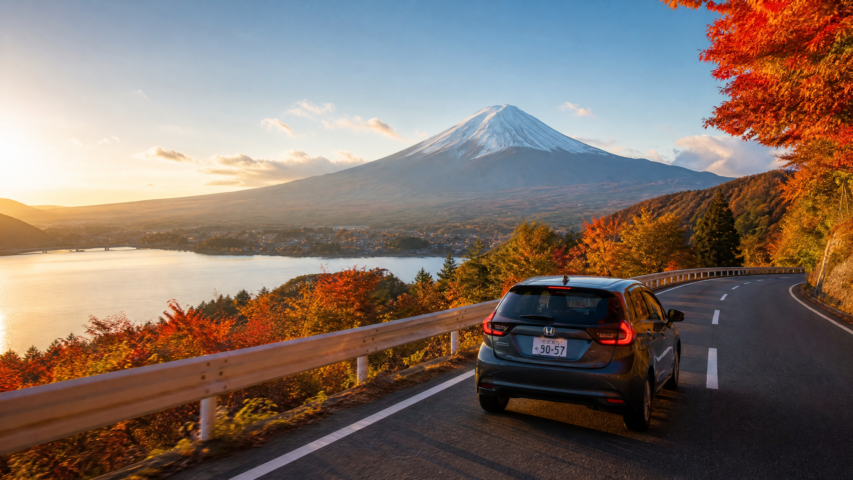
Car on a winding hillside road at sunset, autumn trees in orange and red, with a snow-capped mountain in the distance (Mt. Fuji).

なぜ日本でレンタカーを借りるのか?

日本は公共交通機関が発達していることで有名ですが、レンタカーを利用すれば、北海道や沖縄、日本アルプスなどの地方を探索する際に、比類のない自由を味わうことができます。レンタカーがあれば、自分のペースで旅行し、人里離れた隠れた名所を発見し、荷物も簡単に運ぶことができます。

日本で運転するための要件

レンタカーを予約する前に、適切な書類が揃っているか確認してください。日本で運転する外国人観光客は、1949年のジュネーブ条約に基づいて発行された国際運転免許証(IDP)を所持している必要があります。スイス、ドイツ、フランス、台湾、ベルギー、モナコなどの国で発行された運転免許証をお持ちの場合は、IDPの代わりに免許証の公式な日本語翻訳が必要です。運転中は常にパスポート、自国の運転免許証、およびIDPまたは翻訳証明書を携帯してください。

レンタカーの借り方

特に桜の季節や紅葉などのピークシーズンには、事前に車を予約することを強くお勧めします。予約の際は、多言語対応のカーナビとETC(自動料金収受システム)カードの追加を検討してください。ETCカードがあれば、料金所で現金で支払うために停車することなくスムーズに通過でき、割引料金が適用されることもよくあります。

運転のルールとマナー

日本では、車は左側通行で、ハンドルは右側にあります。制限速度は一般的に、市街地で40km/h、一般道で50〜60km/h、高速道路で80〜100km/hです。飲酒運転は厳格に禁止されており、ゼロトレランス方式がとられています。踏切では必ず一時停止し、歩行者を優先してください。

有料道路と駐車場の利用

日本の高速道路はよく整備されていますが、料金が高くなる場合があります。ETCカードを使用すると、手続きが簡単になります。駐車場については、路上駐車はほとんど違法であるため避けてください。広く利用可能な有料駐車場を探してください。一部の駐車場では、精算機で支払うまで車をロックするフラップ式のシステムが採用されています。

まとめ

日本でレンタカーを借りることで、電車ではアクセスできない絶景のドライブコースや文化的な発見の世界が広がります。適切な準備をし、現地の交通ルールを守ることで、日本でのドライブ旅行は忘れられない冒険になるでしょう。今すぐRelax Rent-A-Carで車を予約し、探索を始めましょう!

Car on a winding hillside road at sunset, autumn trees in orange and red, with a snow-capped mountain in the distance (Mt. Fuji).