日元

Blog

Renting a Car and Driving in Japan: Practical Tips for First-Timers

Driving in Japan can unlock remote temples, coastal roads and mountain villages that trains and buses miss. For travelers who love flexibility, renting a car is one of the best ways to explore beyond the major cities. Below are practical tips and cultural cues to help you rent confidently, drive safely and enjoy the journey.

Before You Go: Licenses, Insurance and Reservations

  • License requirements: Most visitors must carry an International Driving Permit (IDP) issued under the 1949 Geneva Convention, issued before you depart your home country. Some countries also accept a certified Japanese translation of the domestic license—check current rules with your embassy or rental company.
  • Age and documents: Rental companies usually require drivers to be at least 18–21 years old, a valid passport, a credit card for the deposit, and the IDP plus your home license.
  • Insurance and waivers: Basic insurance is included, but consider purchasing a Collision Damage Waiver (CDW) or supplemental coverage to reduce your out-of-pocket liability. Read the policy carefully for excess amounts and exclusions.
  • Reserve in advance: Japan’s peak travel seasons (cherry blossom, Golden Week, Obon, autumn foliage) sell out quickly. Reserve a car and any child seats or ETC toll devices in advance.

Choosing a Car and Add-Ons

  • Size matters: Narrow streets and compact parking in cities favor small cars or kei cars. If you’re traveling on mountainous roads or with a lot of luggage, opt for something a bit larger.
  • Automatic transmissions are standard—manuals are rare in rental fleets.
  • Navigation: Ask for an English-friendly GPS or confirm the in-car nav supports Romanized place names. Many travelers use smartphone apps, but an in-car GPS helps in rural areas with limited signal.
  • ETC card: Electronic Toll Collection (ETC) cards make toll roads faster. Renters can usually add an ETC device for a small fee and pay tolls conveniently.

On the Road: Rules and Driving Culture

  • Drive on the left: Japan drives on the left-hand side. This affects roundabouts, turns and lane positioning—take time to orient yourself before hitting faster roads.
  • Speed limits: Typical limits are 100 km/h on expressways and 40–60 km/h on regular roads, but signs vary—always follow posted limits.
  • Seat belts and children: Seat belts are mandatory for all passengers. Child seats are required for young children—bring or rent one.
  • No drinking and driving: Japan enforces strict DUI laws. Penalties are severe for drivers and even passengers who aided the driver—don’t take the risk.
  • Politeness and flow: Japanese driving emphasizes courtesy. Use your indicators, avoid aggressive maneuvers and don’t honk needlessly. When meeting narrow stretches, use designated passing spots or let the car with more room go first.

Practical Tips: Toll Roads, Parking and Fuel

  • Toll roads: Expressways save time but cost money. ETC is convenient; otherwise, pay cash or card at toll booths.
  • Parking: City parking is expensive. Look for coin-operated lots and don’t park illegally—fines and towing are common. Many tourist spots have paid lots or municipal parking.
  • Rest areas: Service areas (SA) and parking areas (PA) on highways are excellent for snacks, clean restrooms and local specialties—use them to break long drives.
  • Fuel: Most stations accept credit cards; self-service is common. Note fuel types and fill up in rural areas where stations are sparse.

Weather, Roads and Safety

  • Winter conditions: In snowy regions, request winter tires or chains. Mountain roads can be treacherous in winter.
  • Narrow roads and tunnels: In rural areas expect tight two-way roads. Slow down and use pull-outs to let others pass.
  • Emergencies: Keep your rental company’s emergency number handy. Have offline maps and a local SIM or portable Wi-Fi for communication.

Final Notes

Renting a car in Japan opens up hidden corners that public transit can’t reach. With the right preparation—valid documentation, proper insurance, an understanding of local rules and a respectful mindset—you’ll find driving here to be a rewarding and efficient way to explore. Take it slow, enjoy the scenery, and stop at those roadside gems you’d otherwise miss.

Safe travels and happy driving!

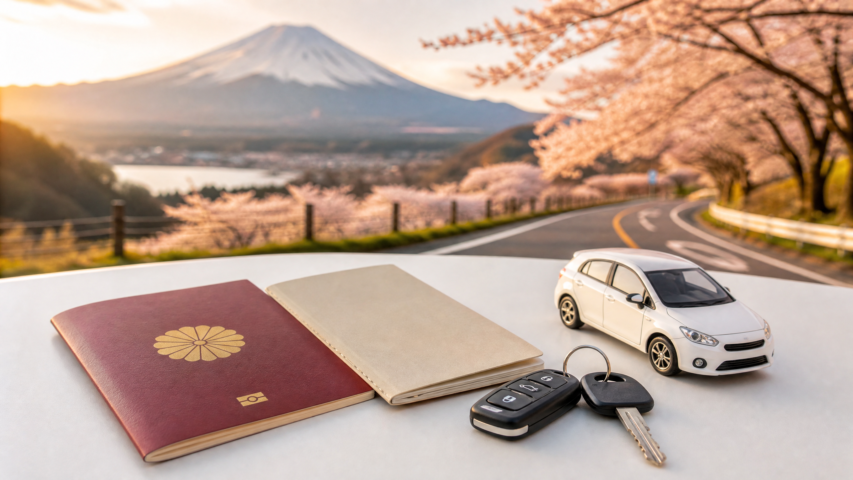
Car travels along a curved road bordered by blooming cherry trees with Mount Fuji in the background under a blue sky.

日本租車終極指南

在日本自駕能帶你到達火車到不了的海岸、小鎮與山間景點。本文整理了租車前的準備、駕駛規則、保險、實用技巧與幾條經典自駕路線,讓你規劃更安心的自駕旅程。

租車前準備

  • 駕照需求:大多數外國旅客需持有依1949年日內瓦公約發出的國際駕照(IDP)以及原始本國駕照。各國規則不同,出發前請向當地主管機關或租車公司確認。
  • 預訂:櫻花季、黃金週與賞楓期是熱門時段,建議提早預訂。若需英文導航或ETC卡,務必在預約時註明。
  • 保險:基本保險通常含責任險;可加購碰撞免責(CDW)與道路救援。確認自負額及信用卡是否提供保險。
  • 冬季條件:北海道、東北與山區冬天常有積雪,需租用雪胎或雪鍊,部分地區冬季或有強制規定。

主要行車規則與禮儀

  • 靠左行駛:日本為靠左通行,初上路請多加留意方向盤與車道變換。
  • 安全帶與兒童座椅:所有乘客必須繫安全帶;幼兒需使用兒童安全座椅,租車公司通常可提供。
  • 速限:市區通常40–50 km/h,一般道路50–60 km/h,高速公路多為80–100 km/h,但以路標為準。
  • 酒駕零容忍:日本對酒駕處罰嚴格,切勿酒後駕車。

收費道路、ETC與停車

日本高速公路多為收費制。ETC(電子收費)卡能使用專用車道並常享有折扣,租車公司可提供ETC設備。城市停車以計時停車場或停車塔為主,鄉間則有道之驛(Michi-no-Eki)等免費或便宜的停車點。

導航與通訊

租車常附英語導航,不過日本地址格式特殊,建議以景點名稱或電話搜尋。Google Maps、Apple Maps等手機導航十分好用。記下租車公司緊急聯絡方式與保險資料。

安全與救援

  • 緊急電話:警察110、消防與救護119。車輛拋錨或事故應先聯絡租車公司;日本汽車聯盟(JAF)提供全國道路救援服務。
  • 加油:加油站多提供全服務(由工作人員幫你加油),請留意油種與油表,偏遠路段應先補滿油箱。

推薦自駕路線

  • 北海道環島:札幌→富良野・美瑛→大雪山→知床,廣袤景觀與季節花海。
  • 東北與三陸海岸:青森、十和田湖、海岸線風景與新鮮海產。
  • 北陸與能登:金澤出發,欣賞海岸線與傳統工藝小鎮。
  • 富士五湖與箱根:從東京出發,快速到達富士山絕景與溫泉區。
  • 沖繩群島:島上自駕幾乎必備,探訪海灘、洞穴與當地文化。

自駕讓你自由掌握節奏,發現許多火車線路無法到達的隱藏景點。出發前做好功課、尊重當地交通規則並保持安全駕駛,便能享受一段難忘的日本公路旅行。

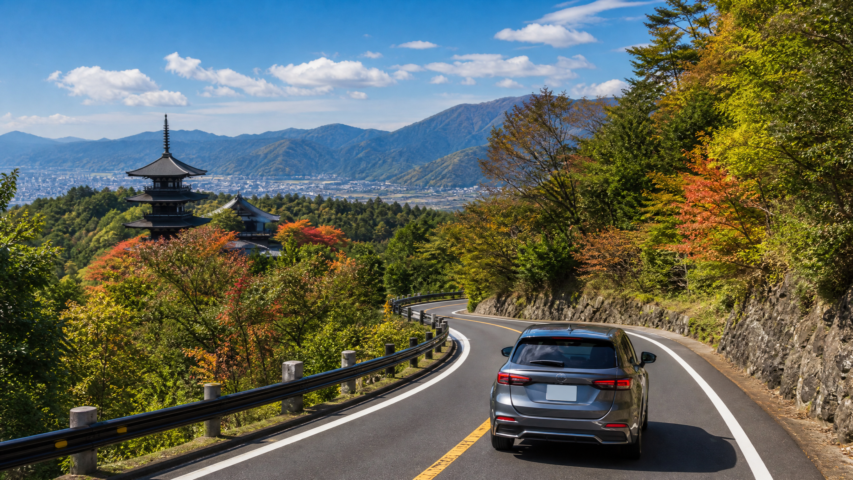
Fall foliage frames a winding road with a snow-capped Mt. Fuji in the distance.

日本でレンタカーを借りる前に知っておきたいこと

レンタカーは、電車では届かない田舎や海岸線、山岳地帯を自由に巡れる最高の手段です。ここでは、必要な書類、道路ルール、保険、実用的なコツ、そしておすすめのドライブルートを詳しく解説します。

レンタル前の準備

  • 運転免許:多くの海外からの訪日者は、1949年ジュネーブ条約に基づく国際運転免許証(IDP)と母国の免許証が必要です。国によって取り扱いが異なるため、出発前に確認してください。
  • 予約:桜、ゴールデンウィーク、紅葉の時期は早めに予約しましょう。英語ナビやETCカードを希望する場合は申し込み時に指定してください。
  • 保険:基本補償に加え、免責カバー(CDW)やロードサービスの加入を検討してください。クレジットカード特典でカバーされる場合もあります。
  • 冬季:北海道や東北、山間部ではスタッドレスタイヤやチェーンが必要です。冬道の運転経験が少ない場合は無理をしないこと。

基本ルールとマナー

  • 左側通行:日本は左側走行です。特に交差点や分岐での車線変更は慎重に。
  • シートベルトとチャイルドシート:同乗者全員のシートベルト着用は義務。小さな子どもにはチャイルドシートが必要です。
  • 速度制限:市街地は40〜50km/h、一般道は50〜60km/h、高速道路は80〜100km/hが目安。標識に従いましょう。
  • 飲酒運転:厳罰です。少量でも飲んだら運転しないこと。
  • 一時停止:赤い逆三角形の標識は完全停止を意味します。歩行者優先を徹底してください。

料金・ETC・駐車

日本の高速道路は有料が一般的で、ETCカードを使うと専用レーンが利用でき、割引対象になる場合があります。ETCはレンタカー会社で借りられます。都市部の駐車はコインパーキングや時間貸し、地方では道の駅など無料の駐車場も多いです。

ナビとコミュニケーション

英語対応ナビが付く車もありますが、日本の住所は数値と丁目で分かれるため、施設名や電話番号で検索するのが便利です。スマホの地図アプリ(Google Maps等)も併用しましょう。

安全とサポート

  • 緊急連絡:警察110、消防・救急119。故障時はレンタカー会社にまず連絡を。日本自動車連盟(JAF)のロードサービスも利用可能です。
  • 給油:ガソリンスタンドは多くがフルサービス。長距離では給油ポイントを先に確認しておきましょう。

おすすめドライブルート

  • 北海道一周:札幌→富良野・美瑛→知床。広大な自然と景観が魅力。
  • 東北・三陸海岸:青森→十和田湖→陸中海岸の海鮮と静かな景色。
  • 北陸・能登半島:金沢を拠点に海岸線や郷土文化を満喫。
  • 箱根・富士五湖:東京近郊で富士山の絶景と温泉を楽しめます。
  • 四国・紀伊半島:遍路道や熊野古道を絡めた文化ドライブ。

計画を立て、現地のルールを守って走ることで、日本の“隠れた名所”に出会えるドライブが実現します。安全運転で良い旅を!

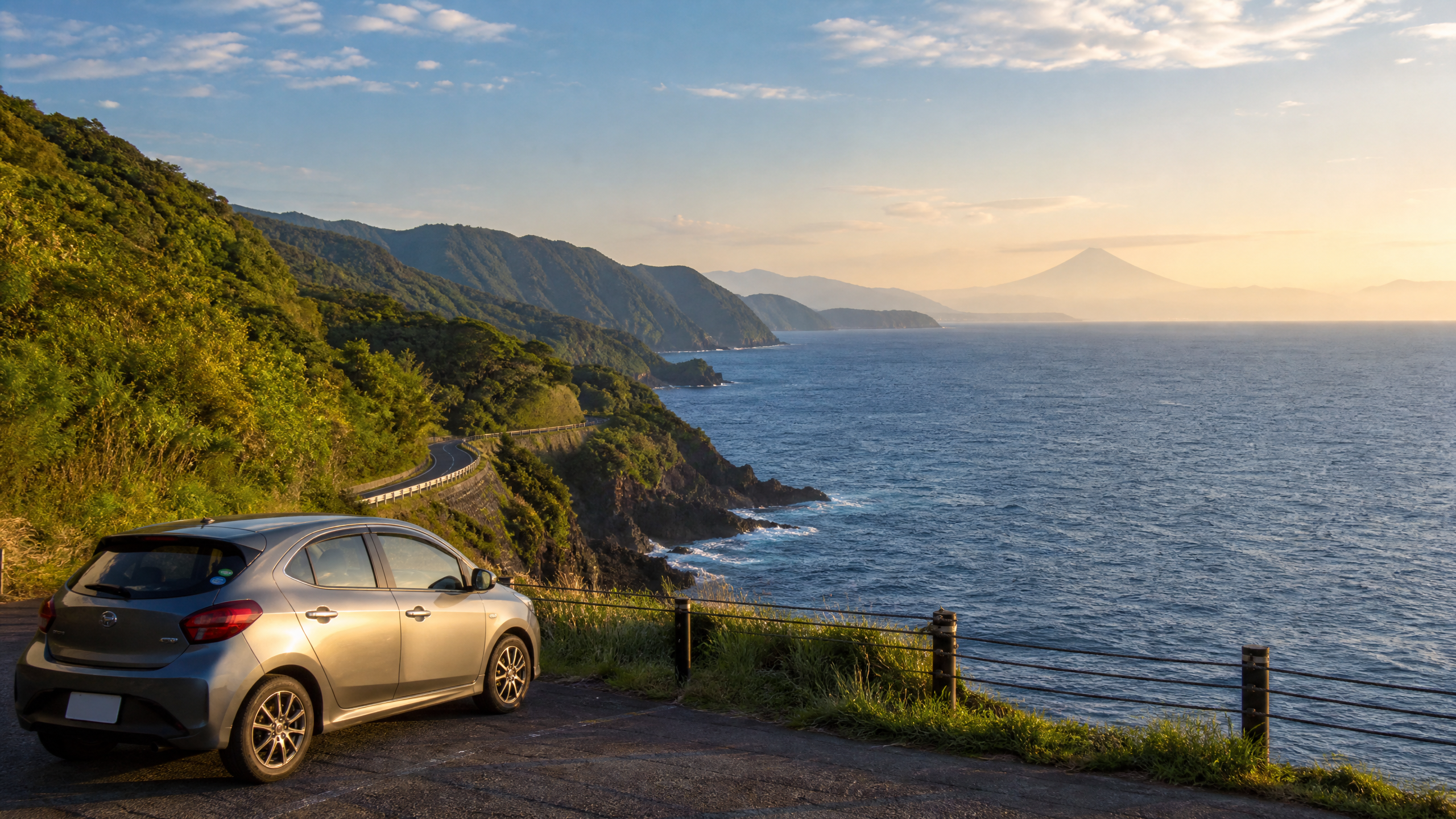
Fall foliage frames a winding road with a snow-capped Mt. Fuji in the distance.

The Ultimate Guide to Renting a Car in Japan

Renting a car in Japan opens up a world beyond trains and buses — remote coastlines, mountain passes, and rural towns that reward slow travel. This guide covers what you need to rent, driving rules, practical tips, and some of the best driving routes so you can plan a safe, smooth road trip.

Before You Rent

  • License requirements: Most visitors need an International Driving Permit (IDP) based on the 1949 Geneva Convention plus your home-country driving license. Regulations vary by country — check with your local motoring authority or the rental company well before departure.
  • Reservations: Reserve early in high season (cherry blossom, Golden Week, autumn). If you need an English GPS or an ETC (electronic toll) card, request it at booking.
  • Insurance: Standard rental insurance usually includes basic liability; consider adding Collision Damage Waiver (CDW) and roadside assistance. Confirm excess amounts and what your credit card covers.
  • Winter driving: If you travel in snow-prone areas (Hokkaido, Tohoku, Japanese Alps), rent winter tires or chains. Some areas require snow tires by law in winters.

Key Driving Rules & Etiquette

  • Drive on the left: Japan drives on the left-hand side. Familiarize yourself with roundabouts, junctions, and lane layout before leaving the lot.
  • Seatbelts & child seats: Seatbelts are mandatory for all passengers. Child seats are required for young children; rental companies can supply them.
  • Speed limits: Typical limits are 40–50 km/h in cities, 50–60 km/h on rural roads, and 80–100 km/h on expressways. Always obey posted signs.
  • Zero tolerance for drink-driving: Japan enforces strict rules — don’t drive after drinking.
  • Stop signs and signals: The red inverted triangle is a full stop. Respect pedestrians and cyclists; many streets are narrow.

Money, Tolls & Parking

Japan’s expressways use tolls. The ETC card (electronic toll collection) lets you use dedicated lanes and often provides discounts; you can rent an ETC card with the car. Pay close attention to parking — coin lots, hourly parking, and parking garages are common in towns. In rural areas, parking may be free at roadside rest stops (Michi-no-Eki).

Navigation & Communication

English-language GPS is common with rental cars, but Japanese addresses can be tricky. Use Google Maps or a navigation app and input landmark names when possible. Many rental counters offer support in English; also keep the rental company’s emergency number and your insurance documents handy.

Safety & Assistance

  • Emergency numbers: 110 for police, 119 for fire/ambulance. For breakdowns, contact your rental company first; Japan Automobile Federation (JAF) offers roadside assistance nationwide.
  • Fuel: Most stations are full-service; diesel and regular gasoline are available. Fuel is priced per liter — refill before remote stretches.

Best Driving Routes

  • Hokkaido Scenic Loop: Sapporo → Furano/Biei → Daisetsuzan → Shiretoko for vast landscapes and seasonal flowers.
  • Tohoku & Sanriku Coast: Aomori → Hirosaki → Lake Towada → coastal drives with fewer crowds and great seafood.
  • Hokuriku & Noto Peninsula: Kanazawa → Noto’s rugged coastline and rural towns.
  • Fuji & Five Lakes / Hakone: Easy access from Tokyo for views of Mt. Fuji and hot-spring towns.
  • Shikoku & Kii Peninsula: Temple routes, coastal roads and the Kumano Kodo pilgrimage trails.
  • Okinawa Island: Best explored by car — beaches, caves, and local culture at your own pace.

Final Tips

Plan fuel stops in rural areas, keep documents accessible, and allow extra time for narrow roads and sightseeing. Renting a car in Japan rewards planners with access to hidden gems — take it slow, respect local rules, and enjoy the scenery.

Fall foliage frames a winding road with a snow-capped Mt. Fuji in the distance.

北海道最美自駕路線完全指南

計畫來日本自駕旅行?北海道以寬闊風景、季節變化與寧靜公路聞名,是自駕愛好者的天堂。本文針對北海道自駕租車的實用建議、四條推薦路線與租車注意事項,幫你從租車到上路都安心又順利。

為什麼選擇北海道自駕租車

北海道地廣人稀,公共交通雖然便利於城市間,但想深入湖畔、牧場與沿海小鎮,租車更靈活。使用北海道自駕租車,你可以規劃隨心停靠、拍攝黃昏與晨霧,尤其適合家庭與攝影愛好者。

四條必走自駕路線(含季節建議)

1. 札幌→富良野→美瑛(春夏)

  • 特色:薰衣草花田、拼布之路。(最佳季節:7月)
  • 建議:留一整天在美瑛慢遊、傍晚拍金色山谷。

2. 札幌→小樽→積丹半島(全年)

  • 特色:海岸公路、海鮮名店與玻璃工藝。
  • 建議:冬季注意路面結冰,夏季享受海景餐廳。

3. 釧路→阿寒湖→知床半島(秋冬看楓與雪)

  • 特色:野生動物、溫泉與原始自然景觀。
  • 建議:攜帶防寒裝備,並提前查詢道路封閉資訊。

4. 稚內→宗谷岬→利尻/禮文(夏季短程渡輪)

  • 特色:日本最北端風情、野花與海岸線。
  • 建議:夏季花季最美,提前預訂渡輪與住宿。

租車與駕駛實用技巧

  • 駕照需求:持有國際駕照(或日文翻譯)與原始駕照原件。
  • 提前預訂:旺季(7月、8月、冬季滑雪期)車輛緊俏,提早預約可選到適合車型。
  • 保險與路邊支援:選擇含CDW與24小時支援的方案,遇緊急狀況可快速處理。
  • 冬季裝備:北海道冬天雪多,請租用冬季胎或四驅車並配備雪鍊。
  • 導航與通行費:租車時確認是否含中文導航或請下載離線地圖,部分高速公路有ETC卡可省時間。

Relax Car Rental 簡短說明

如果你在尋找方便的租車服務,Relax Car Rental 提供多種車型、彈性取還車地點與中文客服,對首次在日本租車的旅客特別友善。可比較價格與保險內容,選擇最適合你的方案。

結語與行動呼籲

北海道自駕租車能讓你深入最美的景點與小鎮,享受自由行程的樂趣。準備好行李、確認駕照與保險後,就出發吧!現在就查詢北海道自駕租車的可用車輛與價格,預訂你的夢想路線,開啟一段難忘的北海道公路之旅。

Silver car driving down a straight country road between purple lavender fields with green hills and mountains in the distance under a blue sky.

魅力的な導入:北海道を自分のペースで走ろう

広大な風景、美しい海岸線、温泉、グルメ──北海道はレンタカーで回ると本当に自由度が高いです。この記事は北海道レンタカー自動車旅行を計画する方へ、定番ルートから実践的な準備までわかりやすくまとめました。

人気ルートと見どころ

初めてなら以下のルートがおすすめです。

  • 札幌→小樽(港町と寿司)→積丹(透明な海)
  • 富良野・美瑛(花畑と丘陵)→旭川(動物園)
  • 道東ルート:釧路→摩周湖→知床(自然と野生動物)
  • 函館→大沼(夜景と歴史)

季節ごとの実践的アドバイス

冬は必ずスタッドレスタイヤまたはチェーンを用意。夏は長距離移動での渋滞と駐車場混雑に注意。燃料スタンドは都市部より間隔が空くので満タンを心がけましょう。

運転のコツとレンタカー選び

狭い農道や観光地の駐車を考え小回りのきく車種がおすすめ。ETCやカーナビ、チャイルドシートを事前にリクエストすると安心です。Relax Car Rentalは車種選択、保険オプション、追加用品の手配が可能なので便利です。

安全チェックリスト

  • 保険と緊急連絡先を確認
  • タイヤ空気圧とライトの点検
  • 休憩をこまめに取り、無理な走行を避ける

北海道レンタカー自動車旅行は準備次第で快適かつ思い出深い旅になります。まずは希望の出発日で車を確保し、旅程を作ってみましょう。Relax Car Rentalのサイトで空車状況をチェックして、あなたのドライブを始めてください!

Silver car driving down a straight country road between purple lavender fields with green hills and mountains in the distance under a blue sky.

Driving through Hokkaido is one of Japan’s most rewarding travel experiences: long, open roads, dramatic coastlines, rolling flower fields and remote mountains that feel miles away from the crowds. If you're planning a Hokkaido self-drive rental car trip, this guide will point you to the most scenic routes, practical driving tips, and smart planning advice so you can focus on the views — not the logistics.

Why choose a Hokkaido self-drive rental car?

Hokkaido’s landscape is best explored with a car. Public transport is excellent between major cities, but many of the island’s most memorable sights — hidden waterfalls, panoramic roadside viewpoints and tiny coastal villages — are reached far more easily by car. A self-drive trip gives you:

  • Flexibility to stop wherever the view or a local seafood shop tempts you.
  • Access to remote nature spots off the train map.
  • Comfort for carrying gear (ski equipment in winter, picnic items in summer).
  • Better timing for sunrise/sunset photography.

Top scenic routes to consider

Biei & Furano Panorama Loop

Distance: 100–150 km loop (day trip). Best season: late spring to summer.

Known for rolling hills, patchwork flower fields and the iconic Tree Road of Biei, this route is ideal for leisurely driving and frequent photo stops. Highlights: Shikisai no Oka, Patchwork Road, and Lavendar fields in Furano (mid-July).

Shiretoko Peninsula (R5 & 334)

Distance: add 200–300 km depending on route. Best season: June–October (accessible by car year-round but winter roads can be tricky).

World Heritage-listed and wildly beautiful, Shiretoko rewards patient drivers with brown bear and birdlife sightings, dramatic coastal cliffs and the Sea of Okhotsk. Expect narrow sections and occasional ferry crossings — allow extra time.

Coastal drives: Otaru–Yoichi–Niseko and Cape Kamui

Distance: 50–200 km segments. Best season: spring to autumn; stunning in winter for snowy coastal panoramas.

Historic Otaru canal, seafood stalls in Yoichi, and the dramatic headlands at Cape Kamui near Shakotan make this a delicious and photogenic stretch. Combine with a dip in an onsen after a day of driving.

Practical tips for a safe and smooth trip

  • Book the right car: Choose compact cars for narrow town streets and economical drives, or a 4WD if you plan on winter travel or mountain passes. Make sure there’s enough trunk space for luggage and equipment.
  • Insurance & documents: Carry your passport, Japanese International Driving Permit (IDP) or valid Japanese license, and the rental agreement. Consider comprehensive insurance (collision damage waiver) for peace of mind.
  • ETC card & tolls: Highways use ETC lanes. Ask your rental company for an ETC unit or card — it saves time and sometimes cost.
  • Winter driving: From November through March expect snow and ice. Use studless winter tires (required at some times of year), carry traction aids, and reduce speed on icy roads. Plan extra travel time and avoid isolated gravel roads.
  • Fuel & services: Distances between petrol stations can be long in rural Hokkaido. Refill when you hit half tank. Many stations close early in smaller towns — plan fuel stops.
  • Navigation & connectivity: Rent a car with an English GPS or use an offline map app. Consider a pocket Wi-Fi or local SIM for live navigation and translation.
  • Wildlife & safety: Watch for deer and foxes especially at dawn/dusk on rural roads. Keep headlights on and drive with extra caution.

Relax Car Rental provides helpful English service, GPS-equipped vehicles and optional ETC cards — a good local option if you want support setting up your Hokkaido self-drive rental car quickly and confidently.

Sample 3–5 day itinerary ideas

  • 3-day Biei & Furano loop: Base in Furano, explore flower fields and Biei’s hills, return via local wineries and cheese farms. Daily drives are short (1–2 hours) allowing relaxed stops.
  • 4-day Eastern Nature Loop: Sapporo → Kushiro Marsh → Lake Akan → Shiretoko. This covers big distances — plan longer drives and overnight stays en route.
  • 5-day Coastal & Mountain: Sapporo → Otaru → Niseko → Cape Kamui → Sounkyo Gorge. Mixes coast, mountains and hot springs for variety.

Hokkaido rewards slow travel and an adventurous spirit. If you’re ready to explore with the convenience of your own wheels, consider booking early (peak seasons fill up fast) and compare options with trusted providers like Relax Car Rental to get the vehicle and extras you need. Happy driving — and don’t forget to pull over for the view!

Ready to plan your Hokkaido self-drive rental car adventure? Contact Relax Car Rental or your preferred agency today and start mapping your scenic journey.

Silver car driving down a straight country road between purple lavender fields with green hills and mountains in the distance under a blue sky.