日元

Blog

在日本租車自駕,是探索秘境溫泉與寧靜鄉村風光的絕佳方式。然而,日本許多道路標誌僅以日文標示,對外國旅客而言相當陌生。誤解標誌可能導致罰款或事故,因此出發前務必熟記以下重要標誌與規定。

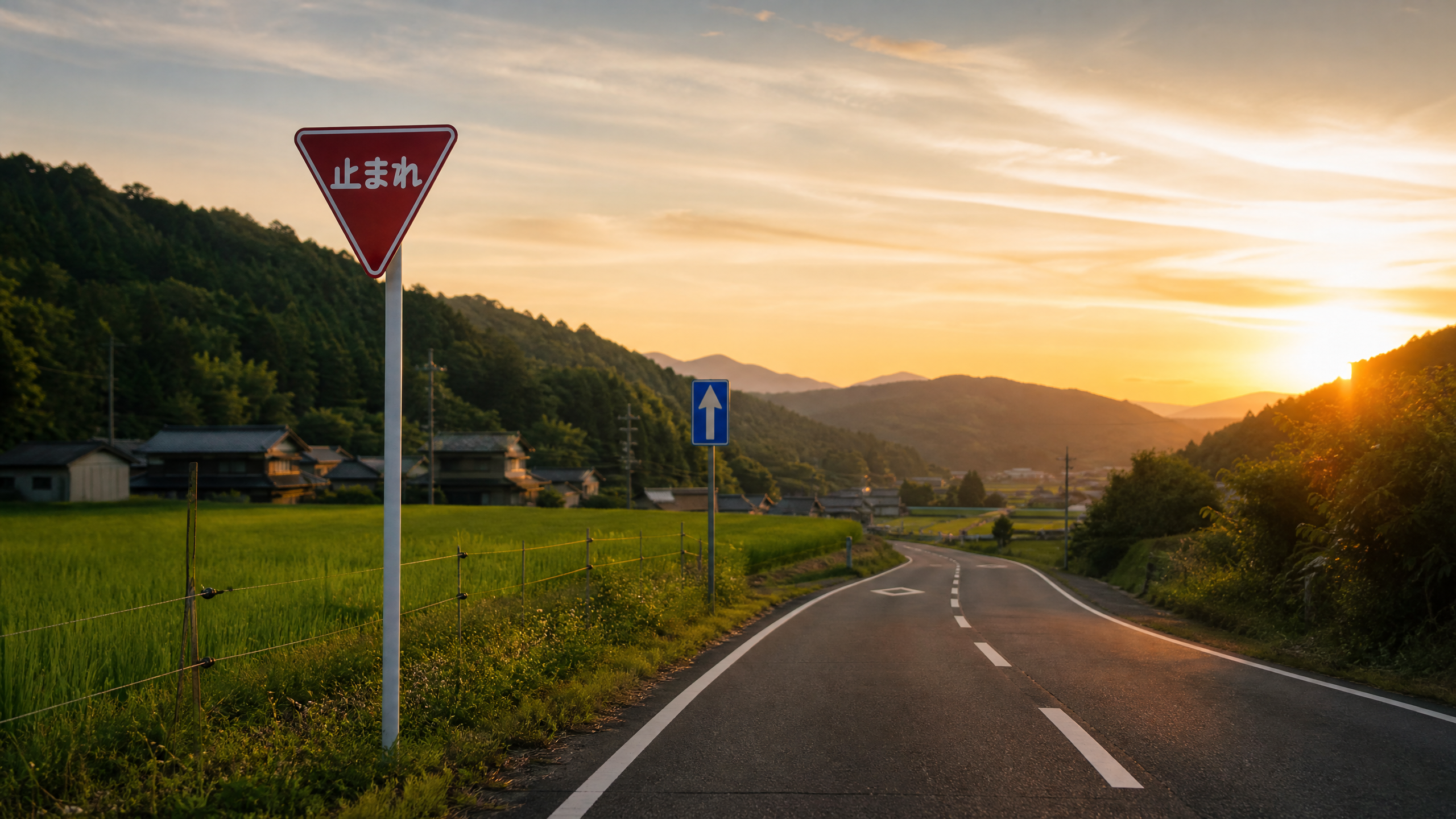
獨特的停車再開標誌(止まれ)

日本的停車標誌是紅色倒三角形,中間寫著「止まれ」,與北美八角形「STOP」標誌截然不同。看到此標誌時,必須在停止線前將車輛完全煞停至少三秒,確認左右安全後才能繼續行駛。僅減速滑行而未完全停止屬於違規,將面臨罰款與記點處分。

速限標誌與規定

速限標誌為帶紅色邊框的白色圓圈,內有藍色數字。一般道路速限為時速60公里,市區通常為40至50公里,住宅區則降至20至30公里。高速公路速限為80至100公里。請隨時留意路旁標誌,速限可能因路段而異。

了解禁止進入與單行道

「禁止進入」標誌為紅色圓圈內有白色橫線,代表不得從該方向駛入。「單行道」標誌為藍色長方形內有白色箭頭,只能朝箭頭方向行駛。日本市區單行道極多,務必仔細辨認,避免逆向行駛造成危險。

停車禁止與駐停車禁止

「禁止停車」標誌為藍色圓圈內有一條紅色斜線,禁止停車但允許5分鐘內臨時停靠。「禁止駐停車」標誌為藍色圓圈內有紅色「X」,任何停車行為均被禁止。日本對違規停車執法嚴格,請務必使用收費停車場。

平交道強制停車義務

在日本,穿越任何鐵路平交道前,即使柵欄已升起,駕駛人仍必須完全煞停,目視並聆聽確認無火車後方可通行。熟記這些標誌與規定,不僅能避免罰款,更能確保您與乘客的行車安全,讓日本租車之旅留下美好回憶。

Rural road at sunset with a red triangular Stop sign (Japanese 止まれ) in the foreground, green fields and hills in the distance.

日本でレンタカーを運転する際、地方の道路標識の多くは日本語のみで表記されています。標識を誤解すると、重大な事故や交通違反につながる危険があります。ハンドルを握る前に、特に重要な道路標識を理解しておきましょう。

日本独自の一時停止標識(止まれ)

日本の一時停止標識は赤い逆三角形で、中央に「止まれ」と書かれています。北米やヨーロッパの八角形の「STOP」標識とは形が異なります。この標識では、停止線の手前で完全に停車しなければなりません。ゆっくり進む「ローリングストップ」は違反となり、反則金の対象です。

速度制限の標識

速度制限の標識は赤い縁取りの白い円に青い数字で表示されます。一般道路は60km/h、市街地は40〜50km/h、住宅街は20〜30km/hが目安です。高速道路では80〜100km/hとなります。標識は常に確認してください。

進入禁止と一方通行

「進入禁止」は赤い円に白い横線のデザインで、その方向からの進入を禁じます。「一方通行」は青い長方形に白い矢印で、矢印方向にのみ進行できます。日本の市街地は一方通行が多いため、特に注意が必要です。

駐車禁止と駐停車禁止

「駐車禁止」は青い円に赤い斜め線一本で、駐車は禁止ですが5分以内の停車は可能です。「駐停車禁止」は青い円に赤い「X」印で、停車も一切禁止です。日本では路上駐車の取り締まりが厳しく、必ずコインパーキングを利用してください。

踏切での一時停止義務

日本では踏切の前で、遮断機が上がっていても必ず完全停止が義務です。停止後、左右を目視と音で確認してから通過してください。これらの標識と規則を理解することで、安全で快適な日本のドライブを楽しめます。

Rural road at sunset with a red triangular Stop sign (Japanese 止まれ) in the foreground, green fields and hills in the distance.

Driving a rental car in Japan is one of the best ways to explore hidden hot springs, scenic mountain routes, and rural landscapes that trains cannot reach. However, driving in a foreign country comes with unique challenges, especially when the majority of rural road signs are written exclusively in Japanese. Misunderstanding a Japanese road sign is not just a minor inconvenience; it can lead to severe fines, accidents, or navigating down a narrow, one-way street in the wrong direction. Before you get behind the wheel, it is crucial to familiarize yourself with these high-priority Japanese road signs.

The Unique Japanese Stop Sign

Unlike the universally recognized red octagon used in North America and Europe, the Japanese Stop Sign (Tomare) is an inverted red triangle with the word "止まれ" written in white text. While Japan has started adding the English word "STOP" underneath the Japanese characters in recent years, millions of older signs in rural areas still only feature the Japanese text.

It is vital to understand that Japanese police notoriously set up speed traps near these signs, specifically targeting drivers who roll through the stop. You must bring your vehicle to a complete, dead stop for a full three seconds before proceeding. Performing a rolling stop will result in an immediate fine and points on your driving record. Furthermore, the inverted triangle shape might remind American drivers of a "yield" sign, but in Japan, it strictly means a complete stop.

Navigating Speed Limits

Speed limits in Japan are strictly enforced by both undercover police cars and automated speed cameras. The signs are straightforward to read: a white circle with a red border and blue numbers indicating the maximum speed in kilometers per hour.

For ordinary roads, the speed limit is typically 60 km/h. However, you will find speed limit signs all over the towns and cities, usually restricting speed to 40 or 50 km/h in urban areas, and dropping to 20 or 30 km/h in residential zones. On expressways and toll roads, the speed limit generally ranges from 80 to 100 km/h. Always pay close attention to the posted signs, as limits can change frequently depending on the road conditions and surroundings.

Understanding No Entry and One-Way Streets

Japanese cities are famous for their ancient, narrow grid systems. As a result, one-way streets are incredibly common, even in quiet residential neighborhoods. The "No Entry" sign is a solid red circle with a horizontal white bar across the middle. This indicates that you must not enter the street from that direction.

Conversely, the "One Way" sign is a blue rectangular sign with a white arrow pointing forward. You may only drive in the direction of the arrow. Be careful not to confuse this with the circular blue sign with a white arrow, which means that traffic is only permitted in the designated direction.

No Parking vs. No Stopping

Japan has zero tolerance for illegal street parking, and you must use designated coin parking lots. It is essential to memorize the two critical signs regarding parking and stopping. The "No Parking" sign is a blue circle with a red border and a single diagonal red line. You cannot park here, but you can stop temporarily for under five minutes to load or unload passengers, provided the driver remains in the car.

The "No Stopping" sign, on the other hand, is a blue circle with a red border and a red "X" across it. You cannot stop your vehicle in this area for any reason, not even for a few seconds. Additionally, pay attention to curb striping colors. A solid yellow line strictly prohibits cars from stopping and parking, while a dotted yellow line allows cars to stop but not to park.

Railroad Crossing Mandatory Stop

While not a traditional road sign, this is a strict legal requirement that every driver must know. You must bring your car to a complete stop before crossing any railway tracks in Japan, even if the barriers are up and the warning lights are off. You must stop, look both left and right, listen for approaching trains, and then proceed safely.

By familiarizing yourself with these essential Japanese road signs and traffic rules, you can ensure a safe and enjoyable driving experience during your trip. Always prioritize safety and respect the local driving etiquette.

Rural road at sunset with a red triangular Stop sign (Japanese 止まれ) in the foreground, green fields and hills in the distance.

日本租車自駕入門指南

對於許多外國旅客而言,在日本租車自駕能帶來無與倫比的自由,讓您輕鬆探索火車難以抵達的秘境景點與偏遠溫泉。然而,在日本開車有著一套與許多國家不同的交通規則。最顯著的差異,便是所有車輛都必須靠左側行駛。理解並適應這項基本規則,是確保旅途安全的關鍵。

最高原則:請靠左側行駛

在日本,所有車輛都必須在道路的左側行駛。這意味著駕駛座位於車輛的右側,而方向燈撥桿通常在方向盤的右側,雨刷則在左側。初次在日本開車的人,經常會在想打方向燈時不小心啟動雨刷。我們強烈建議您在出發前,先在租車公司的停車場花幾分鐘熟悉車輛的操作。

看懂紅綠燈與路權優先順序

遇到紅燈時,您必須完全停車。在日本,紅燈時絕對禁止左轉。您必須耐心等待綠燈亮起。在綠燈時若要右轉,直行或左轉的對向來車擁有優先路權。您必須將車輛駛入路口,等待對向車流出現安全的空隙後,才能完成右轉。此外,行人永遠擁有絕對的優先路權。轉彎前,務必確認是否有行人正在穿越斑馬線。

必學的重要交通標誌

最重要的標誌是「一時停止」標誌。這是一個紅色的倒三角形,上面用白字寫著「止まれ」。遇到此標誌時,您必須在實線的白色停止線前完全煞停。未完全停車是非常危險的交通違規。另一個重要的標誌是「徐行」,這是一個白底紅邊的倒三角形,表示您必須將車速降低到能夠隨時立即煞停的程度。

平交道:嚴格的停車規定

日本針對平交道的規定非常嚴格:無論柵欄是否放下,所有車輛在穿越鐵軌前都必須完全停車。您必須停下車來,左右張望,並仔細聆聽是否有火車接近的聲音。此外,在駛入平交道前,還必須確認鐵軌對面有足夠的空間容納您的車輛,以免因前方塞車而被迫停留在鐵軌上。

總結

在一個陌生的國家靠左側行駛,一開始可能會讓人感到有些緊張,但只要做好準備並保持謹慎,您很快就能適應。請記住不要著急,隨時注意道路標誌,並永遠將行人安全放在第一位。遵守這些基本的交通規則,將能確保您擁有一趟安全順暢的自駕之旅。

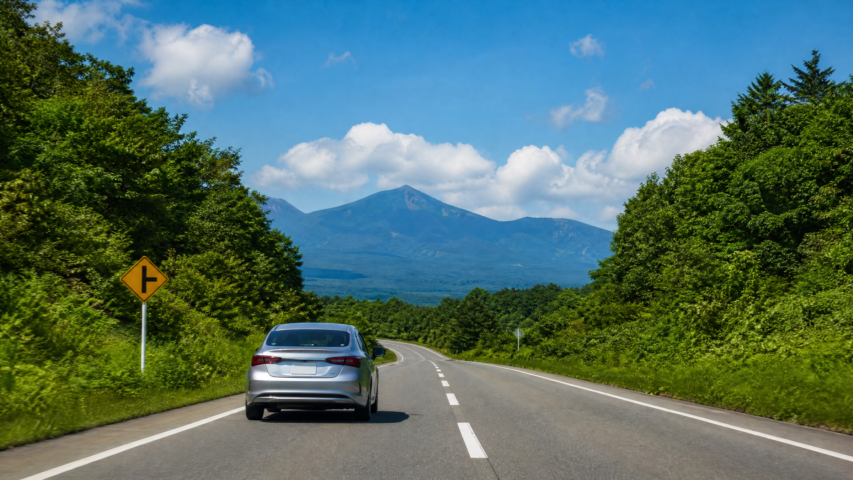
Silver sedan driving on a winding two-lane road with green trees on both sides and distant mountains under a blue sky.

日本での運転入門

日本でレンタカーを利用することは最高の自由を提供してくれます。しかし、日本での運転には独自のルールが存在します。最も顕著な違いは、車が道路の左側を通行することです。このルールを理解することは、安全な旅行のために不可欠です。

左側通行を徹底する

日本では、すべての車両は道路の左側を通行しなければなりません。運転席が右側にあり、方向指示器のレバーが右側に、ワイパーが左側にあることを意味します。ウィンカーを出そうとしてワイパーを動かしてしまうのはよくあることです。出発前に車の操作に慣れる時間を取ってください。

信号機と優先権

赤信号では、完全に一時停止しなければなりません。日本では、赤信号での左折は許可されていません。青信号で右折する場合、直進または左折する対向車が優先されます。歩行者は常に絶対的な優先権を持っています。曲がる前には必ず横断歩道を渡る歩行者や自転車を確認してください。

重要な道路標識

最も重要なのは「一時停止」の標識です。赤い逆三角形で、白い文字で「止まれ」と書かれています。この標識に遭遇した場合は、停止線の直前で完全に停止しなければなりません。もう一つは「徐行」の標識で、すぐに停止できる速度まで減速しなければならないことを意味します。

踏切での一時停止

日本の踏切ルールは非常に厳格です。遮断機の開閉状態に関わらず、すべての車両は線路を渡る前に完全に一時停止しなければなりません。停止して左右を確認し、電車の接近音に耳を傾ける必要があります。進行する前に線路の向こう側に自車が収まるスペースがあることを確認してください。

まとめ

左側を運転することは最初は不安かもしれませんが、少しの準備で適応できるでしょう。焦らずに時間をかけ、標識に注意を払い、歩行者を優先することを忘れないでください。安全な旅をお楽しみください。

Silver sedan driving on a winding two-lane road with green trees on both sides and distant mountains under a blue sky.

Introduction to Driving in Japan

For many international tourists, renting a car in Japan offers the ultimate freedom to explore hidden gems, scenic countrysides, and remote hot springs that trains simply cannot reach. However, driving in Japan comes with a unique set of rules that might differ significantly from what you are used to back home. The most prominent difference for many visitors is that traffic flows on the left side of the road. Understanding and adapting to this fundamental rule, along with familiarizing yourself with local traffic signs and driving etiquette, is crucial for a safe and enjoyable road trip. This guide provides essential tips for first-time drivers navigating Japan's roads.

The Golden Rule: Keep to the Left

In Japan, all vehicles must drive on the left side of the road. This means that the driver's seat is located on the right side of the car, and the turn signal lever is typically on the right side of the steering wheel, while the windshield wipers are on the left. It is very common for first-time drivers to accidentally turn on the wipers when intending to signal a turn. Take a few minutes in the rental car parking lot to familiarize yourself with the vehicle's controls before hitting the road. When making turns at intersections, remember to stay on the left. A helpful mnemonic is to always keep the driver's side of the car closest to the center line of the road.

Understanding Traffic Lights and Right of Way

Traffic lights in Japan operate similarly to those in most countries, but there are specific rules regarding turns. When you face a red light, you must come to a complete stop; there is no free left turn on red in Japan. You must wait for the light to turn green. When turning right at a green light, you must yield to oncoming traffic going straight or turning left. You must pull into the intersection and wait for a safe gap in oncoming traffic before completing your right turn. Furthermore, pedestrians always have the absolute right of way. Before making any turn, you must check for pedestrians and cyclists crossing the street and wait for them to clear the crosswalk.

Essential Traffic Signs to Know

While many international traffic signs are used in Japan, there are a few unique and critical signs you must recognize. The most important is the "Stop" sign, which is a red, downward-pointing triangle with the word "止まれ" (Tomare) written in white. Sometimes, the English word "STOP" is also included below it. When you encounter this sign, you must come to a complete stop just before the solid white stop line. Failure to stop completely is a major traffic violation and highly dangerous. Another vital sign is the "Slow Down" sign, an inverted white triangle with a red border and the word "徐行" (Joko). This means you must reduce your speed to a level where you can stop immediately if necessary.

Railroad Crossings: A Strict Requirement

Japan has an extensive railway network, and you will likely encounter railroad crossings during your drive, especially in rural areas. The rule for railroad crossings in Japan is very strict: every vehicle must come to a complete stop before crossing the tracks, regardless of whether the barrier is up or down, and even if no train is visible. You must stop, look both left and right, and listen for approaching trains. Additionally, you must ensure there is enough space for your vehicle on the other side of the tracks before proceeding, to avoid getting stuck on the crossing due to traffic ahead.

Speed Limits and Safe Driving Practices

Speed limits in Japan are generally lower than in many Western countries and are strictly enforced by speed cameras and police patrols. On ordinary roads, the speed limit is usually 60 kilometers per hour, but it can be as low as 30 or 40 kilometers per hour in urban or residential areas. On expressways, the limit is typically 100 kilometers per hour, though it may be reduced during adverse weather conditions. Always pay attention to the speed limit signs. Furthermore, driving under the influence of alcohol is strictly prohibited, with a legal blood alcohol limit of effectively zero.

Conclusion

Driving on the left side of the road in a new country might seem intimidating at first, but with a little preparation and cautious driving, you will quickly adapt. Remember to take your time, pay close attention to road signs, and always yield to pedestrians. Renting a car opens up a whole new dimension of travel in Japan, allowing you to discover breathtaking landscapes and authentic local experiences at your own pace. By following these fundamental traffic rules, you can ensure a safe, smooth, and unforgettable journey across this beautiful country.

Silver sedan driving on a winding two-lane road with green trees on both sides and distant mountains under a blue sky.

日本停車場的種類

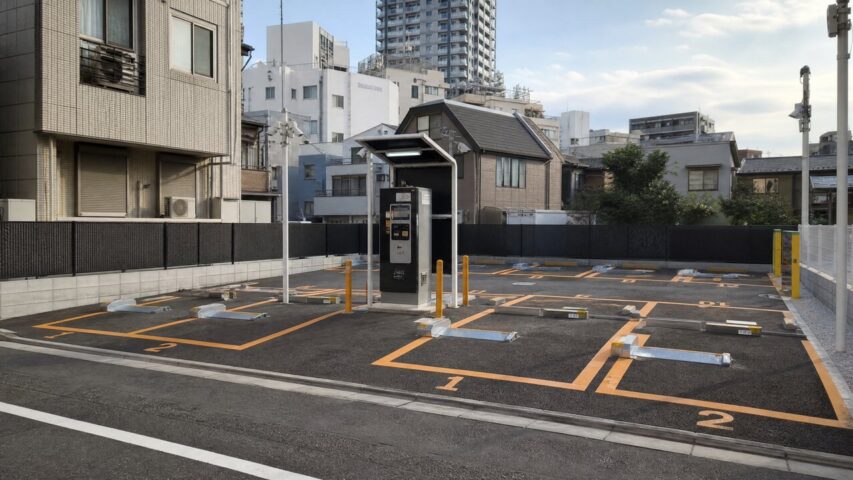
在日本租車自駕,停車場的使用方式與台灣略有不同。日本停車場主要分為鎖板式投幣停車場、閘門式停車場及預付式停車場三種類型,了解各類型的操作方式,能讓您的旅途更加順暢無憂。

鎖板式投幣停車場的使用步驟

鎖板式停車場在日本都市地區最為普遍。將車輛停入車位後,地面的鎖板會在約一至兩分鐘內自動升起,固定車輛。離場時,請前往場內的繳費機,輸入停車格編號,確認金額後完成付款,鎖板即會自動降下。請務必確認鎖板完全降下後,再緩慢駛出車位。

  • 停車後建議用手機拍下停車格編號,避免離場時忘記。
  • 繳費後請盡快離場,鎖板可能在數分鐘後再次升起。
  • 東京市中心停車費較高,使用前請先確認費率看板。

閘門式停車場的使用步驟

閘門式停車場多設於購物中心及百貨公司等大型設施。進入時於入口閘門取得停車券,停妥車輛後,離場前在設施內的繳費機或出口閘門繳費,再將停車券插入閘門即可開啟。許多商業設施提供消費折扣停車優惠,可於收銀台或服務台出示停車券辦理。

預付式與攝影機式停車場

預付式停車場在郊區觀光地較為常見。入場後先在繳費機購買所需時段的停車票,放置於儀表板明顯處即可。攝影機式停車場則會自動辨識車牌,離場前輸入車牌號碼完成付款。兩種方式若超過停車時間,均可能產生額外費用,請注意出場時間。

費率看板的閱讀方式

日本停車場看板通常標示計時費率及「最高收費」上限金額。設有上限的停車場,長時間停放也不超過該金額,相當划算。白天與夜間費率通常不同,夜間費率一般較為優惠。漢字「空」代表有空位,「滿」則代表已停滿。

倒車入庫是日本的停車禮儀

在日本,幾乎所有駕駛人都習慣倒車入庫。雖非法律規定,但這是普遍的停車禮儀,有助於提升離場時的視野安全,也是對其他駕駛人的體貼。租車旅遊時建議熟悉此技巧,以融入當地的駕車文化。

Outdoor urban parking lot with orange-lined spaces and a central kiosk under a small shelter, surrounded by buildings.

日本の駐車場の種類

日本でレンタカーを利用する際、駐車場の仕組みを知っておくと安心です。コインパーキングは主にロック板式・ゲート式・前払い式の三種類があります。

ロック板式の使い方

都市部で最も多いロック板式は、駐車後1〜2分でロック板が自動上昇し車を固定します。出庫時は精算機にスペース番号を入力して支払い、ロック板が完全に下がったことを確認してから発進してください。支払い後は時間をおかずすぐに出庫しましょう。

  • スペース番号はスマートフォンで撮影しておくと便利です。
  • 東京都心では短時間でも高額になる場合があります。

ゲート式の使い方

ショッピングモールなどの大型施設に多いゲート式は、入口で駐車券を受け取り、出庫前に精算機で支払います。商業施設では買い物後に割引サービスを受けられる場合があるため、レジで確認しましょう。

前払い式・カメラ式の使い方

郊外に多い前払い式は、入庫時にチケットを購入してダッシュボードに置きます。カメラ式はナンバープレートを自動認識し、出庫前に精算します。時間超過には注意が必要です。

料金と支払い方法

都市部では30分200〜500円程度、郊外では100円前後が目安です。「最大料金」が設定されている場合、長時間でも上限額以上は請求されません。精算機は現金・クレジットカード・SuicaなどのICカードに対応していますが、地方では現金のみの場合もあります。

バック駐車のマナー

日本ではバック駐車が一般的なマナーです。出庫時の視認性が高まり、周囲への配慮にもなります。レンタカー旅行の前に練習しておくとスムーズです。

Outdoor urban parking lot with orange-lined spaces and a central kiosk under a small shelter, surrounded by buildings.

Understanding Parking in Japan: What Every Driver Should Know

Driving through Japan's scenic countryside or exploring its vibrant cities by rental car is a rewarding experience. However, one aspect that often catches first-time visitors off guard is the parking system. Japan has a well-organized but uniquely structured parking culture, and understanding how it works will save you time, money, and frustration during your trip.

The Three Main Types of Parking Lots in Japan

Japanese parking facilities generally fall into three categories, each with its own payment method and operating procedure.

  • Lock Plate (Flap-Lock) Coin Parking: This is the most common type found in urban areas. Each space has a metal plate embedded in the ground. After you park, the plate rises automatically within one to two minutes, securing your vehicle. When you are ready to leave, walk to the central payment machine, enter your space number, pay the displayed fee, and the plate will lower. Always confirm the plate is fully down before moving your car.
  • Gated Parking Garages: Common at shopping malls, department stores, and large facilities. Take a ticket at the entrance gate, park your car, and pay at a kiosk before returning to your vehicle. Present your paid ticket at the exit gate to leave. Many commercial facilities offer discounted or free parking if you make a purchase — check at the service counter with your receipt.
  • Prepaid Coin Parking: Found more often in suburban and tourist areas. Purchase a time-based ticket at the machine upon arrival, place it visibly on your dashboard, and drive out freely when your time is up. Camera-based variants automatically read your license plate; you pay before leaving by entering your plate number at the machine.

How to Read Japanese Parking Signs

Parking signs in Japan are detailed and informative once you know what to look for. The circled "P" symbol indicates a parking facility. Look for 最大料金 (saidai ryōkin), meaning the maximum daily charge — this cap can save you significant money if you plan to park for several hours. Rates often differ between daytime (typically 8:00–20:00) and nighttime hours. The kanji 空 (kū) means "available" and 満 (man) means "full."

Parking Fees: What to Expect

Parking costs vary considerably depending on location. In central Tokyo, Osaka, or Kyoto, expect to pay between ¥200 and ¥500 per 30 minutes during peak hours. Many lots set a daytime maximum of ¥1,500 to ¥2,500 and a cheaper overnight maximum. In suburban areas and smaller towns, rates are far more affordable, often around ¥100 per 30 minutes with a 24-hour cap of ¥1,000 to ¥1,500.

Payment Methods at Parking Machines

Most modern parking machines accept cash (¥100 and ¥500 coins, ¥1,000 notes), major credit cards (Visa and Mastercard are most widely supported), and IC cards such as Suica or Pasmo. Older machines or those in rural areas may only accept cash, so always carry some coins and ¥1,000 notes as a backup. Note that ¥5,000 and ¥10,000 bills are generally not accepted.

Parking Etiquette: Reverse Parking Is the Norm

One of the first things you will notice in Japan is that nearly all drivers reverse into parking spaces rather than pulling in nose-first. While not legally required in most situations, reverse parking is a deeply ingrained social norm. It is considered safer — providing a clearer view when exiting — and more considerate to other drivers in tight spaces. When renting a car in Japan, practicing your reverse parking before heading to busy areas is highly recommended.

Practical Tips for Parking in Japan

  • Always photograph your parking space number with your smartphone before walking away.
  • Pay the parking fee only when you are ready to leave immediately, as the lock plate may re-engage after a few minutes.
  • Use apps such as NAVITIME or Google Maps to locate nearby parking lots and check real-time availability.
  • During peak seasons such as Golden Week (late April to early May) and cherry blossom season (late March to early April), popular tourist spots fill up quickly — arrive early or use public transport for the final leg.
  • If a machine displays only Japanese, look for an English button (英語) or use your phone's camera translation feature.

Parking Around Major Cities

In Tokyo, Kyoto, and Osaka, street parking is extremely limited and heavily regulated. Parking violations can result in fines and even towing. For city sightseeing, consider parking your rental car at a suburban train station and using the rail network to reach central areas — a strategy known as "Park and Ride." This approach is both economical and stress-free, letting you enjoy the city without worrying about finding a space.

With a clear understanding of Japan's parking systems, you can focus on enjoying the open road and the remarkable destinations that await. Happy driving!

Outdoor urban parking lot with orange-lined spaces and a central kiosk under a small shelter, surrounded by buildings.

日本加油站的油品種類

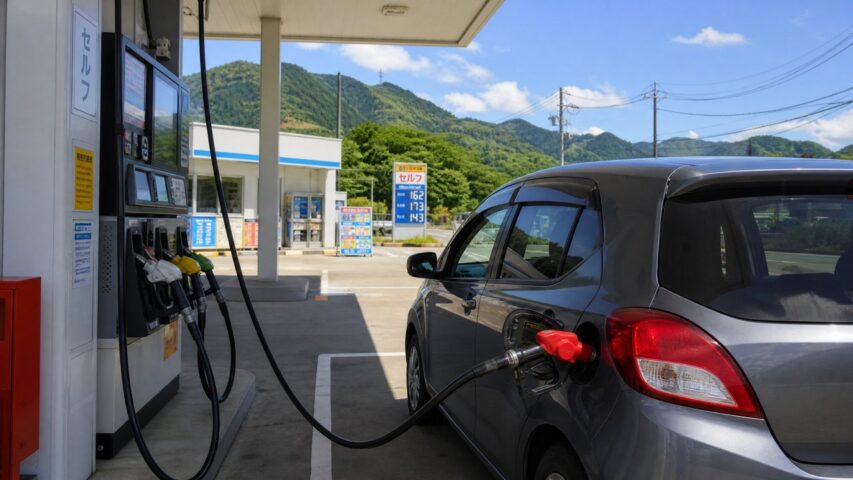
在日本租車加油,首先要認識三種油品:一般汽油(レギュラー,紅色加油槍)適用於絕大多數租賃車輛;高辛烷值汽油(ハイオク,黃色加油槍)供高性能引擎使用;柴油(軽油,綠色加油槍)僅限柴油引擎車輛。租車前務必確認車輛所需油品,若誤將柴油加入汽油車,將造成引擎嚴重損壞,修繕費用由租車人全額負擔。加油口蓋或儀表板附近通常會標示正確油品,加油前請仔細確認。

全服務與自助加油站的差異

全服務加油站由工作人員代為加油,停車後告知油品與加油量即可,適合不熟悉日語的旅客。自助加油站目前更為普遍,油價略低,依螢幕指示操作即可完成,部分機台提供英語介面,並支援信用卡付款。

自助加油站操作步驟

  • 將加油口對準加油機停車,熄火
  • 選擇付款方式(現金或信用卡)
  • 選擇「一般汽油」與「滿箱」
  • 開啟加油口蓋(車內開關或直接按壓)
  • 插入紅色加油槍,握緊扳機開始加油(加滿自動停止)
  • 歸還加油槍,關緊油蓋,取回收據
  • 現金付款者至找零機掃描收據領回零錢

鄉村地區加油注意事項

日本鄉村與山區的加油站在夜間及假日常會提早關閉,建議油量低於半箱時即主動加油。還車前請務必加滿油箱,部分租車公司會指定還車前的加油站,取車時請向工作人員確認。目前日本一般汽油參考價格約為每公升170至190日圓,40公升油箱的滿箱費用約7,000至8,000日圓。

誤加油品的緊急處理

若不慎加入錯誤油品,請勿發動引擎,立即聯繫租車公司道路救援說明情況。在未發動引擎的情況下及時處置,可將損失降至最低。

Grey car refueling at a gas station with multiple hoses plugged into the rear-right side, mountains in the background, blue sky.