日元

Blog

從機場出發,不必把第一段路排得太趕

岡山桃太郎機場的官方旅遊資訊指出,前往倉敷約需35分鐘車程,機場也提供包含租車在內的交通選擇。這個時間應視為規劃參考,而不是保證;取車手續、市區交通、天候與尋找停車位都會影響實際進度。比起急著抵達拍照點,更重要的是以從容、安全的方式開始行程。

讓汽車負責接駁,把美觀地區留給步行

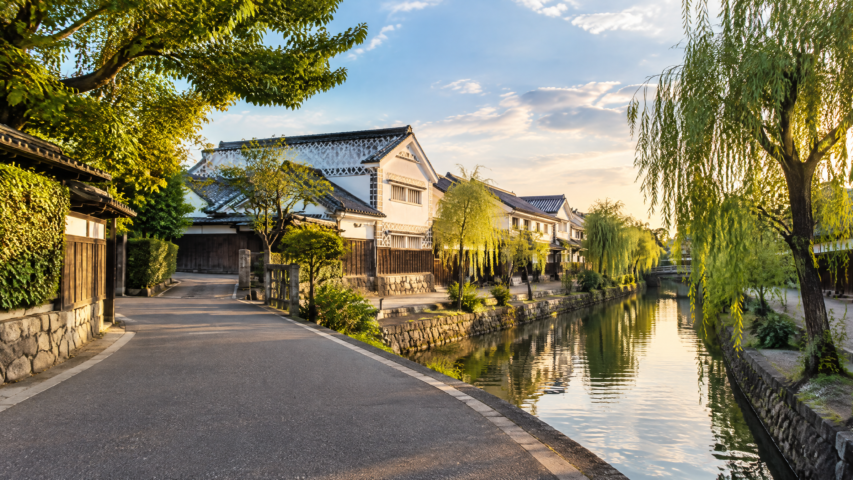
倉敷美觀地區以白牆建築、柳樹景觀、商店與文化設施聞名。岡山官方觀光資料對自駕旅客建議使用倉敷市營停車場。出發前先在導航中儲存景區與停車場,抵達後停好車再步行探索,會比把車開進觀光街區更輕鬆。

  • 在租車櫃檯確認燃料種類、車燈、雨刷、警示燈與駐車煞車的位置。
  • 出發前設定停車目的地;行駛時不操作手機或導航。
  • 停車後記錄車位或拍下停車區標示,回程更容易找到車輛。
  • 預留還車與依合約加油的時間,不要把行程排到最後一刻。

從第一個路口就採用日本道路習慣

日本汽車聯盟 JAF 說明,車輛應靠左行駛、禮讓行人、全車乘員繫好安全帶、駕駛時不可使用手機或分心操作導航,並應遵守標誌與標線顯示的速限。初次在日本開車時,請提早選擇車道,不因錯過轉彎而突然切換方向。

進入倉敷後,依指示前往預定的公共停車場,完整停入車格、上鎖,並避免把貴重物品留在可見處。美觀地區有大原美術館與常春藤廣場等文化設施;各場所的開放時間與入場條件可能變動,出發當日應再查詢官方資訊。

短程自駕也要留下餘裕

這條路線的重點很簡單:在機場完成準備、先決定停車位置、依日本交通規則專心駕駛,再以步行欣賞倉敷美觀地區。岡山機場與倉敷都位於岡山縣,不是北海道;這是西日本城市觀光的節奏。為約35分鐘的車程預留彈性,並在出發前確認機場、停車場與景點的最新資訊,租車就能成為便利的連結,而非匆忙行程的壓力來源。

規劃參考:岡山桃太郎機場官方資訊、岡山官方觀光資料、JAF 駕駛規則

空港からの最初の一走りを急がない

岡山桃太郎空港の公式案内では、倉敷まで車で約35分とされ、空港にはレンタカーを含む移動手段があります。この時間は目安です。受付、交通、天候、駐車場探しまで含め、余裕を取りましょう。写真を急いで撮るより、安全な到着を優先します。

車は移動、美観地区は徒歩で楽しむ

倉敷美観地区は白壁の建物、柳並木、店や文化施設が魅力です。公式観光案内は、自動車なら倉敷市営駐車場の利用を案内しています。目的地と駐車場をナビに登録し、到着後は停めて歩く流れにしましょう。

  • レンタカー会社で燃料種別、ライト、ワイパー、ハザード、駐車ブレーキを確認する。
  • 運転前に駐車場を目的地として設定し、走行中に操作しない。
  • 駐車位置や区画番号をスマートフォンに記録する。
  • 返却時刻と給油条件を確認し、最後に使う時間を残す。

最初の交差点から守ること

日本自動車連盟(JAF)は、車両は左側通行、歩行者優先、全員のシートベルト着用、運転中の携帯電話やナビ操作の禁止、標識による速度制限の遵守を案内しています。慣れない運転では急な進路変更をせず、標識と車線表示を見て早めに判断してください。

美観地区に着いたら、通り抜けを目的にせず、案内に従って駐車します。貴重品を車内に見せず、施錠して必要な物だけ持って歩きましょう。大原美術館やアイビースクエアなどを含む施設は、当日の営業時間や入場条件を公式情報で確認するのが安心です。

短い移動ほど余白をつくる

この行程の要点は、空港で準備し、駐車場所を決め、日本の交通ルールを意識して走り、倉敷美観地区を徒歩で楽しむことです。岡山空港と倉敷は岡山県にあります。約35分という目安に余裕を足し、空港、駐車場、訪問施設の最新案内を確認してから出発すれば、レンタカーは旅を急かす道具ではなく、快適な移動手段になります。

計画の参照先:岡山桃太郎空港、岡山県公式観光案内、JAF交通ルール

Make the first drive simple

Okayama Momotaro Airport can be a convenient starting point for a rental-car trip to Kurashiki. The airport’s official visitor information lists car rentals among its transport options and estimates about 35 minutes by road to Kurashiki. Treat that figure as a planning guide, not a promise: collection formalities, local traffic, weather and the time needed to find parking can all change the day. The most useful goal is not to race from the terminal to a photo spot. It is to begin with a calm, legal and walkable plan.

Kurashiki Bikan Historical Quarter is a good destination for that approach. Okayama’s official tourism guide describes its white-walled storehouses, willow-lined scenery, shops, cafés and cultural facilities. The historic area is best enjoyed at walking pace, so let the car handle the connection and let your feet handle the visit. Before departure, save the exact destination and the municipal parking option in your navigation app; the official visitor listing specifically directs motorists to Kurashiki municipal parking.

At the rental counter: set up the drive

Before leaving the airport, ask the staff to show you the fuel type, parking brake, lights, wipers, hazard lights and navigation language. Put the rental company’s contact details where the driver can reach them without searching while moving. If more than one person may drive, make sure every driver is properly registered under the rental agreement before the car moves.

  • Enter the parking destination before starting, then confirm the route while stationary.
  • Keep passports, rental documents and payment cards in one place, but do not leave valuables visible in the vehicle.
  • Build a time buffer for returning to the car and for the final fuel stop required by your agreement.
  • Choose the vehicle size for passengers and luggage, not for an imagined need to hurry.

Use Japanese road habits from the first junction

A relaxed route still needs full attention. JAF states that drivers keep left, yield to pedestrians, wear seatbelts, avoid mobile-phone and navigation distraction, and follow posted speed limits. Give yourself a quiet moment before the first junction to remember that left-side traffic changes the driver’s reference points and turning pattern. Let signs, lane markings and the navigation instructions guide the route rather than making last-second turns.

When you reach Kurashiki, avoid treating the historic quarter as a drive-through attraction. Follow the signs for the planned public parking facility, park fully within the marked space, lock the vehicle and take only what you need for the walk. Note the parking location in your phone or take a photograph of the area and car-park marker. This tiny step is useful after a long stroll through streets, galleries and cafés.

Turn the visit into a comfortable loop

After parking, make the Bikan quarter a walking visit rather than a checklist. Start by taking in the canal-side townscape, then choose a few places that suit your interests instead of attempting every shop or museum. The area has cultural facilities including the Ohara Museum of Art and Ivy Square, according to the official guide, but individual opening hours and admission conditions can change. Check the venue you want on the day and keep an alternative in mind.

Before returning to the airport or continuing elsewhere, pause in a safe place and review the next destination. Do not program a new route while driving. Check the fuel gauge early, confirm the correct parking exit, and give pedestrians priority when leaving busy visitor areas. Small, deliberate decisions make this short airport-to-town drive easier for a first-time visitor.

A short route that leaves room to enjoy it

The appeal of this plan is its simplicity: collect the car, set a clear parking destination, drive with Japanese road rules in mind, and explore Kurashiki Bikan on foot. The airport and the historic quarter are in Okayama Prefecture, not Hokkaido; this is a western-Japan city visit with its own pace and streetscape. Leave generous time around the 35-minute airport-to-Kurashiki estimate, verify current information with the airport, parking operator and venues, and the rental car becomes a practical link rather than the focus of the day.

Official planning references: Okayama Momotaro Airport visitor information; Okayama tourism guide to Kurashiki Bikan Historical Quarter; JAF traffic rules for drivers.

Plan for winter conditions before you collect the car

A winter road trip in Japan can be rewarding, but snow changes the decision-making long before the first snowflake reaches the windscreen. The practical question is not simply whether a vehicle is four-wheel drive. It is whether the vehicle, its equipment and your route are suitable for the conditions expected that day. Before reserving, tell the rental company the places and dates you expect to drive, then ask what winter equipment is supplied, whether it is available at that location, and what the company requires if conditions deteriorate. Keep the answer with your booking information rather than assuming every branch offers the same option.

Build a route with time to change plans. Mountain passes, expressways and local roads may be regulated, slowed or closed as weather develops. Check official road and weather information before departure and again during a stop. If a route becomes unsuitable, turning back, delaying departure or choosing a lower-risk alternative is a sound travel decision—not a failed itinerary.

Know the difference between winter-tire and chain restrictions

Japan does not have one identical winter requirement for every road. Road authorities and prefectures can apply restrictions according to conditions. NEXCO Central explains that a winter-tire regulation requires non-slip equipment, such as winter tires or tire chains, and that the detailed equipment requirements can differ by prefecture. This is why a general internet checklist cannot replace the notices for the road you actually plan to use.

A chain restriction is more demanding. The Ministry of Land, Infrastructure, Transport and Tourism explains that it can be used during exceptional heavy snow on designated sections, often where steep gradients have caused vehicles to become stranded. Under that restriction, studless winter tires alone are not enough. A four-wheel-drive vehicle without chains is not exempt either. The authority may check chain installation before the restricted section, so keep the required equipment accessible rather than under a fully packed boot.

  • Winter-tire regulation: confirm what non-slip equipment is accepted for the route and conditions.
  • Chain restriction: winter tires alone do not satisfy the restriction; chains must be fitted.
  • Closure or severe warning: do not treat a rented vehicle as a reason to continue; follow the operator’s direction and revise the plan.

Make the rental counter conversation specific

At collection, ask the staff to identify the tire type fitted to your car and to explain any equipment supplied with it. If chains are provided, ask where they are stored, whether they match the tire size, and what the company’s fitting and use instructions are. Do not buy or fit substitute equipment on the assumption it will suit the rental car. For a chain restriction, chains are basically fitted to the drive wheels, but the vehicle manual and the rental company’s instructions remain important for the exact vehicle in front of you.

Also ask about roadside-assistance contact details and what to do if a warning appears while you are travelling. Photograph the condition of the tires and the storage location of any supplied equipment only if this is permitted and does not delay the handover. The goal is to avoid searching through luggage in falling snow or trying to interpret equipment after daylight has gone.

Use information stops, not the roadside, to reassess

Conditions can change while you are already on the expressway. NEXCO Central advises drivers who need to fit chains to use the nearest service area or parking area rather than the roadside. It also notes that speed restrictions and closures can accompany winter weather. Read signs early, leave a generous following distance and reduce speed smoothly; no itinerary is worth abrupt braking on a surface whose grip has changed.

Use a service area or other safe stop to check official notices, weather and the next section of your route. Do not operate a phone while driving. If the required equipment is not fitted, not carried, or not approved for the restriction shown, leave at the appropriate interchange or change the plan in accordance with the operator’s guidance.

A calm departure checklist

  • Confirm the forecast and official road status for the full route, including the return journey.
  • Confirm the fitted tire type and the rental company’s equipment and usage instructions.
  • Keep chains and the rental company’s emergency contact information easy to reach.
  • Allow daylight and extra time; do not schedule a tight mountain or expressway connection.
  • At every safe stop, reassess the route and accept a delay, detour or cancellation when conditions call for it.

Winter preparation is not about promising that every drive will go ahead. It is about knowing which restriction applies, carrying the right equipment, and giving yourself permission to make the safer choice. That approach makes a Japan rental-car trip more flexible and far less stressful when the forecast changes.

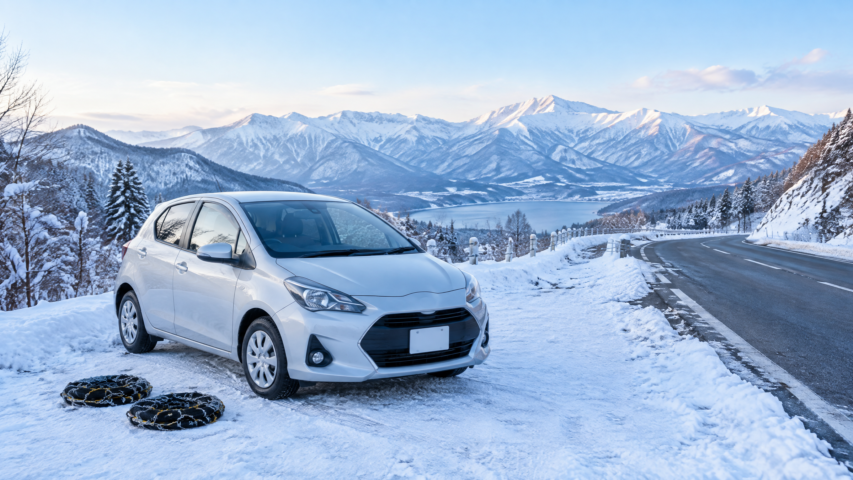
Rental car and snow chains on a winter road in Japan

予約前に雪道の準備を確認する

冬の日本でレンタカーを使うなら、四輪駆動かどうかだけで判断しません。出発日、走る地域、山道や高速道路を使う予定を伝え、冬用タイヤやチェーンを用意できるか、利用条件は何かを営業所に確認しましょう。

冬用タイヤ規制とチェーン規制の違い

NEXCO中日本は、冬用タイヤ規制では冬用タイヤまたはチェーンなどの滑り止め装置が必要になり、必要な装備は都道府県で異なると案内しています。実際に通る道路の表示を確認してください。

国土交通省が案内するチェーン規制は、異例の大雪時に指定区間で行われます。スタッドレスタイヤだけでは通れず、四輪駆動車もチェーンなしでは通行できません。規制区間の手前で装着確認が行われることもあるため、チェーンは取り出しやすい場所に置きます。

  • 冬用タイヤ規制:その道路で認められる滑り止め装置を確認する。
  • チェーン規制:冬用タイヤだけでは足りず、チェーン装着が必要。
  • 通行止め:無理に進まず、道路管理者の案内に従う。

受け取り時と走行中の安全判断

カウンターでは、タイヤの種類、チェーンの保管場所、適合サイズ、使用方法を確認します。チェーンは基本的に駆動輪へ装着しますが、車種の取扱説明と会社の指示を優先してください。

NEXCO中日本は、走行中にチェーン装着が必要になった場合、路肩ではなく最寄りのサービスエリアやパーキングエリアを使うよう案内しています。標識を早めに読み、速度を落とし、十分な車間距離を取りましょう。運転中は携帯電話を操作せず、安全に停車してから道路情報を確認します。

  • 往路と復路の道路情報、予報を確認する。
  • 日没前の到着を目標に、時間の余裕を持つ。
  • 規制や天候が変われば、延期・迂回・中止を安全な選択肢にする。

冬の準備は、必ず走り切るための約束ではありません。必要な装備と当日の規制を理解し、予定を変える余裕を持つことが、安全なドライブにつながります。

Rental car and snow chains on a winter road in Japan

訂車時先確認雪地裝備

冬季在日本租車,不能只看是否為四輪驅動。預訂時應告知取車日期、預計行駛地區,以及是否會走山路或高速公路;再向租車公司確認能否提供冬季輪胎或雪鏈與使用條件。不同營業所、車型與期間的供應可能不同,不能把其他地區的經驗直接套用。

冬胎管制與雪鏈管制不同

NEXCO中日本說明,冬季輪胎管制可能要求冬季輪胎或雪鏈等防滑設備,而且所需設備會因都道府縣而不同。因此,出發當天應以實際行駛道路的標示與官方資訊為準。

國土交通省所說的雪鏈管制更嚴格,會在罕見大雪時於指定路段實施。即使裝有無釘冬胎,也不能只靠冬胎通過;四輪驅動車沒有雪鏈同樣不符合要求。管制路段前可能會檢查安裝情況,所以雪鏈應放在容易取用的位置。

  • 冬胎管制:確認該道路接受哪些防滑設備。
  • 雪鏈管制:只有冬胎仍不足,必須安裝雪鏈。
  • 封路:不要勉強前進,依管理單位指示調整行程。

取車與行駛中的安全判斷

取車時請確認輪胎種類、雪鏈存放位置、是否符合輪胎尺寸,以及租車公司的安裝和使用指示。雪鏈原則上裝在驅動輪,但仍應以使用手冊與公司說明為優先;不要自行購買或安裝替代品。

NEXCO中日本建議,若行駛中需要裝雪鏈,應前往最近的服務區或停車區,而不是停在路肩。及早讀取標誌、平順減速並拉長跟車距離;切勿在開車時操作手機,應先安全停車再查看道路資訊。

  • 確認往返全程的官方道路資訊與天氣預報。
  • 預留日照與行程時間,不把山路或高速公路排得太緊。
  • 遇到管制或天候改變時,把延期、繞行或取消視為安全選擇。

冬季準備不是保證一定能照原計畫開完全程,而是理解當日管制、備妥正確設備,並保留改變計畫的空間。這樣才能更從容、安全地完成日本租車自駕。

Rental car and snow chains on a winter road in Japan

Plan for a calmer Furano driving day

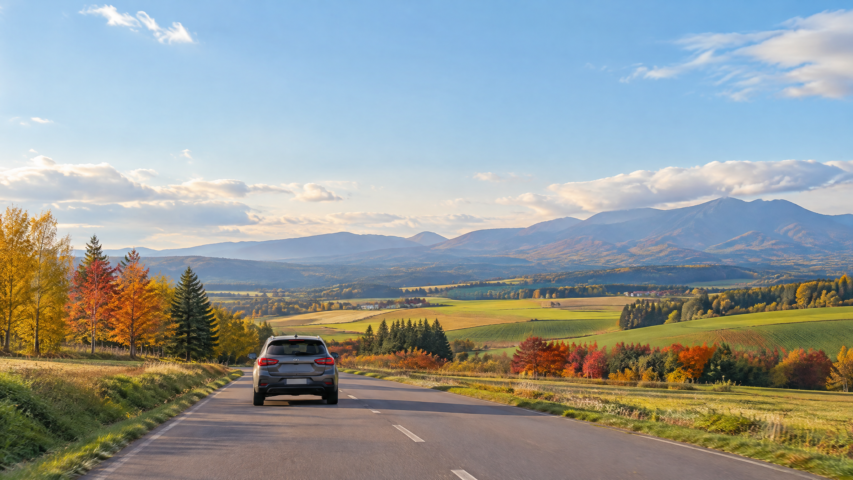
Furano is a rewarding place to explore by rental car in autumn. The area spreads across open countryside and its attractions are easier to connect by car than by trying to match every stop to a bus timetable. Japan National Tourism Organization also notes that getting around Furano’s varied attractions is easiest by rental car. That convenience is most useful when the day has room to breathe: short photo stops, an unhurried meal, and a change of plan if rain or traffic makes a road feel less comfortable.

Autumn colour arrives as the days become cooler, but a beautiful view is not a reason to compress your schedule. Pick only a few stops, keep your accommodation or return location in mind, and leave a buffer before evening. This article is not a fixed route or a promise about opening hours. Instead, it is a practical way to set up a safe, flexible self-drive day in Furano.

Set the car up before leaving town

At collection, take a quiet moment to understand the car before you join traffic. Adjust the seat and mirrors, find the lights and windscreen controls, confirm how to refuel, and save the rental office contact details. Enter the first destination while parked. Navigation is helpful, but JAF says drivers must not use a phone or be distracted by a car-navigation system while driving. If a passenger is available, let that person handle map changes and searches.

  • Download or save the day’s key locations before setting off, then review the next stop only when parked.
  • Keep a charged phone, drinking water and a small layer for changeable autumn weather within easy reach.
  • Check the fuel level before a rural detour rather than assuming a station will be close to the next viewpoint.
  • Choose one sensible turnaround time, especially if you are unfamiliar with local roads after dark.

This preparation is deliberately simple. It reduces the temptation to make last-minute turns, rush a parking decision, or troubleshoot an unfamiliar control while moving.

Use Japanese road rules as your safety baseline

In Japan, drivers keep to the left and must yield to pedestrians. Every occupant must wear a seat belt, and alcohol-impaired driving is prohibited. These rules matter on a quiet holiday drive as much as in a city. Treat crossings, narrow streets, driveways and car parks as places where a person may appear unexpectedly; reduce speed early and give people space.

Follow the signed limit rather than treating a scenic road as a target speed. JAF explains that, where no sign or road marking sets a limit, regular automobiles are limited to 60 km/h on ordinary roads and 100 km/h on expressways. Those figures do not replace observation: rain, fallen leaves, glare, road works, cyclists or an unfamiliar bend can call for a slower pace. Keep both hands ready, look well ahead, and leave a comfortable gap instead of relying on sudden braking.

Make stops without creating a problem

Furano’s scenery makes spontaneous stops tempting. The safer choice is to use an official or clearly designated parking area, position the car fully within the space, and check before opening doors. Do not stop in a live lane, block a narrow access road, or treat a farm entrance as a photo lay-by. A missed view is preferable to a manoeuvre that surprises traffic or prevents another vehicle from passing.

When several people want photographs, agree on the stop before you arrive. The driver can then focus on signs, pedestrians and the parking approach. Build time for walking from the car instead of hunting for the closest possible space. A short walk is often part of the experience, while a rushed roadside stop is not.

Enjoy September responsibly

JNTO notes that Furano has a wine festival in September. If tasting is part of the day, separate it completely from driving. Arrange a non-drinking driver for the whole vehicle or use another transport plan after consuming alcohol; do not rely on feeling fine, coffee or a meal. Make that decision before collecting the keys, not after arriving at a tasting.

A successful Furano autumn drive is measured by ease, not distance. Leave with a settled car, obey the signed road environment, park only where it is appropriate, and protect time for a safe return. That approach lets the landscape set the pace without asking the driver to take shortcuts.

Useful references: Japan National Tourism Organization—Furano; Japan Automobile Federation—Traffic Rules in Japan.

富良野では予定に余白を作る

秋の富良野は、レンタカーなら景色や食事の場所を自分のペースで結びやすい地域です。日本政府観光局も、見どころを巡るにはレンタカーが便利だと案内しています。写真や食事を詰め込まず、行き先を絞り、帰着時刻に余裕を置きましょう。

出発前に車内で済ませること

走り出す前に、座席とミラー、ライト、給油方法を確認し、連絡先を保存します。最初の目的地も停車中に設定します。JAFは、運転中の携帯電話操作やカーナビへの注意散漫を禁じています。地図の変更は同乗者に頼むか、安全に駐車してから行ってください。

  • 主要な目的地を事前に保存し、次の検索は駐車してから行う。
  • 郊外へ向かう前に燃料計を確認する。
  • 夕方以降に不慣れな道を急がないよう、折り返し時刻を決める。

左側通行と標識を基準に

日本では車は左側を通行し、運転者は歩行者を優先します。全員のシートベルト着用が必要で、飲酒運転はできません。横断歩道、細い道、出入口、駐車場では人が現れることを前提に、早めに速度を落とします。速度は必ず標識に従ってください。JAFによれば、標識や標示がない場合の普通車は一般道路で時速60キロ、高速道路で時速100キロが上限です。雨、落ち葉、逆光、見通しの悪いカーブでは、さらに低い速度が安全な場合があります。

停車と試飲は安全を優先する

景色を見つけても、走行車線、細い進入路、農地の出入口に止めてはいけません。公式または明確に指定された駐車場所を使い、車体が区画に収まっていることを確認してから降ります。富良野では九月にワインの行事が案内されています。試飲を予定するなら、運転とは完全に分けます。飲酒しない運転者を最初から決めるか、飲酒後は別の移動手段を用意してください。落ち着いた出発、標識に従う速度、適切な駐車、余裕ある帰着を心がけましょう。

参考:日本政府観光局 富良野、JAF Traffic Rules in Japan。

在富良野,把行程留白給安全

秋季的富良野適合以租車串連景點與用餐地點。日本政府觀光局指出,富良野各處景點以租車移動最方便。不過,方便不等於要把每一站排滿。拍照、用餐、下雨時的判斷,以及回程前的休息都需要時間。先挑選少數真正想去的地點,並替住宿處或還車地點保留緩衝,會比追逐距離更從容。

發動前先把車與導航準備好

離開取車地點前,先調整座椅與後照鏡,確認車燈、雨刷、加油方式,並保存租車公司的聯絡資料。第一個目的地也應在停車時輸入。JAF提醒,駕駛時不可操作手機,也不可因車載導航而分心。需要更改地圖時,請交給乘客處理,或先安全停車。

  • 先儲存當天主要地點;下一個搜尋動作留到停妥車後。
  • 前往較偏遠的地方前查看油量,必要時及早加油。
  • 設定折返時間,避免在不熟悉的道路上匆忙趕夜路。

以左側通行與標誌作為底線

日本車輛靠左行駛,駕駛人必須禮讓行人;車內所有人都要繫安全帶,而且不得酒後駕駛。在行人穿越處、狹窄道路、出入口與停車場,應預設有人可能出現,提早減速。速度務必遵從標誌。JAF說明,普通汽車在沒有速度標誌或標線時,一般道路上限為每小時60公里,高速公路為每小時100公里。雨水、落葉、逆光或視線不佳的彎道,都可能需要更慢的速度與更長的跟車距離。

停車與品酒必須分開

看到美景時,請使用正式或明確指定的停車區。不要停在行車道、狹窄通道或農地出入口。富良野在九月有葡萄酒活動。若行程包含試飲,務必把它和開車完全分開:一開始就指定全程不喝酒的駕駛,或在飲酒後改用其他交通方式。平穩出發、依標誌行駛、在合適處停車、保留安全回程時間,便是富良野秋季自駕最可靠的規劃。

參考資料:日本政府觀光局・富良野;JAF・日本交通規則。

行經平交道時,請把注意力放回駕駛

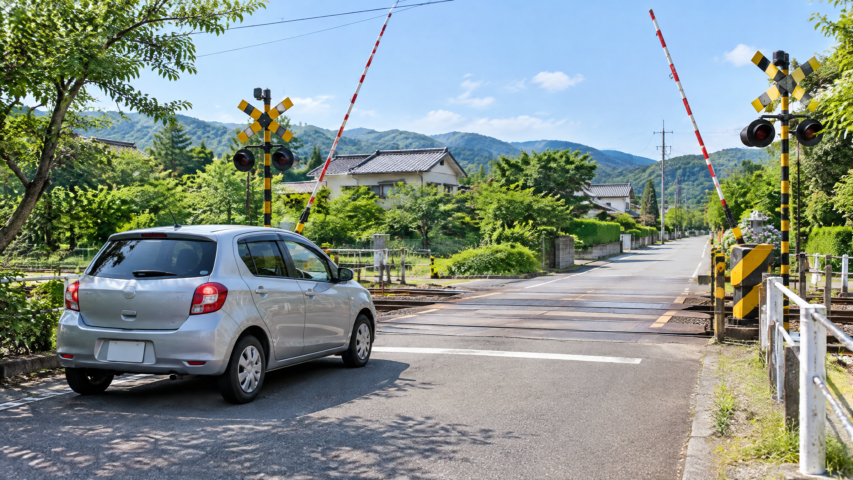
日本的鐵路平交道可能出現在市區道路、住宅區或地方路線。即使使用租車自駕,也不應把它當成可以匆忙通過的路段。JNTO 提醒駕駛人,通過鐵路平交道前必須在停止線前停車,並確認左右兩側沒有列車接近。道路看似安靜、導航剛好指向前方時,這項基本動作同樣不能省略。

取車後先在停車狀態熟悉煞車、停車檔與導航操作。把目的地和路線設定好,便能避免在接近平交道時低頭看螢幕或臨時輸入資料。

提早減速,讀懂眼前的環境

接近平交道前先放慢速度,留意標誌、停止線、警報器、柵欄、行人、自行車與前方車輛。即使後車跟得較近,也不要因此倉促判斷。請在停止線前確實停妥,查看左右是否有列車,並確認平交道另一端有足夠空間再前進。若建築物、雨勢或道路角度影響視線,更要保留時間仔細觀察。

日本採左側通行,初次駕駛者可能同時適應車道位置與轉彎方向。JAF 說明,駕駛時不得使用手機,也不能因車載導航而分心。若不確定下一個轉彎,請先通過平交道,再於安全且合法的位置停車確認;不要在軌道上或平交道前臨時研究路線。

通過前的四個固定步驟

  • 提早減速,不要錯過停止線與警示標誌。
  • 在應停的位置完全停車,確認左右、警報器與柵欄狀態。
  • 確定前方空間足夠後再通過,避免讓車輛停在軌道上。
  • 請同車旅客暫停討論路線,離開平交道後再協助導航。

把路線決定留在平交道之外

旅途中可能錯過轉彎、看不懂地名,或突然想更改目的地。這些判斷應在接近平交道前,或安全通過後再處理;絕對不要在軌道附近停車思考或急忙迴轉。可在休息區先確認下一段路線,並為每日行程預留一些時間。行程有餘裕,就更能耐心等候、觀察並依照標誌行駛。

請記住平交道的核心順序:在停止線前停車、確認左右、確定安全且前方暢通後再通過。再配合繫妥安全帶、遵守速限、絕不酒後駕駛及行駛中不使用手機,便能讓日本租車之旅更平穩安心。