日元

Blog

The Ultimate Kyoto to Nara Rental Car Day Trip Route

Embarking on a road trip from Kyoto to Nara offers one of the most rewarding driving experiences in the Kansai region. While trains are a popular choice, renting a car provides unparalleled flexibility to explore hidden gems at your own pace. The distance between Kyoto and Nara is approximately 40 kilometers, making it a perfect day trip destination. This guide will walk you through the best route, essential parking tips, and what to expect on your journey.

Nara, the ancient capital of Japan, is famous for its historical temples, shrines, and the iconic free-roaming deer. By choosing to drive, you not only enjoy the scenic views along the way but also gain the freedom to visit places that are less accessible by public transport. Whether you are traveling with family, friends, or on a solo adventure, a rental car ensures a comfortable and convenient trip.

Choosing the Best Driving Route

When driving from Kyoto to Nara, you have a few options depending on your preference for speed or scenery. The most direct toll-free route is National Route 24, which connects the two cities directly. Taking this route typically takes about 1 hour and 15 minutes to 1 hour and 30 minutes, depending on traffic conditions. It is a straightforward drive, but it can get congested during peak commuting hours or weekends.

If you prefer a faster journey and do not mind paying tolls, the Keinawa Expressway is an excellent alternative. Using the toll roads can reduce your travel time to around 45 to 50 minutes. To make the most of the toll roads, ensure your rental car is equipped with an ETC (Electronic Toll Collection) card, which allows you to pass through toll gates seamlessly without stopping for cash payments.

For those who enjoy a more leisurely drive, you might consider taking scenic detours through the countryside. These routes offer beautiful views of traditional Japanese landscapes, though they will add some time to your journey. Always ensure your GPS or navigation app is updated to help you find the best path.

Essential Parking Tips in Nara

Finding parking in Nara, especially around the famous Nara Park area, requires a bit of planning. The city attracts millions of visitors, and parking lots can fill up quickly, particularly during the spring cherry blossom and autumn foliage seasons.

  • Nara Park Public Parking Lots: There are two main public parking areas near the park: the Kofukuji parking lot and the Takabatake parking lot. These are highly convenient but tend to be the first to reach capacity. Arriving early in the morning is highly recommended.
  • Coin Parking Lots: If the main lots are full, look for private "Coin Parking" lots (often operated by companies like Times or Repark) scattered around the city center. Be sure to check the maximum daily rate (Max Charge) sign before parking, as rates can vary significantly depending on the proximity to major attractions.
  • Park and Ride: During peak tourist seasons, consider parking slightly further away from the city center and taking a short bus or taxi ride to the park to avoid severe traffic congestion near the main temples.

Driving Etiquette and Safety Around Nara Park

Driving in Nara comes with a unique set of challenges, primarily due to the famous free-roaming deer. The deer are considered sacred and have the right of way. When driving near Nara Park, Todaiji Temple, or Kasuga Taisha Shrine, you must remain highly vigilant.

Always adhere to the speed limits, which are often strictly enforced in these areas. Deer can unexpectedly cross the road, so be prepared to stop at a moment's notice. Do not honk your horn at the deer, as it may startle them and cause an accident. Additionally, be mindful of the large number of pedestrians and cyclists navigating the narrow streets around the historical sites.

Why Renting a Car is Worth It

While public transportation in Japan is incredibly efficient, renting a car for your Kyoto to Nara trip opens up a world of possibilities. You can easily detour to lesser-known temples, stop at local roadside stations (Michi-no-Eki) to sample regional delicacies, and travel comfortably without worrying about train schedules or carrying heavy bags. Just remember to familiarize yourself with Japanese traffic rules, drive on the left side of the road, and enjoy the scenic beauty of the Kansai region.
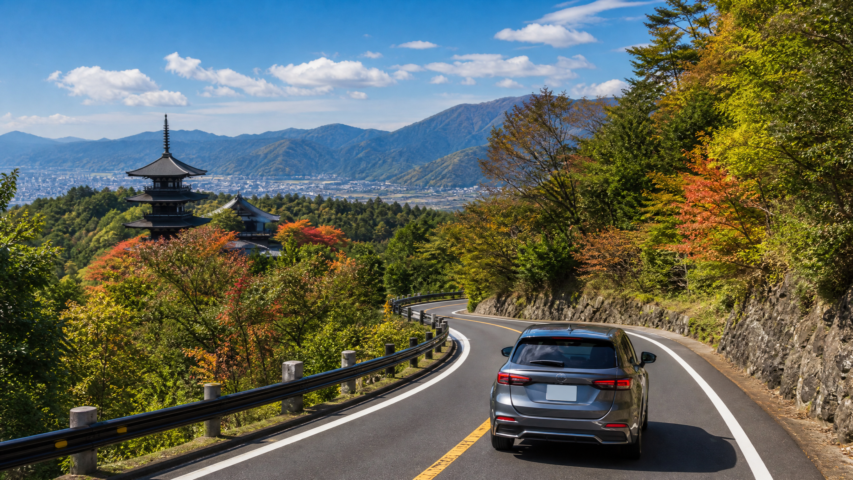
Winding mountain road with a silver SUV driving away, a pagoda on the left, colorful fall foliage, and blue hills in the distance.

伊豆半島是租車自駕的絕佳選擇

伊豆半島位於東京西南方約100公里,向太平洋延伸約60公里,是日本最受歡迎的溫泉度假勝地之一。租車自駕讓您能在一天內走訪多個溫泉鄉、前往遠離車站的海岸秘境,並以自己的節奏安排行程。熔岩塑造的壯闊海岸線、沿山脊奔馳的景觀公路、新鮮海鮮料理——伊豆將自駕旅遊的精髓濃縮於一地。

從東京出發的路線與時間

最常見的路線是走東名高速公路(E1)接小田原厚木道路(E85)與西湘繞道,抵達熱海約需2至3小時。若想欣賞富士山,可在御殿場轉入伊豆天際線,晴天時可遠眺富士山全景。使用ETC卡的單程費用約3,000至5,500日圓。週末建議早上7點前或10點後出發,避開西湘繞道的尖峰車潮。

推薦行程規劃

  • 第一天——熱海、伊東:在熱海海濱散步後,沿國道135號南下前往城崎海岸的門脇吊橋,俯瞰太平洋。晚上入住伊豆高原溫泉旅館。
  • 第二天——河津、修善寺:走訪河津七瀑步道,再穿越內陸抵達修善寺,漫步竹林小徑並參觀修禪寺。從沼津走新東名高速返回東京。

駕車重要注意事項

持外國駕照的旅客須攜帶依據1949年日內瓦公約核發的國際駕照(IDP)及本國駕照。台灣旅客請注意,台灣核發的IDP在日本不被承認,需至監理所申辦日文譯本,出發前務必辦妥。建議向租車公司租借ETC卡,車載導航以電話號碼或MAPCODE輸入最為可靠,伊豆天際線禁止路肩停車,請使用指定停車區。

主要溫泉鄉與實用資訊

熱海距東京最近,日歸入浴設施豐富;伊東、伊豆高原以海岸斷崖與美術館著稱;修善寺氛圍寧靜傳統。進入山區前請加滿油,旅館停車場通常免費,觀光地停車場建議準備零錢或QR碼支付。自駕最佳季節為春季(3至5月)與秋季(9至11月),夏季海灘人潮眾多,週末停車場易客滿。

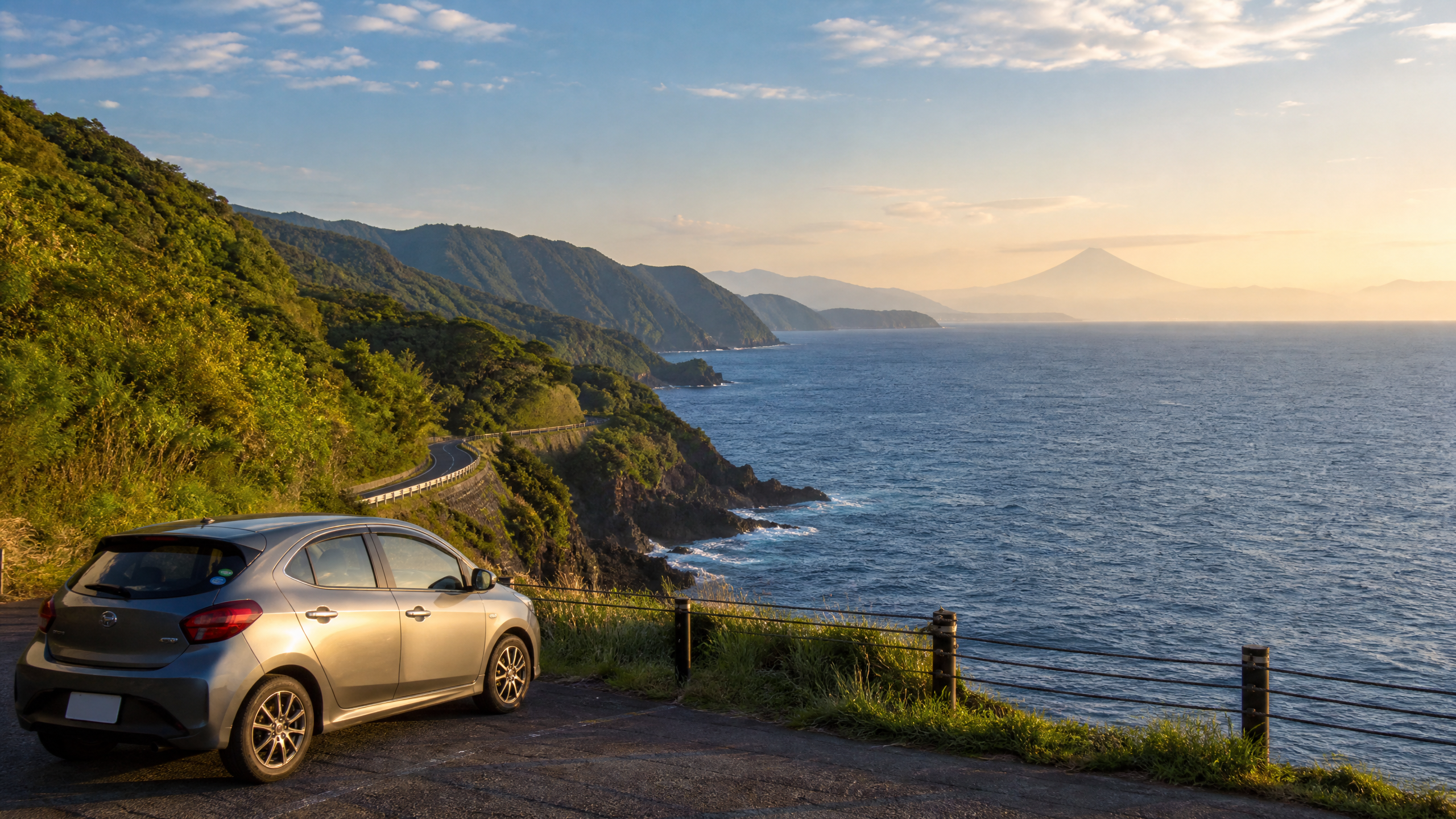
Silver hatchback parked on a coastal road overlooking the sea at sunset, with green hills and distant mountains.

伊豆半島はレンタカー旅行に最適

伊豆半島は東京から約100キロ南西に位置し、太平洋へ延びる人気の温泉リゾートです。レンタカーを使えば1日に複数の温泉地を巡り、駅から離れた絶景スポットにも気軽に立ち寄れます。溶岩の海岸線、山稜ドライブ、新鮮な海の幸——伊豆は自動車旅行の醍醐味が詰まった目的地です。

東京からのルートと所要時間

東名高速(E1)から小田原厚木道路(E85)、西湘バイパスを経由するルートが最も一般的で、熱海まで約2〜3時間です。富士山の眺望を楽しみたい場合は御殿場から伊豆スカイラインへ入るルートがおすすめです。ETCカード利用時の片道料金は目的地によって3,000〜5,500円程度です。週末は西湘バイパスが混雑するため、午前7時前か10時以降の出発が理想的です。

おすすめモデルコース

  • 1日目——熱海・伊東:熱海の海岸を散策後、国道135号を南下して城ヶ崎海岸の門脇吊橋へ。伊豆高原の旅館に宿泊。
  • 2日目——河津・修善寺:河津七滝遊歩道で滝を巡り、修善寺の竹林の小径と修禅寺を訪問。新東名で帰京。

運転の注意点

海外の方は1949年ジュネーブ条約に基づく国際運転免許証と母国の免許証を携帯してください。台湾の方はIDPではなく、監理所で取得できる日本語翻訳文が必要です。ETCカードはレンタカー会社でレンタル可能です。カーナビは電話番号またはMAPCODEで入力するのが確実で、伊豆スカイラインでは路肩停車が禁止されています。

主な温泉地と実用情報

熱海は日帰り入浴施設が充実し東京から最も近い温泉地です。伊東・伊豆高原は海岸の断崖と美術館が魅力で、修善寺は静かな川沿いの温泉街です。ガソリンスタンドは主要道路沿いに多いですが、山道へ入る前に満タンにしましょう。旅館の駐車場は無料が多く、観光地では有料駐車場に小銭またはQR決済が便利です。ベストシーズンは春(3〜5月)と秋(9〜11月)です。

Silver hatchback parked on a coastal road overlooking the sea at sunset, with green hills and distant mountains.

Why Drive to the Izu Peninsula?

The Izu Peninsula, stretching about 60 kilometres into the Pacific Ocean roughly 100 kilometres southwest of Tokyo, is one of Japan's most rewarding road-trip destinations. A rental car gives you the freedom to hop between multiple onsen towns in a single day, detour to secluded coastal viewpoints, and reach ryokan that sit far from any train station. Whether you have one day or a long weekend, a self-drive journey through Izu offers a perfect blend of hot springs, rugged lava coastlines, mountain ridge roads, and fresh seafood.

Getting There: Routes from Tokyo

The most straightforward route from central Tokyo to northern Izu takes the Tomei Expressway (E1) toward Atsugi, then transfers to the Odawara-Atsugi Road (E85) and the Seisho Bypass along the coast. This brings you to Atami in roughly two to three hours depending on traffic. For a more scenic approach, enthusiasts can branch off near Gotemba and take the Izu Skyline, a toll scenic road that runs along the peninsula's central ridge with sweeping views of Mount Fuji on clear days. One-way expressway tolls with an ETC card typically range from ¥3,000 to ¥5,500 depending on your destination.

To avoid congestion, aim to depart Tokyo before 7:00 AM or after 10:00 AM on weekends and public holidays. The Seisho Bypass can become heavily congested during holiday mornings and after typhoons, so check live traffic reports before you set off.

A Recommended Two-Day Itinerary

The following route covers the peninsula's eastern highlights and gives you time to soak in multiple hot springs without feeling rushed.

  • Day 1 – Atami and Ito: Start at Atami, the closest onsen city to Tokyo, and enjoy a morning stroll along the seafront promenade. Continue south along National Route 135 to Ito, where you can visit the Jogasaki Coast—a dramatic stretch of lava cliffs formed by ancient eruptions of Mount Omuro. The suspension bridge at Kadowaki offers a memorable view of the Pacific. Spend the night at a ryokan in Izu-Kogen.
  • Day 2 – Kawazu and Shuzenji: Head south to Kawazu to walk the Nanadaru trail, a forested path past seven waterfalls. Then cross the peninsula's interior to Shuzenji, one of Izu's oldest hot-spring towns, famous for its bamboo-lined riverside path and the historic Shuzenji Temple. Return to Tokyo via the Shin-Tomei Expressway through Numazu.

Key Driving Tips for Izu

Overseas visitors must carry a valid International Driving Permit (IDP) based on the 1949 Geneva Convention alongside their home licence. Note that Taiwan residents need an official Japanese translation of their licence rather than an IDP—this can be obtained at any Motor Vehicles Office in Taiwan before departure. An ETC card is strongly recommended for smooth toll payment and discounted expressway rates; most rental companies offer ETC card rental at the counter.

Navigation is straightforward with the in-car GPS system. Entering a destination by phone number or MAPCODE is the most reliable method. Google Maps works well on main roads but occasionally routes drivers onto very narrow local lanes, so prefer major roads when in doubt. On the Izu Skyline and other scenic toll roads, stopping on the shoulder is prohibited—use designated rest areas and viewpoints.

Onsen Towns Worth Visiting

Atami is the most accessible onsen town from Tokyo and offers a wide range of day-use baths and seaside ryokan. Ito and Izu-Kogen are known for their coastal cliffs, art museums, and dog-friendly accommodation. Shuzenji, set inland along the Katsura River, has a quieter, more traditional atmosphere. Kawazu is famous for its early-blooming Kawazu cherry blossoms in late January and February, which draw large crowds and require early departure from Tokyo. Shimoda, at the southern tip of the eastern coast, features white-sand beaches and ocean-view open-air baths.

Practical Information

Petrol stations are plentiful along Route 135 and in major towns; fill up before heading onto mountain scenic roads where stations become sparse. Parking at most ryokan is free for guests, but coastal towns charge for lots near beaches and promenades—carry coins or a QR-code payment app. The best seasons for Izu driving are spring (March to May) for mild weather and clear skies, and autumn (September to November) for post-typhoon blue skies and comfortable onsen temperatures. Summer is busy with beach visitors, so parking fills early and coastal roads can be slow on weekends.

Silver hatchback parked on a coastal road overlooking the sea at sunset, with green hills and distant mountains.

日本山區租車自駕的基本認知

日本國土有將近七成是山地與丘陵。當您前往風景名勝旅遊時,租車行駛於山路是非常常見的情況。然而,山區道路與平坦的市區道路大不相同,需要特定的駕駛技巧與高度的注意力。為了確保旅途安全與舒適,事先了解日本山路駕駛的注意事項是絕對必要的。

彎道與上下坡道的正確應對方法

日本山路的最大特徵就是連續的急彎與起伏。最基本的原則是保持充足的安全距離。進入彎道前,務必先踩煞車充分減速;在彎道行進中,盡量保持穩定的速度,避免頻繁踩踏煞車。在連續下坡的路段,如果長時間只依賴腳煞車,會導致煞車系統過熱,引發煞車失靈。為了避免這種風險,請務必善用「引擎煞車」。對於自排車而言,可以將排檔切換至「B」檔或「2」檔等低速檔位,利用引擎的阻力來控制車速,減輕腳煞車負擔。

山區道路的駕駛禮儀與會車原則

在狹窄的山路會車時,日本的基本禮儀是「上坡車輛優先」。這是因為上坡車輛一旦停下來,重新起步時車輛容易向後滑動,增加碰撞危險。因此,如果在狹窄路段遇到對向來車,下坡的車輛應該主動尋找避車彎停靠讓行。另外,如果您發現後方已經大排長龍時,請不要感到有壓力。最安全的做法是在遇到避車彎時,主動靠邊停車,讓後方車輛先行通過,這樣既能保持交通順暢,也能讓自己安心駕駛。

行前準備與野生動物防範

由於山路彎道多,乘客非常容易暈車。強烈建議在出發前準備好暈車藥。駕駛者在山路行駛也容易感到疲勞,因此在行車途中務必安排適當的休息時間。最後,在鄉間與山區道路行駛時,必須隨時警惕野生動物突然竄出。特別是在清晨與黃昏時段,經常會有鹿等動物穿越道路。保持適當的車速並隨時注意路況,就能確保這趟日本租車自駕之旅安全又充滿美好回憶。

Curvy mountain road winding through a forest, with a silver car on the left and distant green mountains under a blue sky.

日本の山道をレンタカーで走る際の基本

日本は国土の約7割が山地や丘陵地です。地方の観光地を巡る際、レンタカーで山道を運転する機会は非常に多くなります。山道は平坦な市街地とは異なり、特有の運転技術と注意が求められます。安全で快適なドライブを楽しむためには、山道ならではのポイントを事前に理解しておくことが不可欠です。

カーブと坂道の適切な対処法

山道は急なカーブやアップダウンが連続します。まず基本となるのは、十分な車間距離を保つことです。カーブを曲がる際は、進入する前にブレーキを踏んで減速し、途中では速度を一定に保つよう心がけましょう。また、長い下り坂でフットブレーキだけを使い続けると、ブレーキが過熱して効かなくなる恐れがあります。これを防ぐため、エンジンブレーキを積極的に活用しましょう。AT車の場合は、ギアを「B」や「2」に入れることで安全に減速できます。

山道特有の運転マナーと譲り合い

狭い山道でのすれ違いでは、基本的に「上りの車を優先」するのがマナーです。上り坂で停止してしまうと、再発進時に車が後退して後続車と衝突する危険があるためです。道幅が狭く対向車と鉢合わせた場合は、下りの車が待避所などで道を譲るようにしましょう。また、慎重に運転していると、後ろに後続車が連なってしまうことがあります。無理をせず、待避所や広い路肩を見つけて後続車を先に行かせるゆとりを持つことが大切です。

事前の準備と野生動物への注意

山道はカーブが連続するため、同乗者が車酔いしやすくなります。事前に酔い止め薬を準備しておくと安心です。さらに、地方の山道では野生動物の飛び出しにも注意が必要です。特に早朝や夕暮れ時は、鹿などが道路を横断することがあります。スピードを控えめにし、周囲の状況に常に気を配ることで、安全なレンタカーの旅を実現してください。

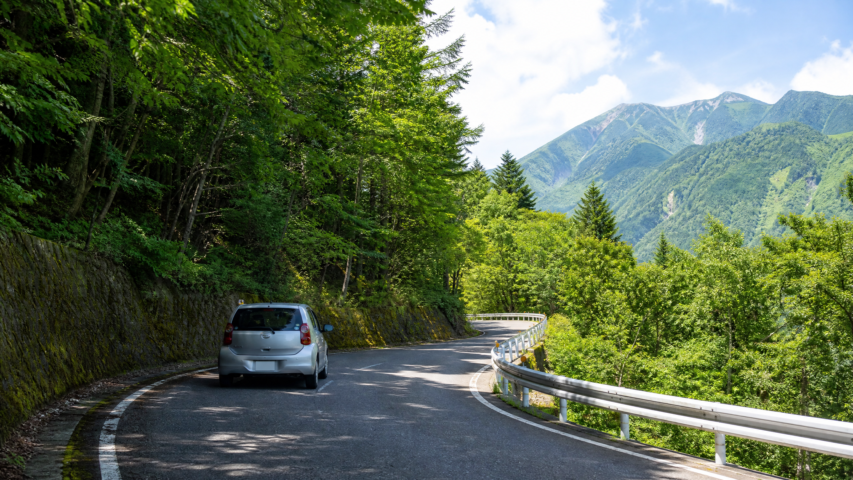
Curvy mountain road winding through a forest, with a silver car on the left and distant green mountains under a blue sky.

Introduction to Mountain Driving in Japan

Japan is a country where over 70% of the land consists of mountains and hills. For many travelers exploring the countryside or scenic spots, driving a rental car on mountain roads is an unavoidable yet deeply rewarding experience. However, navigating these winding, narrow paths requires a different set of skills compared to city driving. Understanding the unique challenges of Japanese mountain roads is essential for a safe and enjoyable journey. This guide will provide you with the necessary knowledge to handle steep inclines, sharp curves, and local driving etiquette, ensuring your trip is memorable for the right reasons.

Essential Tips for Winding Roads

Mountain roads in Japan are characterized by sharp curves, steep inclines, and frequent descents. When driving on these routes, it is crucial to maintain a safe following distance. The unpredictable nature of these roads means the vehicle in front might brake suddenly, or an oncoming car might appear unexpectedly around a blind corner. You must always be prepared to react quickly.

Approaching curves requires careful use of the accelerator and brakes. Always apply the brakes to slow down before entering a curve. While navigating the bend, try to maintain a steady speed without braking further, as sudden braking can cause loss of control. Once the exit of the curve becomes visible, gently accelerate to exit smoothly. This proactive approach ensures stability and passenger comfort, reducing the risk of motion sickness and accidents.

Managing Steep Inclines and Descents

Continuous downhill driving can put excessive strain on your brakes. Relying solely on the foot brake can lead to overheating and a dangerous condition known as vapor lock, where the brakes fail entirely. To prevent this, always utilize engine braking on long descents. For automatic transmission vehicles, shifting into the 'B' or '2' gear range will engage engine braking, allowing you to control your speed safely while preserving your foot brakes for when they are truly needed. This technique is a lifesaver on Japan's mountainous terrain.

Conversely, when facing steep uphill climbs, keeping the car in the standard 'D' (Drive) gear might result in a loss of momentum. Shifting down to '2' or 'S' provides more power and prevents the vehicle from slowing down too much. Adjusting your seating position to sit slightly more upright can also improve your visibility and control over the pedals, making it easier to navigate challenging sections.

Understanding Local Driving Etiquette

Etiquette on narrow mountain roads is just as important as driving technique. In Japan, the general rule is that vehicles traveling uphill have the right of way. If an uphill vehicle is forced to stop, restarting on a steep incline can be difficult and dangerous, potentially causing the car to roll back. Therefore, if you meet an oncoming car on a narrow section where passing is difficult, the downhill vehicle should yield and find a safe spot to pull over. This mutual respect keeps traffic flowing smoothly.

Additionally, if you are driving cautiously and notice a line of cars forming behind you, it is polite to pull over at the nearest designated passing area or wide shoulder to let them pass. This reduces pressure on you and ensures a smoother flow of traffic for everyone. Japanese drivers appreciate this considerate behavior.

Preparation and Wildlife Awareness

Preparation is key before heading into the mountains. Winding roads can easily cause motion sickness for passengers, especially children. It is highly recommended to prepare motion sickness medication in advance. Taking regular breaks before and during the mountain drive is also vital to stay refreshed and focused. Plan your route to include stops at scenic viewpoints or rest areas.

Finally, be aware of wildlife. In rural and mountainous areas, especially at dawn or dusk, animals like deer, monkeys, or foxes may suddenly cross the road. Driving at a moderate speed and staying alert will give you enough time to react safely. By following these guidelines, your mountain driving experience in Japan will be both safe and incredibly enjoyable.

Curvy mountain road winding through a forest, with a silver car on the left and distant green mountains under a blue sky.

日本租車停車完全指南

在日本租車自駕,停車是許多旅客感到困惑的環節。日本有嚴格的停車規定,特別是在東京、大阪等大城市,路邊停車幾乎不可行,必須使用付費停車場。了解基本規則,能讓您的自駕旅程更加順暢。

三大停車場類型

市區最常見的是地鎖式停車場。停車後地面鎖板自動升起固定車輛,繳費後鎖板下降即可離場。繳費後請盡快移車,否則鎖板可能再次升起。

閘門式停車場常見於百貨公司及購物中心。入場取票,離場前繳費。許多商業設施提供消費折抵停車費服務,記得在店內結帳時請店員驗證停車券。

預付式停車場多見於郊區景點,入場後先繳費購票放於儀表板,離場時直接開車離去,適合長時間停車。

停車費用與付款

東京都心停車費可達每10分鐘500日圓以上,地方城市則通常每小時100至200日圓,部分地點免費。大多數停車場設有每日最高收費上限,長時間停車時務必確認。付款以現金為主,部分停車場支援IC卡及信用卡,建議隨身備妥零錢。

重要規則與注意事項

  • 標示月極的車位為月租專用,切勿停入。
  • 違規停車罰款為1萬至1萬8千日圓,需前往指定警察局辦理。
  • 日本普遍採用倒車入庫方式,請遵守當地駕駛禮儀。
  • 停車後立即拍下車位號碼,避免在大型停車場找不到車。

尋找停車場的實用工具

善用「Times停車場」或「Park24」等手機應用程式,可即時查詢附近停車場的空位狀況與收費資訊。Google地圖同樣會顯示周邊停車場位置及大概費用,出發前先查好目的地附近的停車選項,旅遊旺季或週末假日尤其重要,因為熱門景點附近的停車場容易客滿。隨身備妥千元紙鈔與零錢,停車後立即設定手機提醒,避免超時產生額外費用,讓您在日本的自駕旅程無憂無慮,盡情享受沿途風景與各地美食。

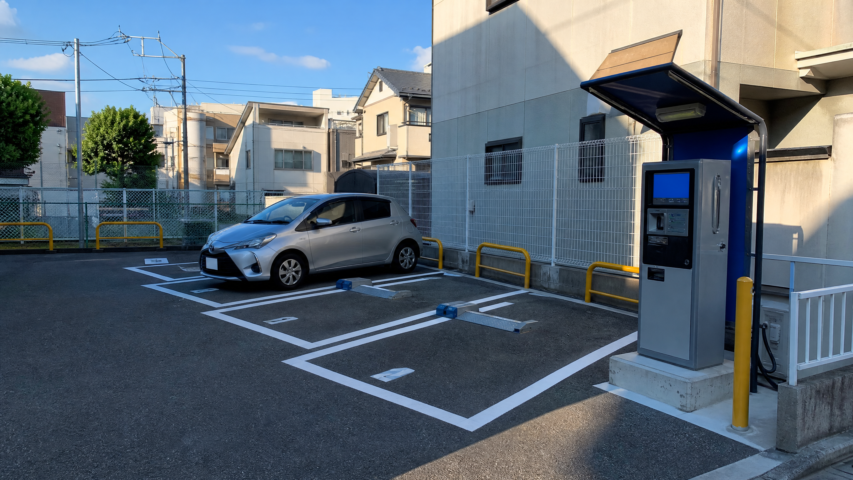
Silver compact car parked in a marked outdoor parking space near a blue-roofed EV charging kiosk on the right.

レンタカーで使える日本の駐車場ガイド

日本でレンタカーを利用する際、駐車場の使い方を事前に知っておくと安心です。日本のコインパーキングは独自のシステムを採用しており、主に3種類あります。

コインパーキングの種類と使い方

都市部で最もよく見かけるのがロック板式です。駐車すると地面からロック板が上がり車を固定します。出庫時は精算機でスペース番号を入力して料金を支払うとロック板が下がります。精算後はすぐに出庫しないと再びロック板が上がるので注意しましょう。

ゲート式はショッピングモールや大型施設に多く、入庫時に駐車券を受け取り、出庫時に精算します。施設内で買い物をすると駐車料金が割引になる場合があるため、サービスカウンターで確認しましょう。

前払い式は郊外の観光地に多く、入庫時に料金を先払いしてチケットをダッシュボードに置きます。長時間駐車に向いています。

料金と支払い方法

東京都心では10分あたり500円以上になる場所もありますが、地方では1時間100〜200円程度の駐車場も多くあります。多くの駐車場に「1日最大料金」が設定されているので、長時間利用時は必ず確認してください。支払いは現金が基本ですが、ICカードやクレジットカードに対応した精算機も増えています。

駐車ルールと注意点

  • 月極と表示されたスペースは月契約者専用です。絶対に駐車しないでください。
  • 違法駐車の罰金は1万〜1万8千円で、指定警察署での手続きが必要です。
  • 日本ではバック駐車が一般的なマナーです。
  • 大型駐車場では駐車スペースの番号や区画をスマートフォンで撮影しておきましょう。

「タイムズ駐車場」などのアプリを使えば周辺の空き駐車場をリアルタイムで検索できます。事前に目的地周辺の駐車場を調べておくことで、快適なドライブ旅行をお楽しみください。

Silver compact car parked in a marked outdoor parking space near a blue-roofed EV charging kiosk on the right.

Understanding Parking in Japan: A Practical Guide for Rental Car Drivers

One of the most common challenges for visitors driving a rental car in Japan is finding a suitable parking spot, especially in busy city centers. Unlike many countries where street parking is relatively easy to find, Japan has strict parking regulations and a unique system of paid parking lots that can be confusing at first. Understanding how parking works before you hit the road will save you time, money, and unnecessary stress.

Types of Parking Lots in Japan

Japan has three main types of coin parking lots that you will encounter during your trip. The most common in urban areas is the lock plate type (ロック板式). When you park your car, a metal plate rises from the ground beneath your vehicle, preventing you from leaving until you pay. To exit, go to the payment machine, enter your parking space number, pay the displayed fee, and wait for the lock plate to lower before driving out. Be sure to leave promptly after payment, as the plate may rise again if you delay.

The second type is the gate type (ゲート式), commonly found at shopping malls, department stores, and large facilities. You take a ticket at the entrance gate, park your car, and pay at a machine near the exit before leaving. Many commercial facilities offer free or discounted parking if you make a purchase, so always ask at the store counter for a validation stamp before heading back to your car.

The third type is the prepaid type (前払い式), often seen in suburban tourist areas. You pay for your intended parking time upfront, place the ticket on your dashboard, and simply drive out when you leave. These lots are well-suited for longer stays at sightseeing spots.

Parking Fees and What to Expect

Parking fees in Japan vary significantly by location. In central Tokyo and other major city centers, fees can reach 500 yen or more per 10 minutes in prime locations. Most coin parking lots display a rate board showing the per-minute or per-hour charge, along with a daily maximum fee. Always check the rate board before parking to avoid surprises. In smaller towns and rural areas, parking is often free or very affordable, with daily rates around 300 to 500 yen.

Regarding payment methods, most machines accept 1,000-yen bills and coins. Many modern parking lots also accept IC cards (such as Suica or Pasmo) and credit cards, but it is wise to carry some cash as a backup, since not all machines support card payments.

Key Rules and Etiquette

Japan enforces its parking laws strictly. Leaving your car on the roadside, even for a few minutes, can result in a parking violation sticker being placed on your vehicle. Fines range from 10,000 to 18,000 yen, and you will need to report to the designated police station to process the violation. When renting a car, you are required to present the fine paperwork and payment receipt to the rental company upon return.

  • Never park in spaces marked 月極 (tsukigime) — these are reserved monthly rental spots.
  • Always reverse into parking spaces, as this is standard practice in Japan and makes exiting safer.
  • In automated multi-story garages, fold in your side mirrors before leaving the vehicle on the platform.
  • Take a photo of your parking space number or floor level to avoid getting lost in large parking structures.

Finding Parking Spots

Several smartphone apps can help you locate nearby parking lots in Japan. Times Parking and Park24 are widely used services with apps that show real-time availability and pricing. Google Maps also displays parking lots and their approximate fees. Planning your parking in advance, especially when visiting popular tourist destinations, will help you avoid circling busy streets looking for a space.

Tips for a Stress-Free Parking Experience

When driving a rental car in Japan, a little preparation goes a long way. Always check whether your destination has a dedicated parking lot before you depart. Keep a supply of 1,000-yen bills and coins for parking machines. Note your parking space number immediately after parking, and if possible, set a reminder on your phone for the parking expiry time. By following these simple steps, you can focus on enjoying Japan's incredible scenery and destinations without worrying about parking.

Silver compact car parked in a marked outdoor parking space near a blue-roofed EV charging kiosk on the right.