← Driving in Japan

Green signs, ETC lanes, toll tickets, service areas.
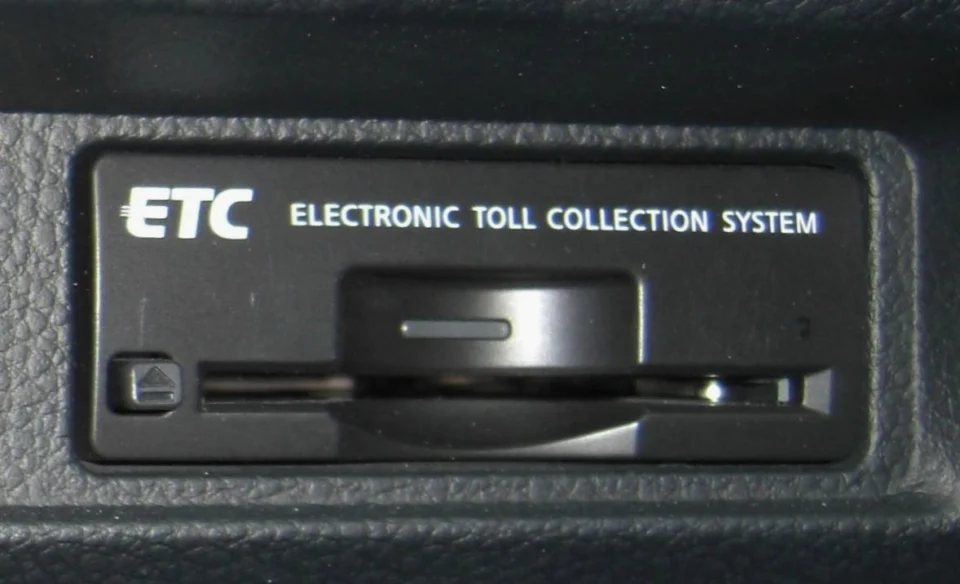
An ETC reader. Check the card is inserted before you get on the expressway.
An ETC reader. Check the card is inserted before you get on the expressway.Photo: TTTNIS / Public domain · Wikimedia Commons
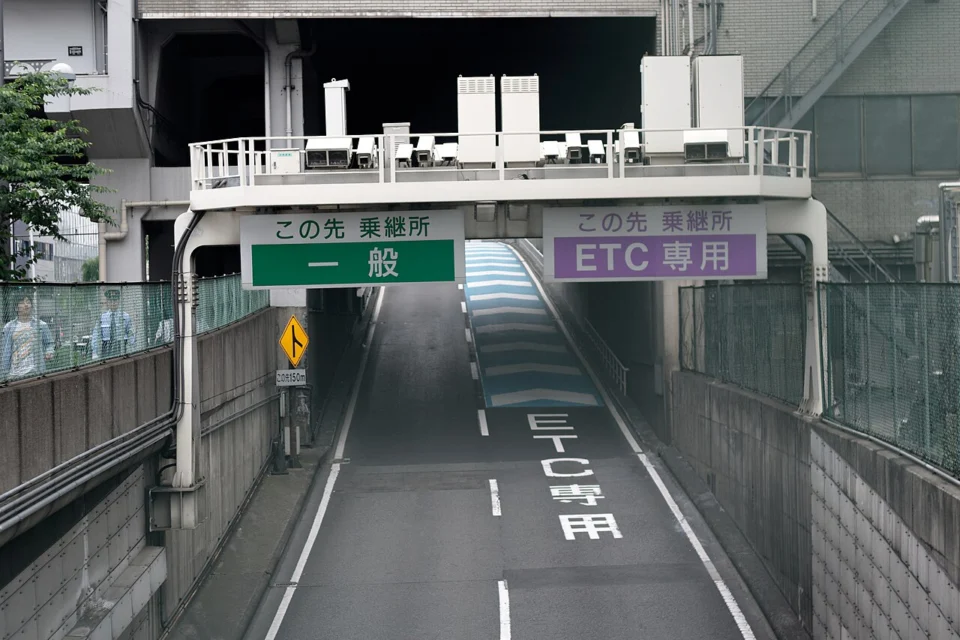
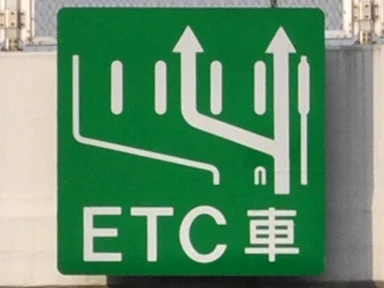
Signs show which lanes are ETC (purple) and General (green).
Signs show which lanes are ETC (purple) and General (green).Photo: Nikm / Public domain · Wikimedia Commons
Toll gate lanes: 一般 (General) and ETC専用 (ETC only).
Toll gate lanes: 一般 (General) and ETC専用 (ETC only).Photo: Keiichi Yasu / CC BY-SA 2.0 · Wikimedia Commons

Before you get on the expressway

  • Check the ETC card is inserted in the reader (if you added an ETC card to your booking). The car will beep or show a message when it is read.
  • Fill up first. Fuel stations on expressways can be far apart, especially at night and in the countryside.

Reading the signs

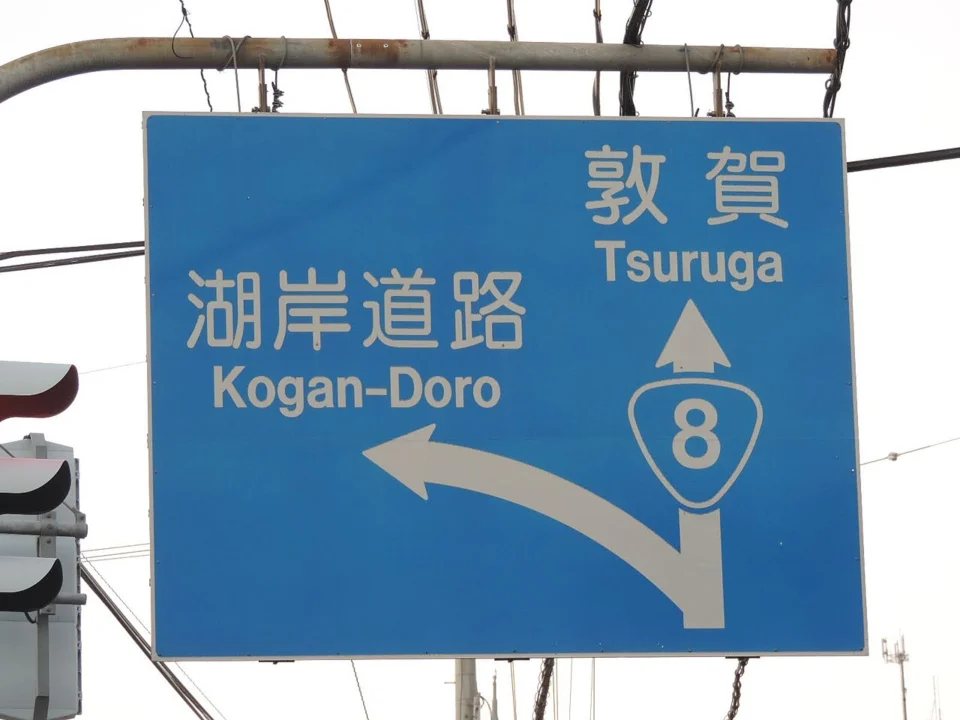
Expressway signs are green; ordinary road signs are blue. Green signs show the route name and number, the entrance or junction name and the direction — for example “Route 3 · Nakanoshima-nishi entrance · Kobe”.
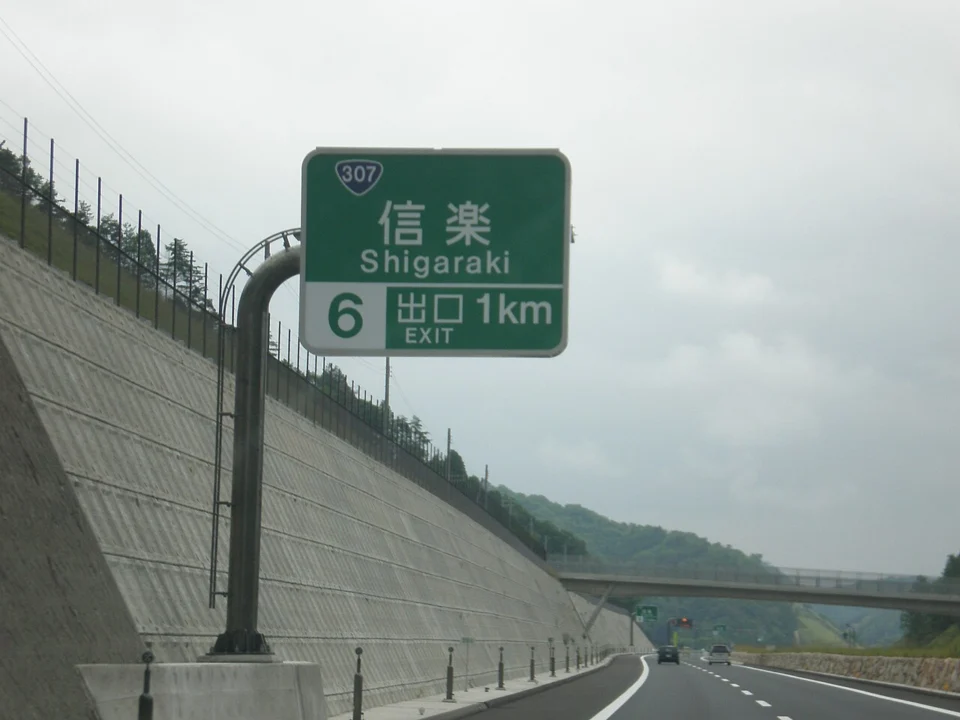
Expressway signs are green.
Expressway signs are green.Photo: W-nexco / CC BY 3.0 · Wikimedia Commons
Ordinary road signs are blue.
Ordinary road signs are blue.Photo: 運動会プロテインパワー / CC BY-SA 4.0 · Wikimedia Commons

At the toll gate

LaneWho uses it
ETC 専用 ETC onlyCars with an ETC card inserted. Slow down to 20 km/h or less — the bar opens automatically.
ETC/一般 ETC / GeneralBoth ETC and cash/card payment.
一般 GeneralNo ETC card. Take a ticket at the entrance and pay by cash or credit card at the exit.
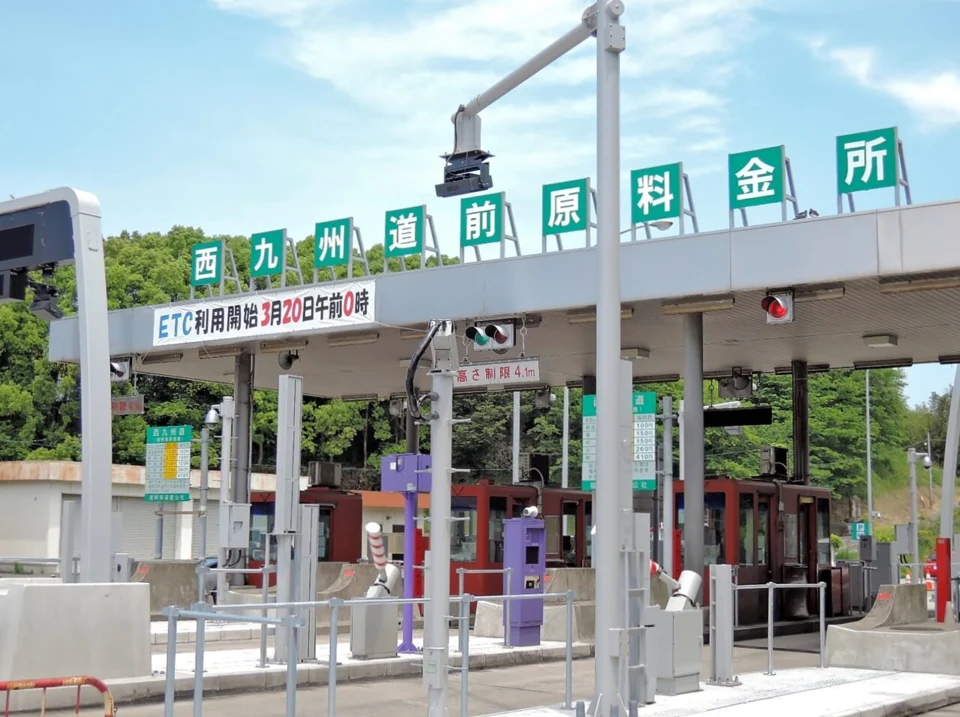
A toll gate. Check the sign above each lane before you choose one.
A toll gate. Check the sign above each lane before you choose one.Photo: ja:User:Sanjo / CC BY-SA 4.0 · Wikimedia Commons
A toll ticket from a General lane. Keep it until the exit.
A toll ticket from a General lane. Keep it until the exit.Photo: W-nexco / CC BY-SA 3.0 · Wikimedia Commons
Exit toll booths: hand over the ticket and pay here.
Exit toll booths: hand over the ticket and pay here.Photo: 奈良泉 / CC BY-SA 4.0 · Wikimedia Commons
If the bar does not open in an ETC lane, stop and stay in the car. Do not reverse. Turn on your hazard lights and use the intercom or wait for staff.

Paying for tolls

With our ETC card, tolls are recorded automatically and settled when you return the car — no cash needed on the road. Without an ETC card, use the green General lane.

Service areas (SA) and parking areas (PA)

SAs are large rest stops with toilets, restaurants, shops and usually a fuel station. PAs are smaller — toilets and vending machines, sometimes a shop. Signs show the facilities and the distance to the next one.

Service area sign: facilities and distance to the next stop.
Service area sign: facilities and distance to the next stop.Photo: 運動会プロテインパワー / CC BY-SA 4.0 · Wikimedia Commons
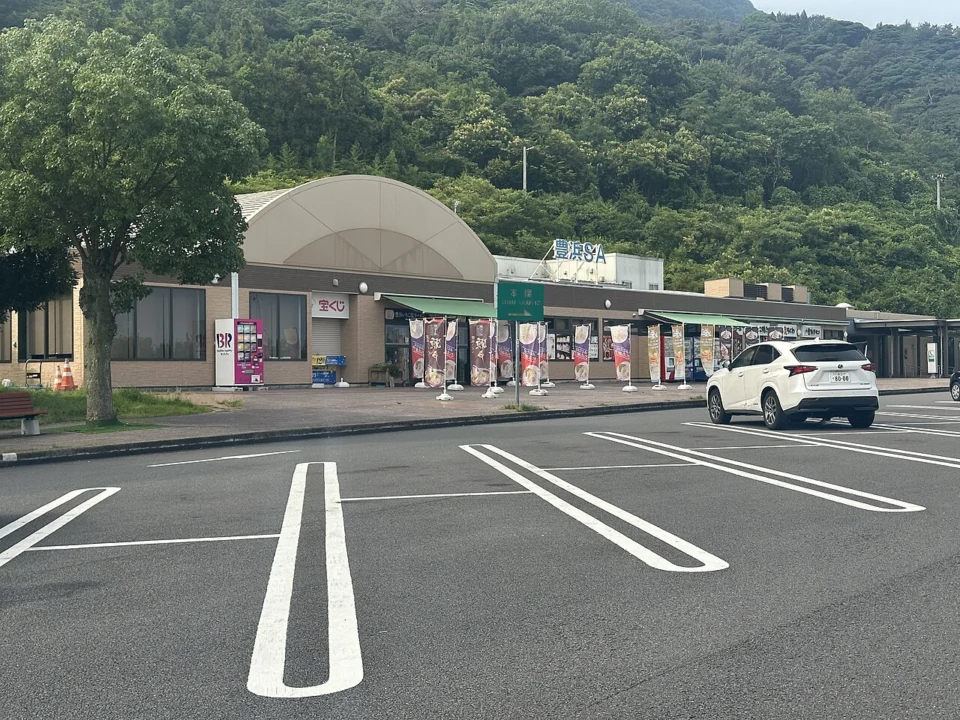
A service area (SA): parking, toilets, food and shops.
A service area (SA): parking, toilets, food and shops.Photo: ノボホショコロトソ / CC BY 4.0 · Wikimedia Commons
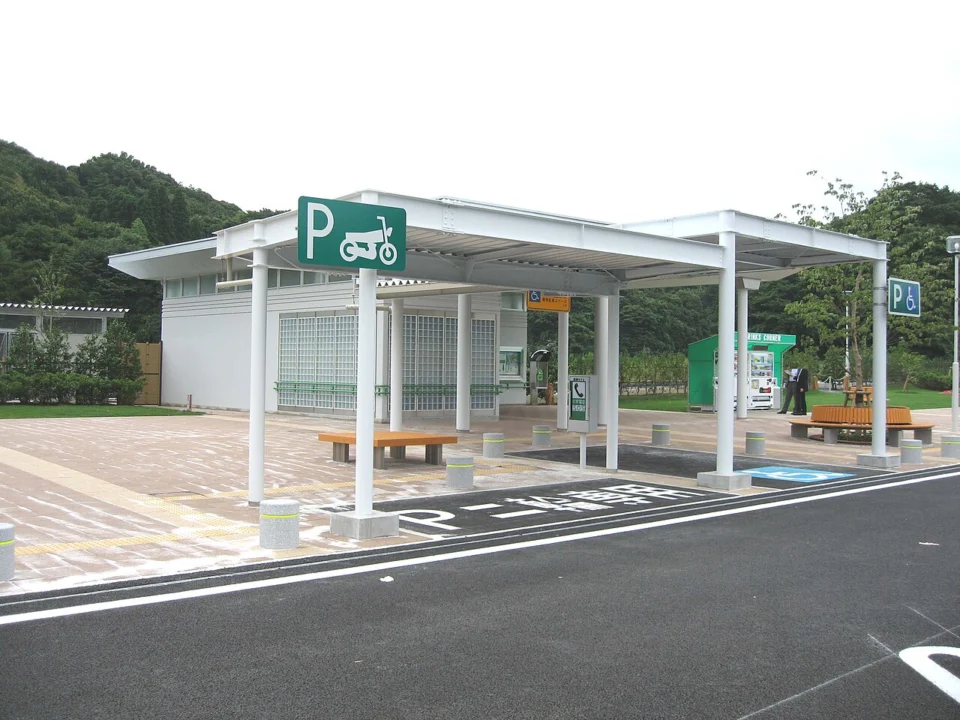
A parking area (PA) is smaller: mainly toilets and vending machines.
A parking area (PA) is smaller: mainly toilets and vending machines.Photo: Xpon / Public domain · Wikimedia Commons

Speed on expressways

The usual limit is 100 km/h (some sections 80 km/h or 120 km/h — follow the signs). Never stop on the expressway except in an emergency.

All guides

Updated November 2026. Laws change — the official sources below are the final word.