日元

Blog

Why a fuel stop deserves a simple plan

A self-service fuel stop is a normal part of a Japanese road trip, but it can feel unfamiliar when the pump screen is in Japanese and you are driving a car you collected only a few days earlier. The good news is that the safe routine is straightforward. Slow down, confirm the fuel type before you touch the nozzle, and do not let a return-day deadline rush you. A calm stop protects the car, avoids a costly wrong-fuel mistake, and leaves time to ask an attendant for help if anything on the screen is unclear.

Japan has both staffed and self-service stations. This guide is for a self-service station, often marked セルフ or セルフサービス. It is not a substitute for the rental company’s instructions: the fuel specified for your particular vehicle and the return terms on your contract always come first.

Check these details before entering the station

Do the thinking before you pull alongside a pump. Your rental paperwork, the fuel-door label, the vehicle manual, or the handover briefing should identify the required fuel. Do not guess from the engine size, the vehicle shape, or what another driver chooses. A rental car may use regular gasoline, premium gasoline, or diesel; filling it with the wrong product can cause serious trouble.

  • Note the required fuel type and the side of the vehicle where the fuel door is located.
  • Choose a pump position that lets the hose reach comfortably without stretching it across the vehicle.
  • Keep your payment method ready, but follow the payment sequence shown by that specific pump.
  • If you are unsure whether a pump is self-service, or cannot understand a selection, stop and ask the station staff before starting.

Use the pump in a safe order

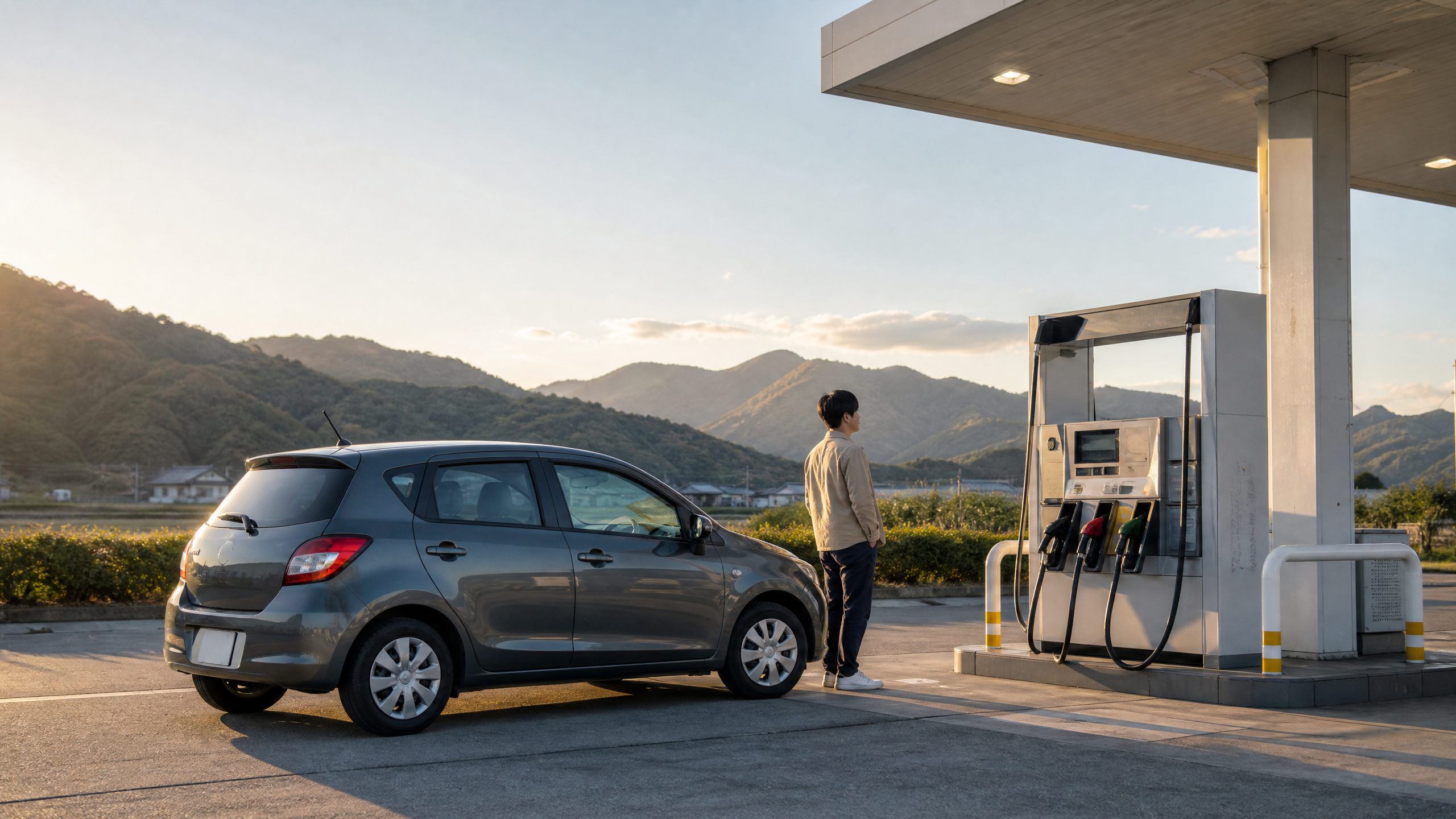
Once parked at the pump, shift into park and turn off the ignition. Close the windows and doors before you step away. Open the fuel door with the vehicle’s own release control, then look at the labels at the nozzle and on the screen rather than relying on colour alone. JAF’s multilingual guidance says that high-octane gasoline is marked in yellow, regular gasoline in red, and diesel in green when colours are used; the written fuel label is still the essential check.

  • Touch the anti-static pad before opening the fuel cap, or touch an unpainted metal part of the car if no pad is provided.
  • Select only the fuel recorded for the rental vehicle.
  • Insert the nozzle securely, squeeze the trigger, and remain beside the car while fuel is flowing.
  • When the automatic stop clicks, do not force more fuel in.
  • Return the nozzle, close the fuel cap and door, and collect any receipt the pump provides.

When the screen or payment step is confusing

Do not experiment with fuel selections in the hope that the next screen will explain itself. Cancel if the pump offers a clear cancel option, keep the nozzle in its holder, and ask the attendant. Staff can often point out the correct selection or direct you to another pump. If the station cannot accept your intended payment method, leave safely and use a different station rather than trying to bypass the normal process. Never put an ordinary bank or credit card into a slot intended for an ETC card in the rental vehicle.

Make the return day easier

Plan your final fuel stop before driving to the return branch. Confirm the rental company’s fuel-return rule and keep the receipt if its terms request proof of refuelling. Do not assume every branch expects the same arrangement; the contract and staff instructions govern your rental. Allow extra time near the end of the trip, because an unfamiliar station, a queue, or a pump that needs staff assistance is much less stressful when your return time is not imminent.

Keep the safety basics in view

At any fuel stop, smoking, lighters, and other fire risks are prohibited. Follow posted precautions, keep children away from the fuel port, and never transfer fuel into a container yourself. If the pump stops almost immediately or a warning appears, do not repeatedly force the trigger; ask the attendant. A few unhurried checks make refuelling just another manageable part of your Japan rental-car journey.

Official reference

This guidance is based on the Japan Automobile Federation’s self-service refuelling instructions and the Japan National Tourism Organization’s rental-car guidance. Both emphasize checking the proper fuel, switching off the vehicle, observing safety precautions, and following local driving rules.
把第一天當成安心抵達的行程

在新千歲機場取到租車後,第一天不必急著塞進景點;平穩抵達住宿處才是更好的開始。登別溫泉距道央自動車道的登別東IC約6公里,但總行程不只是在導航上看到的車程,還包括辦理取車、放好行李、熟悉車輛與適時休息。先為抵達時間留下緩衝;航班延誤、櫃檯繁忙或天候變化時,減少停留比趕路更安全。

起步前先熟悉租車

車子尚未移動時,先調整座椅與後視鏡,確認方向燈、雨刷、除霧、警示燈、油箱蓋開關與手煞車的位置。把住宿的正式地址、停車說明與聯絡方式先存好。日本為左側通行;行駛中不應操作手機或分心看導航。需要改目的地時,請先在合法且安全的位置停妥。

  • 核對租車單上的燃油種類與現有油量
  • 以住宿地址,而非只輸入「登別」作為目的地
  • 把駕照、租車資料與救援聯絡方式放在方便取用處
  • 與同行者先約好休息時間與分工

讓標誌與現場狀況優先

導航可能引導你往高速公路與登別東IC前進,但預估到達時間不是追趕目標。請以道路標誌、速限、天候與車流為準;超車道只在超車時使用。部分區間的服務站間距較長,油量宜提早處理。若在出口或收費站前猶豫,切勿突然變換車道;繼續安全前行,到下一個合適地點再確認。

接近溫泉街時放慢節奏

進入登別溫泉周邊後,比起導航語音,更要留意行人、路旁停車車輛與旅館入口。錯過轉彎時,不能停在車道上研究地圖;請在安全處重新規劃。抵達後先確認可停放的位置,也不要把貴重物品留在車內。

秋季另加一層野生動物警覺

北海道開發局提醒,膽振與日高地區要留意蝦夷鹿突然出現;牠們在清晨與黃昏光線較弱時較活躍,該區事故統計在10月至12月較多。這不代表不能自駕,而是應在警告標誌附近減速、把視線放到車道外側,並為天黑前抵達留下時間。一隻鹿出現後可能還有同伴,因此要穩定減速,避免倉促急轉。

把取車、休息與緩衝時間放進計畫,新千歲機場到登別溫泉的租車首日就能更從容,也讓翌日的北海道旅程有一個安全開端。

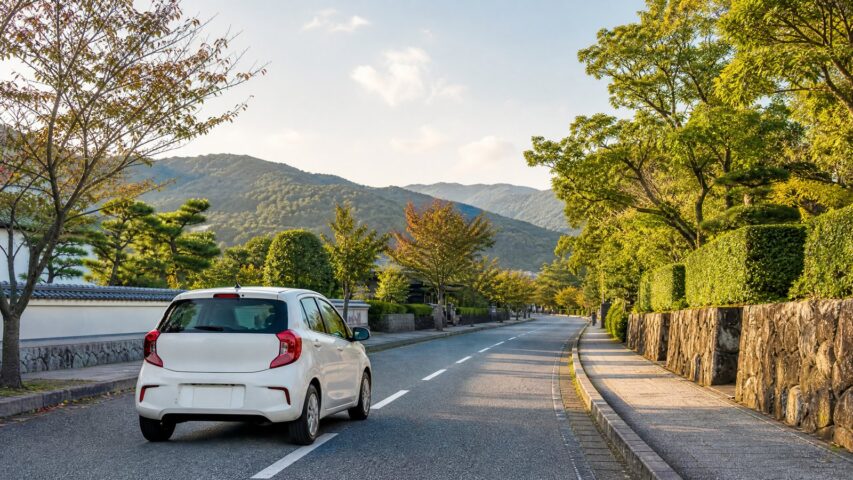
A calm early-autumn rental-car drive in Hokkaido toward a forested hot-spring town

出発前に到着の余白を作る

新千歳空港でレンタカーを受け取った日は、観光を急がず宿へ落ち着いて着くことを最初の目的にしましょう。登別温泉は道央自動車道の登別東ICから約6kmです。空港からの移動には、受付や車両確認も含まれます。遅れたら寄り道を減らしましょう。

動き出す前に車を確認する

慣れない車では、シートとミラー、方向指示器、ワイパー、デフロスター、ハザード、給油口の開け方を駐車中に確認します。宿の住所と駐車案内も先に登録してください。日本は左側通行です。運転中はスマートフォンやナビを操作せず、設定変更は安全な場所に停車して行います。

  • 契約書の燃料種別と残量を確認する
  • 宿の正式な住所を目的地にする
  • 運転者の書類と連絡先を取り出しやすくする
  • 同乗者と休憩の目安を決める

案内より標識と状況を優先する

到着時刻を追いかけず、標識、制限速度、天候、交通の流れを優先し、追越車線は追越しのためだけに使います。サービスエリアが少ない区間もあるため、燃料は早めに考えます。出口や料金所で迷っても急な車線変更はせず、次の安全な場所で確認しましょう。

登別東ICから宿までをゆっくり走る

温泉街に近づいたら、音声案内より歩行者、駐車車両、入口の表示に注意を向けます。曲がる場所を過ぎても道路上で止まらず、安全な場所で経路を直します。到着後は駐車場所を確認し、貴重品を残さないようにします。

秋は野生動物にも備える

胆振・日高地域ではエゾシカとの事故に注意が必要です。北海道開発局の資料は、シカが薄暗い明け方と夕暮れに活動し、地域の事故は10月から12月に多いと示しています。警戒標識を見たら速度を抑え、路肩まで視線を広げます。一頭を見ても続く可能性があるため、慌てて急ハンドルを切らず、落ち着いて減速してください。

受け取りと休憩の時間を入れ、明るいうちの到着を目指せば、最初の一日は安心して始められます。

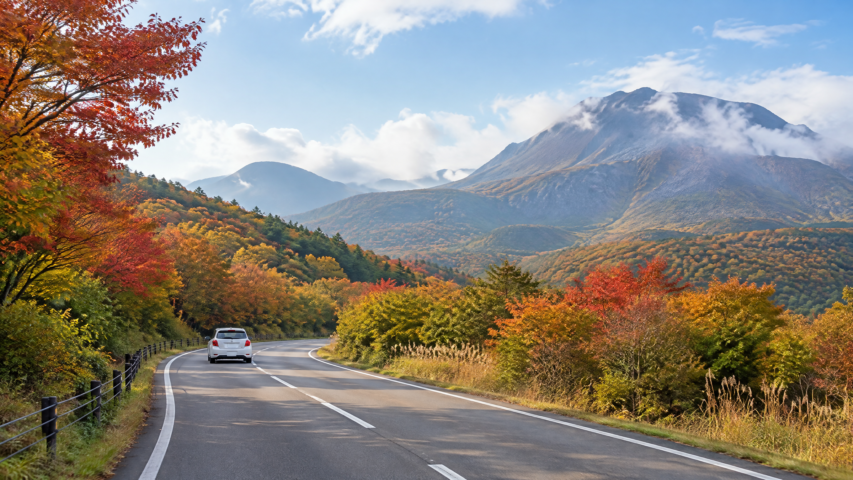
A calm early-autumn rental-car drive in Hokkaido toward a forested hot-spring town

Start with an arrival plan, not a race

A rental car gives you freedom after landing at New Chitose Airport, but the first drive of a Hokkaido trip is best treated as an arrival task rather than a sightseeing sprint. Noboribetsu Onsen is a sensible first overnight base for many travellers, yet the useful part of the plan is not merely entering the destination in the navigation system. The Noboribetsu tourism association notes that the onsen area is about 6 km from Noboribetsu Higashi Interchange on the Do-O Expressway. That final approach is short, but your total door-to-door time also includes collecting the car, adjusting the seat and mirrors, loading bags, learning the controls, and taking a break when needed.

Give the first day a generous finish line: arrive while you still feel unhurried. If a flight is delayed, a rental counter is busy, or rain reduces visibility, simplify the plan instead of trying to recover time on the road. Confirm the accommodation address and parking instructions before you set off, and keep the booking contact available for a safe stop rather than searching for details while moving.

Set up the unfamiliar car before the road begins

At the rental location, take a few quiet minutes to locate the indicators, wipers, demister, headlight controls, hazard switch, fuel-door release and parking brake. Set the navigation destination, language and volume while parked. Japan drives on the left, and the first few turns can feel unfamiliar to visitors used to right-side traffic. JAF also reminds drivers not to use a phone or be distracted by the navigation system while driving, so make route changes only after pulling into a legal, safe place.

  • Adjust the seat and mirrors before leaving the rental area.
  • Check the fuel type stated by the rental company and the current fuel level.
  • Enter the accommodation, not just “Noboribetsu,” as the final destination.
  • Keep passports, driving documents and the rental company’s assistance details easy to reach.

Use the route as a guide, not as a reason to hurry

Your navigation may propose an expressway route and direct you toward Noboribetsu Higashi Interchange; obey the signs, speed limits and real-time conditions rather than treating an estimated arrival time as a target. On expressways, JAF advises drivers to use the passing lane only for overtaking and to stay in the driving lane otherwise. It also notes that service stations can be far apart in some areas, making an early fuel decision less stressful than a late one. If you are unsure about an interchange, toll lane or next instruction, continue safely and use the next suitable opportunity to reassess.

Build one deliberate pause into the journey. A proper rest lets the driver reset after a flight and gives every passenger a chance to check messages, snacks and outerwear without distraction. It is also a better moment to review the final address and parking arrangement than the last kilometre before check-in.

Make the final approach easy

As the destination gets closer, reduce the pace of the day. Road layouts, pedestrians, hotel entrances and parked vehicles deserve more attention than a navigation voice. Do not stop on the road simply to interpret a screen. If you miss a turn, keep going and choose a safe place to re-route. On arrival, confirm where the vehicle may be parked and leave valuables out of sight before walking to the accommodation.

Autumn awareness on the Iburi side of Hokkaido

For an autumn stay or a later onward drive, add wildlife awareness to the plan. The Hokkaido Regional Development Bureau warns that sika deer can appear suddenly in the Iburi and Hidaka regions, are active around dawn and dusk, and that the regional collision chart is highest from October to December. This is not a reason to avoid travel; it is a reason to allow daylight, scan beyond the lane, respect animal-warning signs and reduce speed when conditions call for it. A deer may not be alone, so stay composed and do not make a sudden manoeuvre that creates a greater risk.

A calm first drive turns New Chitose to Noboribetsu Onsen into a comfortable beginning, not a test of endurance. Leave margin for the handover, use the route with patience, arrive before fatigue takes over, and you will be ready to enjoy the hot-spring town with your next day’s drive still fresh.

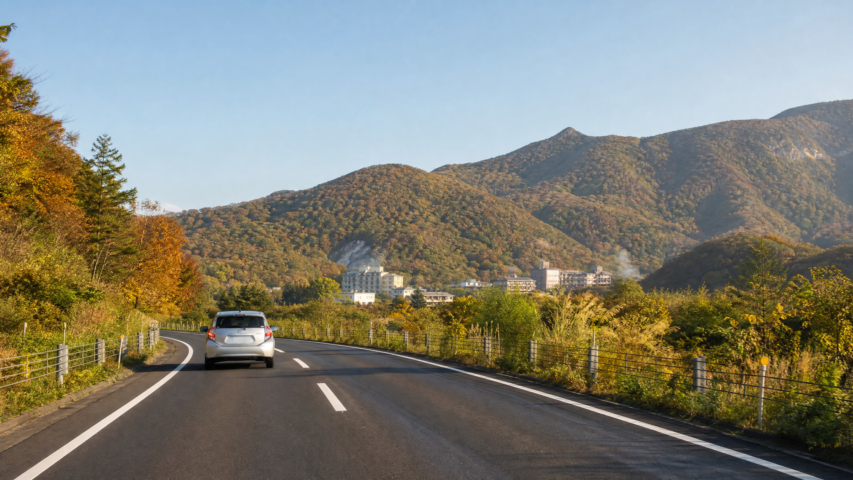
A calm early-autumn rental-car drive in Hokkaido toward a forested hot-spring town

從福岡機場租車前往太宰府,先規劃停車比先追求最快路線更重要。太宰府天滿宮適合由福岡安排一日造訪,但官方 FAQ 指出,神社本身沒有汽車停車場,附近雖有付費停車位,空位卻有限。出發前先想好車停在哪裡,以及沒有車位時如何調整計畫,抵達後就不必匆忙繞路。

先判斷這一天是否需要車

若太宰府只是九州自駕中的一站,之後還要前往其他地點、攜帶行李或同行者較多,租車很有彈性。但若落地後只去太宰府天滿宮,開車未必最省心。神社官方 FAQ 表示,福岡國際機場有常態巴士前往太宰府站,行程約25分鐘。把大眾運輸當作備案,能在停車位有限時保留安全而清楚的選擇。

在機場確認航廈與取車點

福岡機場的國內線與國際線航廈分隔在跑道兩側,機場資料指出兩者駕車約需15分鐘。離開前請確認租車取車點、使用的航廈與第一個導航目的地。機場所列時間只是估計,應以即時導航、道路標誌與現場狀況為準。航廈前道路不可停車或臨停;整理行李與等候旅伴時,請使用指定區域。

設定附近付費停車場

出發前除了儲存太宰府天滿宮,也要儲存附近付費停車場。神社沒有車用停車場,周邊空位又有限,只輸入神社名稱可能會到達最擁擠的位置,卻沒有合法停放處。抵達後應閱讀當日的收費、使用條件與空位資訊;不要在出入口或路邊等待,也不要突然轉向。若首選已滿,就安全離開並依備案調整。舊截圖無法取代現場標示。

為步行與參觀保留時間

JNTO 資訊指出,太宰府站步行至太宰府天滿宮約5分鐘。停車後仍要步行,請勿把貴重物品留在租車內,也不要把下一段車程排得太緊。

  • 離開機場前確認航廈與取車點。
  • 同時儲存附近付費停車場。
  • 預先決定何時改用巴士或鐵路。
  • 依實際停車場的標示行動。
  • 出發前再次查看官方資訊。

太宰府自駕的關鍵不是趕路,而是保留選擇。把有限停車位、機場道路規則與備案納入計畫,就能以更安全、平穩的方式開啟福岡與九州的租車旅程。

福岡空港から太宰府へレンタカーで向かうなら、最短経路より先に駐車の考え方を決めると安心です。太宰府天満宮には車用駐車場がなく、公式案内では周辺の有料駐車場も台数が限られるとされています。目的地名だけを入れて走り出さず、停める場所と代替案を用意しましょう。

車が役立つ日かを考える

太宰府の後も九州を走る、荷物が多い、複数の場所へ寄る日なら車は便利です。太宰府天満宮だけを訪れるなら、公共交通も有力です。公式FAQでは福岡国際空港から太宰府駅へ頻繁にバスが運行し、所要時間の目安は25分と案内されています。満車時は公共交通へ替える、と先に決めておくと落ち着けます。

空港では受取場所を確認する

福岡空港の国内線・国際線ターミナルは滑走路を挟み、車で約15分です。予約したレンタカーの受取場所、使うターミナル、最初の行き先を確認してください。空港案内の時間は目安なので、ナビと現地標識を優先します。ターミナル前の道路での停車・駐車は認められていません。荷物整理や待ち合わせには指定の場所を使いましょう。

周辺有料駐車場を保存する

ナビには神社名だけでなく、周辺の有料駐車場も候補として保存します。到着したら料金、利用条件、空き状況を看板で確認してください。満車なら出入口や路上で待たず、安全に次の選択へ移ります。

歩く時間も残す

JNTOは太宰府駅から太宰府天満宮まで徒歩約5分と案内しています。駐車後の徒歩移動を見込み、貴重品を車内に残さず、次の予定を詰め込み過ぎないことが大切です。

  • 空港ターミナルと受取場所を確認する。
  • 周辺有料駐車場も保存する。
  • 公共交通へ替える条件を決める。
  • 現地の駐車案内に従う。
  • 出発前に公式情報を再確認する。

太宰府で慌てないコツは、速さより余白です。限られた駐車場を前提にし、空港周辺のルールを守り、予定を切り替えられるようにすれば、福岡・九州ドライブを気持ちよく始められます。

Driving from Fukuoka Airport to Dazaifu can fit neatly into a Kyushu road trip, but a relaxed visit begins before the engine starts. Dazaifu Tenmangu is a rewarding stop in the city of Dazaifu, and the official shrine guidance describes it as a convenient day trip from Fukuoka. For rental-car travellers, however, the important detail is not simply the route on a map: the shrine itself has no car park, while nearby paid spaces are limited. Build your plan around that fact and the visit becomes much easier to manage.

Use the car for the whole day, not only the shrine

A rental car is most useful when Dazaifu is one stop in a wider itinerary. It can give you flexibility for luggage, a later destination, or a drive onward through Kyushu. If Dazaifu Tenmangu is your only stop after landing, compare that flexibility with the alternatives. The shrine’s official FAQ notes that frequent buses run from Fukuoka International Airport to Dazaifu Station and gives an estimated journey of 25 minutes. Public transport can therefore be a sensible backup when parking is the main uncertainty, rather than a failure of the original plan.

Decide before pickup which version of the day you are taking: a car-based loop with other stops, or a shrine visit that may be easier by bus or rail. This simple decision prevents the common mistake of collecting a car, driving to the shrine, and then spending an open-ended amount of time searching for a space.

Start at the correct airport terminal

Fukuoka Airport has domestic and international terminals on opposite sides of the runways. The airport states that they are about a 15-minute drive apart, so confirm the rental-car collection point and terminal before entering your destination in the navigator. A terminal mix-up is especially costly on an arrival day because it consumes time before the sightseeing plan has even begun.

When you leave the airport, use live navigation and follow the signs rather than treating a suggested arrival time as a promise. The airport’s own car-access page stresses that its times are estimates and asks travellers to leave plenty of time. It also says stopping or parking on the road in front of the terminal is not permitted. If you need to organise luggage, passengers or a meeting point, use the designated parking or drop-off areas instead of making a last-minute stop on the approach road.

Navigate to paid parking, not just the shrine name

Set a nearby paid car park as your destination before departure, then keep Dazaifu Tenmangu as the walking destination. The shrine’s official guidance is clear: it does not provide car parking, and nearby paid parking has limited capacity. That distinction matters. A map pin for the shrine may lead you into the busiest area without giving you a legal place to leave the car.

Arrive with a parking decision rule. For example, allow enough time to check one suitable nearby facility, read the signs and decide calmly whether there is space. If it is full, do not stop in an entrance, queue unpredictably or make sudden turns. Continue safely, follow local signs and switch to the backup plan you chose before the drive. Parking conditions, prices and operating rules can change, so read the information posted on site rather than relying on an old screenshot or a traveller’s comment.

Leave time for the visit after the parking search

The five-minute walk from Dazaifu Station to the shrine cited by JNTO is a useful reminder that the final approach is pedestrian-oriented. After parking, expect to walk, keep valuables out of sight in the rental car, and carry only what you need. The shrine’s official FAQ also notes that the grounds, museums, teahouses and nearby places can fill a full day. Do not schedule the next drive so tightly that a short parking delay turns into rushed driving.

  • Confirm the rental-car pickup terminal and your first navigation destination before leaving the airport.
  • Save a nearby paid parking option, not only the shrine’s name.
  • Keep bus or rail in mind if a car adds more stress than flexibility.
  • Allow walking time and read local parking signs at the facility you actually use.
  • Check the official airport and shrine pages again close to your travel date for current conditions.

A calm Dazaifu visit is less about chasing the fastest route and more about matching the transport choice to the day. Plan for limited nearby parking, respect airport road rules, and leave room to change plans. That gives you a safer, more enjoyable start to a Fukuoka and Kyushu rental-car journey.

先把「不趕行程」寫進計畫

雲仙位於九州長崎縣,是結合溫泉蒸氣與山岳景觀的地區。秋天的山色會隨天氣與海拔改變,適合慢慢安排,不適合用密集景點追趕時間。以雲仙溫泉與地獄巡遊為主,再依當日狀況加上一處順路停留點,通常比塞滿行程更安心。租車的價值是保留步行與休息時間,而不是把每一小時都變成開車時間。

取車後先留出熟悉車輛的時間

出發前請確認燃料種類、油箱蓋開關、車燈、雨刷、警示燈、駐車煞車與導航設定。目的地應在停車時輸入,剛起步的幾分鐘先熟悉後視鏡、車寬與方向燈。若想前往仁田峠或纜車一帶,請先向當地確認最新的車輛通行、停車與營運資訊,再決定是否繞行。山路的實際時間會受天候、能見度與車流影響,不能只靠地圖上的預估。

  • 只安排一個主要目的地,另留一個可取消的停留點。
  • 出發前儲存停車位置與租車公司的聯絡方式。
  • 訂出日落前的返回時間,不為最後一站冒險趕路。

山路以標誌和視野為準

日本採左側通行,車內每位乘客都必須繫上安全帶。駕駛時不可使用手機,也不可因操作導航而分心。進入彎道前就要減速,以能在看見的距離內停車為原則;不要在彎中急煞,也不要為拍照或重新設定路線而停在車道上。速限以道路標誌與標線為準,不要跟著前車速度判斷。遇到霧、雨或低角度陽光時,增加車距並放慢每一個決定。

天氣變化時縮小計畫

秋季清晨與較高海拔的路段,可能比市區更冷、視線也不同。離開前查看天氣、道路資訊與油量,並準備飲水、已充電的電話與步行時可用的外套。若能見度下降、感到疲倦,或時間已不寬裕,就取消可選行程,從熟悉的路線安全返回。這不是少玩一個景點,而是在陌生山區為車上所有人做出的好判斷。

把還車時間也列入行程

請預留加油、檢查遺留物與辦理還車的時間。日本國家公園的官方行程建議在九月至十一月造訪雲仙時,確認最新天氣並為活動保留充足時間。這個原則同樣適用於租車自駕:行程留白、專心駕駛、依現況調整,才能從容享受長崎雲仙的秋日景色。

雲仙では「急がない」を先に決める

九州・長崎県の雲仙は、温泉と山の地域です。秋は天候で景色が変わります。予定を詰め込まず、雲仙温泉と地獄めぐりを中心にし、立ち寄り先は一つだけ足すくらいが安心です。レンタカーは、歩く時間を確保するために使いましょう。

出発前に時間の余白をつくる

車を受け取ったら、燃料の種類、給油口、ライト、ワイパー、ハザード、駐車ブレーキを確認します。行き先は停車中に設定し、出発直後はミラーと車幅に慣れる時間を取ってください。仁田峠やロープウェイ方面を考える場合は、車両の通行、駐車、営業の最新情報を現地で確認してから判断します。

  • 主な目的地は一つ、追加の立ち寄りも一つまでにする。
  • 駐車場所とレンタカー会社の連絡先を保存する。
  • 日没前に戻る時刻を決め、最後の予定を急がない。

山道では標識と視界を優先する

日本では左側通行で、全員のシートベルト着用が必要です。運転中に携帯電話を使ったり、カーナビの操作に気を取られたりしてはいけません。カーブでは手前で減速し、見通せる範囲で止まれる速度を選びます。制限速度は標識や表示に従い、前の車の速さを基準にしません。霧、雨、低い日差しでは車間距離を広げ、写真や経路確認のために路上で止まらないでください。

天気が変われば予定を小さくする

秋の朝や標高の高い場所は、町よりも冷えたり視界が変わったりします。出発前に天気、道路情報、燃料残量を確認し、飲み物、充電した電話、歩くための上着を用意しましょう。見通しが悪い、疲れた、と感じたら追加の立ち寄りをやめ、知っている経路で安全に戻ります。

返却まで慌てない

給油、忘れ物の確認、返却手続きの時間も予定に入れます。九月から十一月に雲仙天草国立公園を訪れる人へ、公式案内は最新の天気を確認し、活動に十分な時間を取るよう勧めています。ゆとりを持って走り、景色を楽しみ、安全に一日を終えましょう。

Start with a realistic autumn plan

Unzen is a mountain and hot-spring area in Nagasaki Prefecture, on Japan’s southern island of Kyushu. In autumn, its volcanic landscape and mountain colours reward an unhurried visit, but the same setting asks drivers to plan carefully. Weather, visibility and traffic can change the feel of a short drive. Treat the rental car as a way to connect a few well-chosen stops, not as a reason to fill every hour with destinations. For a first visit, build the day around Unzen Onsen and the nearby walking areas, then leave room to adjust according to the weather and local road information.

Choose fewer stops and protect your time

Autumn travel is more comfortable when the itinerary has slack. Set a simple order: collect the car, check its controls, drive to Unzen, park, and explore on foot before deciding whether another stop fits the day. Unzen Jigoku is best experienced on foot, while the wider area offers seasonal scenery and viewpoints. If you are considering Nita Pass or the ropeway area, confirm current vehicle access, parking arrangements and operating information locally before committing to the detour. Do not plan a mountain stop around an assumed travel time; rain, fog, visitors and road conditions can all change it.

  • Keep one main destination and one optional stop.
  • Save a parking location and the rental company’s contact details before leaving.
  • Set a daylight return target rather than driving after a rushed final stop.

Prepare before leaving the rental counter

Ask the staff to show you the fuel type, fuel-door release, lights, wipers, hazard switch, parking brake and navigation settings. Set your destination while parked, not while moving. In Japan, drivers keep left and the driver sits on the right, so the first turns and lane choices can feel unfamiliar. Everyone in the vehicle must wear a seatbelt. A driver should not use a phone or be distracted by the navigation system while driving. Make a quiet first ten minutes part of the plan: adjust mirrors, practise the indicators and brakes, and let a passenger handle route changes where possible.

Read the mountain road, not just the map

Mountain roads can bring bends, changing light and wet surfaces. Approach each curve at a speed that lets you stay in your lane and stop within the distance you can see. Slow down before the bend rather than braking hard in it, and use a safe, designated place if you need to stop for a photograph or to reset the route. Road signs and markings set the speed limit; follow the displayed limit rather than relying on a general rule or the pace of another vehicle. In mist, rain or low sun, increase your following distance and give yourself more time for every decision.

Use autumn conditions as a cue to check, not guess

Cooler mornings and higher elevations can make conditions different from the city. Before departure, check the forecast, any local traffic notices and the vehicle’s fuel level. Pack drinking water, a charged phone and a light layer for walking outside the car. If visibility deteriorates or you feel tired, simplify the day: skip the optional stop, park safely and return by the route you know. This is not a missed experience; it is sound judgment for an unfamiliar mountain area. The scenery will still be there on another visit, while a calm decision protects everyone in the car.

Finish the day without a last-minute rush

Leave enough time to refuel, inspect the car for belongings and return it according to your booking conditions. Take a quick photo of the fuel receipt if useful for your records, and keep the rental company’s instructions until the handover is complete. If you travel in the September–November season, official national-park guidance recommends checking the latest weather and allowing plenty of time for activities. That advice fits an Unzen rental-car day perfectly: plan lightly, drive attentively and let the landscape set a sensible pace.