日元

Blog

Why Itoshima suits a slower rental-car day

Itoshima, on the coast of Fukuoka Prefecture, is a good choice for an unhurried road trip. The peninsula has beaches, small bays, inland scenery and places where it is worth simply stopping to look around. Japan National Tourism Organization (JNTO) notes that a car is the most practical way to enjoy the area because local public transport is infrequent. That does not mean you need to rush from attraction to attraction. It means you can build a flexible day around daylight, weather and the pace of the people travelling with you.

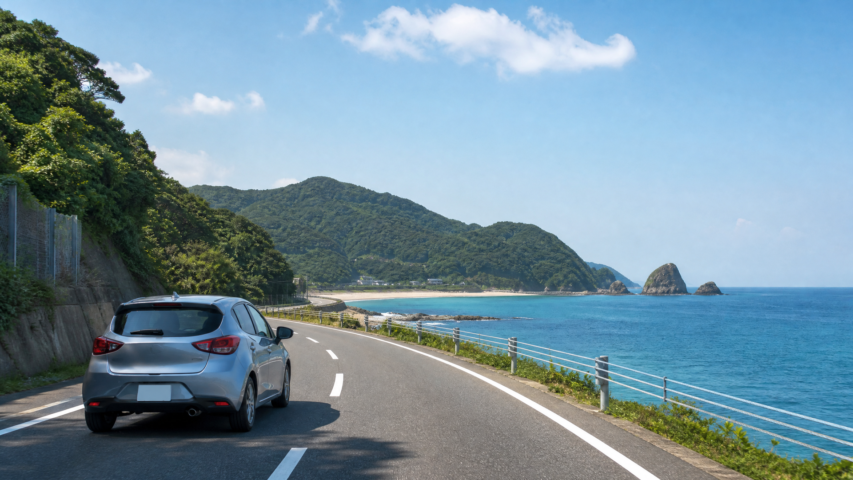
For a rental-car traveller starting in the Fukuoka area, the best approach is to treat the drive as the experience. JNTO describes the coastal approach around the peninsula as the scenic option: the road follows the edge of bays and rewards a measured pace. Instead of promising yourself a long checklist, choose two or three priorities and allow time for parking, photographs, a meal and an unplanned viewpoint. That slack makes a first drive easier.

Set up the car before leaving the city

Use the collection point as your calmest moment of the day. Confirm the route in the navigation system while you are parked, set the language you need if that option is available, and save the return location separately. Check the fuel level, note the fuel type required by the rental company, and make sure every traveller knows where the hazard lights and seatbelts are. Japan drives on the left, and the first turns after leaving a busy airport or city area can feel unfamiliar if you normally drive on the right.

  • Keep your first destination broad, such as the Itoshima coast, rather than relying on a single café or shop as the day’s anchor.
  • Download maps or save key locations before setting off, but never operate a phone while driving.
  • Allow extra time to understand lane guidance, traffic lights and parking entrances instead of making a last-second turn.

All occupants should wear seatbelts, posted speed limits apply, and using a mobile device while driving is illegal. These are simple rules, but they are especially useful reminders on a holiday drive, when scenery can compete for the driver’s attention.

Build the coast into the middle of the day

Once you reach Itoshima, let the coastline provide the structure instead of trying to recreate a fixed tour. Futamigaura is known for Meoto Iwa, the two rocks joined by a sacred rope, while Keya Beach is another coastal landmark. JNTO also notes that there are surf points between the Keya and Futamigaura areas. The practical lesson is to expect other road users and activity near the shore. Slow down when entering parking areas, look carefully for people crossing, and do not stop on a narrow road just because a view appears.

A beach stop, a coastal walk and one inland stop are often enough for a satisfying day. If you want to turn inland, Shiraito Falls is a well-known option in the area. Check current road, weather and facility information on the day rather than assuming a route or venue will operate exactly as it did when you planned. Keep your schedule flexible if rain reduces visibility or if a car park is full.

Drive for the people sharing the road

Itoshima attracts cyclists as well as visitors in cars. On any scenic road, give yourself more following distance, look ahead before passing a bicycle, and avoid treating the road as a photo route. Pull into a legal parking space before taking pictures. Japan’s designated parking rules matter in coastal communities just as much as in cities; an attractive roadside shoulder is not automatically a safe or permitted stopping place.

When your group wants to change plans, pull over only where it is allowed. Let a passenger adjust the navigation, find a restroom or check opening information. The driver’s job is to keep the car predictable: stay on the left, follow signs, use indicators early and leave room for slower traffic. This is better than trying to save a few minutes.

Finish with an easy return plan

Before the afternoon becomes late, decide what time you want to begin the return journey and work backward from the rental company’s return requirements. Leave a fuel-stop margin and do not wait until the final kilometres to look for a station. If you are tired, take a proper break before driving back. The goal of an Itoshima day is not to cover the whole peninsula. It is to enjoy a coastal side of Fukuoka with enough time to drive safely, park legally and return the car without pressure.

Plan with official information: Review JNTO’s Itoshima Peninsula guide for destination context and its rental-car guidance before your trip.
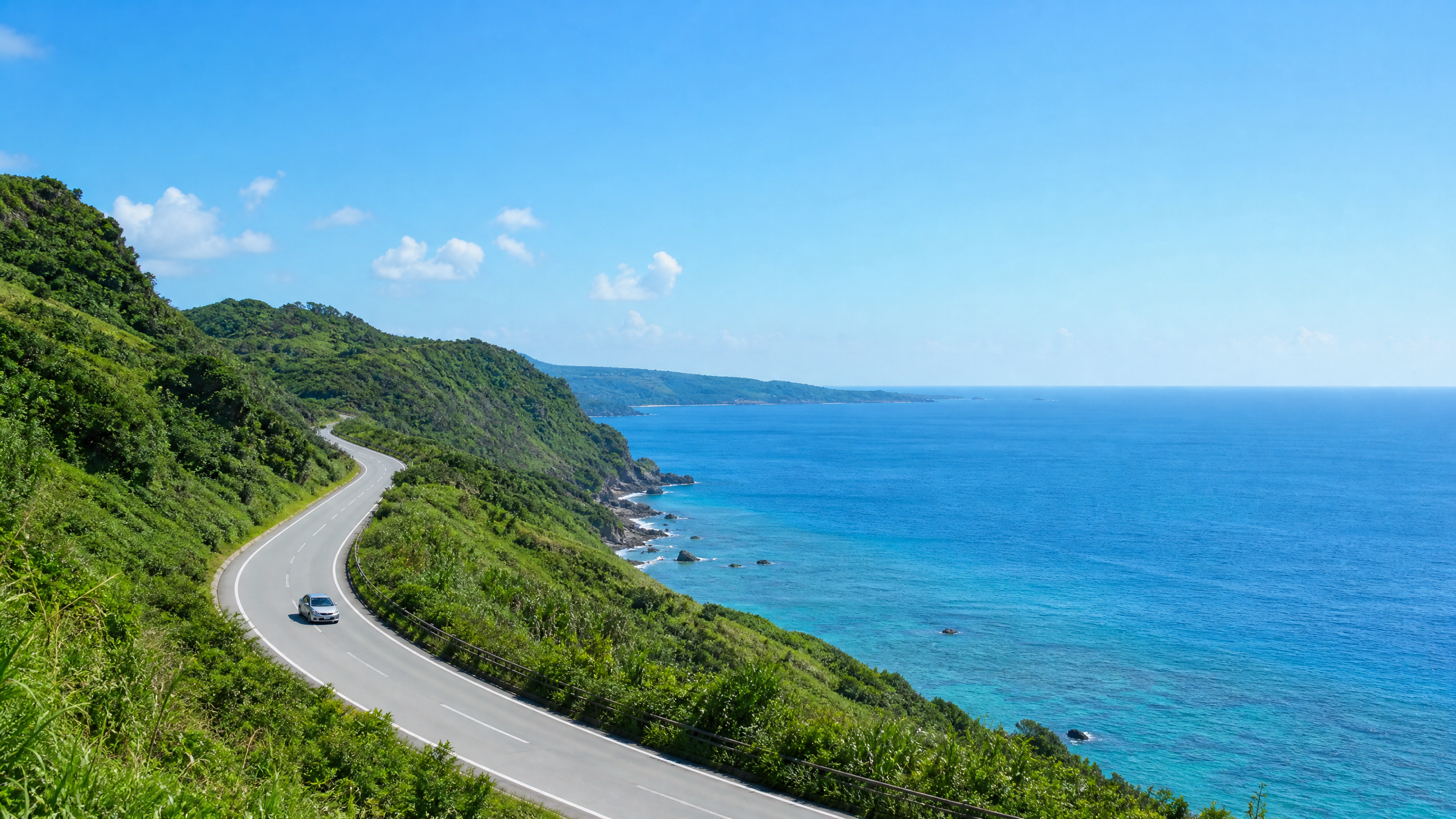
抵達那霸機場後,開車往北前往恩納海岸與萬座毛,是熟悉沖繩本島道路的從容起點。萬座毛位於恩納村。第一天不必排入太多景點,租車交車時間、車流與天氣都會影響車程;請把這段路當作海岸線的認識行程,並在計畫中保留彈性。

先把恩納設為第一站

國道58號由那霸延伸至沖繩本島北端,並穿過恩納沿岸。沖繩官方旅遊資訊指出,從那霸機場開車到恩納地區約需一小時;這只是規劃參考,並非固定承諾。先以恩納為導航目的地,抵達後再依剩餘時間、天氣與現場資訊決定是否停靠海邊或用餐。

離開租車店前做好設定

請確認燃料、車燈、雨刷與車機導航的操作。第一個目的地應在停車時輸入,行駛中不要操作手機或導航。日本汽車靠左行駛;日本汽車聯盟也提醒駕駛人禮讓行人、全車乘客繫安全帶,且不得因手機或導航分心。

  • 第一個下午只選一個主要目的地。
  • 地圖只在出發前或安全停車後查看。
  • 依道路標誌的速限行駛,轉彎前提早減速。
  • 錯過路口時,安全停車後再確認路線。

萬座毛應停妥車再步行

萬座毛是可眺望海景的石灰岩海岸景點,官方資訊指出步道約可在十分鐘內走完。仍應加上停車、步行與欣賞風景的時間。現場有停車資訊,但車位與運作可能變動,抵達前請確認當日公告。請只停在指定位置,不要為了拍照停在道路上;停妥車後再走往觀景處。

夏末天氣優先於行程

沖繩主要受颱風影響的期間為六月至九月,八月至九月是颱風接近較多的時期。強風與大雨可能令路況變差。若有颱風或惡劣天氣警報,請縮短或調整行程,避免非必要開車;必要移動時放慢速度、留意官方最新公告。把第一天開得短一點,才能安全享受西海岸景色。

資料:沖繩旅遊資訊萬座毛資訊JAF颱風注意事項

那覇空港に着いた初日、恩納海岸と万座毛へ北上する計画は、沖縄本島の運転に慣れる穏やかな出発になります。万座毛は恩納村にあります。受け取り手続き、交通量、天候で時間は変わるため、急ぐ移動ではなく海岸線を楽しむ半日として余白を残しましょう。

恩納を最初の目的地に

国道58号は那覇から沖縄本島北部へ続き、恩納の海岸沿いを通ります。沖縄の公式観光情報では、那覇空港から恩納エリアまで車で約1時間です。ただし固定の所要時間ではありません。カーナビにはまず恩納を設定し、立ち寄り先は到着後の時間と天候で決めると安心です。

営業所を出る前の確認

燃料、ライト、ワイパー、ナビの操作を確認し、最初の目的地は駐車中に入力します。日本では左側通行です。JAFは歩行者への配慮、全席でのシートベルト、運転中に携帯電話やナビを操作しないことを案内しています。

  • 最初の午後は主な目的地を一つに絞る。
  • 地図の確認は安全に駐車してから行う。
  • 標識の速度を守り、曲がる前に減速する。
  • 迷ったら安全な場所で停車して再確認する。

万座毛では道路上に止めない

万座毛は石灰岩の断崖と海を望む景勝地です。遊歩道はおよそ10分ですが、駐車と歩行の時間も見込みましょう。駐車情報は公式案内にありますが、混雑や運用は変わります。当日の案内を確認し、指定場所に駐車してから展望を楽しんでください。写真のための路上停止は避けます。

夏末の天気を優先する

沖縄では台風が主に6月から9月に影響し、8月から9月は接近が多い時期です。強風や大雨では道路状況が悪化します。警報や台風情報があれば、無理な運転をせず予定を短くしてください。必要な移動でも低速で慎重に走り、公式情報を確認します。

出典:沖縄観光情報万座毛案内JAF台風対策

Landing at Naha Airport and driving north to Onna Coast is one of Okinawa’s easiest ways to begin a rental-car holiday without rushing. The destination is not a cross-island expedition: Onna lies on the west side of Okinawa Main Island, and Cape Manzamo is in Onna Village. This guide helps first-time visitors turn that transfer into a calm, useful first day. Think of it as a coastal orientation drive, not a race to tick off every beach. Your exact travel time will depend on the route, traffic, weather and the rental-car handover, so leave breathing room in the plan.

Why Onna Coast works for a first drive

Onna Coast follows the East China Sea and is known for its beaches, resort area and sea views. Route 58 runs from Naha toward the northern end of Okinawa Main Island and is the principal coastal road through Onna. The official Okinawa travel guide says that driving from Naha Airport to the Onna area takes around one hour; treat that as a planning guide rather than a promise. For a low-stress first day, set Onna as your first navigation destination, then decide whether a scenic stop, a café break or an early check-in makes the most sense.

Build a simple airport-to-coast plan

After collecting the car, pause before leaving the rental office. Confirm that you understand the fuel type, how to operate the lights and wipers, and how the navigation system accepts destinations. Load your first destination while parked, not while moving. Keep a small buffer between the pickup time and any restaurant or activity reservation. If your group has luggage, water, children or a driver new to left-side traffic, a short rest before joining busier roads is sensible. The aim is to arrive settled enough to enjoy the coast rather than recover from the drive.

  • Choose one primary destination for the first afternoon instead of a long list of stops.
  • Use a live map or the car navigation system only before setting off or when safely parked.
  • Keep your rental agreement and emergency contact details accessible, but do not handle papers while driving.
  • Allow extra time for airport collection, traffic lights and unfamiliar junctions.
  • Check the latest weather, traffic and destination notices on the day you travel.

Make Cape Manzamo a measured stop

Cape Manzamo is a limestone clifftop viewpoint in Onna Village. It is a good short stop because the promenade can be explored in about ten minutes, but it deserves more time once you include parking, walking and a relaxed look at the coast. The visitor facility has parking, yet availability and operating conditions can change, so confirm the latest information before arrival. Follow signs on site and park only in designated spaces. Do not stop on the road for photographs; the headland view is best enjoyed after you have parked and walked to the viewing area.

Drive with Okinawa conditions in mind

Japan drives on the left. The Japan Automobile Federation also stresses yielding to pedestrians, wearing seatbelts in every seating position, and avoiding mobile-phone or navigation distraction while driving. Those habits matter especially after a flight, when an unfamiliar car and new road layout compete for attention. Keep your speed within the posted limit, slow down early for turns, and let drivers behind pass only where it is safe and lawful. If the route feels busy, skip a nonessential stop rather than making a late lane change or hurried turn.

  • Before moving off, check mirrors, seat position and the parking brake.
  • At every junction, look deliberately for pedestrians, bicycles and scooters.
  • Keep left and follow the signed speed limit rather than copying surrounding traffic.
  • Wear seatbelts throughout the journey; children need the appropriate restraint.

Weather is part of the route plan

Okinawa’s weather deserves the same attention as your navigation. The official visitor guide notes that typhoons mainly affect Okinawa from June to September, and the Japan Meteorological Agency identifies August and September as the period with the greatest number of typhoon approaches to Okinawa. Strong wind and heavy rain can make roads unsafe and can affect access. If a typhoon or severe-weather warning is in force, revise the plan instead of pushing on: avoid unnecessary driving, follow official updates and use a slower, safer option when travel is unavoidable.

Finish the first day well

A relaxed Naha-to-Onna drive leaves room for what matters: becoming comfortable with the car, the road and Okinawa’s pace. Keep the itinerary short, let the weather guide the day, and enjoy Cape Manzamo as a proper walking stop rather than a roadside photo. That approach makes tomorrow’s longer island drive easier and safer.

Useful sources: Visit Okinawa Japan—Onna Coast; Cape Manzamo access information; JAF traffic rules; Okinawa typhoon precautions.

看見無號誌行人穿越道,要提早準備

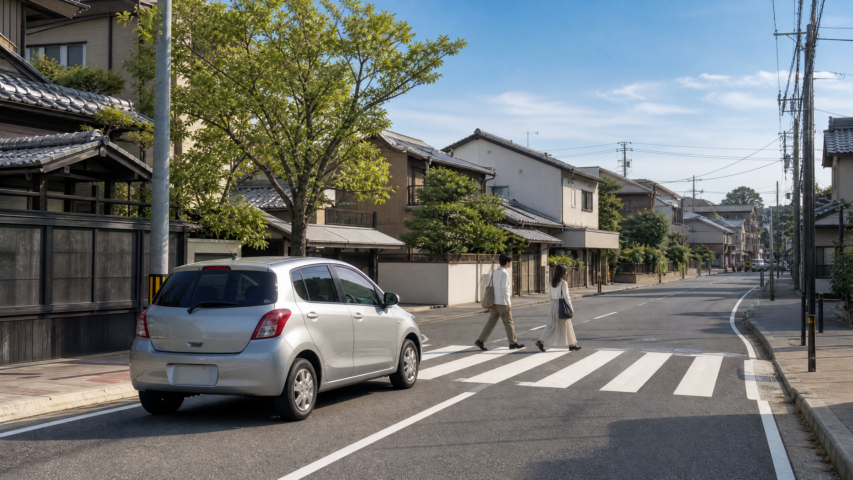
在日本租車自駕,最需要專心的未必是高速公路,也可能是車站旁、住宅區或便利商店附近的一小段道路。無號誌行人穿越道以行人優先;道路看似安靜時,仍可能有人或自行車正要通過。辨識斑馬線與標誌後,先鬆開油門、查看左右人行道,並讓自己能在停止線前平順停車。

減速、停車與讓行的原則

日本警察廳說明,接近行人穿越道或自行車穿越道時,除非明顯沒有行人或自行車要通過,否則車輛必須以能在前方停下的速度行駛。若有人正在通過或準備通過,駕駛人必須在停止線前或穿越道前停車讓行,不得妨礙其通行。日本汽車聯盟 JAF 也提醒,駕駛人必須讓行人優先。

  • 及早查看斑馬線、路旁標誌、等候的人與自行車。
  • 以能在標示區前平順停下的速度接近。
  • 有人正在或準備通過時,於穿越道前停車。
  • 前方壅塞時,不要把車停進斑馬線範圍。

前方已有車停下時

當另一輛車停在行人穿越道或其前方,這不是加速超越的訊號,而是減速與確認的提醒。警察廳指出,若要從停在穿越道前的車旁通過並駛到前方,駕駛人必須先停車。行人可能正從那輛車前方通過,第一眼不一定看得見。請保持距離、停下確認,安全後才繼續行駛。

讓最後一段路更從容

即使主要行程在高速公路,抵達飯店、景點或市區停車場前,仍會經過生活道路。請為最後幾公里留出時間。後視鏡、座椅與導航應在停車時設定好;開車時不要操作手機。黃昏與下雨時,路面反光和雨傘會降低辨識度,應比平常更早減速。

  • 每個斑馬線前都準備煞車。
  • 等行人完全通過後再前進。
  • 不確定時,選擇減速或停車。

完整規則可參考日本警察廳指引JAF 交通規則

信号のない横断歩道では早めに構える

日本でレンタカーを運転するときは、駅前、住宅地、コンビニ付近の短い道ほど注意が必要です。信号のない横断歩道では歩行者が優先です。道が静かに見えても、駐車車両や標識の陰に、人や自転車がいるかもしれません。標示を見つけたらアクセルを戻し、左右を確認して、停止線の手前で止まれるようにしましょう。

減速、停止、譲るという基本

警察庁は、横断歩道や自転車横断帯に近づくとき、横断する人や自転車がいないことが明らかな場合を除き、その手前で停止できる速度で進むよう案内しています。人や自転車が横断中、または横断しようとしているときは、停止線または横断歩道の手前で一時停止し、通行を妨げずに譲ります。JAFも、運転者は歩行者に道を譲る必要があると説明しています。

  • 横断歩道の標示、標識、待っている人を早く探す。
  • 急ブレーキではなく、手前で止まれる速度まで落とす。
  • 横断中または横断しようとする人がいれば停止する。
  • 前方が詰まっているときは横断歩道をふさがない。

停止車両の横を通る前にも確認

横断歩道やその手前で車が止まっていたら、追い越すための合図ではありません。警察庁は、その車の側方を通って前に出る前に一時停止する必要があると示しています。車の前を人が横断していると、最初は見えないことがあります。車間を取り、止まり、横断者がいないことを確認してから進みます。

旅行中に余裕をつくる

ホテルや観光地に着く直前の生活道路こそ、時間の余裕を持って走りましょう。ナビの操作、座席やミラーの調整は必ず駐車中に済ませます。夕方や雨の日は、人や自転車を見つけにくくなるため、いつもより早く減速するのが安心です。

  • 横断歩道ではブレーキを準備する。
  • 横断者が渡り終わるまで待つ。
  • 迷ったら減速して停止する。

詳しくは警察庁の案内JAFの交通ルールを確認してください。

Why unsignalized crosswalks deserve your attention

Japan is easy to enjoy by rental car, but the smallest streets can demand the most concentration. An unsignalized crosswalk may appear beside a convenience store, at the edge of a residential block, or near a station road where people step out from behind parked vehicles. If you are used to driving in a country where pedestrians wait for a clear gap, it is important to reset that expectation before you leave the rental counter. In Japan, pedestrians have priority at crosswalks, and a careful approach matters even when the road looks quiet.

The useful habit is simple: identify the crosswalk early, lift off the accelerator, check both pavements, and be ready to stop before the line. Do not treat a lack of traffic lights as permission to keep your speed. This approach gives you time to see a person who is waiting, a child who is hard to spot between cars, or a cyclist approaching the crossing.

What drivers must do at the crossing

Japan’s National Police Agency explains that, unless it is clear nobody is crossing, drivers approaching a pedestrian or bicycle crossing must travel at a speed that allows them to stop before it. When a pedestrian or cyclist is crossing or is about to cross, the driver must stop before the crossing, or before the stop line where one is marked, and yield. The Japan Automobile Federation also states the broader rule clearly: drivers must yield to pedestrians.

  • Scan early: Look for the zebra markings, roadside signs, waiting people, and bicycles before you reach the crossing.
  • Reduce speed: Approach at a speed that genuinely lets you stop smoothly before the marked area.
  • Stop and yield: If someone is crossing or intends to cross, stop before the stop line or crosswalk and let them finish.
  • Keep the crossing clear: Do not roll into the marked area while waiting for space ahead.

A repeatable rental-car routine

Build this five-second routine into every town and city drive. First, ease off the accelerator as soon as the markings come into view. Second, check the left pavement, the right pavement, and the far side of the road. Third, look beyond the person nearest the curb; another pedestrian can be hidden by a sign, a parked vehicle, or the first person crossing. Fourth, choose a stopping point before the line rather than braking late. Finally, move away only after the crossing is clear and your path is open.

This routine is especially valuable after a long flight, when you are adjusting to left-side driving, or when your navigation is giving frequent directions. Ask the front passenger to handle route changes near busy areas. If you are driving alone, pull into a legal parking place before changing the destination in the navigation system. Keeping your eyes up is more useful than trying to solve a route prompt at the same time as a crossing decision.

When another vehicle is already stopped

A stopped car near a crosswalk is a cue to slow down, not an invitation to pass. The National Police Agency states that a driver who wants to pass alongside a vehicle stopped at a crosswalk or immediately before it must stop before moving ahead. A person may be crossing in front of the stopped vehicle and be completely outside your first line of sight. Leave space, stop, check, and proceed only when you can see that the way is clear.

Make the rest of the drive easier

Plan enough time for short urban sections, even if your main route is on an expressway. There is no benefit in rushing the final kilometre to a hotel or attraction. Follow posted speed limits and road markings, keep a comfortable distance from the vehicle ahead, and avoid using a phone while driving. At dusk or in rain, slow down earlier because reflections and umbrellas can make pedestrians harder to notice.

  • Before departure, adjust mirrors, seat position, and navigation while parked.
  • At every zebra crossing, cover the brake and expect a person to appear.
  • Let pedestrians clear the crossing completely before continuing.
  • If you are uncertain, choose the safer option: slow down and stop.

For the official rule summary, see the National Police Agency’s pedestrian-crossing guidance and the Japan Automobile Federation traffic rules. A calm, predictable stop is one of the simplest ways to make a Japan rental-car trip safer for everyone.

把伊呂波坂當成行程核心

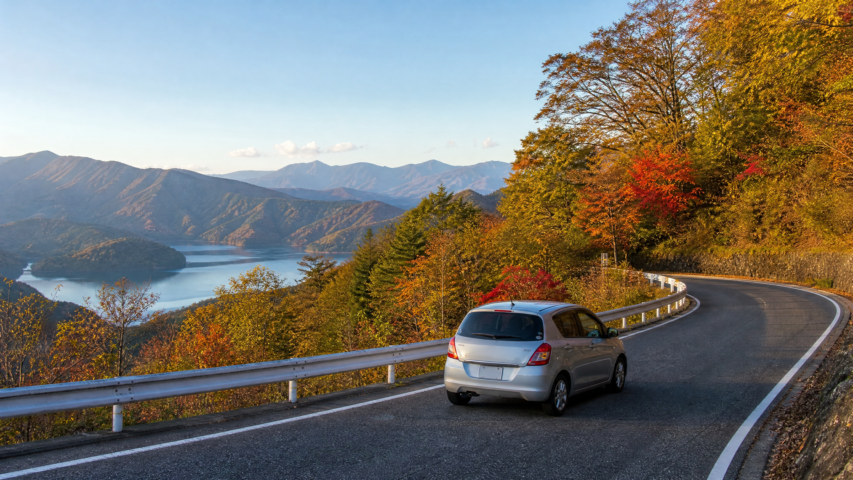
秋天租車遊日光時,伊呂波坂是一段需要專心駕駛的山路。由日光市區前往中禪寺湖與奧日光,要走上行專用的第二伊呂波坂;從中禪寺湖返回日光市區,則走下行專用的第一伊呂波坂。兩段道路合計有48個急彎,不能把它當成可隨時折返的市區路線。出發前先確認行進方向,想拍照或休息時,務必停入正式停車位。

紅葉季景色吸引人,但熱門時段容易壅塞。不要僅依照地圖的一般行車時間安排整天;中禪寺湖、華嚴瀑布與湖畔休息之中,先選出真正重視的項目即可。出發當天查看路況、天氣與停車資訊,若時間不足,就減少停靠點。保有調整空間,比勉強跑完所有景點更安全。

上山與下山分開規劃

上山時使用第二伊呂波坂前往中禪寺湖。彎道多且前方視線有限,請放慢速度、保留車距,讓駕駛者專心處理方向與車速。同行者可負責導航與找停車場,避免駕駛者在彎道中分心。切勿為了取景而在道路上臨停。

下山前則以第一伊呂波坂為回程。先固定行李、完成補水、確認下一個目的地,再開始連續下坡。若遇到下雨、濃霧、天色變暗或駕駛疲累,應縮短行程並提早返回。以平順方式控制車速與方向,跟車距離也要比平時更寬裕。

以即時資訊與停車保護行程

  • 出發前及下山前,都查詢官方即時壅塞與道路資訊。
  • 預留燃油、飲水、已充電的手機與保暖外套。
  • 只使用指定停車場;不要因拍照而停在伊呂波坂路邊。
  • 先設定最晚折返時間,確保能從容歸還租車。

以從容回程完成一天

日光自駕的重點不是塞滿景點,而是順著道路方向安排節奏:走第二伊呂波坂上山,在合法停車位停車,於中禪寺湖周邊休息,再沿第一伊呂波坂下山。行前與回程前各確認一次天候、亮度與交通狀況;條件變差時,放棄最不重要的一站即可。出發前可參考官方日光旅 Navi 壅塞資訊伊呂波坂介紹。清楚掌握48個彎道與單向動線,才能兼顧秋日風景與租車安全。

いろは坂を急がない行程にする

秋の日光をレンタカーで巡るなら、いろは坂は余裕を持って走る山道として予定に入れましょう。日光市街から中禅寺湖・奥日光へ向かうのは上り専用の第二いろは坂、帰りは中禅寺湖側から日光市街へ下る第一いろは坂です。二つを合わせて48か所の急カーブがあり、往復で同じ道は使えません。出発前に進行方向を確認し、道路上で止まらないことが基本です。

紅葉期は渋滞で予定が変わりやすい時期です。通常の所要時間だけで行程を決めず、中禅寺湖、華厳滝、湖畔の休憩から優先したいものを絞りましょう。当日の情報を確認し、時間に余裕がなければ立ち寄り先を減らします。

上りと下りを分けて運転する

上りは第二いろは坂を使います。カーブの先が見えにくい場所では速度を控え、前走車との車間を十分取りましょう。写真を撮りたい時は、利用可能な駐車場に車を置いてから歩きます。同乗者にナビ操作を任せれば、運転への集中を保ちやすくなります。

帰りは第一いろは坂で下ります。出発前に荷物を固定し、飲み物を済ませ、次の目的地を確認しておくと、下りの連続カーブで慌てずに済みます。雨、霧、夕暮れ、疲労が重なりそうなら、予定を短くして早めに戻りましょう。

当日の情報と駐車を安全装備にする

  • 出発前と下山前に、公式の渋滞情報と道路情報を確認する。
  • 燃料、飲み物、充電済みの電話、上着を準備する。
  • 指定された駐車場だけを利用し、路上停車で撮影しない。
  • 返却時刻を守れる引き返し時刻を先に決めておく。

安全な回程で一日を終える

日光のドライブを成功させる鍵は、詰め込みすぎないことです。第二いろは坂で上り、正規の駐車場に停めて中禅寺湖周辺で休み、第一いろは坂で戻る。この流れを軸に、当日の渋滞、天候、明るさに合わせて予定を調整しましょう。公式の日光旅ナビの渋滞情報いろは坂案内を確認してから出発すれば、景色も安全も大切にした旅を組み立てやすくなります。

Make the Irohazaka road part of the plan, not a shortcut

An autumn rental-car day in Nikko rewards drivers who treat the route as a mountain drive. Irohazaka links Nikko’s town side with Lake Chuzenji and the Oku-Nikko area. The two slopes are directional: Second Irohazaka is the uphill route toward Lake Chuzenji, while First Irohazaka is the downhill route back toward Nikko. Together they contain 48 tight curves. That layout means a missed turn, a late fuel stop, or an optimistic schedule is harder to correct than it would be on a city loop. Build your day around the direction of travel and leave room to slow down safely.

Autumn adds two competing demands. The scenery invites frequent stops, while popular weekends can bring heavy traffic. Nikko’s official tourism guidance notes that congestion is common in the foliage season and advises travellers to check current traffic information before setting out. Do not use a normal map estimate as a promise. Choose a few priorities—such as the road itself, Lake Chuzenji, and Kegon Falls—and consider every additional stop optional. A calmer plan is more useful than trying to fit the whole of Oku-Nikko into a single timetable.

Set a simple out-and-back route

Start with the route sequence, not with a sightseeing pin. From Nikko, use Second Irohazaka for the ascent to the Lake Chuzenji side. Keep the car in its lane, let faster local traffic pass only where it is clearly safe, and avoid stopping on the road for photographs. The sharp curves deserve your full attention, particularly if this is your first time driving on the left in Japan. At the top, park only in a marked, available space before walking to a viewpoint or visiting an attraction.

For the return, plan to leave Lake Chuzenji by First Irohazaka, the downhill one-way road. Before descending, secure loose items, confirm that everyone has used the restroom, and review the next destination. On a long series of bends, passengers looking for a bag or a phone can distract the driver at exactly the wrong moment. Use gentle, smooth inputs; select a speed that lets you see around the next curve; and leave extra following distance if the road is wet or traffic is compressed. If daylight, weather, or driver energy is declining, shorten the plan rather than forcing one more stop.

Use timing and parking as safety tools

On a foliage-season weekend, the best decision may be to change the time of travel, not merely the route. Check the official Nikko congestion information on the morning of departure, then make one clear decision: go early, travel later, or choose public transport for the busiest section. Avoid relying on an unverified detour; mountain-road closures and local controls can change. Keep enough fuel for a delay and carry drinking water, charged phones, and a warm layer for everyone in the car.

  • Save the destination, parking area, and rental-car return location before mobile coverage becomes uncertain.
  • Check the forecast, road notices, and live congestion information on the day you drive.
  • Use designated parking; never pause on Irohazaka simply to take a picture.
  • Set a turnaround time that protects the rental return, even if sightseeing plans change.

Enjoy Lake Chuzenji without chasing every viewpoint

Once parked, let the day become slower. Lake Chuzenji gives the itinerary a natural pause after the climb, and Kegon Falls is nearby on the lake side. Instead of treating each attraction as a checkpoint, decide what experience matters most: a lakeside walk, a view, a meal, or simply time away from the steering wheel. This approach reduces hurried parking decisions and gives the driver a proper break before the descent. It also makes the plan resilient if traffic has already used more time than expected.

Before restarting, recheck the route, weather, and road situation. In mountain areas, rain, fog, lower temperatures, and early dusk can alter how a road feels. Assign one passenger to handle navigation and messages so the driver can concentrate. If conditions look worse than expected, return at a comfortable pace and skip the least important stop. A successful Nikko drive is one in which every passenger arrives back at the rental location relaxed and on time.

Final pre-drive checklist

Keep the plan deliberately modest: ascend on Second Irohazaka, park legally around Lake Chuzenji, take a real break, and descend on First Irohazaka. Confirm the current traffic picture before departure and again before the return. With 48 curves spread across two directional roads, the best preparation is not a packed itinerary; it is clear route awareness, flexible timing, and patient driving. For current local congestion guidance, consult the official Nikko Travel Navi traffic page. For the road’s directional layout and 48 curves, see the official Irohazaka information page.